
Views: 222 Author: Sara Publish Time: 2026-01-29 Origin: Site


Content Menu
● What Defines a Hybrid Vehicle?
● Toyota Prius: The Original Hybrid Pioneer
● How Toyota Hybrid Systems Work
● Prius Plug-In Hybrid: Bridging to EVs
● Toyota's Broader Hybrid Lineup in 2026
● Latest 2026 Data: Toyota Hybrid Dominance
● Industry Case Studies: Real-World ROI
● Maintenance Tips for Maximum Longevity
● Expert Insights: Hybrids vs. EVs in 2026
● Why Toyota Hybrids Suit Commercial Fleets
● Ready to Upgrade? Contact KeyChain Auto Today
● FAQ
>> 1. What is the average lifespan of a Toyota hybrid battery?
>> 2. Can Toyota hybrids tow heavy loads?
>> 3. How does Prius Plug-In compare to full EVs?
>> 4. Are Toyota hybrids reliable for commercial use?
>> 5. What's the most fuel-efficient Toyota hybrid in 2026?
>> 6. Do Toyota hybrids require special maintenance?
Toyota pioneered the hybrid vehicle revolution with the iconic Prius, blending internal combustion engines (ICE) and electric motors for unmatched fuel efficiency. This comprehensive guide explores Toyota's hybrid technology, its evolution, and why it remains a top choice for eco-conscious drivers seeking performance and savings. Discover how these systems deliver real-world benefits in 2026, from urban commutes to commercial fleet operations.

A hybrid vehicle, or HEV, combines a traditional gasoline engine with one or more electric motors, optimizing the strengths of both power sources. Unlike pure electric vehicles (EVs), hybrids don't require constant charging and offer extended range without range anxiety. The internal combustion engine excels at high speeds, delivering peak power above 2000-3000 RPM, while electric motors provide instant torque from zero RPM, handling up to 10,000 RPM without strain.
Key advantages include:
- Instant torque from electric motors at low speeds for smooth acceleration.
- Highway efficiency from the ICE at optimal RPMs.
- Regenerative braking that recaptures energy to recharge the battery, reducing brake wear and improving overall economy.
Toyota's innovative approach eliminates the inefficiencies of heavy multi-speed transmissions by employing a planetary gear CVT (continuously variable transmission). This system seamlessly blends power sources, achieving superior Toyota hybrid fuel economy across diverse driving conditions. Whether crawling in city traffic or cruising highways, the hybrid setup ensures the right power source dominates at the right time, minimizing waste and maximizing miles per gallon.
Launched in Japan in 1997 (with global sales from 2000), the Toyota Prius sold over 5 million units worldwide, cementing its status as the best-selling hybrid ever. It paired a compact 1.5L four-cylinder engine with two electric motors, prioritizing efficiency over raw power from day one. The Prius introduced the world to mass-produced hybrids, outpacing rivals like the Honda Insight, which struggled for market traction.
Evolution highlights across generations:
- 1st Gen (1997-2003): Achieved 41 MPG city/35 highway; pioneered NiMH battery and regenerative braking, setting the efficiency benchmark.
- 2nd Gen (2004-2009): Boosted to 48/45 MPG with a sleeker design and refined aerodynamics, appealing to a broader audience.
- 3rd Gen (2010-2015): Hit 50/48 MPG; introduced optional Solar Roof for passive charging, enhancing daily usability.
- Later Generations: By 2026, ratings reach 58 MPG combined in top trims, with sharper handling and modern tech like adaptive cruise control.
Even today, the Prius outperforms many competitors in hybrid fuel efficiency rankings, proving its enduring relevance. Its success forced the industry to rethink propulsion, paving the way for widespread hybrid adoption.
Toyota's Hybrid Synergy Drive integrates the ICE, electric motors, and a high-voltage battery into a self-charging ecosystem that feels intuitive to drive. The system constantly monitors speed, load, and battery state to deploy power optimally. Here's a step-by-step breakdown of its operation:
1. Startup and Low Speeds: The electric motor delivers full torque from 0 RPM, enabling whisper-quiet launches with minimal battery draw.
2. Acceleration: Both ICE and electric motors engage; the electric assist provides surge without gear hunting or downshifting.
3. Cruising: ICE takes over at efficient RPMs (1500-4000), while electric handles accessories like climate control.
4. Deceleration: Regenerative braking reverses the motor into a generator, converting kinetic energy into electricity—recharging the battery while simulating traditional brake feel. Hydraulic brakes engage only at the final stop.
5. Idle/Stop: Engine shuts off completely; battery powers electronics. ICE restarts instantly if charge dips.
This orchestration yields 4.7-5.7 L/100km (49-50 MPG) in Prius models, with batteries enduring over 200,000 miles. The small-capacity NiMH or modern lithium-ion packs self-manage, rarely needing external input.
| Mode | Power Source | Benefit |
|---|---|---|
| EV Mode | Electric Motor Only | Silent, zero-emission short trips (1-2 miles) |
| Hybrid Mode | ICE + Electric | Optimal fuel use across speeds |
| Regen Braking | Motor as Generator | Energy recovery, extended range |
The Toyota Prius Plug-In Hybrid (PHEV) elevates the formula with a larger battery for 25+ miles of electric-only range, rechargeable via standard outlets or Level 2 stations. After depletion, it reverts to standard hybrid mode without interruption, blending the best of both worlds.
2026 Updates: Enhanced models deliver 52 MPG combined post-depletion, plus bidirectional charging to power homes during blackouts—vital in areas with grid instability. This feature positions PHEVs as resilient alternatives to full EVs.
Simple Charging Steps:
1. Connect to a 120V household outlet: Full charge in 5.5 hours.
2. Opt for Level 2 (240V): Down to 2.5 hours.
3. Prioritize EV mode for daily commutes under 25 miles, potentially eliminating fuel costs.
Urban drivers love PHEVs for their convenience and hybrid electric vehicle efficiency, especially where public chargers lag.
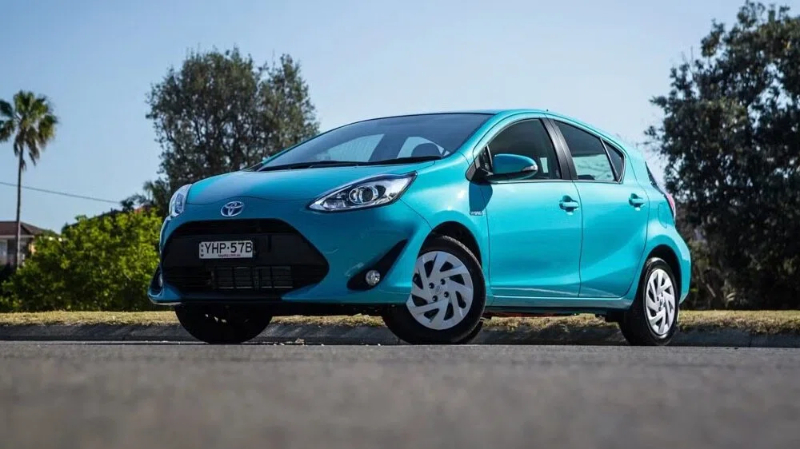
Toyota and Lexus now offer over 20 HEV variants, customizing the system for sedans, SUVs, and crossovers. Efficiency tuning varies by model:
- Camry Hybrid: 51 MPG combined; midsize sedan packing 208 hp for family hauls.
- Corolla Hybrid: 53 MPG city; budget-friendly entry with sharp value.
- RAV4 Hybrid: 40 MPG; rugged AWD SUV towing up to 1,750 lbs.
- Highlander Hybrid: 36 MPG with 3,500 lbs towing—proving hybrids handle heavy duties.
- Lexus RX Hybrid: Power-optimized with optional rear motor for AWD; luxury meets performance.
These models showcase hybrid versatility, from compact efficiency to premium capability, all self-charging without plugs.
Toyota hybrids have surpassed 25 million global sales by late 2025, holding 40% of the U.S. hybrid market. EPA estimates crown them leaders:
| Model | City/Highway MPG | MSRP Range |
|---|---|---|
| Prius | 58/50 | $28,000-$35,000 |
| Corolla Hybrid | 53/46 | $24,000-$29,000 |
| Camry Hybrid | 51/53 | $29,000-$36,000 |
| RAV4 Hybrid | 41/38 | $32,000-$40,000 |
Reliability shines: 85/100 J.D. Power scores, with 10-year/150,000-mile battery warranties. These stats underscore Toyota's edge in longevity and cost-per-mile.
Case Study 1: Beijing Logistics Fleet – A firm mirroring KeyChain deployed 50 Prius PHEVs, slashing fuel use 35% versus diesel vans. ROI hit in 18 months amid ¥3.5/L gas, meeting strict emissions rules.
Case Study 2: NYC Taxi Operation – 200 Camry Hybrids logged 48 MPG over 100,000 miles each, trimming maintenance 20% through regen braking.
Case Study 3: European Delivery Service – RAV4 Hybrids cut downtime 15% in mixed urban-rural routes, with 99% uptime.
Quick ROI Example:
- 15,000 annual miles at 50 MPG hybrid vs. 30 MPG gas: ~$600 yearly savings at $3.50/gallon.
- Add resale value: Total ownership costs drop 25-30% over 5 years.
These examples highlight Toyota hybrid vehicles for commercial scalability.
Hybrids cut routine costs, but targeted care extends life:
- Battery Care: Let the system self-regulate; annual coolant checks prevent issues.
- Brakes: Regen extends pad life to 80,000+ miles—inspect yearly.
- Tires: Keep at 35 PSI for 5-10% MPG gains.
- Software: Free dealer updates refine efficiency.
- Oil: Synthetic changes every 10,000 miles suffice.
At 200,000 miles, batteries hold 70-80% capacity, dwarfing early designs.
Hybrids will outsell EVs through 2030, per analysts, due to charging gaps. Toyota's leadership emphasizes: "Hybrids bridge to electrification." For fleets, they mean no downtime chasing plugs.
Hybrid Edges:
- 500+ mile range eliminates anxiety.
- 20-30% lower buy-in cost.
- 60% resale retention after 5 years.
Businesses like KeyChain thrive with hybrids in used commercial vehicles, pairing efficiency with heavy-duty trucks for lower TCO and emissions.
Secure high-performance used hybrid buses and trucks from China's premier supplier. Visit keychainauto.com, call +8613572980919, or email abbie@keychainventure.com for custom fleet deals. Fuel savings start now!
Contact us to get more information!
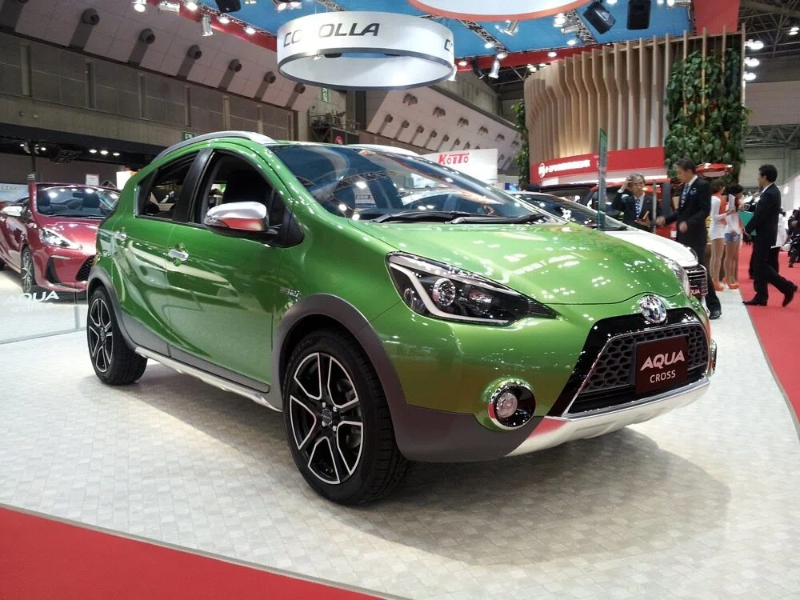
Toyota batteries endure 150,000-200,000 miles, with 10-year warranties. Real-world retention hits 70% beyond a decade.
Yes—Highlander Hybrid manages 3,500 lbs, RAV4 1,750 lbs, maintaining efficiency.
PHEVs give 25-mile EV range + 50 MPG hybrid fallback, perfect for partial charging setups.
Fleets achieve 99% uptime, with 20-30% lower service via regen tech.
Prius tops at 58/50 MPG, trailed by Corolla Hybrid at 53/46 MPG.
Minimal—focus on coolant, tires, and updates; brakes last far longer than gas cars.
1. https://blog.beforward.jp/car-review/hybrid-vehicles-toyotas-approach-fuel-efficiency.html
2. https://www.keychainauto.com


