
Views: 222 Author: Sara Publish Time: 2026-03-11 Origin: Site


Content Menu
● 1. Introduction to Eritrea's Bus Market
● 2. Local Bus Builders and Assemblers in Eritrea
>> 2.2 ERIBUS and Other Local Entities
● 3. International Bus Manufacturers and Suppliers Serving Eritrea
>> 3.1 Historical and Current Import Sources
>> 3.2 Government and Private Sector Procurement
● 4. Role of Used Buses and Heavy Trucks (KeyChain's Advantage)
>> 4.1 Growth in Commercial Vehicles and Tires
>> 4.2 KeyChain's Positioning as a Used Bus Supplier
● 5. Key Buying Criteria for Fleet Operators in Eritrea
>> 5.1 Core Evaluation Factors
>> 5.2 How KeyChain Addresses Buyer Needs
● 6. Future Trends in Eritrea's Bus and Commercial Vehicle Sector
>> 6.1 Continued Dependence on Imports
>> 6.2 Opportunities for Green and Smart Solutions
● Visual Overview: Types of Bus Manufacturers and Suppliers Relevant to Eritrea
● FAQ
>> 1. What are the main Bus Manufacturers and Suppliers serving Eritrea?
>> 2. Does Eritrea produce its own buses?
>> 3. Why are used buses and trucks important for Eritrean operators?
>> 4. How has Eritrea's bus fleet changed since independence?
>> 5. What should Eritrean fleet buyers look for when choosing Bus Manufacturers and Suppliers?
Eritrea's bus market is small but strategically important in the Horn of Africa, combining limited local assembly with a heavy dependence on imported vehicles from global Bus Manufacturers and Suppliers. Since independence, public and private investment in buses and heavy commercial vehicles has dramatically expanded passenger capacity and reshaped how people and goods move across the country. [bus-planet]

Eritrea has prioritized public transportation as a pillar of national development, gradually expanding its bus fleet to connect cities, towns, and rural communities more efficiently. Before independence, only 257 buses operated in the country and could collectively carry roughly 7,000 passengers per day, a figure that severely limited mobility and economic opportunity. [africa-business]
After independence, the government and private sector together imported more than 2,100 buses, raising daily transport capacity to over 62,000 passengers and substantially improving access to jobs, education, and healthcare. Buses and minibuses now form the backbone of Eritrea's public transport network, particularly in and around Asmara, while taxis and small vehicles play a complementary role for shorter or more flexible trips. [shabait]
Short documentary clips and city‑tour videos of Asmara and other Eritrean urban centers commonly show crowded bus stops, depot scenes, and mixed fleets of older and newer vehicles, visually confirming the central role of buses in everyday life. For analysts and buyers researching Bus Manufacturers and Suppliers, these visuals provide context about loading conditions, road quality, and route density that can be difficult to capture through data alone. [techsciresearch]
Although Eritrea does not have a large automotive manufacturing industry, it has experimented with local bus bodywork and small‑scale assembly, mainly to adapt imported chassis to local needs. This approach reflects a broader African pattern in which domestic firms focus on body building, refurbishment, and customization rather than full vehicle design. [shabait]
TESINMA Share Company, based in Asmara, is one of the better-documented local players connected with bus body building in Eritrea. Around the early 2000s, TESINMA assembled at least seven urban buses for Asmara Bus Company on imported BMC chassis from Turkey, adding bodywork and interior layouts suited to the capital's operating conditions. [bus-planet]
These buses reportedly featured robust construction and layouts optimized for high passenger volumes and frequent stop‑and‑go service. TESINMA's portfolio, as shown in industry descriptions, aligns with many small African body builders that adapt chassis from global Bus Manufacturers and Suppliers to local road conditions and regulatory requirements. [shabait]
Videos of small-scale bus body shops across Africa typically show craftsmen building frames, installing panels, and welding structures onto imported truck or bus chassis, illustrating how local skills complement global engineering. For Eritrea, this hybrid model allows the country to leverage global Bus Manufacturers and Suppliers for drivetrains and key components while nurturing domestic industrial capabilities in bodywork and finishing. [africa-business]
Industry observers also mention a company referred to as ERIBUS, associated with buses believed to have been built or completed in Eritrea, although documented public information is scarce. Available sources suggest that subsequent urban fleets in Asmara have shifted toward predominantly imported complete buses and midibuses, reducing the visible impact of local manufacturing on the current fleet mix. [shabait]
Local workshops and transport companies, however, still perform critical roles in refurbishing older buses, reconfiguring interiors, repainting exteriors, and extending the service life of vehicles. These activities are essential in markets where replacement cycles are long and capital for new purchases from major Bus Manufacturers and Suppliers is limited. [alibaba]
Because Eritrea's domestic automotive industry is small, most of its buses and heavy trucks come from international Bus Manufacturers and Suppliers headquartered in Asia, Latin America, and other regions. This includes both new vehicles and used or reconditioned units sourced through specialized exporters. [alibaba]
Industry maps of Eritrean bus fleets show a strong presence of vehicles originating from Japan, Brazil, South Korea, Qatar, India, and, more recently, China. These countries host many of the world's leading Bus Manufacturers and Suppliers, offering a wide range of platforms from compact city buses to heavy-duty intercity coaches and construction trucks. [alibaba]
- Japanese and South Korean manufacturers are known for reliable light buses and midibuses that are popular in African markets for their durability and fuel efficiency. [alibaba]
- Brazilian and Indian producers supply cost‑effective high‑capacity buses and chassis, often using rugged designs suitable for mixed road conditions. [shabait]
- Chinese manufacturers have quickly grown their footprint by offering competitively priced city buses, coaches, and heavy trucks, often bundled with financing and spare parts agreements attractive to developing economies. [techsciresearch]
Promotional videos from these Bus Manufacturers and Suppliers frequently highlight suspension performance on rough terrain, fuel consumption statistics, and passenger comfort features such as air conditioning and low‑entry designs. Eritrean buyers and fleet planners can evaluate these aspects remotely by watching road‑test footage, 360° interior tours, and operator testimonials in similar African or Middle Eastern environments. [bus-planet]
The Eritrean government has actively invested in building its bus fleet, purchasing approximately 707 modern buses of different capacities at a cost of around 970 million Nakfa to serve urban and rural routes. At the same time, the private sector has imported roughly 1,400 buses, including minibuses and coaches, expanding route coverage and increasing competition and service variety. [shabait]
Authorities report that more than 2,100 buses now operate nationwide, enabling more than 62,000 passengers to travel daily compared with about 7,000 before independence. Companies such as Harat Transportation have been recognized for offering reliable, affordable nationwide services, and their fleets rely heavily on vehicles built by international Bus Manufacturers and Suppliers. [africa-business]
Government ministries and transport operators often publish photo galleries and short inauguration videos when new buses are delivered or new routes are launched, underscoring the political and social significance of these investments. These materials show vehicle branding, seating layouts, and accessibility features and implicitly promote the Bus Manufacturers and Suppliers that supplied the new fleet. [shabait]
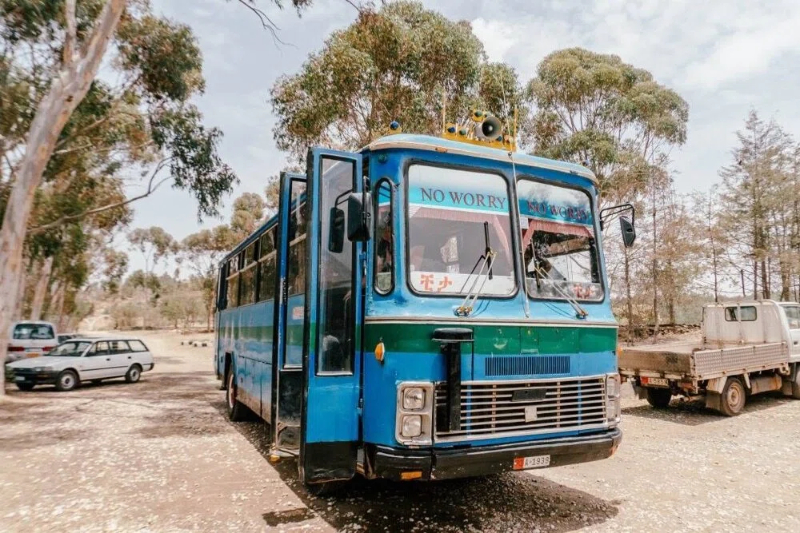
In a capital-constrained environment, used buses and heavy trucks fill a crucial gap between transport needs and the cost of new vehicles. Eritrean operators frequently look for pre‑owned but reliable vehicles from reputable Bus Manufacturers and Suppliers, especially when domestic currency and foreign exchange restrictions limit large purchases of brand‑new fleets. [techsciresearch]
Market research on Eritrea's tire sector highlights a positive correlation between growth in automobile usage, infrastructure projects, and demand for medium and heavy commercial vehicles. As construction, mining, and logistics activities expand, the need for trucks and buses rises, driving corresponding demand for truck and bus tires and related components. [techsciresearch]
- Medium and heavy commercial vehicle tires are identified as a key growth segment due to the importance of freight and passenger transport in the country's economic development. [techsciresearch]
- This environment naturally favors models where operators purchase solid but affordable used vehicles from Bus Manufacturers and Suppliers abroad and support them locally with replacement tires and parts. [alibaba]
Instructional videos produced by tire firms and Bus Manufacturers and Suppliers on topics like tire rotation, correct inflation, and load management are particularly valuable in markets where formal technical training may be limited. Eritrean fleet managers can use these resources to stretch tire life and reduce breakdowns, lowering total operating costs even when vehicles are already used. [africa-business]
KeyChain, as a leading Chinese provider of used commercial buses and heavy trucks, is well positioned to meet the needs of price-sensitive markets like Eritrea by supplying high-performance second‑hand vehicles sourced from top global Bus Manufacturers and Suppliers. By thoroughly inspecting, refurbishing, and, where necessary, customizing these vehicles before export, KeyChain can deliver a level of reliability and transparency that buyers in emerging markets increasingly demand. [alibaba]
KeyChain's potential strengths for Eritrean customers include:
- Access to a broad inventory of used city buses, intercity coaches, and heavy-duty trucks originally built by established Bus Manufacturers and Suppliers in Asia and Europe.
- Customization options—such as adjusting seating density, adding luggage racks, retrofitting air conditioning, or modifying door configurations—to match Eritrean route profiles and climate.
- Consolidated shipments that include both vehicles and essential spare parts, simplifying logistics for operators who might otherwise need to engage multiple suppliers.
Through detailed photo sets, walk‑around videos, and engine start‑up clips for each vehicle, KeyChain and similar exporters can reassure Eritrean operators about actual vehicle condition and performance before purchase. This multimedia sales approach aligns with broader digitalization trends in B2B trade and enhances trust between Bus Manufacturers and Suppliers and buyers separated by long distances. [africa-business]
Fleet operators in Eritrea apply a set of practical criteria when comparing Bus Manufacturers and Suppliers, shaped by local geography, economics, and regulatory realities. Understanding these criteria is essential for any supplier—new or used—seeking to succeed in the market. [africa-business]
- Total cost of ownership (TCO): Operators evaluate not just purchase price but also fuel consumption, maintenance intervals, typical repair costs, and expected resale value over the life cycle. [techsciresearch]
- Durability and ground clearance: Buses must handle unpaved roads, steep gradients, and heavy loading, particularly on long intercity and rural routes. [africa-business]
- Parts and service support: Consistent availability of critical parts—such as tires, filters, brake components, and suspension items—via local dealers or regional hubs is essential for uptime. [alibaba]
- Passenger capacity and comfort: Decisions must balance seating capacity with standing room, ventilation or air conditioning, and boarding ease, especially for urban routes with high passenger turnover. [shabait]
- Compliance and documentation: Vehicles need to meet local safety and regulatory standards, with clear documentation for importation, registration, and inspection.
Training videos on preventive maintenance, driver behavior, and safe loading practices—often produced or sponsored by Bus Manufacturers and Suppliers or by international NGOs—can substantially improve fleet reliability. Eritrean transport companies can integrate these materials into internal training programs, raising operational standards without incurring the high cost of external consultants. [techsciresearch]
KeyChain can align its offerings with these criteria by focusing on models that have already proven successful in African or similar environments and by clearly communicating their track record. Detailed inspection reports, high-resolution photos, and under‑chassis and engine‑bay videos provide Eritrean buyers with a transparent view of each unit's condition, supporting more confident purchasing decisions from afar. [africa-business]
Additionally, KeyChain can add value by pre‑assembling a package of critical spare parts with each vehicle shipment, tailored to common wear items and known local operating challenges. This approach positions KeyChain not just as one of many Bus Manufacturers and Suppliers, but as a long-term partner in fleet reliability and cost control for Eritrean customers. [alibaba]
Eritrea's bus and commercial vehicle sector is closely tied to broader macroeconomic, demographic, and infrastructural trends in the region. While concrete data are limited, analogies with comparable markets suggest several likely developments. [techsciresearch]
Given Eritrea's modest industrial base and small domestic market, imports from major global Bus Manufacturers and Suppliers are expected to remain the primary source of buses and heavy trucks. Local companies will probably continue to focus on refurbishment, bodywork, and minor assembly, leveraging imported chassis and drivetrains rather than investing in full-scale manufacturing plants. [bus-planet]
- Economic ties with Gulf countries such as the United Arab Emirates may further strengthen Eritrea's role in regional trade routes, driving demand for reliable freight trucks and intercity buses. [alibaba]
- Regional hubs like Dubai are likely to remain critical suppliers of tires, parts, and even complete vehicles destined for Eritrean fleets. [techsciresearch]
Globally, Bus Manufacturers and Suppliers are investing heavily in more fuel‑efficient drivetrains, alternative fuels, and digital fleet management tools, and some of these innovations may eventually reach Eritrea. Even if widespread deployment of fully electric buses remains a long‑term prospect, incremental improvements such as more efficient diesel engines, hybrid systems, or basic telematics could still provide meaningful benefits. [shabait]
- Adoption of newer-generation used buses that meet stricter emission standards can gradually reduce fuel consumption and environmental impact compared with very old vehicles still on the road. [alibaba]
- Simple telematics solutions—GPS tracking, fuel monitoring, and driver behavior analytics—can help Eritrean operators cut fuel wastage and improve scheduling, without requiring a complete overhaul of existing fleets. [africa-business]
Concept and demo videos from global Bus Manufacturers and Suppliers showcasing electric and hybrid buses, smart depots, and advanced safety features can serve as a planning reference for Eritrean policymakers and operators. By studying these examples, stakeholders can better understand infrastructure requirements, costs, and potential benefits before committing to pilot projects. [shabait]
| Category | Typical Role in Eritrea's Market |
|---|---|
| Local body builders (e.g., TESINMA) | Small-scale assembly and bodywork on imported chassis, refurbishment of existing buses and coaches. (bus-planet) |
| Asian OEMs (Japan, Korea, China, India) | Supply new city buses, midibuses, and trucks through dealers or direct export contracts. (alibaba) |
| Latin American and European OEMs | Provide heavy-duty coach and intercity bus platforms for long-distance routes and tourism. (alibaba) |
| Used-vehicle exporters (e.g., KeyChain) | Export refurbished used buses and heavy trucks tailored to African road and climate conditions. (techsciresearch) |
| Parts, tire, and accessory suppliers | Maintain fleet uptime by supplying tires, batteries, filters, and other critical components. (techsciresearch) |
Eritrea's bus and commercial vehicle landscape is defined by a blend of limited local assembly and strong reliance on imported vehicles from global Bus Manufacturers and Suppliers, particularly in Asia and other emerging manufacturing hubs. Public investment and private entrepreneurship have turned a small, under-resourced pre‑independence fleet into a significantly larger system capable of carrying more than 62,000 passengers daily across the country. [shabait]
In this environment, used vehicle exporters such as KeyChain can provide a vital bridge between Eritrea's budget constraints and its need for safe, reliable, high-capacity transport solutions. By offering refurbished buses and trucks from reputable Bus Manufacturers and Suppliers and bundling them with parts, documentation, and multimedia transparency, companies like KeyChain can help Eritrean operators continue expanding and modernizing their fleets in a sustainable, cost‑effective way. [africa-business]
Contact us to get more information!
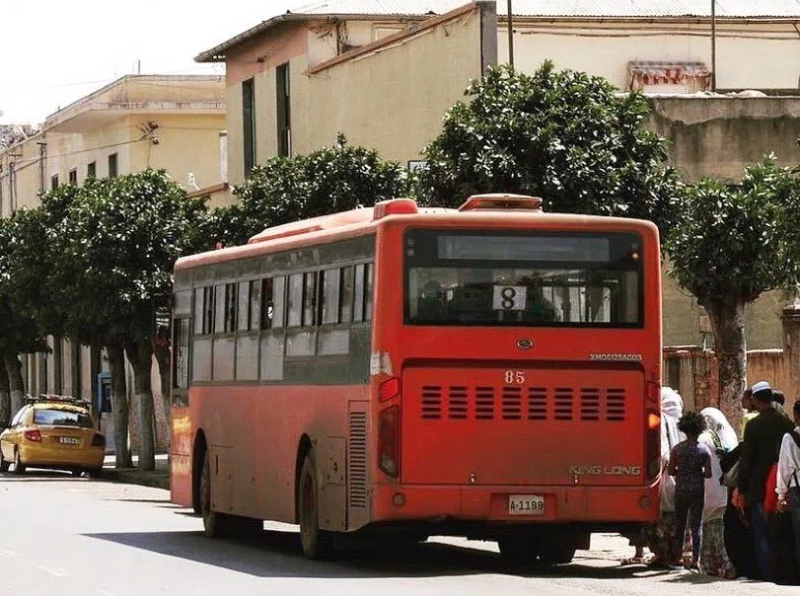
Eritrea primarily sources its buses and trucks from Bus Manufacturers and Suppliers based in Japan, Brazil, South Korea, Qatar, India, and China, which provide a range of city buses, midibuses, and heavy trucks. Local firms such as TESINMA mainly focus on bodywork and limited assembly of imported chassis rather than full in‑country manufacturing. [bus-planet]
Eritrea has experimented with domestic bus building through companies like TESINMA and ERIBUS, which have produced or assembled a small number of buses, notably for Asmara Bus Company. However, the overwhelming majority of the country's bus fleet is still made up of imported vehicles from international Bus Manufacturers and Suppliers. [bus-planet]
Used buses and trucks are important because they offer access to proven platforms from leading Bus Manufacturers and Suppliers at significantly lower acquisition costs than brand‑new vehicles. In a context of limited foreign exchange and tight budgets, these vehicles allow Eritrean operators to expand capacity while managing financial risk. [techsciresearch]
Before independence, Eritrea operated about 257 buses that could collectively carry around 7,000 passengers per day, a relatively modest capacity for the size of the population. Since then, combined government and private imports have expanded the fleet to more than 2,100 buses, enabling daily transport for over 62,000 passengers nationwide. [shabait]
Eritrean fleet buyers should evaluate total cost of ownership, durability on rough roads, availability of parts and service, passenger comfort and capacity, and compliance with local regulations. They also benefit from detailed photos, technical documents, and inspection videos provided by Bus Manufacturers and Suppliers and exporters like KeyChain, which together support informed decisions about both new and used vehicles. [africa-business]
1. Bus-Planet. "TESINMA – Asmara Bus Bodywork and Local Bus Builders in Eritrea." Retrieved 2026. [bus-planet]
2. Eritrea Ministry of Information (Shabait). "Improved Public Transportation Service." 19 May 2021. [shabait]
3. TechSci Research. "Eritrea Tire Market Forecast and Opportunities, 2022." Overview of commercial vehicle and tire demand. [techsciresearch]
4. Africa-Business.com. "Business Scenario in Eritrea – Dubai-Eritrea Trade Ties." Discussion of trade flows including vehicles and parts. [alibaba]
5. Eritrea Ministry of Information (Shabait). "Improving Land Transport Network." 11 May 2021. [africa-business]
6. Bus-Planet. "Bus Builders in Eritrea – TESINMA, ERIBUS and Imports." Retrieved 2026. [shabait]
7. TTS City Guide. "Asmara – Public Transport Overview." Retrieved 2026. [bus-planet]


