
Views: 222 Author: Sara Publish Time: 2026-03-07 Origin: Site


Content Menu
● 1. Introduction to Equatorial Guinea's Bus Market
● 2. Why Bus Manufacturers and Suppliers Matter
● 3. Leading Global Bus Manufacturers and Suppliers in Africa
>> 3.1 Key international brands
>> 3.2 Innovative African bus companies
● 4. Relevance of Chinese Bus Manufacturers and Suppliers
>> 4.1 Major Chinese bus OEMs active in Africa
>> 4.2 Technology and value proposition
● 5. Role of Used Bus Manufacturers and Suppliers (KeyChain)
>> 5.2 Why used buses matter for Equatorial Guinea
● 6. Fleet Types and Specifications in Equatorial Guinea
● 7. Procurement Strategies for Local Operators
>> 7.1 Working with regional distributors
>> 7.2 Integrating used and new fleets
● 8. Financing Options and Risk Management
>> 8.1 Vendor finance and development banks
● 9. Sustainability and Electric Buses in Africa
>> 9.2 Pathway for Equatorial Guinea
● 10. Digitalization, Telematics, and After‑Sales Support
● 11. Practical Checklist for Choosing Bus Manufacturers and Suppliers
● FAQ
>> 1. What types of buses are most common in Equatorial Guinea?
>> 2. Which Bus Manufacturers and Suppliers are most relevant for Equatorial Guinea?
>> 3. Why consider used buses instead of only new buses?
>> 4. Are electric buses realistic for Equatorial Guinea now?
>> 5. How should operators choose between different Bus Manufacturers and Suppliers?
Equatorial Guinea's developing transport network relies heavily on imported buses and trucks from established global Bus Manufacturers and Suppliers that already serve wider African and global markets. This article explores the main brands active or highly relevant to Equatorial Guinea, key purchasing trends, and how international used‑bus exporters like KeyChain support fleet upgrades for operators in this Central African country. [mordorintelligence]
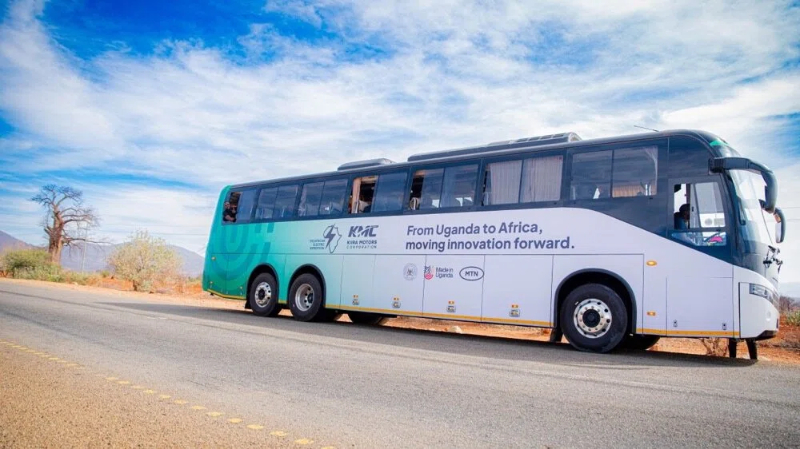
Equatorial Guinea is a small but strategically located Central African country whose public and private transport systems depend on medium and heavy‑duty buses for intercity connections, company shuttles, and school transport. The local industrial base for vehicle manufacturing is limited, so operators rely on imported vehicles from established global Bus Manufacturers and Suppliers and on regional distributors who specialize in African conditions. [statista]
As road infrastructure improves, demand for higher‑capacity, safer, and more fuel‑efficient buses continues to grow, creating opportunities for both new‑vehicle OEMs and used‑bus exporters. Bus Manufacturers and Suppliers that understand African operating environments—hot climates, mixed road quality, and long distances—are best positioned to support transport companies in Equatorial Guinea with durable chassis, robust suspensions, and reliable after‑sales support. [mordorintelligence]
A typical African intercity coach like the one above illustrates the kind of robust, high‑floor bus configuration preferred for mixed paved and unpaved roads.
Bus Manufacturers and Suppliers are at the core of fleet performance, lifecycle cost, and passenger experience in Equatorial Guinea. Selecting the right partner affects several critical dimensions: [statista]
- Vehicle reliability and uptime
- Fuel efficiency and total cost of ownership
- Safety systems and comfort features
- Access to genuine parts and service
- Future‑readiness for low‑emission or electric solutions
Because Equatorial Guinea is a relatively small market, operators often work with regional distributors representing global Bus Manufacturers and Suppliers rather than dealing directly with OEMs. This makes the choice of supplier—new or used—equally important, especially in terms of pre‑delivery inspection, customization for local regulations, and logistics to ports such as Malabo and Bata. [mordorintelligence]
From a strategic perspective, Bus Manufacturers and Suppliers also influence training standards for drivers and technicians by providing manuals, diagnostic tools, and sometimes on‑site training programs. This transfer of knowledge is crucial in smaller markets where specialized technical education may still be developing. [statista]
Although specific registration data for Equatorial Guinea is limited, the bus landscape in Africa is strongly influenced by a combination of European, Asian, and regional Bus Manufacturers and Suppliers that provide chassis, complete buses, or electric solutions. [mordorintelligence]
Market analyses of African bus and electric bus segments consistently list the following companies among the major Bus Manufacturers and Suppliers serving the continent: [researchandmarkets]
- Volvo Group (Volvo Buses)
- Daimler Buses (including Mercedes‑Benz bus products)
- Scania AB
- BYD Auto Co., Ltd.
- Zhengzhou Yutong Bus Co., Ltd.
- King Long United Automotive Industry Co., Ltd.
- Zhongtong Bus Holding Co., Ltd.
- Anhui Ankai Automobile Co., Ltd.
- Higer Bus Company Limited
- Foton Motor Group
These Bus Manufacturers and Suppliers participate in tenders and private fleet projects across multiple African countries, often partnering with local body builders or assembly plants. They supply both city buses and long‑distance coaches, enabling public authorities and private operators to cover diverse route profiles. [mordorintelligence]
Alongside global OEMs, several African operators and builders are recognized for innovation, particularly around sustainability and digitalization. Although they may not yet be present in Equatorial Guinea, they influence regional standards and expectations: [linkedin]
- BasiGo (Kenya): Electric bus solutions with pay‑as‑you‑drive models. [linkedin]
- Kiira Motors (Uganda): Solar‑electric buses and local manufacturing. [linkedin]
- Roam Electric (Kenya): Electric buses tailored for African roads. [linkedin]
- Golden Arrow Bus Services (South Africa): Large urban fleet adopting electric buses and cleaner technologies. [linkedin]
These companies work with or complement global Bus Manufacturers and Suppliers to accelerate electric bus deployment, a trend that can eventually extend to markets like Equatorial Guinea. [mordorintelligence]
Chinese Bus Manufacturers and Suppliers play an especially important role in African bus markets due to competitive pricing, flexible financing, and experience with large fleet exports. [researchandmarkets]
Industry reports list several Chinese Bus Manufacturers and Suppliers among the top electric and conventional bus providers in Africa: [researchandmarkets]
- Zhengzhou Yutong Bus Co., Ltd.
- BYD Auto Co., Ltd.
- King Long United Automotive Industry Co., Ltd.
- Zhongtong Bus Holding Co., Ltd.
- Anhui Ankai Automobile Co., Ltd.
- Higer Bus Company Limited
These Bus Manufacturers and Suppliers provide urban buses, intercity coaches, and increasingly, pure electric buses to multiple African countries, supported by bilateral cooperation and project financing. [xmjl]
A pure‑electric bus delivery to another African country, such as the hand‑over of 100 battery‑electric buses in Ethiopia, illustrates how Chinese Bus Manufacturers and Suppliers can scale similar solutions into Central Africa when infrastructure and policy support grow. [m.xnyauto]
Chinese Bus Manufacturers and Suppliers differentiate themselves through: [researchandmarkets]
- Competitive acquisition cost and attractive financing
- Rapid customization and body variants for different seating layouts
- Mature battery and driveline solutions for electric buses
- High passenger capacity for urban BRT and intercity routes
This makes them attractive to fleet operators in Equatorial Guinea who are looking for cost‑effective buses with proven performance in similar environments. Many African cities already operate Chinese‑brand fleets, providing a reference base for reliability, fuel consumption, and maintenance practices. [researchandmarkets]
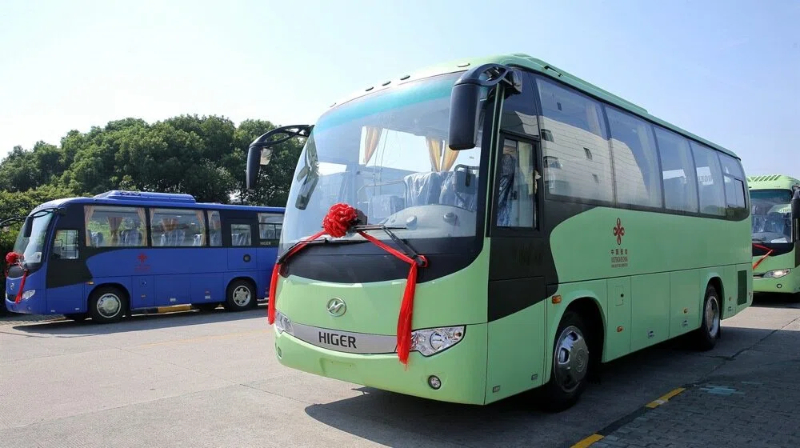
While OEMs focus on new vehicles, many operators in Equatorial Guinea rely on used buses and trucks to balance capital expenditure with service quality. Specialized used‑bus exporters like KeyChain act as Bus Manufacturers and Suppliers in the secondary market, aggregating, refurbishing, and exporting vehicles tailored to emerging markets. [keychainventure]
KeyChain is described as a leading Chinese commercial‑vehicle used‑bus supplier, offering high‑performance buses and heavy trucks for global clients at competitive prices. As a used‑vehicle specialist, KeyChain sources from multiple primary Bus Manufacturers and Suppliers and prepares units for export with inspection, reconditioning, and customer‑specified configurations such as seating, air‑conditioning, and branding. [keychainventure]
For transport operators in Equatorial Guinea, used buses from reputable Bus Manufacturers and Suppliers offer several advantages: [keychainventure]
- Lower acquisition cost compared with new units
- Access to proven European and Asian brands already tested in other markets
- Shorter lead times for delivery and deployment
- Flexible body types (city, coach, school, staff) to match route demand
By partnering with exporters like KeyChain, local buyers can specify seating layouts, luggage options, air‑conditioning, and other features while maintaining access to parts via the original Bus Manufacturers and Suppliers network. [keychainventure]
Equatorial Guinea's bus needs can be broadly grouped into several operational categories that Bus Manufacturers and Suppliers must serve effectively. [statista]
- Urban and peri‑urban city buses (low‑entry or high‑floor) for dense corridors
- Intercity coaches connecting major towns and neighboring countries
- Staff buses for oil, gas, and industrial projects
- School buses and institutional transport
- Mini and midi buses for flexible or low‑demand routes
Bus Manufacturers and Suppliers that can deliver a mix of these types—either new or used—are best suited to support evolving mobility requirements in the country. [statista]
Key specifications that matter in this context include: [statista]
- Durable chassis and suspension systems for rough roads
- Efficient diesel engines or emerging electric drivelines
- Adequate cooling and climate control for tropical conditions
- Strong braking and safety systems (ABS, ESC, seat belts)
- Corrosion protection for coastal and humid environments
Global Bus Manufacturers and Suppliers such as Volvo, Daimler, Scania, BYD, and Yutong design buses for a wide range of environments and can adapt their products for Central African operating conditions. [researchandmarkets]
Because the local market is small, operators in Equatorial Guinea must take a strategic approach when dealing with Bus Manufacturers and Suppliers.
Many global Bus Manufacturers and Suppliers rely on regional hubs or authorized dealers in neighboring countries to serve Central African clients. These partners handle: [mordorintelligence]
- Vehicle configuration and ordering
- Shipping and customs coordination
- Pre‑delivery inspection and local registration
- Warranty and after‑sales service
When choosing between Bus Manufacturers and Suppliers, operators should compare the strength of the local support network as carefully as vehicle specifications. Availability of technicians, diagnostic tools, and genuine parts can significantly influence fleet uptime and operating costs. [statista]
Combining new buses from OEM Bus Manufacturers and Suppliers with high‑quality used buses from exporters like KeyChain allows operators to scale capacity while managing budget constraints. For example: [keychainventure]
- New buses for flagship routes or government contracts
- Used buses for secondary routes, school services, or peak‑time capacity
- Mixed fleets of European, Chinese, and other Bus Manufacturers and Suppliers, unified through consistent maintenance practices
This blended strategy reduces risk and improves cash flow while leveraging the strengths of multiple Bus Manufacturers and Suppliers across the value chain. [keychainventure]
Financing is often the biggest barrier to acquiring buses in emerging markets, making the financial capabilities of Bus Manufacturers and Suppliers increasingly important. [researchandmarkets]
Some large Bus Manufacturers and Suppliers collaborate with export‑credit agencies, development banks, or commercial banks to offer structured finance packages for fleet purchases. These can include: [mordorintelligence]
- Long‑tenor loans backed by export‑credit agencies
- Leasing arrangements through OEM‑linked finance companies
- Pay‑as‑you‑drive models emerging in electric bus projects
For Equatorial Guinea, aligning with Bus Manufacturers and Suppliers that have experience in African sovereign and municipal finance can make large projects more feasible. [researchandmarkets]
Operators can reduce risk by diversifying across several Bus Manufacturers and Suppliers instead of relying on a single brand. This approach allows fleets to: [mordorintelligence]
- Compare real‑world performance of different models
- Leverage multiple after‑sales networks
- Avoid over‑dependence on one parts supply chain
Used‑bus suppliers add further flexibility by enabling gradual fleet renewal without committing to large, single‑brand orders. [keychainventure]
Sustainability is becoming a central theme in African transport planning, and Bus Manufacturers and Suppliers are responding with electric and low‑emission buses. [linkedin]
Industry analyses identify a growing list of electric Bus Manufacturers and Suppliers active in African pilots and deployments, including BYD, Yutong, King Long, Ankai, and regional innovators like Kiira Motors and Roam Electric. Projects range from city bus pilots in East Africa to large‑scale deployments supported by international climate finance. [linkedin]
The delivery of 100 pure‑electric buses by a Chinese manufacturer to an African country such as Ethiopia demonstrates both the technical readiness and political support for green transport solutions. These experiences can inform future electric bus projects in Equatorial Guinea as charging infrastructure and grid capacity improve. [xmjl]
For now, diesel buses will likely remain dominant in Equatorial Guinea; however, early engagement with electric‑ready Bus Manufacturers and Suppliers can: [statista]
- Ensure new diesel buses are prepared for future retrofits or hybridization
- Build relationships with OEMs that already supply electric models elsewhere in Africa
- Position operators for green funding and concessional finance
Used‑bus suppliers can also start sourcing newer, lower‑emission models from Bus Manufacturers and Suppliers as they become available in the global secondary market. [keychainventure]
Modern Bus Manufacturers and Suppliers increasingly complement vehicles with digital tools and services that optimize operations. [mordorintelligence]
- Telematics platforms provide real‑time data on fuel use, driver behavior, and vehicle health.
- Predictive maintenance systems help schedule repairs before failures occur.
- Remote diagnostics allow Bus Manufacturers and Suppliers or dealers to support local workshops more efficiently.
For Equatorial Guinea, collaborating with Bus Manufacturers and Suppliers that offer such digital solutions can compensate for limited technical capacity and improve fleet reliability and safety. Even used buses can sometimes be retrofitted with telematics hardware provided by Bus Manufacturers and Suppliers or third‑party vendors, enabling data‑driven decision‑making across mixed fleets. [statista]
When evaluating Bus Manufacturers and Suppliers, operators in Equatorial Guinea can use the following practical checklist:
- Confirm experience of the Bus Manufacturers and Suppliers in African or similar markets. [researchandmarkets]
- Assess availability of parts and service through local or regional partners. [statista]
- Compare total cost of ownership, not just purchase price, across several Bus Manufacturers and Suppliers. [researchandmarkets]
- Review financing options, including support from development banks or vendor‑linked finance arms. [mordorintelligence]
- Evaluate readiness for future electric or low‑emission transitions among Bus Manufacturers and Suppliers under consideration. [linkedin]
- For used vehicles, verify refurbishment standards, inspection reports, and sourcing transparency from Bus Manufacturers and Suppliers like KeyChain. [keychainventure]
By following this checklist, transport companies can build long‑term partnerships with Bus Manufacturers and Suppliers that align with their operational, financial, and sustainability goals. [keychainventure]
Equatorial Guinea's bus sector is shaped by a diverse ecosystem of Bus Manufacturers and Suppliers, from European and Chinese OEMs to regional innovators and specialized used‑bus exporters. Global brands such as Volvo, Daimler, Scania, BYD, Yutong, King Long, Ankai, and others provide the technological foundation, while companies like KeyChain bridge the affordability gap by supplying high‑quality used buses tailored for African operating conditions. [statista]
As infrastructure improves and sustainability becomes more important, Equatorial Guinea will benefit from forging strong, long‑term partnerships with Bus Manufacturers and Suppliers that combine robust products, accessible financing, digital tools, and reliable after‑sales support. By carefully blending new and used assets, engaging with electric‑ready Bus Manufacturers and Suppliers, and leveraging regional expertise, local operators can build resilient bus fleets that support growth in passenger mobility and economic development. [linkedin]
Contact us to get more information!
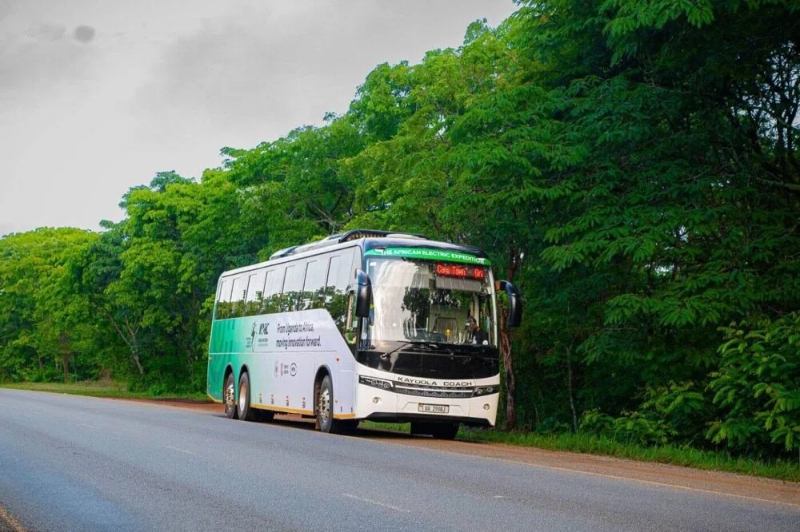
In Equatorial Guinea, operators typically use a mix of intercity coaches, urban buses, staff buses, and school buses sourced from international Bus Manufacturers and Suppliers. These vehicles are often adapted for local road conditions, with robust chassis, higher ground clearance, and strong cooling systems due to the tropical climate. [mordorintelligence]
The most relevant Bus Manufacturers and Suppliers include major global brands active across Africa, such as Volvo, Daimler, Scania, BYD, Yutong, King Long, Ankai, Zhongtong, and other Chinese and European OEMs. Their products reach Equatorial Guinea through regional distributors, project contracts, or specialized used‑bus exporters. [keychainventure]
Used buses from reputable Bus Manufacturers and Suppliers provide a lower‑cost way to expand fleets while maintaining acceptable quality and safety. Exporters like KeyChain inspect, refurbish, and configure used buses for markets like Equatorial Guinea, helping operators balance budget constraints with operational needs. [keychainventure]
Electric buses are already being deployed in several African countries through partnerships between Bus Manufacturers and Suppliers and local authorities, including projects led by Chinese OEMs and African innovators. For Equatorial Guinea, widespread adoption will depend on charging infrastructure and grid resilience, but planning with electric‑ready Bus Manufacturers and Suppliers today can smooth the transition later. [m.xnyauto]
Operators should evaluate Bus Manufacturers and Suppliers on total cost of ownership, local service support, availability of parts, fuel or energy efficiency, and alignment with long‑term fleet strategies. Comparing offers from OEMs and used‑bus exporters like KeyChain, and considering both diesel and future electric options, helps create a balanced and resilient fleet plan. [researchandmarkets]
1. LinkedIn – "Top 5 Most Innovative Bus Transportation Companies in Africa," 2026. [linkedin]
2. Mordor Intelligence – Africa Electric Bus market company overviews and key players. [mordorintelligence]
3. KeyChain Venture – "Used Bus" product page describing global used bus supply and positioning. [keychainventure]
4. Research and Markets – "Top 10 Electric Bus Companies Shaping the Market in 2025 and …" (company lists and market insights). [researchandmarkets]
5. Xiamen Golden Dragon / King Long news – Article describing pure‑electric bus delivery in an African country. [xmjl]
6. Statista – "Buses – Equatoatorial Guinea | Market Forecast" providing market structure and key operator context.
7. New‑energy commercial‑vehicle news portal – Report on delivery of 100 pure electric buses in Ethiopia as an example of China–Africa green transport cooperation. [m.xnyauto]


