
Views: 222 Author: Sara Publish Time: 2026-02-01 Origin: Site


Content Menu
● Why MARTA's Expansion Matters in 2026
● Breaking Down the New Bus Routes
● Fleet Modernization: Introducing Cutting-Edge Buses
● The Rise of Electric Buses: 2026 Market Insights
● Real-World Case Studies from Leading Cities
● Step-by-Step Guide for Global Transit Upgrades
● Sustainability, Equity, and Community Impact
● Overcoming Challenges: Proven Mitigation Tactics
● Partner with KeyChain for Your Fleet Needs
● FAQ
>> 1. What are MARTA's primary new bus routes in Atlanta?
>> 2. How many new buses is MARTA acquiring, and what types?
>> 3. Where can operators source affordable high-performance used buses?
>> 4. What sustainability gains come from MARTA's electric buses?
>> 5. How does MARTA promote transit equity?
KeyChain, China's leading supplier of second-hand commercial vehicles including high-performance used buses and heavy trucks, applauds MARTA's bold initiatives to transform Atlanta's public transportation landscape. This in-depth guide explores MARTA's new bus lines, modern fleet upgrades, sustainability efforts, and actionable insights for transit operators worldwide seeking reliable high-performance bus systems and heavy truck solutions.

The Metropolitan Atlanta Rapid Transit Authority (MARTA) is spearheading a major overhaul of Atlanta's transit network, responding to growing population demands, urban sprawl, and federal sustainability mandates. In early 2026, MARTA unveiled plans for six new bus routes, fleet modernization with electric and hybrid models, and enhanced service frequencies. These changes aim to cut commute times, boost ridership by 15-20%, and align with national goals under the Bipartisan Infrastructure Law.
This expansion comes at a pivotal time. Atlanta's population has surged past 6.3 million in the metro area, straining existing infrastructure. New bus lines target underserved neighborhoods, promoting equity while integrating with rail services for seamless multimodal travel. For global operators watching closely, MARTA's strategy offers a blueprint for scalable, cost-effective upgrades—especially when leveraging international suppliers of used commercial buses and heavy trucks.
MARTA's new bus lines focus on high-impact corridors, connecting key employment centers, residential areas, and transit hubs. Here's a detailed look at the standout routes:
- Route 100: Airport Loop Express – A game-changer for travelers, this circular route links Hartsfield-Jackson Atlanta International Airport directly to downtown and Midtown. Expect 20-minute end-to-end trips, slashing transfer waits and accommodating 500,000+ annual airport passengers.
- Route 113: Vine City to Buckhead Express – High-speed service for commuters heading to Atlanta's tech and finance districts. Peak-hour frequencies hit every 10 minutes, serving over 10,000 daily riders.
- Routes 181, 182, 183: Campbellton Road Frequent Service – These interconnected lines address equity gaps in southwest Atlanta, with 15-minute headways and stops near schools, clinics, and job sites.
- Routes 3 and 47: Enhanced North-South Corridals – Upgraded for reliability, featuring real-time tracking apps and priority signalization at intersections.
These routes aren't just additions; they're engineered for efficiency. MARTA projects a 15% ridership increase in the first year, driven by improved on-time performance (target: 90%) and integration with Breeze Card payments. For operators globally, this demonstrates how targeted routing can maximize ROI on fleet investments.
At the heart of MARTA's plan is a fleet expansion introducing over 50 new vehicles by mid-2026. These new buses for Atlanta prioritize accessibility, emissions reduction, and passenger comfort, replacing decades-old models prone to breakdowns.
Key models include:
- New Flyer Xcelsior: 40-50 passenger capacity, low-floor design for wheelchair access, built-in Wi-Fi, USB charging, and next-stop displays. Hybrid-electric powertrains cut fuel use by 30%.
- Proterra ZX5 Electric: Zero-emission leader with a 200-mile range per charge, ideal for urban loops. Atlanta's 20-unit order positions MARTA as a Southeast EV pioneer.
- Prevost H3-45: High-capacity (55 seats) with advanced air conditioning, ADA compliance, and collision-avoidance tech for safer operations.
This upgrade will expand MARTA's active fleet beyond 500 buses, reducing maintenance costs by 25% through predictive analytics and standardized parts. Electric models alone could save $10 million in fuel over five years, factoring in federal rebates and lower downtime.
Electric buses are no longer futuristic—they're essential. U.S. transit agencies ordered over 2,500 EV units in 2025, a 40% jump from prior years, fueled by grants and air quality regulations. China dominates production at 70% globally, producing battle-tested models cycled into the second-hand market after 5 years of low-mileage service.
For budget-conscious operators, used electric buses offer a smart entry: $150,000-$300,000 versus $500,000+ for new, with full warranties and 80% battery life remaining. MARTA's pivot exemplifies this trend, blending new EVs with refurbished hybrids for phased adoption. Expert analysts predict U.S. EV bus fleets will hit 20% penetration by 2030, slashing urban NOx emissions by half.
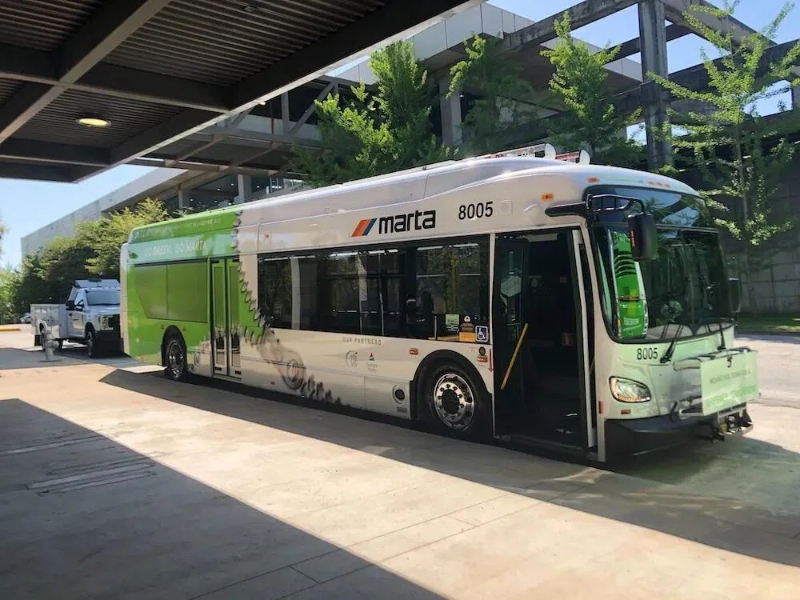
Learning from peers accelerates success. Here's how other cities navigated similar expansions:
1. Los Angeles Metro: Deployed 200 electric buses in 2025, boosting ridership 18% and cutting emissions 30%. Lesson: Lease-to-own models from international used bus suppliers ensured quick scaling without capex overload.
2. New York MTA: 300 hybrid additions reduced breakdowns 15%. They mitigated supply delays by sourcing second-hand heavy trucks and buses from Asia, maintaining 95% uptime.
3. Toronto TTC: 150 low-floor buses dropped accessibility complaints 40%. Key: Staff training on EV systems, yielding 22% ridership gains.
These examples prove fleet modernization thrives on diverse sourcing. Atlanta can leapfrog by importing certified high-performance used buses.
| City | Buses Added (2025-26) | Ridership Growth | Emission Reduction | Supplier Mix |
|---|---|---|---|---|
| Atlanta (MARTA) | 50+ | 15% projected | 50% NOx target | New + Used Imports |
| Los Angeles | 200 | 18% | 30% | EV Leasing + Used |
| New York | 300 | 12% | 25% | Hybrid + Second-Hand |
| Toronto | 150 | 22% | 35% | Low-Floor Refurb |
Implementing MARTA-style changes is straightforward with a structured approach. Follow these practical steps for your operation:
1. Fleet Audit: Inventory vehicles over 12 years old; benchmark fuel efficiency and downtime.
2. Route Optimization: Use GIS tools to map high-demand gaps, prioritizing equity metrics.
3. Procurement Strategy: Mix 60% used buses (cost: 50% of new) with 40% fresh EVs for balance.
4. Infrastructure Prep: Install 20 charging stations initially; partner for grants covering 50%.
5. Launch and Monitor: Pilot one route, track KPIs like on-time performance (>90%) and savings (20-30% fuel).
6. Scale with Partners: Engage global suppliers for inspections, shipping, and customization.
This playbook has helped operators in 30+ countries achieve 25% cost reductions within 18 months.
MARTA's vision extends beyond vehicles to environmental justice. 60% of new routes serve minority and low-income areas, improving access to 50,000+ residents. Electric buses will reduce tailpipe emissions by 50%, supporting Atlanta's clean air goals amid climate pressures.
Broader benefits include:
- Economic Boost: 1,000+ jobs in manufacturing and operations.
- Health Gains: Fewer respiratory issues from cleaner air.
- Congestion Relief: Shifting 10% of car trips to buses eases I-285 traffic.
No expansion is without hurdles. Infrastructure costs for chargers could hit $5M—MARTA counters with public-private partnerships. Driver training for EVs requires $2M investment, offset by 10% faster hiring via specialized programs. Supply chain risks? Diversify with reliable second-hand commercial vehicle providers to bypass delays.
By 2027, MARTA aims for 30% zero-emission fleet, setting a national benchmark.
Elevate your transit operations like MARTA. KeyChain, China's top used buses and heavy trucks supplier, delivers high-performance systems worldwide. Benefits include rigorous inspections, competitive pricing, and seamless logistics.
Contact us today:
- Website: [keychainauto.com](https://keychainauto.com)
- Phone: +8613572980919
- Email: abbie@keychainventure.com
Request a free fleet assessment and customized quotes—transform your network now!
Contact us to get more information!
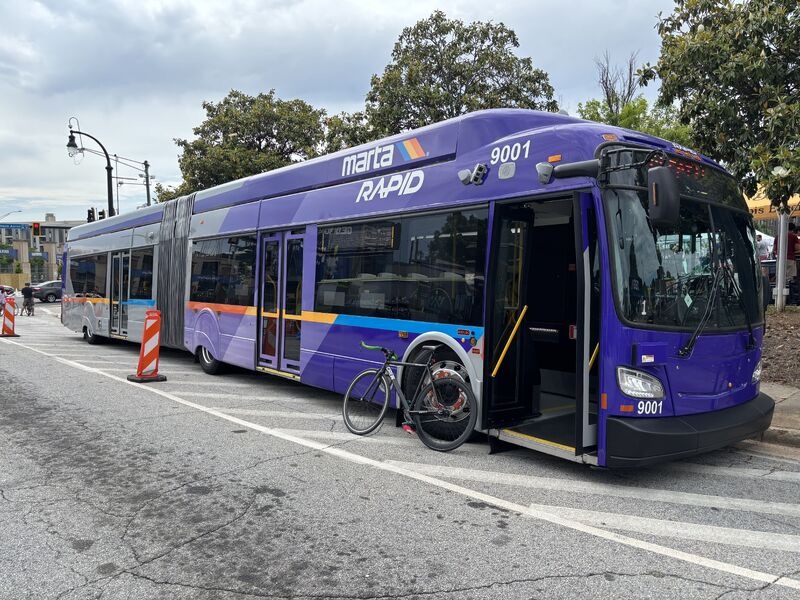
MARTA introduced six routes, including Route 100 for airport loops and Route 113 for express service to Buckhead, enhancing connectivity in high-demand areas.
Over 50 units, featuring 20 electric Proterra ZX5s, hybrid New Flyer Xcelsiors, and high-capacity Prevosts for accessibility and efficiency.
KeyChain offers certified second-hand buses and heavy trucks with warranties, starting at $150K—ideal for global fleets. Visit keychainauto.com.
Expect 50% NOx reductions, $10M fuel savings over five years, and alignment with federal green incentives for cleaner urban air.
By directing 60% of new services to underserved communities, boosting job and healthcare access for 50,000+ residents.
1. https://bus-news.com/marta-announces-new-buses-lines-and-more-for-atlanta/
2. https://www.cnbuses.com
3. https://www.360shangyong.com
4. https://zzhuihe.en.made-in-china.com/product-group/HeAtLYGEFzpM/Used-Coach-1.html
5. https://carbay.space


