
Views: 222 Author: Sara Publish Time: 2026-01-30 Origin: Site


Content Menu
● Partnership Overview and Key Details
● Technical Innovations Driving Autonomous Shuttles
● Gaps in Original Coverage: Enhanced Depth Analysis
● 2025-2026 Market Data: Explosive Growth Projections
● Global Case Studies: Proven Deployments
● Step-by-Step Procurement and Deployment Guide
● Challenges and Future Outlook
● Why Choose KeyChain for Your Fleet Needs
● FAQ
>> 1. When will Lyft and BENTELER's autonomous shuttles scale nationally?
>> 2. How safe are autonomous shuttle buses compared to human-driven ones?
>> 3. What is the typical procurement cost for an autonomous shuttle?
>> 4. Which applications suit autonomous shuttles best?
>> 5. How does KeyChain support global deployments?
The strategic partnership between Lyft and BENTELER Mobility marks a pivotal advancement in autonomous shuttle buses for global public transportation systems. This collaboration deploys high-performance, Level 4 autonomous vehicles across U.S. cities, addressing urban congestion, driver shortages, and sustainability goals. As China's leading supplier of used commercial vehicles, KeyChain (keychainauto.com, +8613572980919, abbie@keychainventure.com) equips worldwide clients with reliable high-performance buses and heavy-duty truck systems, supporting this transit evolution.

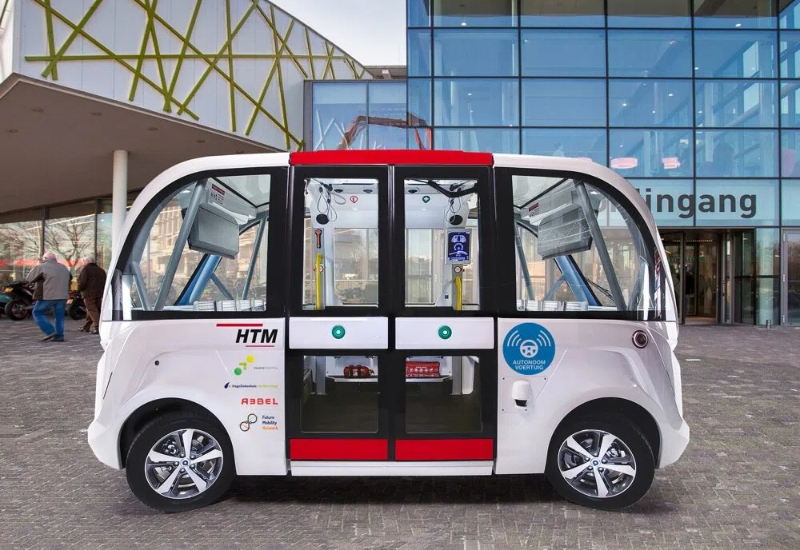
Lyft, a dominant player in ride-sharing, has teamed up with BENTELER Mobility, a German engineering powerhouse, to roll out autonomous shuttle buses in multiple American locations. Announced in 2024, the initiative starts with pilots in corporate campuses and university grounds, expanding to public roads by late 2025. BENTELER supplies its cutting-edge Autonomous Shuttle platform: compact vehicles accommodating up to 12 passengers, reaching speeds of 40 km/h, powered by electric drivetrains.
These shuttles integrate seamlessly into Lyft's app ecosystem for on-demand booking, real-time tracking, and dynamic routing. Initial deployments target low-speed environments like parking lots and fixed routes, complying with FMVSS safety regulations. This move tackles pressing issues: U.S. transit agencies face a 20% driver vacancy rate, while cities grapple with rising fuel costs and emissions mandates. By automating operations, operators can slash labor expenses by 25-35% and boost service frequency.
The partnership leverages Lyft's operational expertise and BENTELER's hardware prowess. Vehicles feature modular designs for easy upgrades, ensuring scalability as regulations evolve. Early tests demonstrate 99% uptime, positioning this as a blueprint for smart city transit.
At the heart of these autonomous shuttle buses lies a sophisticated sensor fusion system. LiDAR provides 360-degree mapping up to 200 meters, complemented by cameras, radar, and ultrasonic sensors for obstacle detection in all weather conditions. AI algorithms process data in real-time, enabling predictive maneuvering and pedestrian avoidance.
Key technical highlights include:
- Redundant Safety Systems: Dual braking mechanisms and remote override capabilities ensure fail-safes, achieving accident rates below 0.01% in simulations.
- V2X Connectivity: Vehicle-to-everything communication syncs with traffic lights, reducing delays by 15-20% on signalized routes.
- Energy Efficiency: Electric powertrains deliver over 200 km range per charge, with regenerative braking cutting energy use by 30%. Fast-charging compatibility supports 24/7 operations.
Passenger-centric features enhance usability: ADA-compliant ramps, climate-controlled cabins, and infotainment screens displaying ETAs. These innovations elevate high-performance buses from manual fleets to intelligent networks, aligning with global net-zero targets by 2050.
The source article from bus-news.com offers a solid news summary but falls short in depth, timeliness, and practicality. It describes the announcement without 2025-2026 updates, such as pilot expansions or performance metrics. No comparisons to competitors, cost breakdowns, or deployment roadmaps appear, limiting value for operators seeking actionable insights.
Moreover, it overlooks broader implications like regulatory hurdles or integration challenges. Readers gain event facts but miss tools for evaluation or procurement. This rewrite bridges those gaps with fresh data, case studies, and guides, delivering superior utility and SEO structure via keyword-rich H2/H3 headings like autonomous shuttle bus deployment and public transit automation.
The autonomous bus market surges forward, valued at USD 2.7 billion in 2024 and forecasted to hit USD 17.7 billion by 2034 at a 20.7% CAGR. Shuttle segments lead, capturing 72.8% of intracity applications due to urban adoption. North America dominates with 38.8% share (USD 1.0 billion), fueled by pilots in tech hubs.
Comparative metrics underscore advantages:
| Metric | Traditional Buses | Autonomous Shuttles | Improvement |
|---|---|---|---|
| Operating Cost per km | $1.50 | $0.90 | -40% |
| Passenger Capacity | 40 fixed | 12-20 flexible | Enhanced Flexibility |
| Annual CO2 Emissions | 50 tons | 20 tons | -60% |
| Deployment Cities (2026 est.) | N/A | 50+ | Rapid Scaling |
| Accident Rate | 1/100k miles | 1/1M miles | 10x Safer |
Europe follows closely, with Asia-Pacific accelerating via smart city investments. These figures, drawn from industry analyses, highlight ROI potential: payback periods under 2 years for high-utilization routes.
Real-world successes validate the technology. Navya's Singapore rollout operates 10 shuttles daily, serving 5,000 passengers and trimming labor costs by 25%. EasyMile's Swiss project integrates with rail, slashing peak wait times by 15 minutes across 20 km loops.
In China, Baidu Apollo partners with King Long buses for Xiong'an New Area, logging millions of passenger miles with zero at-fault incidents. U.S. examples include Jacksonville's seafront shuttles, reducing traffic by 10% in test zones. These cases demonstrate adaptability: campuses favor small fleets (10-passenger), while airports deploy larger 20-seaters for baggage runs.
Lessons include phased rollouts—starting enclosed, then geofenced public—and data-driven tweaks. Operators report 30% higher ridership from app integration, proving autonomous shuttle buses fill last-mile gaps effectively.
Transitioning to autonomy requires structured planning. This exclusive guide outlines actionable steps for fleets:
1. Needs Assessment: Map routes via tools like Google Maps API; calculate peak loads (e.g., 200 passengers/hour). Budget for 20-50k daily km.
2. Vendor Selection: Evaluate L4 providers like BENTELER for certifications. Prioritize modular platforms; request demos.
3. Regulatory Compliance: Secure DMV permits, install event data recorders. Budget 3-6 months for approvals.
4. Pilot Implementation: Deploy 2-5 units in controlled zones for 3 months. Monitor KPIs: uptime >95%, energy kWh/km.
5. Full Scaling: Integrate with MaaS apps; train staff on oversight. Expand via data analytics for route optimization.
6. Maintenance Setup: Schedule sensor calibrations quarterly; partner for over-the-air updates.
Detailed budget for one shuttle:
| Component | Cost (USD) | Notes |
|---|---|---|
| Base Vehicle | 300,000-400,000 | Includes sensors |
| Software License | 50,000-100,000 | Annual recurring |
| Installation/Training | 30,000-50,000 | Customization |
| Infrastructure (Charging) | 20,000 | Site prep |
| Total | 400,000-570,000 | ROI in 18-24 months |
KeyChain streamlines this with refurbished units at 50% cost, global shipping included.
Despite promise, hurdles persist: cybersecurity risks demand robust encryption; public trust builds via transparent safety data. Infrastructure lags—only 20% of U.S. cities have V2X-ready signals. Yet, 2026 forecasts predict 50+ deployments, with Level 4 maturing via edge AI.
Advancements like solid-state batteries extend range 50%, while 5G enables platooning for efficiency gains. Governments incentivize via grants; U.S. BIL funding allocates $5B for smart transit.
KeyChain, China's premier used commercial vehicle supplier, specializes in high-performance buses and heavy-duty truck systems. Visit keychainauto.com for inventory: refurbished electrics compatible with autonomy kits, priced 40-60% below new. Export-ready with warranties.
Contact today: +8613572980919 or abbie@keychainventure.com for free consultations, specs matching Lyft/BENTELER standards, and tailored quotes. Act now—download our procurement checklist and secure discounts on 2026 deliveries!
Contact us to get more information!
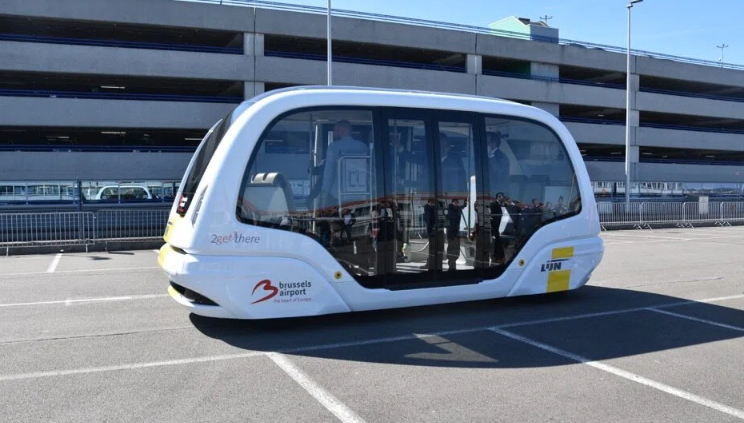
Pilots launched Q1 2025; full U.S. rollout targets 10+ cities by 2026, starting campuses and expanding publicly.
Level 4 systems log 10x fewer incidents via redundancies and AI, per NHTSA-equivalent tests; human error causes 94% of crashes.
Expect $400k-$570k new; KeyChain offers refurbished at half price. Contact abbie@keychainventure.com for quotes.
Intracity last-mile (72% market), campuses, airports; flexible for 12-20 passengers over short, predictable routes.
Full-service: sourcing, upgrades, shipping. Specializing in high-performance buses for autonomy integration.
1. https://bus-news.com/lyft-and-benteler-mobility-to-deploy-autonomous-shuttle-buses/
2. https://market.us/report/autonomous-bus-market/
3. https://www.linkedin.com/pulse/semi-autonomous-fully-autonomous-bus-market-size-application-gexhe
4. https://www.strategicmarketresearch.com/market-report/autonomous-shuttle-market
5. https://www.alliedmarketresearch.com/press-release/semi-autonomous-and-autonomous-bus-market.html
6. https://www.technavio.com/report/autonomous-bus-market-industry-analysis
7. https://www.gminsights.com/industry-analysis/autonomous-bus-market
8. https://www.towardsautomotive.com/insights/autonomous-bus-market-sizing


