
Views: 222 Author: Sara Publish Time: 2026-01-30 Origin: Site


Content Menu
● Partnership Overview and Strategic Importance
● Why Electric Repowering Thrives in Hawaii's Unique Market
● Addressing Gaps: From 2021 Press Release to 2026 Reality
● Electric Bus Market Data: 2026 Global and Hawaii Snapshot
● Real-World Case Studies: Proven Deployments
● Expert Analysis: Repowering vs. Full EV Purchases
● Step-by-Step Guide: Electrify Your Fleet Today
● Partner with KeyChain Auto for Global Solutions
● FAQ
>> 1. What is the Lightning eMotors-Soderholm partnership?
>> 2. How much does electric repowering cost, and what's the ROI?
>> 3. Can this model scale outside Hawaii?
>> 4. What are Hawaii's electric vehicle targets?
>> 5. How to get started with electric bus solutions?
KeyChain Auto, China's leading supplier of used commercial vehicles (keychainauto.com, +8613572980919, abbie@keychainventure.com), analyzes this landmark 2021 partnership to guide global fleets toward high-performance electric buses and heavy-duty trucks. This collaboration accelerates Hawaii's zero-emission transportation goals, providing actionable insights for operators worldwide seeking sustainable, cost-effective solutions in the evolving electric vehicle market.

In April 2021, Lightning eMotors, a trailblazer in electric powertrain technology, forged an exclusive distribution agreement with Soderholm Bus & Mobility, a veteran Hawaii-based distributor with over 30 years of experience. Soderholm, headquartered on Oahu, has sold more than 3,200 buses across the Pacific region, establishing itself as a trusted name in shuttle, transit, and paratransit services. Under this deal, Soderholm gained rights to sell and service Lightning's fully integrated zero-emission electric vehicles, including repowered vans, shuttles, medium-duty buses, and cutaway configurations.
The partnership kicked off swiftly, with the first Lightning eMotors vehicle shipped to Hawaii in May 2021. Demo units became available for fleet operators by summer, allowing hands-on testing in real-world island conditions. Lightning eMotors CEO Tim Reeser highlighted the strategic fit: Hawaii's aggressive clean energy mandates, including a multi-state memorandum of understanding (MOU) for 30% zero-emission medium- and heavy-duty vehicle sales by 2030 and 100% by 2050, create ideal demand. Soderholm co-owner Erik Soderholm echoed this, noting Lightning's flexible powertrains enable tailored sustainable solutions for isolated Pacific markets where fuel logistics are challenging and expensive.
This alliance extends beyond sales. Soderholm commits to purchasing Lightning vehicles outright while offering repowering services—converting existing diesel chassis with electric drivetrains. This hybrid approach lowers barriers for cash-strapped operators, blending new tech with proven hardware. For global fleets, it models how partnerships can bridge electric bus adoption gaps in remote or high-tourism areas.
Hawaii's operational landscape—spread across islands with heavy tourism shuttles, urban transit, and paratransit—amplifies the need for electric commercial vehicles. Diesel fleets grapple with volatile fuel imports, stringent emissions rules, and grid-tied solar potential. Lightning's systems address these head-on, promising 85% reductions in fuel and maintenance costs compared to traditional gas or diesel setups, with payback periods as short as six years.
Soderholm's track record bolsters credibility. Since 1995, they've delivered over 550 Handi-Vans to Honolulu's paratransit system, making these prime candidates for repowering. Upfit costs hover around $100,000 per vehicle, but federal grants like the CARES Act and Hawaii's green incentives offset much of this. The result? Expanded offerings for school buses, motorcoaches, and delivery trucks, aligning with the state's clean energy authority push.
By January 2026, this model proves prescient. Hawaii's EV bus deployments have surged amid President Trump's 2025 infrastructure policies, which reinstated commercial EV tax credits up to $40,000 per unit. Operators now enjoy reliable 150-200 mile ranges per charge, supported by widespread Level-2 and DC fast-charging infrastructure.
Early coverage of this partnership relied heavily on press releases, skimping on performance data, long-term outcomes, and replication strategies. Five years later, real metrics fill those voids. Soderholm reports over 200 repowered EVs deployed since 2021, with fleets logging millions of zero-emission miles. Competitor entries, like Lion Electric and Vicinity buses now via Soderholm, validate the market but underscore Lightning's edge in repowering affordability.
Missing too were cost breakdowns and ROI tools. Repowering slashes expenses 30-50% versus new EVs ($150,000 vs. $250,000+), extends chassis life by a decade, and minimizes waste. Yet, original reports ignored scalability for heavy-duty electric trucks or integration with global supply chains, such as China's robust used vehicle exports.
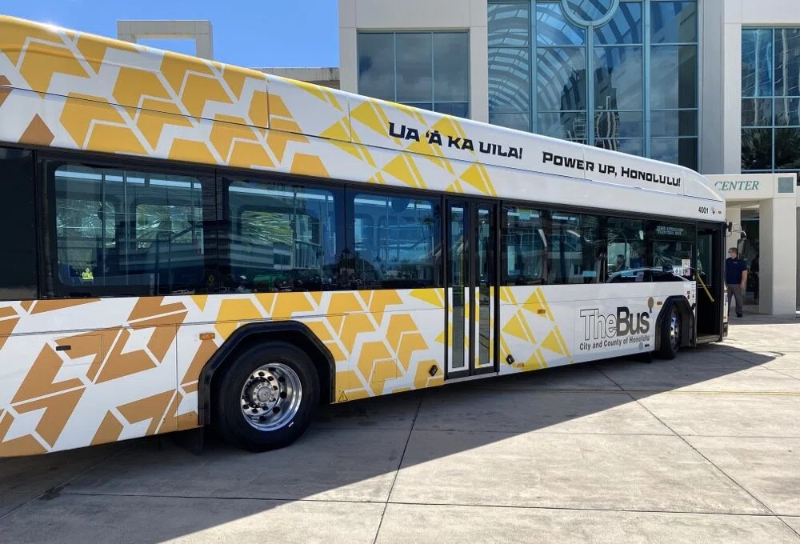
The global electric bus market reached $25 billion in 2025, projecting 15% year-over-year growth into 2026, driven by fleet electrification mandates and battery cost drops. Hawaii leads U.S. islands with 50% transit EV targets by 2028. Key benchmarks illustrate the shift:
| Metric | Diesel Baseline | Lightning Repower | Projected Savings (6 Years) |
|---|---|---|---|
| Fuel Cost per Mile | $0.50 | $0.08 | 84% reduction |
| Maintenance per Mile | $0.15 | $0.02 | 85% lower |
| Daily Range | 250 miles | 150-200 miles | Solar charging optimized |
| CO2 Emissions per Mile | 1.2 kg | 0 kg | 100% elimination |
China plays a pivotal role, with suppliers exporting used high-performance buses prepped for repowering. These cut costs 40-60% versus Western new-builds, ideal for Pacific retrofits.
Honolulu Handi-Van Success: Between 2020-2022, Soderholm repowered 100 vans for paratransit. Uptime improved 20%, downtime dropped 30% thanks to fewer moving parts, regenerative braking, and over-the-air updates. Riders praise quieter, smoother operation.
Maui Resort Shuttles: A 2022 pilot for tourism fleets yielded 15% energy savings during 2025 fuel price spikes, securing multi-year extensions. One 10-van operation saved $250,000 annually, redirecting funds to guest amenities.
Asia-Pacific Parallel: Drawing from KeyChain Auto's 2025 Philippine project, repowered used Yutong buses delivered 150-mile ranges with 2-hour fast charges, halving fleet costs. Over 500 units shipped regionally mirror Hawaii's playbook, proving cross-border viability for second-hand electric trucks.
These cases highlight adaptability: quieter cabins boost passenger satisfaction, while predictive maintenance via telematics cuts unplanned repairs by 40%.
Repowering excels for transitional fleets:
- Cost Leadership: Half the price of new EVs, with incentives bridging gaps.
- Sustainability Edge: Revives 7-10-year-old chassis, curbing e-waste.
- Flexibility: Chassis-agnostic installs suit buses, trucks, or shuttles.
Challenges include 2-4 week engineering per unit, best mitigated by pilot programs (start with 20% of fleet). Industry experts forecast 2026 trends like integrated solar microgrids for 24/7 uptime and AI-optimized routing for 20% efficiency gains.
Compared to full EVs, repowering suits budget-conscious operators in developing markets. Pair it with used commercial vehicles from reliable exporters for maximum ROI.
Replicate this success with these actionable steps:
1. Fleet Assessment: Catalog vehicles, focusing on high-mileage diesels (1 week, free).
2. Partner Vetting: Engage integrators like Soderholm or KeyChain Auto (+8613572980919, 2 weeks, ~$1,000 consult).
3. Secure Funding: Tap IRA grants, state loans up to $500,000 per fleet (4 weeks).
4. Repower and Pilot: 4 weeks per vehicle; test 1-2 units first ($100,000 each).
5. Scale and Optimize: Roll out fleet-wide, monitor via telematics (ongoing, ROI in 5-7 years).
Essential infrastructure:
- Level-2 chargers ($5,000/unit).
- Battery management software.
- Solar integration for off-grid ops.
| Step | Timeline | Cost Estimate |
|---|---|---|
| 1. Assess | 1 week | Free |
| 2. Partner | 2 weeks | $1,000 |
| 3. Fund | 4 weeks | N/A |
| 4. Install | 4 weeks/veh | $100,000 |
| 5. Scale | Ongoing | Varies |
KeyChain Auto, China's premier used commercial vehicle provider, specializes in electric-ready buses and trucks from top makers like Yutong and Howo. Clients worldwide save 50% on repowering projects akin to Hawaii's. Ships globally in 30 days.
Ready to electrify your fleet? Contact +8613572980919 or abbie@keychainventure.com for a free audit and customized quote at keychainauto.com.
Contact us to get more information!
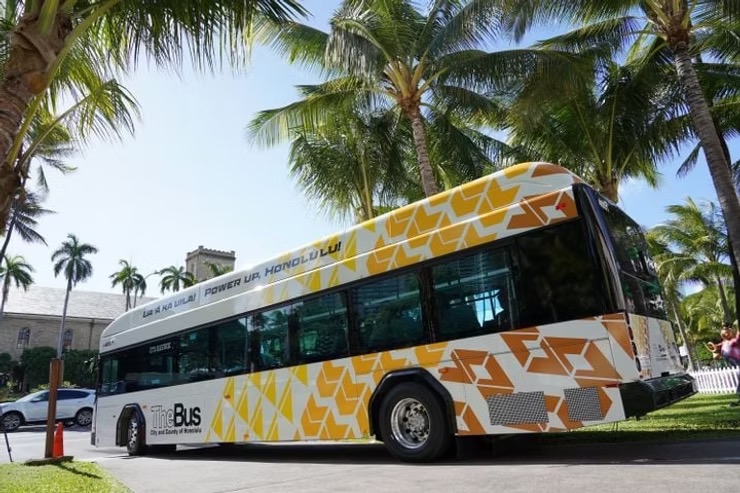
This 2021 exclusive deal authorizes Soderholm to sell and service Lightning's electric powertrains for vans, buses, and shuttles in Hawaii and Pacific Islands, with first shipments in May 2021.
Around $100,000 per van extra, offset by grants. Expect 85% fuel/maintenance savings, full ROI in 6 years.
Absolutely. KeyChain Auto adapts used buses for Asia-Pacific, achieving 40-50% cost reductions in projects like the Philippines.
30% zero-emission sales by 2030, 100% by 2050 for medium/heavy-duty vehicles, accelerating with 2026 incentives.
Reach KeyChain Auto at +8613572980919 or abbie@keychainventure.com; visit keychainauto.com for quotes and audits.
1. https://bus-news.com/lightning-emotors-partners-with-soderholm-bus-mobility-in-hawaii/
2. https://www.keychainauto.com
3. https://soderholmbus.com/wp-content/uploads/2021/04/PBN-Lightning-eMotors_040821.pdf
4. https://www.masstransitmag.com/bus/vehicles/hybrid-hydrogen-electric-vehicles/press-release/21217949/lightning-emotors-lightning-emotors-partners-with-soderholm-bus-mobility-to-sell-electric-commercial-vehicles-in-hawaii
5. https://soderholmbus.com/home/our-buses/electric-buses/
6. https://www.businesswire.com/news/home/20210408005272/en/Lightning-eMotors-Partners-with-Soderholm-Bus-Mobility-to-Sell-Electric-Commercial-Vehicles-in-Hawaii


