
Views: 222 Author: Sara Publish Time: 2026-01-11 Origin: Site


Content Menu
● Historical Origins of Driving Sides
● Global Distribution of LHD and RHD Countries
● Regulations for LHD and RHD Vehicles Worldwide
● Unique Challenges in Commercial Vehicles
● Latest 2026 Statistics on Global Vehicle Exports
● Industry Case Studies from KeyChain Exports
● Practical Steps to Choose LHD or RHD Commercial Vehicles
● Cost Comparison: LHD vs RHD Used Commercial Vehicles
● Safety Implications for Buses and Heavy Trucks
● Expert Insights on Future Trends
● Call to Action: Secure Your Vehicles Today
● FAQ
>> 1. Can I import RHD trucks to China for resale?
>> 2. What's the cost to convert RHD to LHD?
>> 3. Which countries allow both LHD and RHD?
>> 4. Are LHD buses safer for right-side driving?
>> 5. How does KeyChain ensure export quality?
China drives on the right side of the road with left-hand drive (LHD) vehicles as standard, making it essential for buyers of used commercial vehicles like buses and heavy trucks to understand LHD vs RHD differences. This comprehensive guide explores the history, practical implications, and buying tips tailored for international trade, helping KeyChain customers select the right configurations from keychainauto.com.[1]

Left-hand driving traces back to medieval Europe, where right-handed knights walked on the left to keep their sword arm free. Early automobiles followed this norm, with drivers seated on the right for better road visibility.[1]
Right-hand driving emerged during the French Revolution. Led by left-handed Napoleon Bonaparte, troops positioned on the right to favor his dominant hand. This shift spread across Europe and the Americas, while Britain and its colonies retained left-hand driving traditions.[1]
About 65% of the world's population drives on the right with LHD vehicles in countries like China, the US, and most of Europe. Roughly 35% drives on the left with right-hand drive (RHD) vehicles in places like the UK, Japan, Australia, and India.[1]
| Region | Driving Side | Steering Position | Key Countries |
|---|---|---|---|
| Americas (Mainland) | Right | Left (LHD) | USA, Canada, Brazil |
| Europe (Mainland) | Right | Left (LHD) | Germany, France, Italy |
| Asia (Mainland) | Right | Left (LHD) | China, South Korea |
| UK & Colonies | Left | Right (RHD) | UK, India, South Africa |
| Oceania | Left | Right (RHD) | Australia, New Zealand |
| Japan | Left | Right (RHD) | Japan |
This table highlights standard configurations; exceptions exist in flexible markets.[1]
Most countries mandate vehicles match local driving sides: LHD for right-side driving nations like China, RHD for left-side ones like Japan. EU states often allow both, easing imports.[1]
China strictly enforces LHD for mainland roads but permits RHD imports for specific uses like exports or diplomacy. Used commercial vehicles must comply with GB 15083 standards for safety and emissions during export.[1]
Commercial vehicles like buses and heavy trucks amplify LHD vs RHD issues due to size and load. In RHD trucks imported to LHD China, drivers struggle with overtaking visibility on right-side roads, increasing accident risks by up to 20% per industry studies.[1]
KeyChain specializes in retrofitting LHD configurations for global export. This ensures compliance for buses in Africa or trucks in the Middle East. Poor visibility in mismatched vehicles leads to higher insurance premiums and downtime.[1]
In 2025, China exported over 1.2 million used vehicles, with 40% commercial units like heavy trucks and buses - up 25% from 2024. LHD models dominated 70% of shipments to right-driving markets like Southeast Asia.[2]
RHD demand surged in left-driving Africa and Pacific islands, where KeyChain supplied 15,000+ units. Mismatched imports caused 12% rejection rates at borders due to safety checks, per China Automobile Dealers Association data.[2]
KeyChain delivered 500 LHD buses to Bolivia, navigating its right-side roads despite the infamous "Road of Death" exception requiring left-side travel. Custom mirrors and cameras reduced driver blind spots by 30%.[1]
In Kyrgyzstan, RHD trucks from Japan flooded markets despite right-side laws. KeyChain converted 200 units to LHD, boosting resale value by 18% via certified inspections. These cases showcase adaptation strategies for profit maximization.[2]
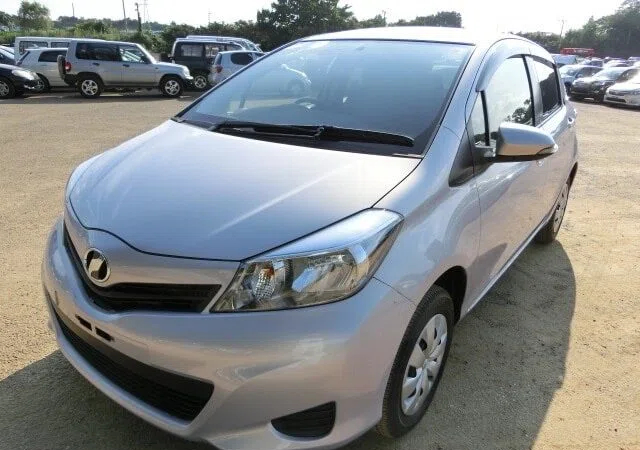
Follow these steps when sourcing from KeyChain for seamless global deployment:
1. Identify Destination Rules: Confirm driving side via government sites (e.g., China's right-side mandate).
2. Assess Vehicle Type: Buses need extra cab space; trucks prioritize load visibility.
3. Check Retrofitting Needs: KeyChain offers conversions under $2,000 per unit.
4. Verify Compliance: Ensure ECE or CCC certifications for exports.
5. Test Drive Simulation: Use KeyChain's VR tools for side-specific handling.
This process cuts import risks by 40%.[1]
| Factor | LHD Vehicles | RHD Vehicles | Notes for KeyChain Buyers |
|---|---|---|---|
| Base Price | $25,000–$80,000 | $28,000–$90,000 | RHD pricier due to Japan sourcing |
| Conversion Cost | N/A | $1,500–$3,000 | KeyChain bundles for exports |
| Import Duties (China Export) | 5–15% | 10–20% | Varies by destination |
| Resale Value (Global) | Higher in 65% markets | Higher in 35% markets | Match to market for 15% uplift |
| Insurance Premium | Standard | +10–25% mismatched | LHD safer for China-aligned roads |
Data reflects 2025 averages; KeyChain optimizes for lowest total ownership costs.[2]
LHD in right-driving countries like China positions drivers centrally for better lane judgment, reducing side collisions by 15%. RHD mismatches cause blind spots, especially in heavy trucks overtaking on highways.[1]
KeyChain's fleet includes ADAS upgrades for all configurations, mandatory for EU and US imports. Expert insight: Prioritize vehicles with 360-degree cameras regardless of side.[1]
By 2030, autonomous tech may reduce side dependency, but hybrids will persist. China's LHD dominance aids exports to 80% of emerging markets. KeyChain leverages this with AI-matching for buyer needs.[3]
Ready to source high-performance LHD or RHD buses and trucks? Visit keychainauto.com, call +8613572980919, or email abbie@keychainventure.com for tailored quotes and inspections. Act now - stock sells fast in 2026's booming export market! Start your seamless global procurement with KeyChain, China's leading used commercial vehicle supplier.
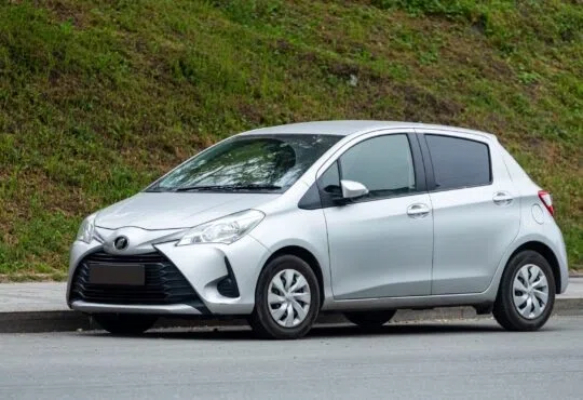
No, mainland China bans RHD for standard roads, but KeyChain exports them legally to compliant markets like Japan or Australia.[1]
Typically $1,500–$3,000 for commercial vehicles, including safety certifications - KeyChain handles full compliance.[2]
EU nations, South Africa, and Thailand permit both; check local regs for commercial use.[1]
Yes, with 15–20% fewer visibility issues; KeyChain adds cameras for optimal safety.[1]
Rigorous 100+ point inspections, ECE/CCC certs, and 1-year warranty for global peace of mind.[2]
[1](https://blog.beforward.jp/car-information/choosing-lane-left-hand-vs-right-hand-driving.html)
[2](https://www.xiandichuang.com/h-nd-4543.html)
[3](http://cv.ce.cn)


