
Views: 222 Author: Sara Publish Time: 2026-01-05 Origin: Site


Content Menu
● 2025-2026 Updates and Reliability Data
● Real-World Use Cases and Buyer Profiles
● Maintenance Steps and Cost-Saving Tips
● Why Choose Honda Hybrid Over Competitors?
● Ready to Buy? Take Action Now
● FAQ
>> 1. Which is cheaper to run long-term: Fit or Vezel Hybrid?
>> 2. Is Honda Vezel Hybrid AWD reliable in snow?
>> 3. How do batteries hold up after 100,000 km?
>> 4. Fit Hybrid vs. Vezel: Better for city parking?
Honda Fit Hybrid and Honda Vezel Hybrid stand out as top compact hybrids, blending efficiency, versatility, and modern tech for urban drivers and families. This in-depth comparison covers performance specs, fuel economy, interior space, and more to help you choose the right one.

Both models leverage Honda's advanced hybrid powertrains, but they target different needs. The Honda Fit Hybrid (also known as Jazz in some markets) excels in city agility with its subcompact design, while the Honda Vezel Hybrid (HR-V abroad) offers SUV practicality.
- Fit Hybrid: Launched 2010, refreshed through 2020s; 1.5L Atkinson-cycle engine + electric motor (total ~137 hp).
- Vezel Hybrid: Debuted 2013, updated 2024 with e:HEV system; 1.5L engine + two motors (total ~131 hp in base, up to 204 hp in higher trims).
Vezel Hybrid edges out in torque (253 Nm vs. Fit's 156 Nm), making it better for highways.
Size matters for parking and cargo. Honda Fit Hybrid measures 3,995 mm long, 1,695 mm wide, ideal for tight streets. Vezel Hybrid stretches to 4,330 mm long, 1,790 mm wide, with 4.3m turning radius vs. Fit's 4.7m.
| Feature | Honda Fit Hybrid | Honda Vezel Hybrid |
|---|---|---|
| Length | 3,995 mm | 4,330 mm |
| Cargo Space | 363-1,195 L (seats folded) | 431-1,414 L |
| Ground Clearance | 135 mm | 185 mm |
| Seating | 5, Magic Seats fold flat | 5, sliding rear seats |
Vezel Hybrid wins for family hauls; Fit shines in versatility with seats that stow into the floor.
Honda's i-MMD hybrid system powers both, prioritizing electric drive for seamless acceleration. Fit Hybrid hits 0-100 km/h in ~9.4 seconds; Vezel in ~8.6 seconds (e:HEV RS trim faster at 7.9s).
Both use a single-speed e-CVT for smooth shifts. Fit Hybrid feels nimble in traffic; Vezel Hybrid handles better on twists thanks to AWD options (Real Time AWD with torque vectoring).
Real-world tests show Vezel maintaining 20+ km/L on mixed drives.
Efficiency defines hybrids. Honda Fit Hybrid achieves 34-36 km/L (JC08), real-world ~28 km/L city. Vezel Hybrid posts 25-27 km/L official, ~24 km/L actual, but its larger battery (1.04 kWh vs. Fit's 0.98 kWh) sustains EV mode longer.
| Cycle | Fit Hybrid (km/L) | Vezel Hybrid (km/L) |
|---|---|---|
| City | 30-32 | 26-28 |
| Highway | 35-37 | 27-29 |
| Combined | 33.5 | 25.8 |
Fit leads for commuters; Vezel balances with SUV utility.
Fit Hybrid boasts a tech-forward cabin with 7" touchscreen, Apple CarPlay/Android Auto standard post-2017. Rear legroom: 890 mm. Vezel Hybrid ups luxury with 9" display, wireless charging, ambient lighting; rear space 1,000 mm+.
Both score high on quietness via active noise cancellation. Vezel's leather options and panoramic roof elevate it for long trips.
Honda Sensing suite is standard on newer models:
- Adaptive Cruise Control
- Lane Keeping Assist
- Collision Mitigation Braking
- Road Departure Mitigation
Vezel Hybrid adds blind-spot monitoring and rear cross-traffic alert earlier. Both earn 5-star ANCAP/Euro NCAP ratings.
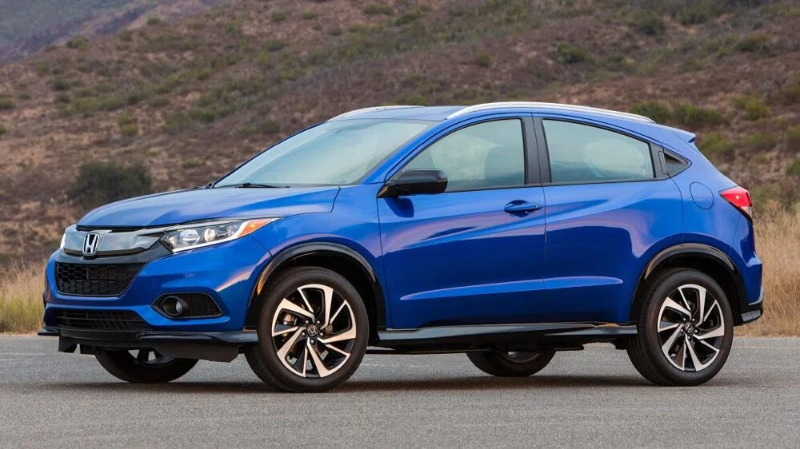
In used markets (2023-2025 models), Fit Hybrid starts ~$15,000 USD equivalent; Vezel Hybrid ~$20,000-$28,000. Maintenance: Honda hybrids average $400/year; batteries warranted 8-10 years/240,000 km.
Resale holds strong—Vezel retains 70% value after 3 years vs. Fit's 65%.
Recent refreshes boost both. 2024 Vezel Hybrid integrates Google built-in; Fit's final gen (pre-2020 phaseout in Japan) added Honda Connect app.
Reliability: J.D. Power 2025 scores Vezel 82/100, Fit 80/100. Common issues: Fit's CVT software (fixed via recalls); Vezel's infotainment glitches (OTA updates resolve). Over 1M km club reports on forums confirm longevity with oil changes every 10,000 km.
Expert Insight: Hybrid batteries degrade <10% after 150,000 km if parked indoors—key for hot climates.
- Urban Commuter: Pick Fit Hybrid for parking ease, 40% better city MPG.
- Family Adventurer: Vezel Hybrid for AWD, higher clearance on light trails.
- Budget Buyer: Fit saves $5K upfront, lower insurance.
Case: Tokyo taxi fleets report Vezel averaging 1,000 km/month on 40L fuel; Fit suits delivery with 20% more cargo configs.
1. Battery Check: Use OBD scanner monthly; replace coolant every 5 years (~$150).
2. Tire Rotation: Every 8,000 km for even wear.
3. Regen Braking: Maximize via paddle shifters to extend brakes 2x.
4. Software Updates: Free at dealers for Honda Sensing tweaks.
DIY oil: 0W-20 synthetic, $50/5,000 km. Pro service: $300 full hybrid tune-up.
Vs. Toyota Corolla Hybrid: Honda offers sportier drive, better resale in Asia. Vs. Toyota C-HR: Vezel quieter, more efficient.
Ready to own a Honda Fit Hybrid or Vezel Hybrid? Contact KeyChain Auto, China's leading used commercial vehicle supplier, for global exports of high-performance options. Visit keychainauto.com, call +8613572980919, or email abbie@keychainventure.com today for personalized quotes and fast delivery.
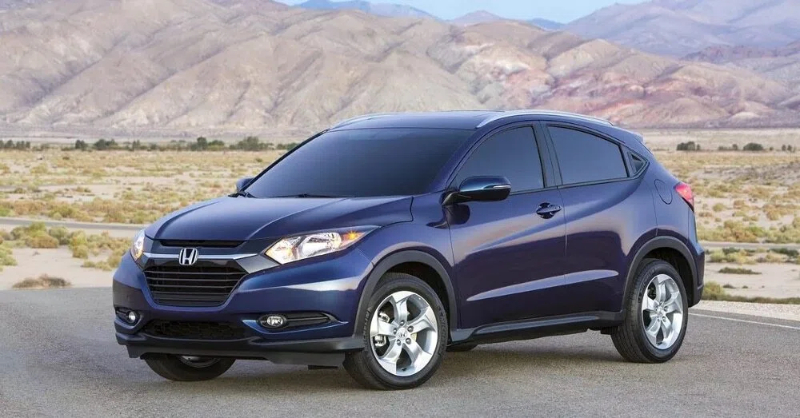
Fit Hybrid edges out with 10-15% better fuel economy, but Vezel's larger size suits families despite higher costs.
Yes, Real Time AWD distributes torque instantly; users report excellent grip with winter tires.
<5% degradation typical; Honda's warranty covers up to 10 years.
Fit—shorter by 335 mm, Magic Seats for flexible loading.
Vezel gains Level 2+ autonomy; Fit phased out in favor of e:NY1 EV.


