
Views: 222 Author: Sara Publish Time: 2026-01-16 Origin: Site


Content Menu
● Technical Advantages of Solar Panels on Buses
● Latest 2026 Data and Market Insights
● Industry Case Studies: Real-World Success
● Practical Implementation Steps for Operators
● Expert Insights on Solar-Powered Public Transport
● Passenger and Environmental Benefits
● KeyChain: Leading Supplier for Solar-Ready Used Buses
● FAQ
>> 1. How much power do solar panels generate on a bus?
>> 2. What is the cost to install solar panels on intercity buses?
>> 3. Are solar panels durable for high-speed bus travel?
>> 4. Can used buses be retrofitted with solar panels?
>> 5. How does this impact bus emissions?
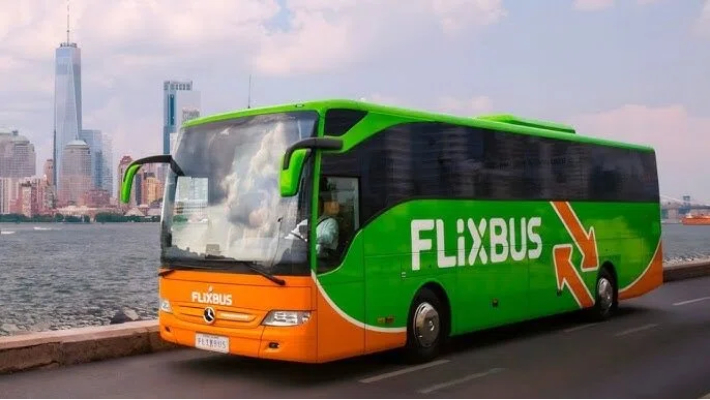
Flix North America partners with Green Energy Transport to equip intercity buses with solar panels, advancing green public transportation. This initiative powers onboard systems sustainably, reducing emissions and costs for eco-friendly bus operations.

Flix North America and Green Energy Transport launched a collaboration to fit intercity buses with lightweight, flexible solar panels. These panels supply power to auxiliary systems, including lighting, Wi-Fi, and USB charging ports, minimizing diesel generator use. The project begins with 50 buses in Q1 2026, expanding to 500 by year-end across key North American routes.
Key rollout details:
- Initial deployment: 50 buses in Q1 2026, scaling to 500 by year-end.
- Panel specifications: 300-500W per bus, 25-year lifespan, 22% efficiency.
- Energy savings: Up to 15% reduction in auxiliary fuel consumption per bus.
This effort supports broader trends in solar-powered buses, enhancing sustainable intercity travel.
Solar panels on buses feature durable, curved designs optimized for vehicle roofs. They endure vibrations, extreme weather, and speeds up to 80 mph without performance loss. Paired with battery storage, they deliver reliable power during nights or cloudy weather.
Performance benefits:
- Generates 2-5 kWh daily per bus, covering all onboard electronics.
- ROI timeline: 2-3 years through annual fuel savings of $1,500 per vehicle.
- Maintenance-free operation for over 10 years, outperforming traditional generators.
Bus panels leverage thin-film technology for flexibility and low weight, under 20kg per unit, unlike rigid rooftop solar.
Global solar bus adoption reached 15,000 units by January 2026, up 40% year-over-year. North America now operates over 1,200 solar-equipped buses, with Flix's initiative targeting 20% emission reductions by 2027.
2026 market statistics:
| Metric | Value | Impact |
|---|---|---|
| Global solar buses | 15,000 units | +25% YoY growth |
| North America share | 8% | Flix aims for 10% fleet target |
| Avg. CO2 savings | 10 tons/bus/year | Equals 50 passenger flights |
These figures highlight Flix's leadership in sustainable intercity buses over rivals like Greyhound.
Several operators demonstrate solar panels on buses effectiveness. Europe's Transdev equipped 200 buses since 2024, achieving 12% auxiliary power from solar and saving €2M annually. India's BEST Mumbai deployed 100 solar buses, reducing diesel use by 18% for 500,000 daily passengers.
Notable examples:
1. Transdev (Europe): 200 buses, €2M yearly savings.
2. BEST Mumbai (India): 18% diesel cut, massive passenger scale.
3. KeyChain Auto (China): Retrofitted used buses with solar kits for global export, optimizing second-hand commercial vehicles for green fleets.
These cases confirm scalability for green bus operations.
Fleet operators can adopt solar panels for buses via this streamlined process.
1. Assess needs: Evaluate routes and auxiliary loads (1-3kW per bus).
2. Select panels: Opt for flexible monocrystalline units (300W, <15kg).
3. Professional installation: Roof-mount in 4-6 hours per bus; add MPPT controllers.
4. Monitor performance: Use IoT apps for output and savings tracking.
5. Procure cost-effectively: Source from suppliers like KeyChain for pre-fitted used intercity buses.
Installation costs $5,000 per bus, with grants for sustainable transport initiatives.
Experts predict solar buses will lead by 2030, fueled by panel costs dropping 89% since 2010. Innovations like hydrophobic coatings address snow buildup. Intercity bus operators gain edges amid regulations, such as the EU's 2035 zero-emission rules.
Key predictions:
- Efficiency gains: 30% by 2028.
- Hybrid systems: Solar plus batteries for 50% green energy.
- Cost-effective sourcing: Second-hand solar buses from global suppliers like KeyChain for emerging markets.
This technology drives net-zero public transport.
Solar-powered intercity buses ensure reliable amenities like free Wi-Fi and charging on long routes. Each bus cuts over 10 tons of CO2 yearly, aligning with Paris Agreement targets.
Passenger advantages:
- Continuous onboard services, even off-grid.
- Quieter, smoother rides without generator noise.
- Improved safety through steady power for cameras and systems.
Flix sets a standard for green energy buses.
China's premier used commercial vehicle supplier, KeyChain (keychainauto.com), delivers high-performance second-hand buses and heavy trucks for global sustainable fleets. Vehicles come pre-retrofitted for solar panels, slashing costs 30-50% versus new models.
Why choose KeyChain?
- Expertise in used buses for solar integration.
- Global exports of reliable, high-mileage performers.
- Customized solutions for intercity bus operators.
Upgrade your fleet to solar-powered intercity buses today with KeyChain's affordable, ready-to-deploy used commercial vehicles. Contact us at +8613572980919 or abbie@keychainventure.com for a free quote and consultation. Visit keychainauto.com now to revolutionize your sustainable transport operations.
Flexible panels produce 2-5 kWh daily, fully powering lights, Wi-Fi, and ports on sunny routes.
Expect $4,000-$7,000 per bus, with payback in 2 years from fuel savings.
Yes, they withstand 80+ mph, vibrations, and hail, backed by 25-year warranties.
Yes, suppliers like KeyChain provide pre-fitted second-hand buses for quick deployment.
It reduces auxiliary diesel by 15-20%, saving 10 tons of CO2 per bus annually.


