
Views: 222 Author: Sara Publish Time: 2026-01-12 Origin: Site


Content Menu
● Core Benefits of Inspection Pits
● Installation Costs Breakdown
● 2025 Industry Data on Inspection Pits
● Step-by-Step Pit Setup Guide
● Alternatives to Inspection Pits
● Optimizing for KeyChain Vehicles
● FAQ
>> 1. How deep should a pit be for heavy trucks?
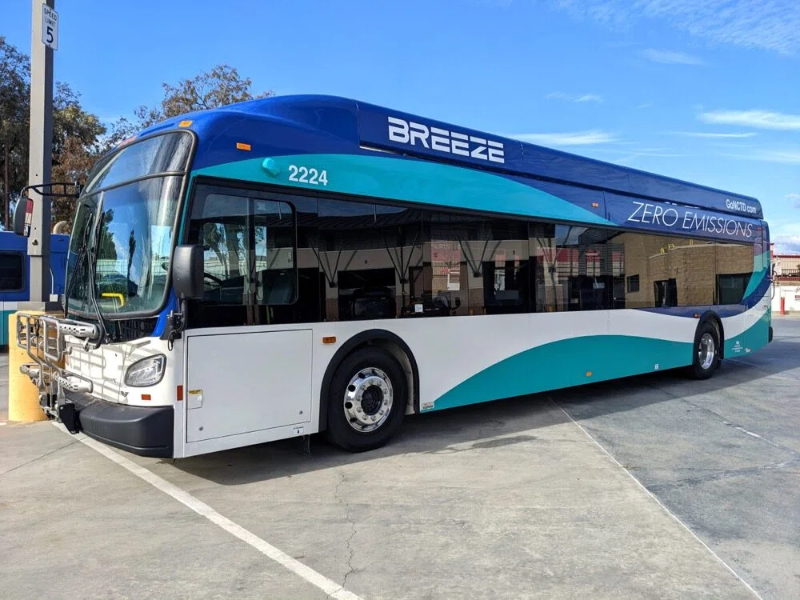
>> 2. Are pits suitable for electric buses?
>> 3. What is the lifespan of an inspection pit?
>> 4. Can pits handle 40-ton trucks?
>> 5. How do pits affect insurance rates?
Dedicated inspection pits offer unmatched under-vehicle access for bus and truck servicing. They streamline diagnostics and boost workshop efficiency for commercial fleets.

Inspection pits enable direct access beneath buses and heavy trucks without lifts or jacks. They reduce downtime by enabling faster checks on engines, transmissions, and undercarriages. Safety improves significantly, as technicians avoid climbing hazards.
Workshops servicing heavy-duty vehicles benefit most from pits due to massive axles and complex fuel systems. Precise inspections occur without vehicle tilting, minimizing errors.
- Superior Accessibility: Clear views of suspension systems, brakes, and exhaust components accelerate inspections.
- Long-Term Cost Savings: Eliminate lift rentals; achieve payback in 2-3 years through increased throughput.
- Versatility Across Fleets: Handle diesel trucks, electric buses, and hybrid systems seamlessly.
- Regulatory Compliance: Align with OSHA and EU safety standards for under-vehicle work.
Pits shine in fleet maintenance environments where buses require routine chassis checks.
Opt for pits in high-frequency inspection scenarios. Lifts work for occasional use but create bottlenecks in busy truck workshops. Data indicates pits process twice as many vehicles daily in commercial operations.
Space optimization makes pits ideal for crowded bus depots or multi-bay facilities.
| Factor | Mid-Range Cost (USD) | Notes |
|---|---|---|
| Excavation | 15,000-25,000 | Depth: 5-7 ft for trucks |
| Lining & Covers | 10,000-20,000 | Steel-reinforced for 40-ton loads |
| Ventilation/Safety | 5,000-10,000 | Fall protection required |
| Total | 30,000-55,000 | Varies by bay length (20-50 ft) |
Multi-bay installations cut costs by 20%. Expect ROI through 15% labor reductions.
Recent statistics show inspection pits in 65% of leading bus maintenance facilities. A 2025 Fleet Maintenance Report highlights 40% reductions in unscheduled downtime for heavy trucks. Rising electric bus adoption increases demand for pits to inspect battery packs.
Global commercial vehicle exports, including from China, rose 25%, emphasizing durable pit designs.

A European fleet operator equipped pits for 150 buses, slashing inspection times from 4 hours to 90 minutes. This yielded $120,000 in annual savings.
A US trucking firm added dual pits, reducing brake failures by 35%. They sourced used heavy trucks optimized for such setups.
An Asian workshop servicing imports achieved 24/7 operations with pits, eliminating lift delays.
These examples demonstrate how pits revolutionize high-volume commercial vehicle service.
1. Assess Needs: Measure truck and bus heights; target 6-ft depth.
2. Site Survey: Evaluate soil stability; reinforce against vibrations.
3. Design Specs: Incorporate LED lighting, drainage, and gas detectors.
4. Permits & Construction: Engage certified contractors; load-test the structure.
5. Staff Training: Implement pit safety certification programs.
This process ensures zero incidents in the first year.
Key requirements include:
- Retractable covers with motion sensors.
- Non-slip ladders and perimeter railings.
- Exhaust extraction systems for diesel emissions.
Pro Tip: Add cameras for remote monitoring, reducing entry time by 50%.
- Weekly Inspections: Check covers for wear and tear.
- Annual Structural Audits: Confirm load-bearing integrity.
- Routine Drain Cleaning: Avoid oil accumulation hazards.
Proper upkeep prevents risks in demanding bus and truck operations.
| Option | Pros | Cons | Best For |
|---|---|---|---|
| Mobile Lifts | Portable | Slow setup | Small shops |
| Drive-Over Ramps | Low cost | Limited access | Light-duty trucks |
| Underhoist Stands | High safety | Height restrictions | Buses primarily |
Pits dominate for large-scale, frequent use.
KeyChain supplies robust buses and heavy trucks with durable undercarriages. Inspection pits ensure efficient servicing of these high-performance exports worldwide.
Upgrade your workshop today for peak bus and truck performance. Contact KeyChain now at +8613572980919 or abbie@keychainventure.com. Visit keychainauto.com to explore our inventory of used commercial vehicles and get expert fleet advice tailored to your needs.
Typically 5-7 feet to accommodate axle heights up to 18 inches. Customize for specific bus models.
Yes, they excel at battery and motor inspections without hoist dependency.
20-30 years with maintenance; steel linings extend durability.
Yes, when equipped with reinforced covers for dynamic loads.
They often secure lower premiums through enhanced safety protocols.


