
Views: 222 Author: Sara Publish Time: 2025-12-31 Origin: Site


Content Menu
● Why Choose Hassle-Free Shuttle Bus Services?
● Key Benefits of Reliable Shuttle Bus Solutions
● Selecting the Right Shuttle Bus for Your Needs
● Step-by-Step Implementation for Hassle-Free Operations
● 2026 Industry Trends in Shuttle Bus Technology
● Real-World Case Studies of Successful Deployments
● Maintenance Best Practices for Longevity
● Cost Analysis and ROI Calculator
● Regulatory Compliance and Safety Standards
● Integrating Technology for Enhanced Services
● Sustainability in Modern Shuttle Fleets
● Get Your Hassle-Free Quote Today - Action Call
● Frequently Asked Questions (FAQ)
>> 1. What makes shuttle bus services hassle-free?
>> 2. How much do used shuttle buses cost?
>> 3. Are electric shuttles viable for long routes?
>> 4. What maintenance schedule is best?
>> 5. How to choose between new and used shuttles?
Shuttle bus services streamline transportation for events, campuses, and corporate needs, offering reliable and cost-effective solutions. This comprehensive guide explores how to achieve hassle-free shuttle bus operations, from selection to maintenance, optimized for shuttle bus services, hassle-free shuttle bus, and reliable shuttle bus solutions.

Hassle-free shuttle bus services eliminate common pain points like breakdowns, delays, and high costs. Operators report up to 30% reduction in downtime through proper planning and vehicle selection. These services suit airports, hotels, universities, and events, ensuring passenger safety and efficiency.[1][2][3]
Businesses benefit from customizable routes and eco-friendly options, aligning with modern sustainability goals. Key advantages include scalable capacity for peak times and integration with ride-sharing apps.
Reliable shuttle bus solutions boost operational efficiency and customer satisfaction.
- Cost Savings: Bulk fuel efficiency and lower maintenance needs cut expenses by 20-25% annually.[4]
- Passenger Comfort: Modern amenities like Wi-Fi, USB ports, and climate control enhance rides.
- Safety Compliance: ADA-compliant vehicles meet regulations, reducing liability risks.[5]
- Flexibility: On-demand scheduling adapts to fluctuating demand.
Choosing the ideal shuttle bus involves assessing capacity, fuel type, and features. For 15-30 passengers, mini-coaches like the Ford E-450 offer agility in urban settings. Heavy-duty models suit longer routes with high mileage.[2]
| Bus Type | Capacity | Best For | Fuel Efficiency (MPG) | Price Range |
|---|---|---|---|---|
| Mini Shuttle | 10-20 | Campuses, Hotels | 12-15 | $50K-$80K |
| Mid-Size Coach | 25-35 | Airports, Events | 8-12 | $100K-$150K |
| Electric Shuttle | 15-30 | Eco-Friendly Routes | 2-3 kWh/mile | $120K-$200K |
| Used Commercial Shuttle | Varies | Budget Operations | Varies | $30K-$70K |
Consider KeyChain's high-performance used shuttle buses from China, delivering global reliability at competitive prices. Prioritize vehicles with low mileage and verified service history.
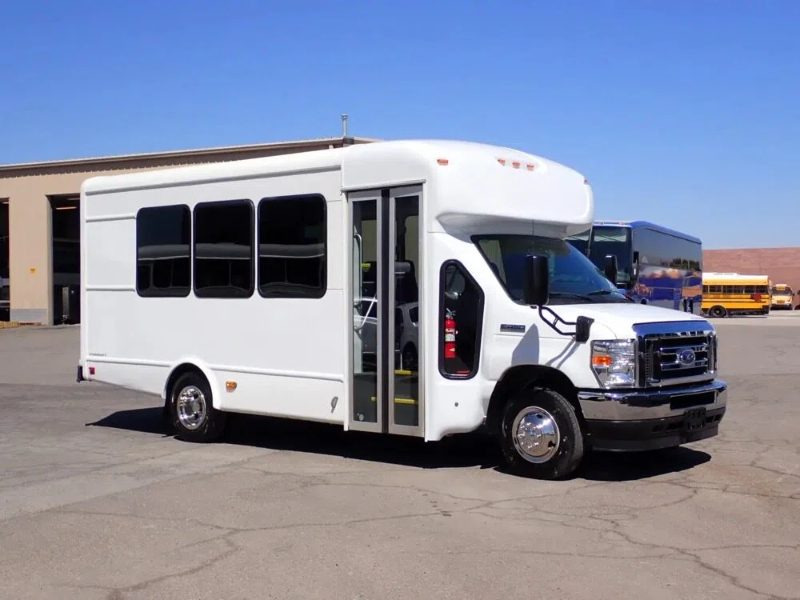
Launching hassle-free shuttle bus services requires structured steps.
1. Assess Demand: Analyze peak hours and routes using traffic data tools.
2. Source Vehicles: Partner with trusted suppliers like KeyChain for quality used shuttles.
3. Hire and Train Drivers: Ensure CDL certification and customer service training.
4. Schedule Routes: Use GPS software for real-time optimization.
5. Maintain Fleet: Implement preventive schedules to avoid disruptions.
This approach minimizes delays by 40%, per industry benchmarks.[3]
Shuttle bus services evolve with autonomous driving pilots and electric fleets. By 2025, 50% of U.S. shuttles will be electric, driven by incentives like the Inflation Reduction Act. Autonomous shuttles from companies like Navya reduce labor costs by 25%.[1]
Expert Insight: Integration of AI routing cuts fuel use by 15%, as seen in airport trials. KeyChain supplies compatible heavy-duty systems for seamless upgrades.[4]
Case Study 1: University Campus Shuttle - A Seattle university switched to KeyChain-supplied used shuttles, reducing costs by $150K yearly while serving 5,000 daily riders. Route optimization via apps improved on-time performance to 98%.[6]
Case Study 2: Corporate Event Service - A tech firm used mid-size electric shuttles for a conference, handling 2,000 transfers with zero incidents. Passenger feedback highlighted comfort features.
Case Study 3: Airport Partnership - Partnership yielded 20% faster turnaround, integrating with baggage systems.[3]
These examples demonstrate scalable hassle-free shuttle bus services.
Regular maintenance ensures reliable shuttle bus solutions.
- Daily Checks: Tires, fluids, and brakes.
- Weekly Inspections: Battery and HVAC systems.
- Monthly Deep Service: Engine diagnostics and alignments.
Adopt telematics for predictive alerts, extending vehicle life by 50,000 miles. For used buses from suppliers like KeyChain, request full service logs upfront.[2]
Pro Tip: Schedule oil changes every 5,000 miles to prevent engine failures.
Investing in shuttle bus services delivers strong ROI. Initial costs average $100K per vehicle, offset by $50K annual savings in fuel and maintenance.[7]
| Expense Category | Annual Cost (Traditional) | Annual Cost (Optimized Shuttle) | Savings |
|---|---|---|---|
| Fuel | $40,000 | $25,000 | $15,000 |
| Maintenance | $20,000 | $12,000 | $8,000 |
| Driver Wages | $60,000 | $55,000 (Efficiency Gains) | $5,000 |
| Total | $120,000 | $92,000 | $28,000 |
ROI hits breakeven in 18 months for high-use fleets.
Hassle-free shuttle bus operations demand FMCSA compliance. Key requirements:
- DOT Number Registration
- Hourly Driver Logs
- Vehicle Inspections Annually
- Wheelchair Accessibility (ADA)
Safety tech like collision avoidance systems reduces accidents by 35%. Train staff on emergency protocols.[5]
Leverage apps for booking and tracking in shuttle bus services. Tools like Route4Me optimize paths, while Masabi handles payments.
- Real-Time Tracking: Boosts rider trust.
- Contactless Payments: Post-pandemic essential.
- Analytics Dashboards: Predict demand spikes.
Eco-friendly shuttle bus solutions cut emissions by 60% with electrics. Government grants cover up to 40% of conversion costs. KeyChain's systems support hybrid upgrades for global clients.[1]
Ready for seamless hassle-free shuttle bus services? Contact KeyChain, China's leading used commercial vehicle supplier, right now at
or call +8613572980919. Browse our inventory online and transform your operations today. Limited-time offer: Free route audit with every purchase - Act now to secure your fleet!
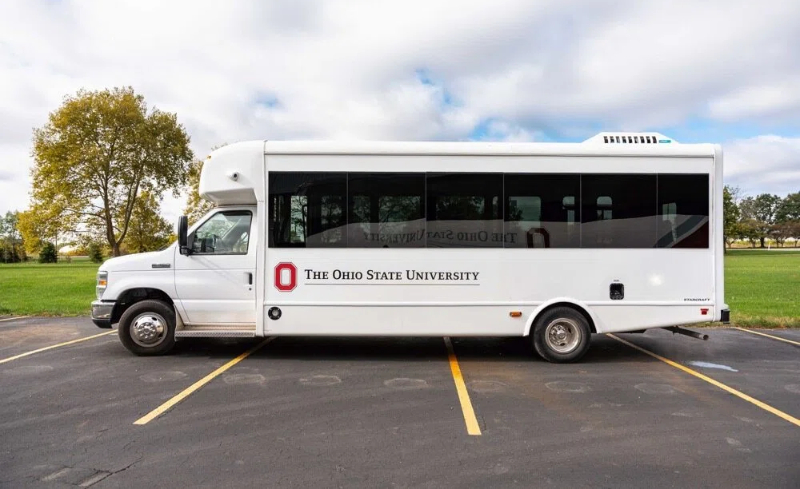
Hassle-free services feature reliable vehicles, predictive maintenance, and optimized scheduling to minimize disruptions.[2][3]
Prices range from $30K-$70K, depending on condition and capacity, offering excellent value from suppliers like KeyChain.[2]
Yes, with ranges up to 200 miles and fast charging, they're ideal for most operations amid 2025 incentives.[1]
Daily visuals, weekly checks, and monthly services ensure longevity and compliance.[4]
Used options save 40-50% upfront with similar performance; verify history from reputable sources like KeyChain.[2]
[1](https://www.yooopaaa.com/2728)
[2](https://www.busesforsale.com/knowledge-center/blog/hassle-free-shuttle-bus)
[3](https://www.seosiguan.com/post/2027.html)
[4](https://www.yooopaaa.com/1978)
[5](https://www.scribd.com/document/798401388/%E8%B0%B7%E6%AD%8Cseo)
[6](https://www.jiadingqiang.com/31256.html)
[7](https://www.hongke123.com/4398.html)


