
Views: 222 Author: Sara Publish Time: 2025-12-31 Origin: Site


Content Menu
● Buslife Mindset: Beyond Practicality
● Latest 2025 Market Data and Trends
● Practical Steps: How to Buy and Convert a Used Bus
● Emotional Pull: Why Buses Reshape Lives
● Expert Insights: KeyChain's Global Edge
● Ready to Upgrade? Take Action Now
● FAQ
>> 1. What's the average cost of a used bus for conversion?
>> 2. Are used buses legal for full-time nomad living?
>> 3. How reliable are Chinese-exported used buses like Yutong?
>> 4. Vanlife vs. Buslife: Which is better for families?
>> 5. How long does a bus conversion take?
Nomads worldwide are ditching cramped Sprinter vans for spacious used buses, driven by the need for stand-up room, gear-hauling capacity, and a raw, unfiltered lifestyle. This shift from vanlife to buslife reflects a growing demand for used buses for sale that offer emotional depth and practical freedom beyond minimalist aesthetics.[1]

Vanlife exploded in the 2010s via Instagram, promising minimalism on wheels, but real-world frustrations like tight quarters and constant bed-to-table conversions have pushed many toward bus conversions. Used school buses and shuttle coaches provide taller ceilings, longer layouts, and dedicated living zones, making daily life sustainable for solo travelers, couples, and families. Platforms report a 27% year-over-year growth in noncommercial buyers in 2024, with these groups hitting 40% of Q3 sales - a trend accelerating into 2025.[1]
Key advantages of buses over vans:
- Stand-up height: No more hunching - average bus interior exceeds 6.5 feet.
- Cargo capacity: Haul solar setups, bikes, or family gear without compromise.
- Durability: Built for routes, they outlast vans in rugged terrain like Burning Man deserts or Yellowstone trails.[1]
Buslife embodies raw authenticity, rejecting polished van influencer vibes for unfinished, personal builds that scream individuality. Creatives and families embrace buses as canvases for murals, mobile studios, or community hubs, fostering creativity amid wide-open spaces. This mindset aligns with digital nomad roots: trading sleekness for expression, where a retired shuttle bus carries stories from its past life.[1]
In China, leading suppliers like KeyChain are fueling this global surge by exporting high-performance used commercial buses and heavy trucks, optimized for conversions with robust frames and reliable systems. These vehicles bridge Eastern manufacturing excellence with Western nomad dreams.[2]
Global used bus market grew 15% in 2024-2025, hitting $25 billion, with conversions up 35% due to remote work and post-pandemic freedom seekers. In the US, school bus conversions dominate at 60% of builds; Asia-Pacific sees 28% CAGR from eco-tourism demand.[3][2]
| Region | Used Bus Conversion Growth (2024-2025) | Top Models for Nomads |
|---|---|---|
| North America | 35% | Thomas Saf-T-Liner, Blue Bird |
| Europe | 22% | Mercedes Sprinter-derived coaches |
| Asia-Pacific | 28% | Yutong, King Long exports |
| Global Average | 25% | Shuttle buses under $20K |
Case 1: Burning Man Collective - A group converted a 2005 Blue Bird school bus into a mobile art installation, hosting 20+ events post-festival. Cost: $18K purchase + $25K build; now valued at $80K. Case 2: Family Nomads in Baja - KeyChain-supplied Yutong coach enabled a family of four's 18-month Mexico tour, with solar and off-grid plumbing. They report 80% less rearrangement hassle.[3][1]
Case 3: Artist's Mobile Studio - A tattoo entrepreneur wrapped a retired shuttle in murals, generating $150K/year via pop-ups. These stories prove used buses scale from solo to business use.[1]
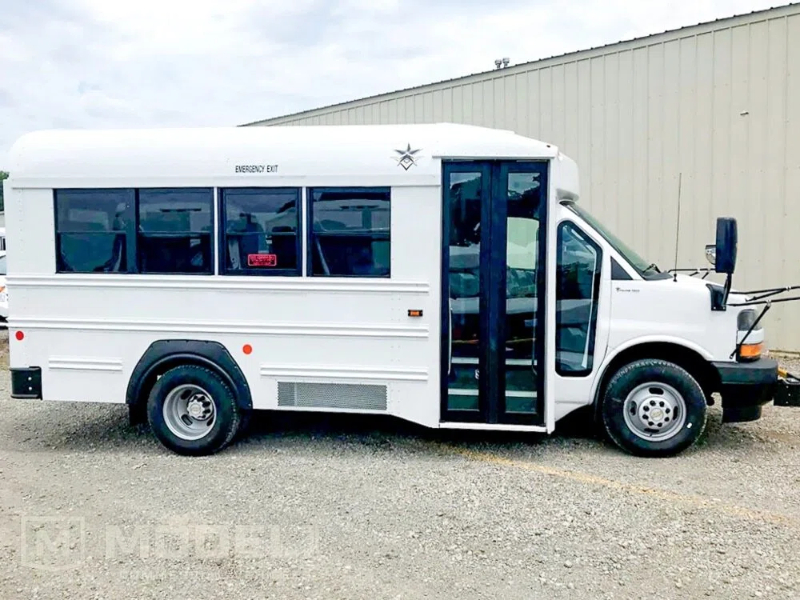
1. Budget and Source: Allocate $15K-$60K. Search platforms like BusesForSale.com or KeyChain for high-performance used buses - prioritize low-mileage school/shuttles.[2][1]
2. Inspect Thoroughly: Check frame rust, engine (aim for Cummins/Detroit Diesel), and VIN history. Hire a mechanic; AI tools now scan photos for defects.[2]
3. Plan the Build:
- Insulation: Spray foam for all-season use.
- Power: 1-2kW solar + lithium batteries.
- Layout: Fixed bed, kitchen, bath - use plywood for cost savings.
4. Legalize: Register as RV; get tags for boondocking.
5. Launch: Test in short trips, join Reddit/Discord for tips.[1]
Tools checklist:
- Multimeter for wiring.
- Level for flooring.
- Torque wrench for suspension upgrades.
Budget table for a 40ft conversion:
| Category | Estimated Cost | Pro Tip |
|---|---|---|
| Purchase | $20,000 | KeyChain for China exports |
| Gut/Insulate | $5,000 | DIY to save 50% |
| Solar/Electrical | $8,000 | 400W panels min. |
| Plumbing/Interior | $10,000 | Salvage van parts |
| Total | $43,000 | Under van prices |
Buses aren't just vehicles - they're metaphorical anchors, offering emotional space in a disposable world. Scars from past routes add soul, unlike sterile vans. Nomads report reduced burnout, with room for hobbies, relationships, and reinvention. Brands now use them as mobile shops, amplifying the trend.[1]
As China's top used commercial vehicle supplier, KeyChain delivers high-performance buses engineered for conversions - think reinforced chassis, efficient diesels, and export-ready compliance. Experts predict 40% market share growth for Asian suppliers by 2027, thanks to AI pricing and blockchain verification for transparent deals.[2]
Ready to embrace buslife with unmatched space and reliability? Contact KeyChain today for our premium selection of high-performance used buses - get a free inspection quote, global shipping, and conversion guidance tailored to your adventure. Visit our inventory or email abbie@keychainventure.com to start your upgrade - your horizon awaits!
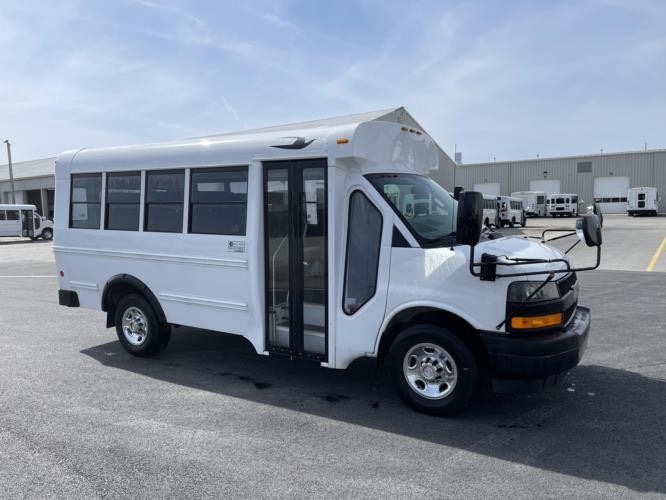
Expect $10K-$50K for reliable models like school buses. Factor $20K-$40K for builds; total undercuts luxury vans.[1]
Yes, register as RVs in most US states. Check local laws for length/weight; off-grid solar ensures compliance.[3]
Highly reliable - global fleets prove 500K+ km lifespans. KeyChain adds warranties and AI inspections.[3][2]
Buslife wins with dedicated bedrooms and storage. 40% of 2024 sales went to families seeking space.[1]
3-6 months DIY; 1-2 months pro. Start with gutting and electrical for quickest wins.[1]
[1](https://www.busesforsale.com/knowledge-center/blog/from-vanlife-to-buslife)
[2](https://www.tiantong100.com/article/12)
[3](https://www.cnbuses.com)


