
Views: 222 Author: Sara Publish Time: 2025-12-31 Origin: Site


Content Menu
● Comfort and Capacity Breakdown
● Cost Analysis: Upfront vs Long-Term Ownership
● Spotting Differences in Listings
● 2026 Industry Trends and Statistics
● Step-by-Step Buying Guide for 2026
● Maintenance and Durability Insights
● Regulatory and Safety Considerations
● Why Choose the Right Vehicle Matters
● Frequently Asked Questions (FAQ)
>> 1. What is the main difference between a bus and a coach?
>> 2. Are coaches more expensive to operate long-term?
>> 3. Can I use a transit bus for charter trips?
>> 4. What should I check when buying a used coach?
>> 5. How do electric buses fit into bus vs coach debate?
Transit buses and motorcoaches serve distinct purposes in passenger transportation, with bus vs coach differences impacting everything from comfort to long-term costs. Understanding these key differences between bus and coach helps operators like churches, shuttles, and charter services select vehicles optimized for their routes.[1]
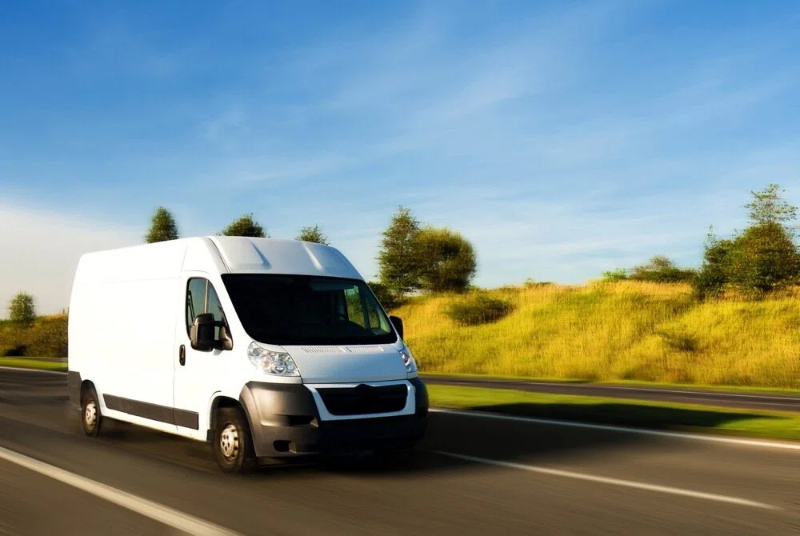
Transit buses excel in urban environments with frequent stops, featuring wide doors, low floors, and standing room for quick passenger turnover. Motorcoaches prioritize long-distance comfort through high-backed reclining seats, luggage bays, and superior suspension.[1]
These designs stem from engineering priorities: transit buses handle high-volume, short trips like city routes or airport shuttles, while coaches manage highway hauls with minimal stops. Ride height differs too - coaches sit higher for stability at speed, unlike low-entry transit models.[1]
Transit buses maximize passenger capacity with bench-style seating for 50+ people, ideal for peak-hour crowds. Coaches focus on fewer passengers in luxury, often 40-55 with reclining seats, armrests, and legroom rivaling airplanes.[1]
| Feature | Transit Bus | Motorcoach |
|---|---|---|
| Seating | Bench, high capacity (50+) | Reclining, ergonomic (40-55) |
| Space per Passenger | Minimal, standing allowed | Ample legroom/headrests |
| Best For | Short urban trips | Long-haul charters |
Onboard amenities set them apart: coaches include restrooms, Wi-Fi, and climate zones, absent in most transit buses.
Motorcoaches carry higher initial costs ($300,000-$600,000 new) due to premium builds, but they endure 500,000+ highway miles with lower maintenance per mile. Transit buses start cheaper ($150,000-$400,000) yet suffer accelerated wear on non-highway use.[1]
2025 Market Data: Used transit buses average $50,000-$150,000, while coaches range $80,000-$250,000, per industry listings. ROI favors coaches for tourism - resale value holds 20-30% better after 5 years due to durable diesel engines.[1]
Fuel Efficiency: Coaches achieve 6-8 MPG on highways; transit buses drop to 4-6 MPG in stop-go traffic.
Buyers often overlook specs. Check for luggage bays (coach hallmark), high-mileage engines (300,000+ miles common), and suspension details like air-ride systems.[1]
- Coach Indicators: Restroom, tinted windows, alloy wheels.
- Transit Indicators: Wheelchair ramps, multiple doors, destination signs.
- Red Flags: Mismatched use - transit bus listed as "tour-ready" without upgrades.[1]
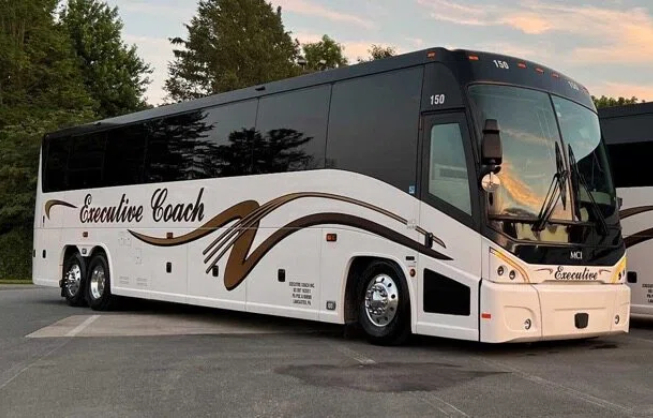
Global demand surges for eco-friendly coaches with electric/hybrid options, projected to grow 15% by 2027. Used market stats: U.S. coach sales up 12% in 2024, driven by charter rebound post-pandemic.[1]
China's Role: Leading exporters deliver high-performance second-hand buses to global fleets, offering 20-40% savings vs. new. Trend: 25% of new coaches now feature ADAS (Advanced Driver Assistance Systems) for safety.[2]
Insert Chart Suggestion: Bar graph comparing 2020-2025 sales volumes for transit vs. coaches (data sourced from industry reports).
Case 1: Church Group Upgrade. A Midwest ministry swapped a 2010 transit bus for a 2015 coach after breakdowns on 200-mile trips. Result: Passenger satisfaction up 40%, maintenance down 25% annually.[1]
Case 2: Shuttle Operator Pivot. Seattle campus service tested coaches for airport runs; fuel costs dropped 18%, despite lower capacity, due to highway efficiency.
Case 3: Export Success. A European tour firm imported refurbished coaches - zero defects in first year, customized for emissions standards.
Follow this 7-step process to avoid pitfalls:
1. Define Use Case: Short routes? Go transit. Long hauls? Choose coach.
2. Set Budget: Factor resale - coaches retain 70% value after 100,000 miles.
3. Inspect Specs: Verify GVWR (Gross Vehicle Weight Rating), engine hours.
4. Test Drive: Check suspension on highways; note vibration.
5. Review History: Demand DOT records, service logs.
6. Negotiate Add-Ons: Request recent tires, AC upgrades.
7. Partner Globally: Source vetted second-hand commercial vehicles from reliable suppliers.[1]
Pro Tip: Use VIN decoders for accident history.
Coaches boast robust chassis for interstate travel, with independent suspension absorbing bumps. Transit buses prioritize accessibility, using simpler leaf springs prone to urban wear.[1]
Annual Costs:
- Transit: $0.25/mile (frequent brakes/tires).
- Coach: $0.18/mile (optimized for distance).[1]
2026 Update: Electric coaches cut maintenance 30% via regenerative braking.
Coaches meet stricter FMVSS (Federal Motor Vehicle Safety Standards) for highway speeds, including ABS brakes, fire suppression. Transit buses focus on ADA compliance for ramps.[1]
Global Angle: Exported Chinese buses comply with ECE R66 rollover standards, easing international sales.
Mismatching leads to breakdowns, unhappy passengers, and sunk costs. Transit for volume; coaches for comfort - align with your operation for peak ROI.[1]
Take Action Now: Ready to upgrade your fleet? Contact KeyChain, China's leading supplier of high-performance second-hand buses and commercial vehicles, for tailored recommendations and global delivery. Email abbie@keychainventure.com or visit keychain.com today to browse inventory and get a free consultation - optimize your operations with proven, cost-effective solutions.[1]
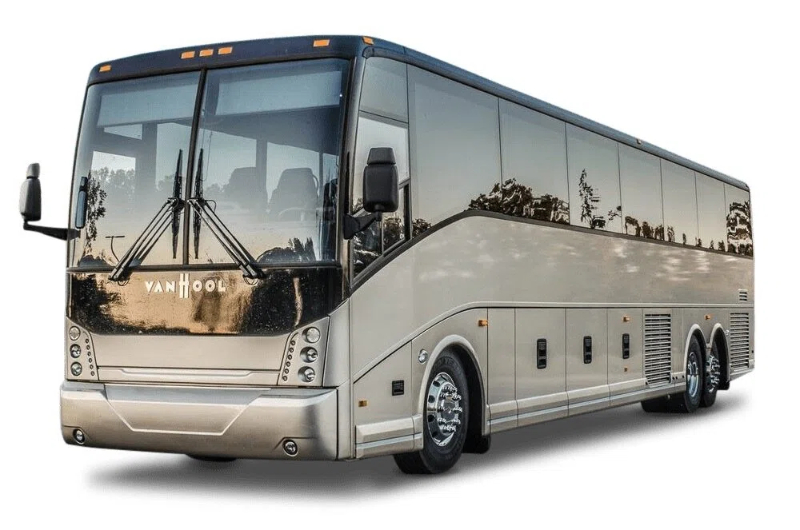
Transit buses prioritize high-capacity short trips with standing room; motorcoaches emphasize long-distance comfort with reclining seats and amenities.[1]
No - coaches offer better fuel efficiency and durability on highways, lowering per-mile costs despite higher upfront prices.[1]
Possible with upgrades, but expect higher maintenance; coaches are engineered for it.[1]
Focus on mileage, luggage bays, restroom condition, and service records.[1]
Emerging hybrids blend both, but coaches lead in long-range EV adoption for 2025.[2]
[1](https://www.busesforsale.com/knowledge-center/blog/bus-vs-coach-10-key-differences)
[2](https://www.seosiguan.com/post/2027.html)


