
Views: 222 Author: Sara Publish Time: 2025-12-31 Origin: Site


Content Menu
● Modern Features and Specifications
● U.S. and Global Usage Trends
● Buying Guide: Key Considerations
● Maintenance and Ownership Costs
● Expert Tips for Global Buyers
● Frequently Asked Questions (FAQ)
>> 1. What is the average lifespan of a double-decker bus?
>> 2. Are double-decker buses legal nationwide in the U.S.?
>> 3. How do electric double-deckers compare to diesel?
>> 4. Can I import a Chinese double-decker to the U.S.?
>> 5. What maintenance is unique to double-deckers?
Double-decker buses have evolved from 19th-century icons to modern high-capacity vehicles ideal for tourism, shuttles, and transit in 2026. This comprehensive guide covers their history, key features, buying considerations, and latest innovations to help buyers make informed decisions.[1]

Double-decker buses originated as horse-drawn carriages in 19th-century London to maximize passenger capacity on narrow streets. The motorized era began in 1907 with the London General Omnibus Company's B-type model, seating 34 passengers at speeds up to 16 mph.[1]
In the U.S., adoption started in the 1920s via the Fifth Avenue Coach Company, importing English models for New York City's premium routes. China entered production in the late 1980s, with early models like the 1991 "Northern" double-decker reaching 95 km/h speeds, 85 seats, and fuel efficiency comparable to single-deckers.[2][1]
By the 2020s, global manufacturers advanced designs for urban and highway use, blending heritage with electric powertrains.
Today's double-decker buses prioritize safety, accessibility, and efficiency. Most models limit height to 13'6" (4.1 meters) for U.S. bridge clearance.[1]
Key lower-deck features:
- Low-floor entry with kneeling suspension
- ADA-compliant ramps and wide doors
- Space for 20-30 passengers plus standing room
Upper-deck highlights:
- Panoramic windows for sightseeing
- Premium reclining seats with entertainment
- Capacity for 40-60 passengers
Advanced tech includes electronic stability control, 360-degree cameras, emergency braking, GPS tracking, and predictive maintenance sensors.[1]
| Feature | Benefit | Example Model |
|---|---|---|
| Electric Range | Up to 150-350 miles per charge | Alexander Dennis Enviro500 |
| Safety Systems | Reduces accidents by 30% | Volvo/MAN hybrids |
| Passenger Capacity | 80-100 total | BYD electric models (China export) |
| Fuel Savings | 25-30% lifetime vs. diesel | Hydrogen variants |
In the U.S., double-decker buses thrive beyond sightseeing. Silicon Valley tech firms deploy them as employee shuttles. Las Vegas and Miami use open-top versions for tours. Private operators rent for events.[1]
Globally, China leads with over 10,000 units in cities like Beijing for high-density routes. Hong Kong's iconic red double-deckers handle daily commutes. Europe's Alexander Dennis models dominate tourism.[2]
Operators report 20-30% higher revenue per trip due to capacity and appeal. In 2025, U.S. adoption grows 15% yearly, driven by tourism recovery.[1]
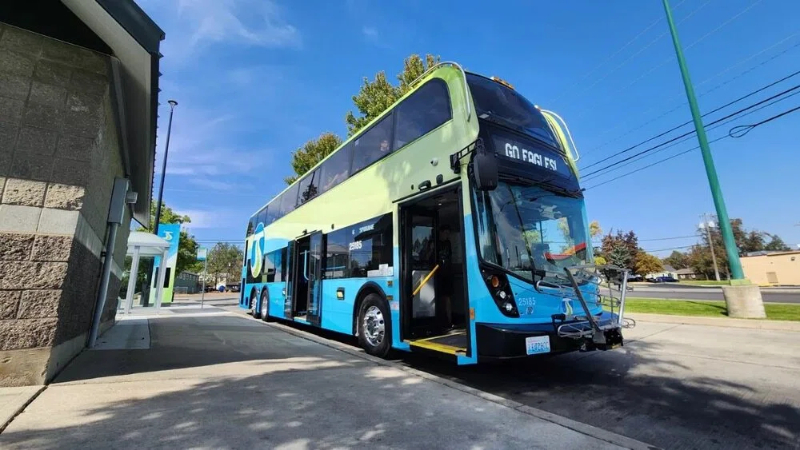
Purchasing a double-decker bus demands thorough evaluation. Start with your operating environment—check local bridge heights (max 13'6"), road widths, and route restrictions.[1]
Costs breakdown (2025 U.S. market):
- Used: $200,000-$450,000
- New diesel: $500,000-$700,000
- New electric: $850,000+ (with 25-30% fuel savings)[1]
Licensing and insurance:
- CDL with passenger endorsement
- DOT number for interstate
- Annual insurance: $10,000-$25,000
- Leasing: $3,500-$5,000/month (5-12% APR)[1]
Steps to buy:
1. Assess needs (capacity, range, electric vs. diesel).
2. Vet sellers—prefer authorized dealers for warranties.
3. Inspect service history, brakes, and electronics.
4. Test drive on intended routes.
5. Secure financing or bulk deals.
Reliable maintenance ensures longevity beyond 500,000 miles. Annual costs average $10,000-$15,000 for fleets.[1]
Routine expenses:
- Oil changes: $300-$500
- Brake inspections: $200-$400
- Full annual service: $2,000-$3,000 (tires, alignments)[1]
Electric models cut costs via regenerative braking and fewer moving parts. Schedule predictive checks using onboard sensors to avoid downtime.
Silicon Valley's Google shuttles use 50+ Enviro500 double-deckers, achieving 98% uptime and 40% lower emissions. Operators note 15% higher employee satisfaction from panoramic views. KeyChain-like suppliers provide refurbished Chinese exports at 20% below U.S. prices, ideal for U.S. fleets.[2]
Sustainability drives 2025 trends: Electric/hydrogen models hit 350-mile ranges with zero emissions. Onboard solar panels supplement power. Modular interiors switch from commuter to tour setups.[1]
Autonomous tech in trials: Lane-keeping and auto-docking reduce driver fatigue. Smart integration optimizes routes, predicts repairs, and tracks passengers in real-time.
As a leading supplier like KeyChain, China offers cost-effective BYD K9 double-deckers with 300km range, exported to U.S./Europe. Features include fast-charging (1 hour) and IP67 waterproofing, undercutting Western prices by 25% while meeting FMVSS standards.[3][2]
Industry data (2025): Global market grows to $2.5B, with electrics at 40% share. U.S. sales up 25% post-2024 incentives.
For U.S. operators, partner with vetted exporters like KeyChain. Advantages:
- High-performance refurbs: 80% new parts, DOT-compliant.
- Customization: Add U.S.-spec brakes, AC.
- Logistics: Sea freight in 4-6 weeks, 15% savings.
Steps:
1. Request VIN-verified history.
2. Third-party inspection.
3. Compliance audit.
This bridges cost gaps—e.g., $350K Chinese electric vs. $900K U.S.
Ready to upgrade your fleet with high-capacity double-decker buses? Contact KeyChain today for tailored quotes, inspections, and global delivery. As China's leading used commercial vehicle supplier, we deliver high-performance buses optimized for U.S. roads. Call +8613572980919 or visit keychainauto.com to explore listings and start your purchase now.[1]
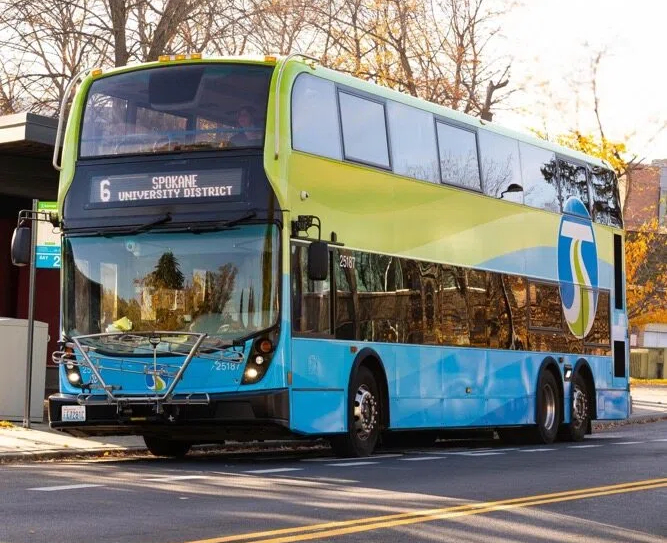
With proper maintenance, 12-15 years or 500,000+ miles. Electrics last longer due to fewer parts.[1]
Yes, if under 13'6" height and compliant with FMVSS. Check state bridge laws.[1]
Electrics save 25-30% on fuel/maintenance, with 150-350 mile range, but upfront cost is higher.[1]
Yes, via suppliers like KeyChain—ensure EPA/DOT certification. Costs 20% less than domestic.[2]
Upper-deck stability checks and ladder inspections; budget extra for height-related tire wear.[1]
[1](https://www.busesforsale.com/knowledge-center/blog/double-decker-bus-history-features-buying-guide)
[2](https://m.chinabuses.com/news/11/article_336.html)
[3](https://whlyj.sh.gov.cn/cysc/20221102/4728f2b823fc4ef790b0132cf85323d0.html)


