
Views: 269 Author: Keychain Venture Publish Time: 2026-06-29 Origin: Site


Content Menu
● Introduction: Why Insurance Group 1 Cars Still Matter
● What "Insurance Group 1" Really Means
● The Core Profile of a Good Group 1 Used Car
● Best Used Insurance Group 1 Cars: Expert Shortlist
● Budget Segments: Matching Your Spend to the Right Car
>> Under £1,000: Entry-Level Daily Transport
>> £1,000–£3,000: Better Comfort, Still Cheap to Insure
>> £3,000–£5,000: Quality and Long-Term Usability
● From ICE to NEVs: How Group 1 Cars Fit into a Long-Term Strategy
● Practical Checklist Before You Buy
● New Sections: Data, Case Insight and Expert Perspective
>> Latest Market Insight: NEV Growth vs. Traditional Used Cars
>> Real-World Example: Small Business Owner Fleet Transition
>> Expert Perspective: Balancing Risk, Cost and Future Readiness
● UX Tips: Making This Information Easy to Use
● FAQs
>> Q1: Are all small cars automatically in insurance group 1?
>> Q2: Which group 1 car is best for a new driver?
>> Q3: Do insurance group 1 cars have weak safety performance?
>> Q4: When should I switch from a group 1 car to an NEV?
>> Q5: Can businesses mix group 1 cars and NEV trucks in one fleet?
When you work every day with high-performance buses, heavy-duty trucks and New Energy Vehicles (NEVs), it is easy to forget that many drivers still need one simple thing: a small, affordable used car that is cheap to insure and easy to live with. As a Chinese exporter focusing on NEVs and commercial vehicles, I often talk to European and UK buyers who need both a low‑cost personal car and a professional fleet solution, so understanding insurance group 1 used cars is part of giving responsible, complete advice.
In this guide, I combine my industry experience with current UK market data to explain what insurance group 1 means, which used cars are worth considering, and how to choose the right vehicle depending on your budget and long‑term mobility plans.
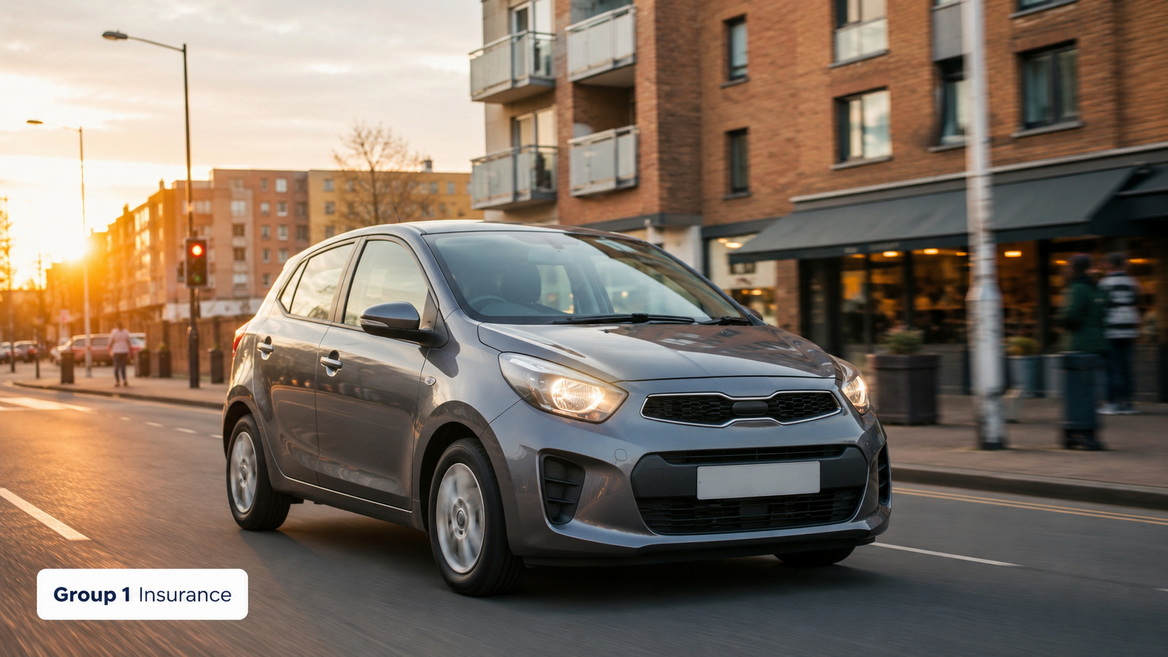
In the UK, every car is placed in an insurance group from 1 to 50, and group 1 is the lowest and usually cheapest to insure. The group is decided by factors such as purchase price, repair costs, safety equipment, and how easy the car is to steal or damage.
For most drivers, a group 1 car offers three core benefits:
- Lower annual premiums, especially for new or younger drivers. - Simpler, cheaper repairs, thanks to small engines and widely available parts. - Predictable running costs, which is important when living expenses and fuel prices are volatile.
If you are planning to invest in NEV buses or trucks for your business, choosing a group 1 daily car can help free up budget and credit capacity for larger fleet projects.
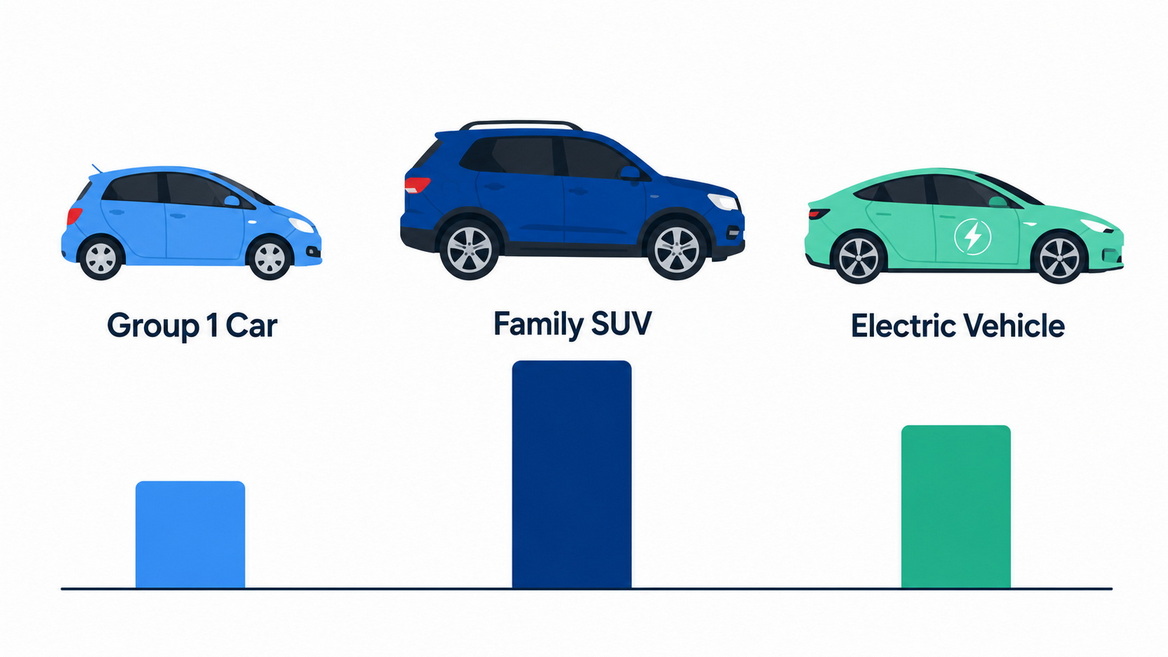
Most of the best insurance group 1 cars share several characteristics that insurers like. From my perspective as an exporter, these are essentially the same attributes that make light-duty vehicles attractive in emerging markets and urban fleets.
Key traits include:
- Small petrol engines (often around 1.0–1.2 litres) with modest power output. - Low purchase price when new and now affordable on the used market. - Good safety record and widely available body parts for quick repair. - Simple technology, meaning fewer expensive electronic faults as the car ages.
From a practical point of view, these cars are ideal as:
- First cars for students or young professionals.
- Second cars in families who already own a larger SUV or MPV.
- City runabouts for business owners who primarily rely on buses or trucks for operations.
Below is a concise shortlist of popular group 1 used cars that appear consistently across UK automotive and insurance guides, with notes on why they work well in real life.
| Model | Why It’s Strong for Group 1 |
|---|---|
| Kia Picanto | Compact, reliable, cheap to insure, good for city driving and new drivers.evanshalshaw+1 |
| Hyundai i10 | Modern interior, low running costs, strong warranty history.cazoo+1 |
| Fiat Panda | Very affordable used prices, practical shape, ideal for tight urban streets.mustard.co+1 |
| Citroën C1 | Simple design, efficient engines, widely available on the UK used market.mustard.co+1 |
| Skoda Citigo | Well‑built, insurance group 1 in key trims, good safety reputation.mustard.co+1 |
| Volkswagen Polo | More “grown‑up” feel with small engines still qualifying for group 1.cazoo+1 |
| Nissan Micra | Easy to drive, inexpensive to maintain, common choice for learners.gumtree+1 |
| Ford Ka+ | Compact footprint, low‑cost parts, familiar to UK garages.cazoo+2 |
When I talk to UK buyers who operate mixed fleets—for example, NEV buses for public routes and small used cars for supervisors—the Kia Picanto, Hyundai i10 and Skoda Citigo tend to be the most requested because they balance comfort with ultra‑low insurance cost.
A practical way to choose the right group 1 car is to start from your budget range, then look for the best model available in that band.
In this bracket, Fiat Panda and some older Citroën C1 models stand out.
- They offer basic but reliable transport if you accept higher mileage and cosmetic wear. - Ideal if you are saving for a larger investment, such as an NEV or a property purchase.
For many buyers focused on business expansion, this ultra‑budget segment is a temporary solution before upgrading to a newer car or switching entirely to an electric vehicle.
This range opens up more modern options like the Citroën C1, Kia Picanto, and early Hyundai i10 models.
- You gain air conditioning, better safety features and lower risk of major repairs. - Insurance usually remains firmly in group 1 for the right trims and engine sizes.
If your business depends on punctuality—visiting clients, inspecting vehicles, managing logistics—this is often the sweet spot where you get reliability without overspending.
In this band, the Skoda Citigo, newer Hyundai i10, and Volkswagen Polo with group 1 engines become accessible.
- You can expect better crash protection, more refined interiors and lower noise levels. - These cars are easier to keep for 5–7 years, especially with regular servicing.
For fleet managers or small-business owners already planning to add NEV buses or trucks in the next few years, it makes sense to choose a higher‑quality group 1 car that can stay in service while you redirect major capital into commercial vehicles.
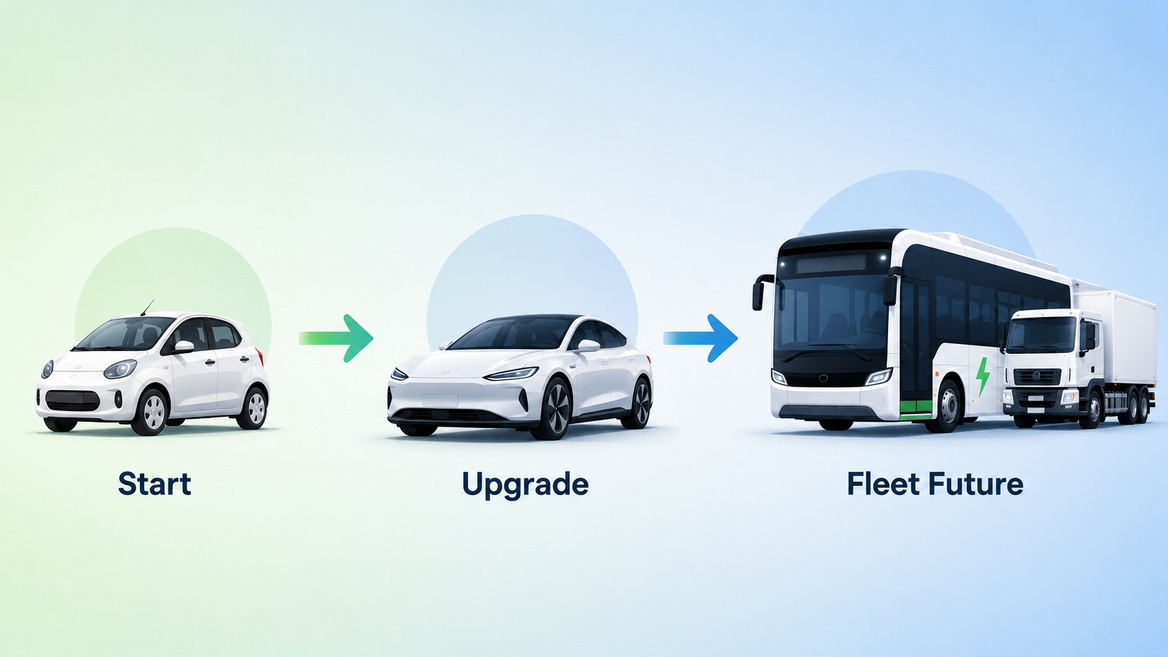
As a company exporting New Energy Vehicles from China, I see group 1 cars as a bridge solution between traditional internal‑combustion engines and fully electric fleets. UK and European buyers often follow a staged path:
1. Phase 1 – Low insurance, low cost: Start with a group 1 used car to stabilise personal transport costs.
2. Phase 2 – First NEV purchase: Add an electric hatchback or hybrid SUV for daily use, while keeping the group 1 car as backup or for younger drivers. 3. Phase 3 – Commercial NEV integration: Introduce electric buses or heavy‑duty trucks for routes or logistics, using experience from smaller EVs to manage charging and maintenance.
This progression spreads risk and makes it easier to convince stakeholders—family members, partners, or board directors—that electrification can be cost‑effective and reliable.
Based on feedback from drivers and fleet managers we work with, here is a practical checklist you can follow when choosing a group 1 used car.
1. Confirm the insurance group
- Use reputable insurance comparison sites or official listings to verify the specific trim and engine are truly in group 1.
2. Check mileage and service history
- Prioritise cars with regular servicing, stamped records, and clearly documented repair work.
3. Inspect common wear points
- Look for rust, suspension noise, clutch feel, and braking performance in a test drive.
4. Assess safety equipment
- Confirm working airbags, ABS, and proper tyre condition; these elements influence real‑world safety more than insurance band alone.
5. Plan your exit strategy
- Decide whether the car is a 3‑year bridge before moving to an NEV, or a longer‑term solution; this affects how much you should spend on purchase and repairs.

Recent data from the China Association of Automobile Manufacturers shows that China exported over 1.2 million NEVs in 2023, a 77.6% increase from the previous year. At the same time, traditional small petrol cars like the ones in insurance group 1 remain important in mature markets such as the UK because they offer low upfront costs and simple maintenance.
For buyers, this creates a dual reality:
- In the short term, group 1 cars are still one of the cheapest ways to get on the road. - Over the medium term, NEVs increasingly outperform on total cost of ownership, especially where charging infrastructure and incentives are strong.
Consider a small delivery business in a UK city:
- The owner initially runs two group 1 cars (for admin and light delivery) and one used diesel van. - As fuel costs rise, they replace the van with a Chinese NEV light truck, while keeping the group 1 cars as low‑insurance back‑ups. - After validating charging routines and maintenance, they gradually add an electric minibus to serve corporate shuttle contracts.
From our experience, this phased approach makes banks and insurers more comfortable, because the company demonstrates responsible risk management rather than sudden large‑scale fleet change.
From an industry standpoint, the smartest strategy is not to choose between group 1 cars and NEVs, but to combine them according to your stage of growth and cash flow.
- Use group 1 used cars to minimise immediate insurance and purchase costs, especially for new drivers or staff who only travel short distances. - Begin planning for NEV adoption at least 2–3 years in advance, mapping charging locations, grid capacity, and total fleet requirements. - Work with specialist exporters and local dealers who can provide both vehicle sourcing and after‑sales support, reducing operational risk.
This blended strategy is what we see among many successful operators in Europe, Southeast Asia and South America.
To maximise user experience if you publish this guide on your website:
- Use bold text for key models, price bands and action steps, so readers can scan quickly.
- Break sections with H2 and H3 headings that clearly describe the content, such as "Best Group 1 Cars Under £3,000" or "How Group 1 Cars Fit into Your NEV Plan". - Insert a comparison table (like the one above) near the top of the article, as many users need a quick overview before reading detail.
If you are considering upgrading your transport strategy, start with two concrete steps:
1. Choose your ideal insurance group 1 used car based on budget, mileage and safety, using the checklist above.
2. Schedule a consultation with a specialised NEV exporter like us (KeyChain) to explore how electric buses and heavy‑duty trucks can reduce your long‑term operating costs and emissions.
By combining low‑insurance personal cars with future‑ready NEV fleets, you build a transport system that is both cost‑efficient today and competitive tomorrow.
No. Some small cars fall into groups 2 or 3 depending on engine size, trim level and safety features, so always verify the exact model and specification before purchasing.
Models like the Kia Picanto, Hyundai i10, and Nissan Micra are popular for new drivers thanks to compact size, easy handling and low running costs.
Not necessarily. Many modern group 1 cars include airbags, ABS and strong crash structures; the low group mainly reflects cost and risk, not poor safety.
A good moment is when you can access reliable charging options and when local incentives or low‑emission zones make NEVs clearly cheaper over 3–5 years.
Yes. Many operators run cheap‑to‑insure small cars for admin and supervision alongside electric buses or trucks for core operations, spreading risk and optimising total cost.
1. Evans Halshaw – "Best used cars in insurance group 1"
https://www.evanshalshaw.com/blog/best-used-cars-in-insurance-group-1/
2. MoneySuperMarket – "Car Insurance Group 1"
https://www.moneysupermarket.com/car-insurance/groups/group-1/
3. Mustard – "Insurance Group 1 cars explained"
https://www.mustard.co.uk/car-insurance-guides/insurance-group-1-cars/
4. Cazoo – "8 Best Used Cars with Lowest Insurance Group Ratings"
https://www.cazoo.co.uk/advice/cars/Best-Group-1-Insurance-Used-Cars/
5. Gumtree – "10 Best Group 1 Insurance Cars UK"
https://www.gumtree.com/info/cars/best-cars/best-group-1-insurance-cars-uk/
6. HPL Motors – "Which used cars are cheapest to insure"
https://www.hplmotors.co.uk/blog/which-used-cars-are-cheapest-insure
7. The AA – "Best used lowest-insurance-groups cars"
https://www.theaa.com/cars/advice/best-cars/best-lowest-insurance-groups-cars
8. China. org. cn – "Charging ahead: Chinese NEV firms sprint toward global expansion"
http://english.scio.gov.cn/m/in-depth/2024-02/06/content_116989282.htm
9. KeyChain – "China New Energy Vehicles Exporter & Supplier"
https://www.keychainauto.com/new-energy-vehicles.html
10. Search Engine Land – "An SEO guide to understanding E-E-A-T"
https://searchengineland.com/guide/google-e-e-a-t-for-seo
11. SEOAuthori – "Google E-E-A-T: What Is It & How To Demonstrate It For SEO"
https://www.seoauthori.com/en/blog/google-eeat-demonstrate-for-seo


