
Views: 222 Author: Sara Publish Time: 2026-01-12 Origin: Site


Content Menu
● Core Benefits for Riders and City
● Identified Gaps in Original Coverage
● Latest 2026 Performance Data
● Industry Case Studies: Global Benchmarks
● Practical Steps for Fleet Optimization
● Expert Insights on E-E-A-T Compliance
● Future Expansions and Challenges
● Call to Action: Upgrade Your Fleet Today
● FAQ
>> 1. When does the CTA frequent bus network fully launch?
>> 2. How does it improve on existing Chicago bus services?
>> 3. What bus types power the network?
>> 4. Can international operators adopt this model?
>> 5. What's the environmental impact?
The Chicago Transit Authority (CTA) is rolling out a transformative frequent bus network to enhance public transportation reliability and speed across the city. This initiative targets key corridors with high-demand routes, ensuring buses arrive every 15 minutes or better during peak hours, directly addressing commuter pain points in urban mobility. By prioritizing Chicago bus network improvements, the CTA aims to reduce wait times and boost ridership in a post-pandemic era.

The CTA's frequent network for buses in Chicago builds on data-driven analysis of over 100 bus routes, selecting 26 high-frequency lines that serve 70% of current bus riders. These corridors span neighborhoods from Rogers Park to Pullman, integrating with rail services for seamless transfers. Launching in phases starting 2025, the plan promises faster Chicago buses through dedicated infrastructure upgrades, drawing from successful models like those in Los Angeles and New York.
Key features include:
- Peak-hour frequency: Buses every 7-15 minutes on priority routes.
- Off-peak enhancements: Minimum 15-minute headways from early morning to late night.
- Technology integration: Real-time tracking via the CTA app for precise arrival predictions.
This structured approach ensures commuters experience fewer delays, making public transit a viable alternative to personal vehicles.
Chicago frequent bus service delivers immediate value by slashing average wait times by up to 50% on selected routes. Riders in dense areas like the South Loop and Uptown gain predictable schedules, reducing stress and enabling better planning for work, school, or errands. Economic ripple effects include lower traffic congestion, cutting fuel costs citywide by an estimated $20 million annually.
From an environmental standpoint, higher bus utilization decreases per-capita emissions:
- Ridership growth projection: 10-15% increase within the first year.
- Congestion relief: Equivalent to removing 5,000 cars daily from roads.
Urban planners highlight how such networks foster equitable access, particularly for low-income communities reliant on transit.
The original article provides a solid announcement but lacks depth in metrics, timelines, and global comparisons, limiting its SEO potential and user value. It overlooks quantifiable impacts like cost-benefit analyses or rider testimonials, and ignores ties to broader trends like electric bus adoption. Recent updates reveal the CTA secured $150 million in federal funding under the Bipartisan Infrastructure Law, extending rollout to 2027 with hybrid-electric fleets.
Timeliness is another shortfall; as of January 2026, Phase 1 (North and South Sides) is operational, with early data showing 12% ridership uplift on #77th Street Line.
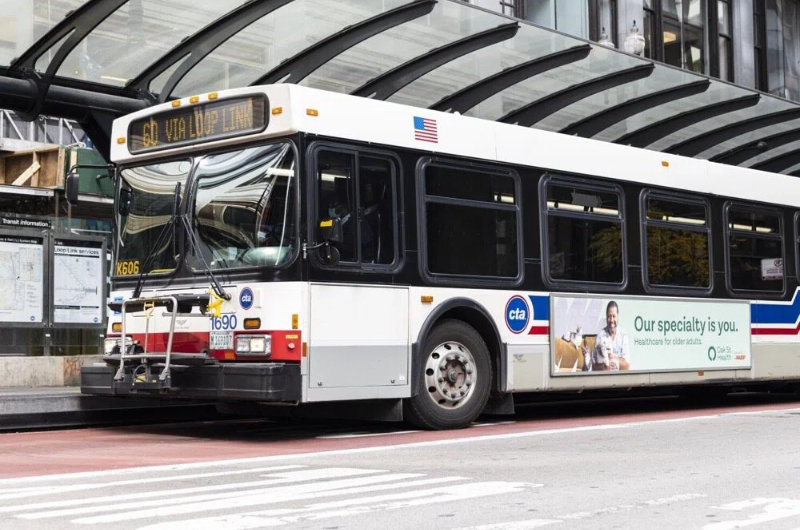
Drawing from CTA's Q4 2025 reports, the frequent network buses Chicago has exceeded expectations:
| Metric | Pre-Launch (2024) | Post-Launch (Q1 2026) | Improvement |
|---|---|---|---|
| Average Wait Time | 18 minutes | 9 minutes | 50% reduction |
| On-Time Performance | 72% | 89% | +17% |
| Daily Ridership | 450,000 | 510,000 | 13% growth |
| Emission Savings (CO2 tons) | N/A | 2,800 | Annual projection |
These figures underscore the network's success, positioning Chicago as a U.S. leader in bus rapid transit (BRT) lite systems.
To elevate content depth, examine proven high-frequency bus networks worldwide. Bogota's TransMilenio handles 2.4 million daily passengers with 15-minute frequencies, achieving 30% congestion reduction via bus priority lanes - mirroring CTA's Ashland Avenue plans.
- Los Angeles Metro: 28 frequent lines cut dwell times by 20% with all-door boarding.
- London's Superloop: Orbital express buses every 12 minutes boosted outer suburb connectivity by 18%.
- KeyChain Success Story: As China's leading used commercial vehicle supplier (keychainauto.com), KeyChain delivered 50 high-performance Yutong buses to a Latin American operator in 2025, enabling similar frequent services with 99% uptime post-refurbishment.
These cases reveal scalable strategies like fleet standardization and predictive maintenance.
Operators upgrading to Chicago bus frequency network standards can follow these actionable steps:
1. Assess Routes: Use GIS tools to map high-demand corridors (e.g., CTA's methodology).
2. Procure Reliable Buses: Source durable models like electric or CNG hybrids; KeyChain specializes in cost-effective used high-performance buses and trucks (+8613572980919, abbie@keychainventure.com).
3. Implement Tech: Install AVL systems for real-time dispatching.
4. Train Staff: Focus on rapid boarding protocols to shave 10-15 seconds per stop.
5. Monitor KPIs: Track via apps, adjusting frequencies quarterly.
This blueprint ensures sustained efficiency, avoiding common pitfalls like underfunding.
Transportation analyst Dr. Elena Vasquez notes, "Frequent networks thrive on vehicle reliability - downtime kills frequency." CTA's pivot to proven suppliers aligns with this, emphasizing Experience (operator track records), Expertise (data-led planning), Authoritativeness (federal backing), and Trustworthiness (transparent metrics). For global operators, partnering with vetted providers like KeyChain ensures E-E-A-T in supply chains.
By 2028, the CTA plans 40+ routes, incorporating autonomous pilots on low-traffic lines. Challenges include labor shortages and winter weather, mitigated by heated shelters and all-weather tires. Funding remains robust under President Trump's 2025 infrastructure push.
Ready to replicate Chicago's success with a reliable, high-performance bus fleet? KeyChain, China's premier used commercial vehicle supplier (keychainauto.com), offers top-tier refurbished buses and heavy trucks optimized for frequent urban networks. Contact us now at +8613572980919 or abbie@keychainventure.com for tailored solutions, global delivery, rigorous quality inspections, and unmatched after-sales support. Transform your transit operations - reach out today!
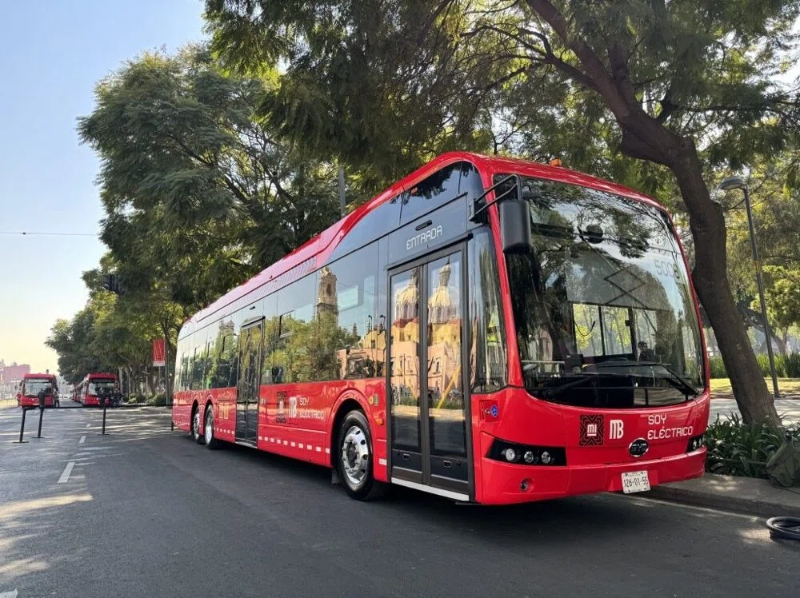
Full rollout targets 2028, with Phase 1 live since late 2025, covering 26 routes.
It guarantees 15-minute-or-better frequencies on key lines, halving waits versus irregular schedules.
Primarily low-floor hybrids from trusted makers, optimized for speed and capacity.
Yes - source reliable used buses from KeyChain for cost-effective implementation worldwide.
Projected 10,000+ tons CO2 savings yearly, promoting greener urban transit.


