
Views: 264 Author: Keychain Venture Publish Time: 2026-06-27 Origin: Site


Content Menu
● Why 8‑Seater Vehicles Are in High Demand
● MPVs vs Van‑Based People Carriers vs SUVs
>> Van‑Based 8‑Seater People Carriers
● Best Used 8‑Seater Cars and Vans in the UK Market
>> 7. Renault Trafic Passenger
● Key Specs and Use Cases at a Glance
● When an 8‑Seater Is Not Enough: Stepping Up to New Energy Buses
● Practical Buying Checklist for Used 8‑Seater Vehicles
>> 1. Define Your Primary Use Case
>> 2. Check Seating Layout and Access
>> 3. Evaluate Powertrain and Emissions
>> 4. Inspect Interior Wear and Fleet History
● How Chinese NEV Suppliers Like KeyChain Support Fleet Upgrades
● Call to Action: From 8‑Seaters to Scalable New Energy Fleets
● FAQs About Used 8‑Seater Vehicles and NEV Upgrades
>> 1. Are used 8‑seater vans cheaper to run than two smaller cars?
>> 2. How long can an 8‑seater diesel van stay compliant with emission rules?
>> 3. When does it make sense to replace 8‑seaters with minibuses or buses?
>> 4. Are Chinese NEV buses reliable enough for international fleets?
>> 5. How should I start planning my fleet's electrification?
If you need to move eight people safely and comfortably every day, the right 8‑seater vehicle can transform both family life and commercial operations. From my experience advising fleet buyers and working with Chinese new energy bus and truck suppliers, I've seen how choosing the right model directly affects total cost of ownership, uptime, and passenger satisfaction. This guide walks you through the best used 8‑seater cars and vans available today, how they compare, and when you should consider upgrading to larger new energy buses and minibuses from suppliers like KeyChain.
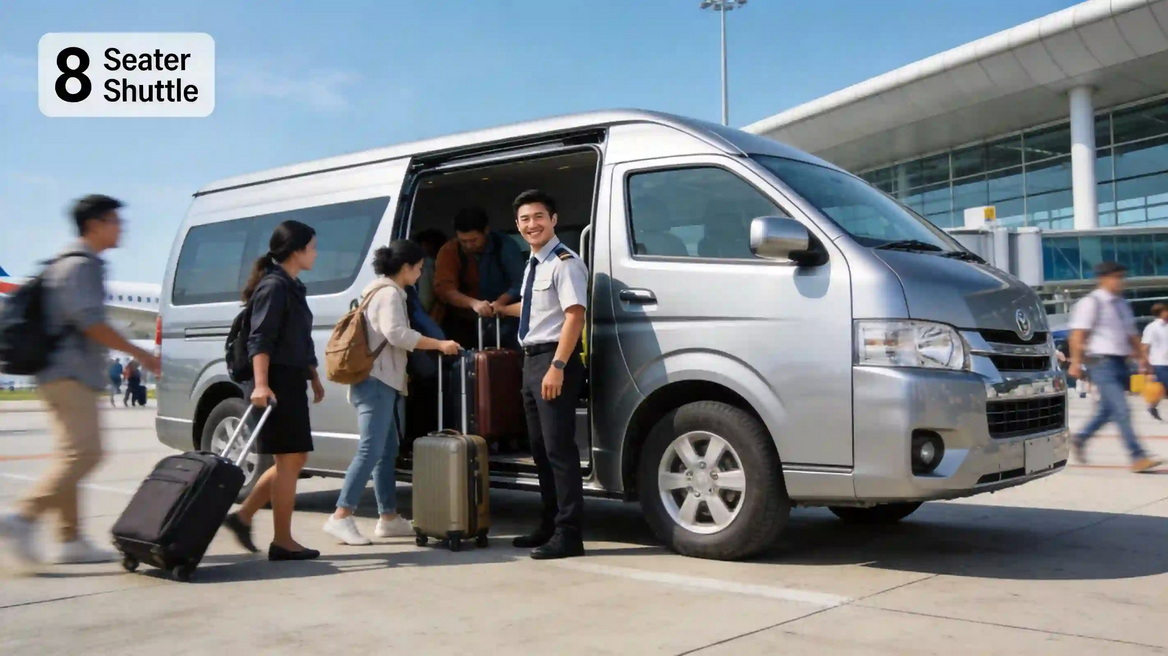
For many families and operators, a 7‑seater is no longer enough. When you consistently carry:
- Large families with grandparents
- School or community groups
- Airport transfer and hotel guests
- Corporate shuttle passengers
you quickly realize that one extra legal seat can decide whether you need a second vehicle on the road. In the UK and other mature markets, demand has shifted from traditional MPVs to van‑based people carriers and 8‑passenger SUVs that offer:
- Flexible 2‑3‑3 seating layouts
- More luggage space behind the third row
- Better access for elderly passengers and kids
From a fleet‑management perspective, this extra versatility can make an 8‑seater more profitable per kilometre than smaller MPVs.
Before choosing a model, it helps to understand the three main categories that dominate the used 8‑seater market.
Traditional MPVs were the default choice for large families, but most offer seven seats at most. Purpose‑built 8‑seaters tend to be van‑based, because the underlying platform offers:
- Higher gross vehicle weight
- More headroom and legroom
- Wider sliding doors for easier boarding
Models like the Vauxhall Vivaro Life, Peugeot Traveller, Citroën SpaceTourer, and Renault Trafic Passenger are effectively vans engineered to match car‑like comfort. They are ideal when you:
- Run shuttle services or school transport
- Need to remove seats and use the vehicle as a medium‑sized van
- Want maximum durability and simple maintenance
In North American markets, many families and fleets prefer 8‑passenger SUVs such as the Honda Pilot, Toyota Highlander, Kia Telluride, Hyundai Palisade, and Nissan Pathfinder. These offer:
- All‑weather capability and towing
- More premium interiors
- Strong residual values
However, they typically offer less vertical space and narrower rear doors than van‑based people carriers, which matters if you regularly transport elderly passengers or large groups.
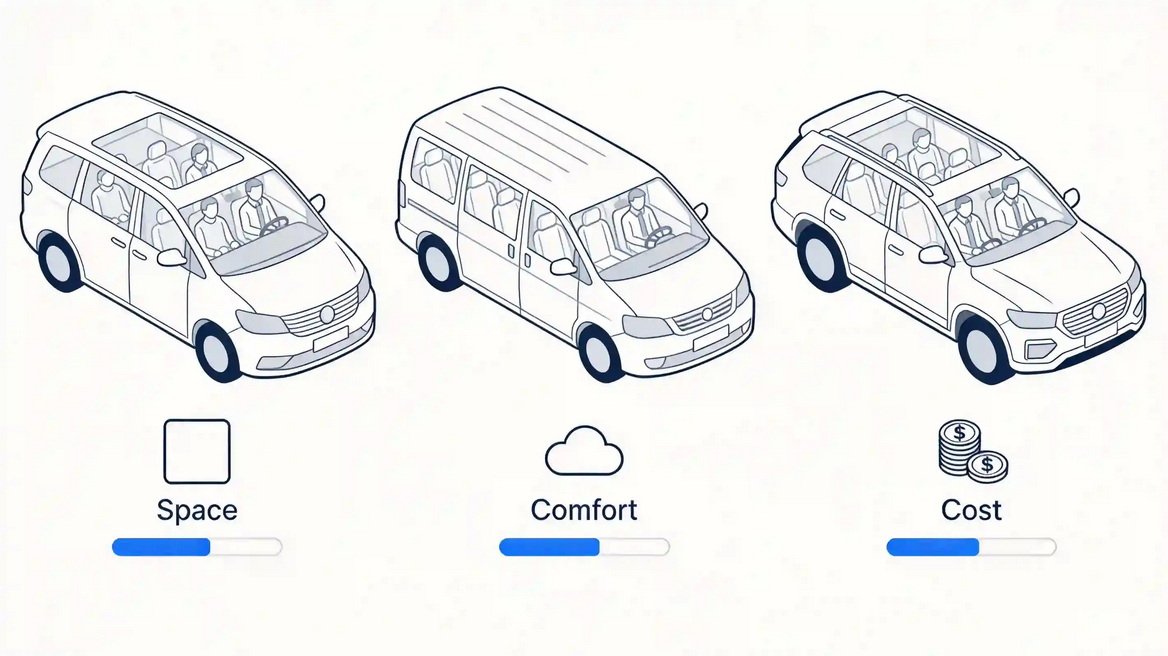
The original Evans Halshaw article gathered some of the strongest 8‑seater options available used in the UK. Building on that list, here is an expert breakdown of key models and how they perform in real‑world family and fleet use.
The Vauxhall Vivaro Life is one of the most practical 8‑seat vehicles on the UK used market, sharing its platform with the Peugeot Traveller, Citroën SpaceTourer and Toyota Proace Verso.
From a professional standpoint, I see it as a balanced choice for operators who want:
- Flexible 8‑ or 9‑seat layouts
- Good fuel economy from 1.5‑ or 2.0‑litre diesel engines
- A familiar, car‑like driving position for drivers switching from regular cars
A standout advantage is the Vivaro‑e Life, the fully electric variant. For urban shuttle fleets operating in low‑emission zones, a well‑maintained used Vivaro‑e can significantly cut fuel and maintenance costs while meeting stricter environmental rules.
Based on the Ford Transit Custom van, the Tourneo Custom has become a workhorse for both large families and professional shuttle operators. Its key strengths include:
- Enormous interior space that takes eight people plus their luggage with ease
- Widely available parts and servicing thanks to the popularity of Transit vans
- A driving feel that many users describe as "comfortable and predictable" in owner reviews
If you can find a Tourneo Custom Active version, you gain rugged styling, body cladding, roof rails and, in some cases, an optional mechanical limited‑slip differential that makes it behave more like an SUV in poor conditions.
The Mercedes‑Benz V‑Class is the upscale choice on this list. Many units started life as VIP shuttles, airport transfers, or corporate people carriers, which means used examples often feature:
- High‑grade leather or synthetic leather interiors
- Flexible seating that can face forward or rearward
- Excellent sound insulation for long journeys
Families love the space; fleet operators love the brand perception and comfort, which can justify higher per‑trip pricing. The fully electric EQV is the zero‑emission sibling, ideal for premium urban shuttle services.
The Peugeot Traveller differentiates itself with a distinct Peugeot front‑end design and strong standard equipment. On the road, it feels less like a van and more like a large estate car:
- Smooth ride quality, even on long motorway runs
- Good visibility and light steering for city driving
- Frugal diesel options tuned for economy, not outright power
The Peugeot e‑Traveller is the fully electric model, which can be attractive for operators planning the first step into electrification without jumping straight to a full‑size bus.
The Citroën SpaceTourer has built a reputation for comfort, thanks in part to Citroën's "Advanced Comfort" program. Passenger‑focused features include:
- Individual seats with reclining backrests and armrests
- Sliding rails so each row can be moved forward or backward
- Generous headroom and legroom for tall adults
In user reviews, families often praise the independent seat layout, which makes it easier to mix child seats, teens, and adults in the same cabin. Like its siblings, there is a fully electric ë‑SpaceTourer variant that suits emission‑restricted city centres.
The Hyundai i800 is a somewhat under‑the‑radar option that delivers enormous interior volume and a reputation for dependability. Although it was discontinued in 2019, there are still many solid used examples on the market:
- Genuine room for eight passengers and luggage
- Simple, robust mechanical components
- Lower purchase prices compared with some European rivals
For cost‑sensitive buyers, the i800 can be a smart entry point to 8‑seat ownership, provided you factor in the model's age and emissions.
The Renault Trafic Passenger is essentially a people‑carrier version of the well‑known Trafic van. It is especially popular with:
- Taxi and minibus companies
- Airport transfer operators
- Larger families needing ISOFIX points in multiple positions
Its boxy shape allows for an easy 2‑3‑3 seating layout, and practical touches like a top‑hinged rear tailgate help when loading in rain. Higher‑spec trim levels can feel surprisingly premium inside.
To make comparison easier, here is a concise view of how these used 8‑seater vehicles line up. Values are generalised from typical UK‑market configurations.
| Model | Typical Fuel Type | Seats | Best For |
|---|---|---|---|
| Vauxhall Vivaro Life | Diesel, Electric (Vivaro‑e) evanshalshaw | 8–9 | Mixed family and shuttle use, early electrification evanshalshaw+1 |
| Ford Tourneo Custom | Diesel evanshalshaw | 8–9 | High‑mileage shuttle, airport transfer, taxis evanshalshaw+1 |
| Mercedes‑Benz V‑Class | Diesel, Electric (EQV) evanshalshaw | 7–8 | Premium corporate and VIP shuttle, upscale families evanshalshaw |
| Peugeot Traveller | Diesel, Electric (e‑Traveller) evanshalshaw+1 | 8–9 | Long‑distance families, comfort‑oriented fleets evanshalshaw |
| Citroën SpaceTourer | Diesel, Electric (ë‑SpaceTourer) evanshalshaw+1 | 8–9 | Comfort‑focused family and shuttle operations evanshalshaw |
| Hyundai i800 | Diesel evanshalshaw | 8 | Budget‑conscious large families, basic shuttle evanshalshaw |
| Renault Trafic Passenger | Diesel evanshalshaw | 8–9 | Taxi, minibus and airport transfer services evanshalshaw |
In many markets, especially in Europe and Asia, operators eventually outgrow 8‑seat vehicles and move into mini‑buses and full‑size buses. This is where Chinese New Energy Vehicle (NEV) suppliers like KeyChain become strategically relevant.
From an industry‑insider perspective, we typically see operators transition when:
1. Average occupancy regularly exceeds six passengers on peak routes.
2. Multiple 8‑seaters run the same route just to meet demand.
3. Local air‑quality or low‑emission zone rules increase the operating cost of diesel vans.
At that point, shifting to 12–24 seat minibuses or 30+ seat city buses, especially battery‑electric or plug‑in hybrid models, can reduce cost per passenger‑kilometre and simplify scheduling.
KeyChain, as a Chinese exporter of Yutong, King Long, Higer and other NEV buses and heavy trucks, typically helps overseas customers compare:
- Lifetime fuel and energy costs
- Maintenance and parts availability
- Charging or fueling infrastructure requirements
- Regulatory incentives and import duties
For operators already running 8‑seater vans, these larger NEV buses can be positioned as a natural next step in fleet electrification.
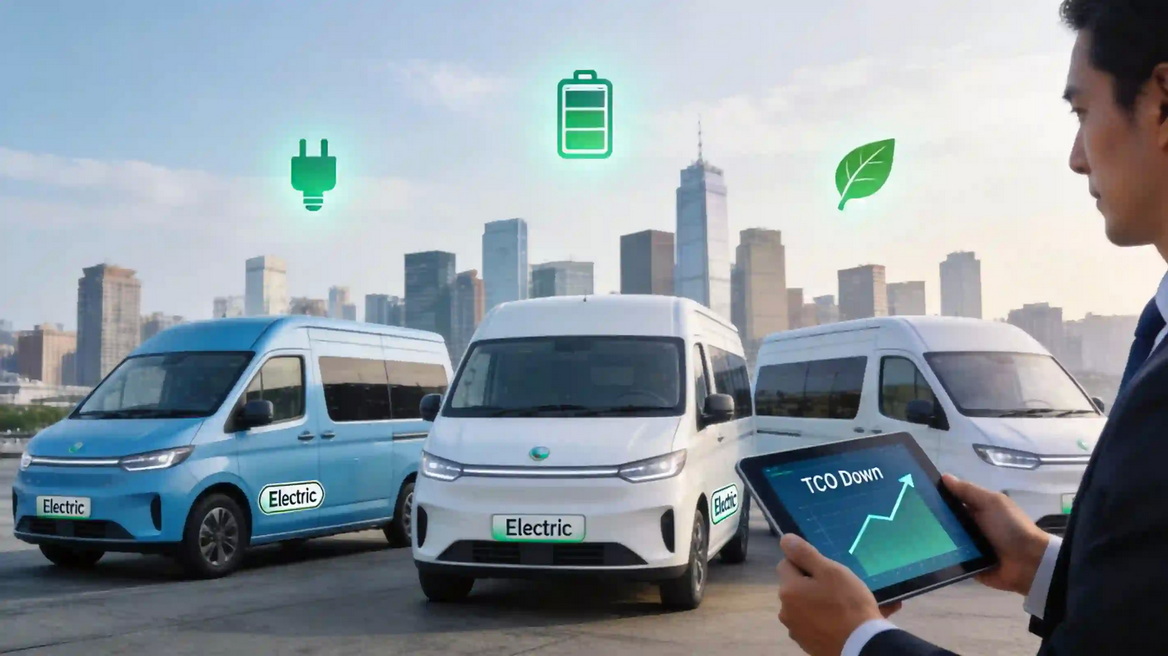
Whether you are a private buyer or a fleet manager, a structured evaluation process helps you avoid surprises.
Be very clear about how you will use the vehicle:
- School run and family holidays
- Airport and hotel transfers
- Corporate shuttle, VIP transport, or tourism
- Community or NGO activities
Different use cases prioritise different features, like ISOFIX points, luggage volume, or a premium interior.
Look beyond the simple seat count:
- Can adults sit comfortably in the third row?
- Are there sliding doors on one or both sides?
- Is the step‑in height suitable for elderly passengers?
In user reviews, owners often comment on how easy it is to get children and grandparents in and out; this is a reliable indicator of day‑to‑day usability.
For diesel models, check:
- Emissions compliance (Euro 6 vs earlier standards)
- Any history of issues with the diesel particulate filter (DPF)
- Real‑world fuel economy reported by owners and fleet operators
If you are considering electric or plug‑in hybrid 8‑seaters, ask:
- Battery health and capacity
- Typical range under your operating conditions
- Availability of charging at depots and key routes
Many used 8‑seaters started life as taxis, shuttles or rental vehicles. That is not necessarily negative; these vehicles are typically serviced on schedule. However, you should check:
- Seat fabric, foam and armrest wear
- Sliding door operation and locking mechanisms
- Air‑conditioning performance for all rows
A well‑maintained ex‑fleet vehicle can be a cost‑effective purchase if the service record is complete.
If your organisation is growing, factor in future passenger demand and regulatory changes:
- Will you soon need 12–20 seats instead of 8?
- Are you operating in or near low‑emission zones?
- Do you plan to electrify your fleet in the next 3–5 years?
In my work with NEV exporters, I often advise clients to treat an 8‑seater purchase as a bridge step toward a structured electrification strategy with new energy minibuses and full‑size buses.
Once operators experience the limitations of 8‑seat vans, they often look globally for cost‑effective, high‑capacity, low‑emission solutions. Chinese NEV manufacturers now dominate the zero‑emission bus and truck market, with strong export pipelines to Europe, the Middle East, Latin America and Africa.
As an exporter and supplier, KeyChain typically supports overseas buyers in several ways:
- Model selection: Matching route profiles (urban, suburban, intercity) with bus or coach configurations.
- Specification tailoring: Choosing battery capacity, seating layout, luggage space and safety features based on local needs.
- Total cost of ownership (TCO) analysis: Comparing long‑term costs of continuing with multiple 8‑seaters versus deploying fewer, higher‑capacity NEV buses.
- After‑sales and parts strategy: Planning spares, training local mechanics and scheduling remote diagnostics.
For fleets already running 8‑seater vans as a "test bed," upgrading to 15–30 seat electric buses from Chinese suppliers can be a natural scaling step that maintains operational familiarity while dramatically reducing emissions and fuel costs.
If you are currently evaluating used 8‑seater cars or vans, use this guide to shortlist models that match your real‑world passenger loads and comfort expectations. But if your routes are already running near capacity, or you are facing tightening emission rules, this is the right moment to map out a longer‑term transition plan.
As a China‑based exporter and supplier of high‑quality buses, heavy trucks and New Energy Vehicles, KeyChain can help you:
- Benchmark your current 8‑seater fleet performance
- Design a phased upgrade path into electric minibuses and buses
- Source reliable used and new vehicles tailored to your markets
Review your current passenger numbers and routes, then reach out to a specialist NEV exporter like KeyChain for a customised fleet assessment and quotation. This ensures that your next vehicle purchase—whether an 8‑seater van or a 30‑seat electric bus—supports both your current operations and your future growth.
In most cases, yes. When fully utilised, a single 8‑seater typically delivers lower fuel cost and labour cost per passenger than running two smaller vehicles, especially on fixed routes. However, this advantage depends on high occupancy and disciplined route planning.
In many European cities, Euro 6 diesel vans remain acceptable today, but low‑emission and zero‑emission zones are tightening over the next decade. Operators should plan for a gradual shift to plug‑in hybrid or fully electric vehicles, particularly on urban routes.
It usually makes sense when your average occupancy is consistently high, you need multiple 8‑seaters on the same route, or you are pursuing aggressive CO₂‑reduction goals. At that point, 12–30 seat NEV buses can reduce cost per passenger and simplify scheduling.
Yes. China has the world's largest zero‑emission bus and truck market, and many models have now operated for years in overseas fleets in Europe, the Middle East and Latin America. Export‑focused suppliers like KeyChain work with established brands and provide support on specifications, parts, and training.
Start by collecting data on daily mileage, passenger loads, dwell times, and depot infrastructure. Then work with an experienced NEV exporter to model range requirements, charging strategy, and total cost of ownership for a phased transition from diesel 8‑seaters to electric minibuses and buses.
1. Evans Halshaw – "Best Used 8‑Seater Cars" (accessed June 2026).
https://www.evanshalshaw.com/blog/best-used-8-seater-cars/
2. CARFAX – "Best 8 Seater SUVs in 2026" (accessed June 2026).
https://www.carfax.com/rankings/8-passenger-suv
3. iSeeCars – "Best Used 8‑Seater SUVs Under $25k for 2026" (accessed June 2026).
https://www.iseecars.com/best-used-cars-under-25k/8-seater-suvs
4. CarMax – "Best 8‑Passenger SUVs" (accessed June 2026).
https://www.carmax.com/research/suvs/8-passenger
5. UsedCars. com – "10 Best Used 8‑Passenger SUVs" (accessed June 2026).
https://www.usedcars.com/10-best-used-8-passenger-suvs-159
6. KeyChain – "China New Energy Vehicles Exporter & Supplier" (accessed June 2026).
https://www.keychainauto.com/new-energy-vehicles.html
7. KeyChain – "China Zhongtong Exporter & Supplier – KCV" (accessed June 2026).
https://www.keychainauto.com/zhongtong.html
8. International Council on Clean Transportation (ICCT) – "Zero‑emission bus and truck market in China: A 2022 update" (accessed June 2026).
https://www.theicct.org/wp-content/uploads/2023/12/ID-57-%E2%80%93-ZETs-China_Final.pdf


