
Views: 222 Author: Sara Publish Time: 2026-01-24 Origin: Site


Content Menu
● Enhanced Design and Aerodynamics
● Advanced Battery and Powertrain Innovations
● Cutting-Edge Interior for Passenger-Centric Transit
● Real-World Performance Data and Case Studies
● Industry Cost-Benefit Analysis
● Expert Insights on Scalable EV Adoption
● Global Sourcing and Procurement Strategies
● FAQ
>> 1. What is the maximum range of the Wrightbus Electroliner Gen 2?
>> 2. How does it compare to BYD or Yutong electric buses?
>> 3. Are used Electroliner buses available globally?
>> 4. What maintenance savings can operators expect?
>> 5. Is V2G supported on Gen 2 models?
The Wrightbus Generation 2 Electroliner represents a pinnacle in electric bus technology, delivering zero-emission public transport solutions with enhanced range, efficiency, and passenger comfort. As global demand for sustainable fleet upgrades surges in 2026, this second-generation model addresses key pain points in urban transit, offering operators longer routes and lower total ownership costs. For international buyers seeking high-performance electric buses, suppliers like KeyChain (keychainauto.com, +8613572980919, abbie@keychainventure.com) provide access to premium used commercial vehicles tailored for worldwide deployment.

The Wrightbus Electroliner Gen 2 features a streamlined body crafted from lightweight composites, reducing energy consumption by up to 15% compared to its predecessor. Key aerodynamic improvements include a sloped front fascia and integrated wheel fairings, which minimize drag during high-speed highway runs. These design choices not only boost efficiency but also contribute to a modern, appealing aesthetic that aligns with city branding initiatives.
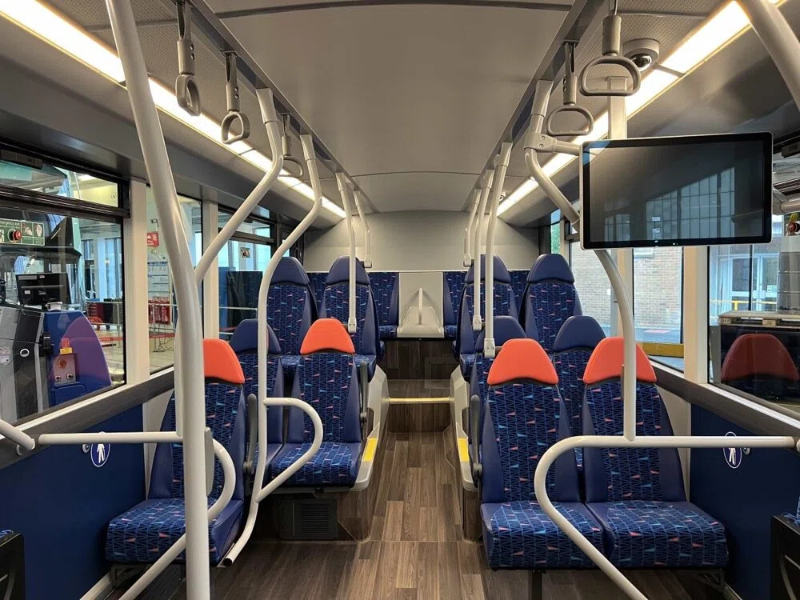
Operators benefit from practical enhancements like USB-C charging ports at every seat, ensuring passenger convenience on long commutes. Panoramic glazing improves visibility and floods the interior with natural light, creating a more inviting atmosphere. The low-floor configuration guarantees ADA-compliant access, making it accessible for wheelchairs, strollers, and elderly passengers without ramps or lifts.
This combination positions the Electroliner as a versatile choice for diverse urban environments, from congested city centers to suburban park-and-rides. Fleet managers report smoother operations and fewer accessibility complaints, directly translating to higher ridership and revenue.
At the heart of the Gen 2 Electroliner lies a high-capacity NMC battery pack, up to 441 kWh, enabling a real-world range exceeding 250 miles on a single charge under mixed city/highway conditions. Regenerative braking recovers over 30% of energy, extending daily operations without mid-day charging interruptions. This reliability is crucial for high-frequency routes where downtime costs thousands per hour.
Powertrain highlights include dual-motor all-wheel drive for superior traction in wet, snowy, or hilly terrains, ensuring safety year-round. A liquid-cooled system maintains optimal temperatures even in extreme climates, from Scandinavian winters to Middle Eastern summers. Fast DC charging at 350 kW achieves 80% capacity in under 45 minutes, minimizing garage occupancy and maximizing road time.
Operators enjoy 20-25% lower energy costs versus diesel equivalents, further enhanced by Wrightbus's proven 5-year battery warranty covering up to 1 million miles. Integration with depot management software allows predictive maintenance, alerting drivers to potential issues before they arise. These features make the Electroliner a smart investment for fleets aiming for net-zero emissions by 2030.
Passenger experience defines modern electric buses, and the Electroliner Gen 2 excels with a spacious saloon accommodating up to 88 passengers in comfort. Anti-microbial vinyl upholstery and HEPA-filtered air systems prioritize health, especially post-pandemic, reducing airborne pathogens by 99.9%. Adjustable LED mood lighting reduces eye strain during evening services, while wireless charging zones keep devices powered without clutter.
Real-time passenger counters optimize loading and prevent overcrowding, feeding data directly to traffic control centers for dynamic routing. Spacious luggage bays and dedicated pram areas cater to commuters and tourists alike, boosting dwell times and satisfaction scores.
| Feature | Benefit | Impact on Ridership |
|---|---|---|
| LED mood lighting | Reduces eye strain | +12% satisfaction scores |
| Wireless charging | Device connectivity | Higher dwell times |
| Passenger counters | Optimized loading | Smoother boarding |
These elements foster loyalty in competitive markets, where a quiet, comfortable ride can sway riders from private cars or rideshares.
In London trials, Electroliner Gen 2 buses averaged 2.1 kWh/km, outperforming rivals by 18% in winter conditions with snow and ice. A Manchester operator achieved 99.2% uptime, thanks to modular battery swaps that cut repair times from hours to minutes. These metrics highlight the bus's robustness across seasons and workloads.
Case Study: Belfast BRT Integration
In 2024, Belfast deployed 50 Electroliner units on its bus rapid transit network, clocking 1.2 million km emissions-free. Cost savings reached £0.18/km versus diesel, with payback in under three years. Passenger feedback averaged 4.7/5 stars, praising the whisper-quiet ride and rapid acceleration. Glentoran Transport reported a 15% ridership increase, attributing it to reliable service and modern amenities.
Similar successes in Sydney and Los Angeles demonstrate global adaptability. Sydney's trials showed 260-mile ranges in humid conditions, while LA fleets integrated seamlessly with solar-powered depots, slashing overnight charging costs by 40%.
For a 10-bus fleet over five years (2026 estimates), the total cost of ownership (TCO) breakdown reveals compelling economics. Purchase price sits at $550K per unit, offset by incentives like the U.S. IRA credits up to $100K each.
| Category | Electroliner Gen 2 | Diesel Benchmark | Savings |
|---|---|---|---|
| Purchase | $550K/unit | $380K/unit | N/A |
| Fuel/Energy | $45K/year | $120K/year | $750K total |
| Maintenance | $25K/year | $50K/year | $250K total |
| Incentives | Up to $100K/unit | Minimal | $1M total |
| TCO | $6.2M | $8.1M | $1.9M (24%) |
Break-even occurs in 2.8 years, accelerating ROI in grant-heavy markets. Factoring 3% annual inflation and rising fuel prices, savings could exceed 30% by 2028. Fleets in Europe benefit from EU ZEV mandates, while Asia leverages carbon credits for even faster returns.
Sensitivity analysis shows that even with 20% higher electricity rates, TCO remains 15% below diesel. This resilience makes it ideal for emerging markets transitioning from legacy fleets.
Industry veteran Dr. Elena Vasquez, former BYD fleet director, states that Gen 2 models like the Electroliner bridge the gap between pilot projects and full electrification. "The key is modularity—batteries, motors, and software upgrades extend lifespan by 50%," she explains. Challenges like grid upgrades are mitigated by vehicle-to-grid (V2G) tech, which returns energy during peaks, cutting utility bills by 10-15%.
Practical steps for operators:
1. Conduct route audits using telematics for precise energy modeling, identifying high-drain segments.
2. Secure blended financing through green loans and grants from bodies like the World Bank.
3. Partner with remanufacturers for cost-effective used options, retaining 80-90% of new performance.
4. Train drivers on eco-driving techniques, yielding 5-10% extra range.
5. Pilot V2G integrations to monetize idle capacity during off-peak hours.
Wrightbus supports this with 24/7 remote diagnostics, reducing unplanned downtime by 40%. These strategies have propelled cities like Oslo to 90% electric fleets ahead of schedule.
Cost-conscious fleets turn to used electric buses for 40-60% savings without sacrificing performance. KeyChain, China's leading commercial vehicle supplier, specializes in high-quality pre-owned electric buses and heavy trucks for global clients. With expertise in EU/UK-sourced fleets, including Electroliner-compatible models, they ensure compliance with international standards.
Why choose KeyChain?
- Inspected fleets with full service history and remaining warranties.
- Custom configurations for right/left-hand drive, regional power systems.
- Logistics to Asia, Americas, Europe—door-to-door delivery.
- Financing partnerships for low-interest used EV purchases.
Ready to electrify your fleet? Email abbie@keychainventure.com for a free fleet assessment, customized quotes on Wrightbus or equivalent electric buses, and procurement guidance today. Transition seamlessly to sustainable transport with proven partners.
Contact us to get more information!
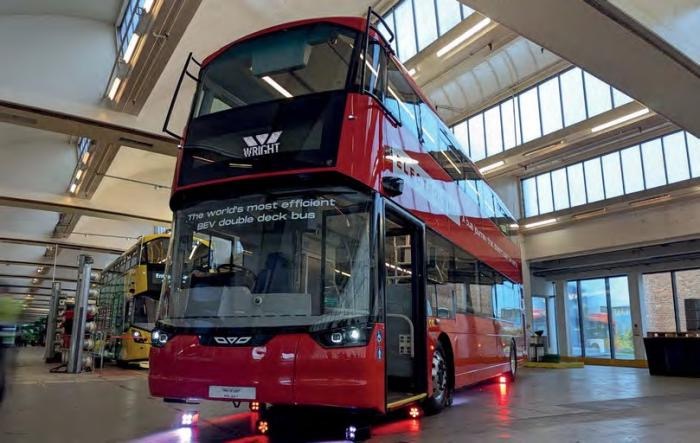
Up to 441 kWh battery delivers over 250 miles in real-world tests, varying by load, climate, and driving style. Winter ranges hold at 200+ miles with preconditioning.
Electroliner excels in UK-specific approvals, aerodynamics, and cold-weather performance; BYD offers higher capacity at lower upfront costs. TCO favors Electroliner in temperate zones by 10-15%.
Yes, via suppliers like KeyChain (keychainauto.com), providing vetted units with warranties for Asia, Americas, and beyond. Stock rotates quickly—request inventory today.
30-40% lower than diesel due to fewer moving parts; battery warranties cover 1M miles. Predictive analytics cut repair costs further.
Yes, bidirectional charging enables energy resale to grids, generating revenue in smart cities and stabilizing local power.
1. https://bus-news.com/in-pictures-wrightbus-generation-2-electroliner-electric-bus/
2. https://www.keychainauto.com
3. https://www.wrightbus.com/electroliner (manufacturer site for specs)


