
Views: 222 Author: Sara Publish Time: 2026-02-05 Origin: Site


Content Menu
● Ethiopia's Growing Bus Market
● Key International Bus Manufacturers and Suppliers Active in Ethiopia
>> Yutong Bus
>> Other Global Bus Manufacturers and Suppliers Serving Ethiopia
● Leading Ethiopian Bus Operators and Buyers
>> Major Intercity and Luxury Operators
>> City and Electric Bus Initiatives
● Market Trends Shaping Bus Manufacturers and Suppliers in Ethiopia
>> Demand for Durable and Cost‑Effective Vehicles
>> Growth of Electric and Alternative Fuel Buses
>> Local Assembly and Technology Transfer
>> Digitalization and Fleet Management
● Role of Global Second‑Hand Commercial Vehicle Suppliers like KeyChain
● How Ethiopian Buyers Should Evaluate Bus Manufacturers and Suppliers
>> Working with Local Agents and Distributors
● FAQ
>> 1. What types of buses are most in demand in Ethiopia?
>> 2. Why are international Bus Manufacturers and Suppliers investing in local assembly plants?
>> 3. How important is after‑sales service when choosing Bus Manufacturers and Suppliers?
>> 4. Are electric buses a realistic option for Ethiopian fleets today?
>> 5. How can Ethiopian operators use second‑hand vehicles alongside new buses?
Ethiopia's growing demand for reliable public transport and logistics is driving rapid expansion among Bus Manufacturers and Suppliers that serve this dynamic market. This article explores key Bus Manufacturers and Suppliers in Ethiopia, emerging trends, and how global partners like KeyChain can support fleet upgrades and sustainable transport projects.

Ethiopia's commercial vehicle market is expanding as urbanization, infrastructure development, and logistics demand increase across the country. Public transportation, intercity travel, and construction logistics are all pushing fleet operators to seek dependable Bus Manufacturers and Suppliers with strong after‑sales support.
Commercial vehicle unit sales in Ethiopia are expected to continue rising, backed by road network investments, population growth, and the need for efficient regional connectivity. Light commercial vehicles are also gaining popularity among small businesses and regional logistics firms, reinforcing long‑term demand for professional Bus Manufacturers and Suppliers that can supply buses, trucks, and integrated systems.
In the public transit segment, cities such as Addis Ababa are upgrading fleets to improve comfort, safety, and reliability for daily commuters. This shift is encouraging operators to work closely with Bus Manufacturers and Suppliers that can provide standardized platforms, driver training solutions, and fleet management technologies. As passenger expectations rise, features such as air conditioning, ergonomic seating, on‑board connectivity, and advanced braking systems are becoming standard.
At the same time, government initiatives focused on industrialization and transportation infrastructure are creating a more favorable environment for investment. Policies that support local assembly, technology transfer, and sustainable mobility are making Ethiopia an attractive destination for global Bus Manufacturers and Suppliers looking to build a long‑term presence in East Africa. As the market matures, competition among suppliers is likely to increase, pushing up overall quality and service levels.
Global Bus Manufacturers and Suppliers are partnering with Ethiopian distributors and transport companies to supply city buses, intercity coaches, school buses, and emerging electric fleets. Many of these brands leverage regional experience across Africa and Asia, adapting proven designs to the specific conditions and regulations found in Ethiopia.
Yutong Bus is one of the world's leading Bus Manufacturers and Suppliers and has built a strong presence across Africa, including Ethiopia. The company works through local agents, supplying luxury tourist and intercity buses to major Ethiopian operators such as Selam Bus, Abay Bus, Ethio Bus, and Walya Bus. Yutong vehicles are often chosen for their combination of comfort, durability, and fuel efficiency on long routes.
Yutong has also developed KD (knock‑down) factories in Ethiopia and nearby countries, supporting local assembly and technology transfer for bus fleets. This combination of global engineering and local assembly makes Yutong one of the most influential Bus Manufacturers and Suppliers in the Ethiopian market. Local assembly offers shorter delivery times, better customization, and improved access to spare parts, which are critical for minimizing downtime on demanding intercity corridors.
Golden Dragon is another Chinese manufacturer playing a pivotal role among Bus Manufacturers and Suppliers in Ethiopia, especially in the electric bus segment. In cooperation with local industrial groups, Golden Dragon has delivered hundreds of new energy buses, including large orders for electrically powered city fleets. These projects showcase how international Bus Manufacturers and Suppliers can support national objectives related to emissions reduction and modern transit.
A dedicated assembly plant built with Ethiopian partners began producing electric bus kits in recent years, creating local jobs and enabling regional exports within East Africa. This facility positions Golden Dragon as a strategic player among Bus Manufacturers and Suppliers focused on green mobility and regional integration. The presence of local assembly also encourages the development of auxiliary industries, including component manufacturing, charging infrastructure, and specialized maintenance services.
Eicher Trucks and Buses, through its dealer network with local partners, supports Ethiopia's needs for medium‑duty trucks and buses used in both passenger transport and logistics. As one of the major international Bus Manufacturers and Suppliers present in Ethiopia, Eicher offers a mix of fuel‑efficient buses suited for city operations, staff transport, and intercity routes.
The brand's local workshop and service infrastructure help operators reduce downtime and maintain fleet reliability, an essential factor when choosing Bus Manufacturers and Suppliers for demanding Ethiopian routes. Eicher also emphasizes driver training, preventive maintenance, and comprehensive service contracts, allowing smaller operators to access professional support similar to that available to large fleets.
Beyond Yutong, Golden Dragon, and Eicher, several other international Bus Manufacturers and Suppliers indirectly support the Ethiopian market through local importers and transit companies. Modern fleets in Ethiopia often feature chassis and bodies linked to global brands such as Scania, Volvo, and Marcopolo, especially in long‑distance luxury and tourist segments.
These brands usually cooperate with local body builders, dealers, or transport companies to tailor buses to Ethiopian requirements. As local demand evolves toward cleaner and more technologically advanced buses, more Bus Manufacturers and Suppliers are expected to enter or deepen their presence in Ethiopia via partnerships, joint ventures, and assembly plants. This diversification offers operators a broader range of powertrains, capacities, and interior configurations.
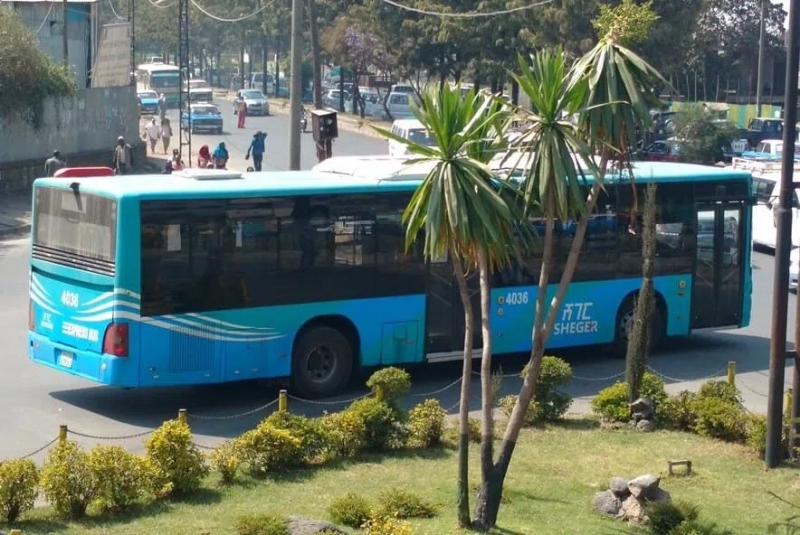
While this article focuses on Bus Manufacturers and Suppliers, understanding key operators helps clarify where bus demand originates in Ethiopia. Intercity and urban bus companies are the primary buyers of large fleets and influence specifications, powertrains, and interior configurations requested from Bus Manufacturers and Suppliers.
Ethiopia hosts a range of well‑known intercity and premium bus providers, many of which run fleets sourced from international Bus Manufacturers and Suppliers:
- Selam Bus: One of the largest intercity networks, operating modern buses with premium amenities, often using high‑quality chassis and bodies for long routes. The company is known for serving major corridors and maintaining strong safety and punctuality records.
- Zemen Bus: Runs modern buses with reclining seats, air conditioning, Wi‑Fi, and charging ports on key national routes. Zemen often collaborates with Bus Manufacturers and Suppliers that can provide comfortable and efficient vehicles suitable for overnight journeys.
- Abay Bus, Ethio Bus, Walya Bus and others: Serve major regional and cross‑regional corridors, typically purchasing vehicles from Bus Manufacturers and Suppliers like Yutong and Golden Dragon via local agents. These operators compete on service quality, safety, and travel time, pushing suppliers to offer better technology and more reliable platforms.
These operators seek Bus Manufacturers and Suppliers who can deliver high‑capacity vehicles, durable components, and strong after‑sales support, which is critical for long‑distance corridors with demanding road conditions. Their procurement decisions often set benchmarks for smaller operators and influence which Bus Manufacturers and Suppliers gain prominence in the wider market.
Addis Ababa and other urban centers are progressively exploring electric and low‑emission transport, creating new opportunities for Bus Manufacturers and Suppliers specializing in new energy vehicles. City authorities and private operators are testing and deploying electric buses for high‑frequency routes, particularly where environmental and noise concerns are most acute.
Electric bus fleets already operate in the capital, providing lower‑emission transport and demonstrating how Bus Manufacturers and Suppliers can support climate‑aligned policies and long‑term operational cost savings. Pilot projects help stakeholders refine charging strategies, depot layouts, and power supply arrangements. Over time, such experience encourages broader adoption of electric buses in secondary cities and regional hubs.
Several structural trends are shaping how Bus Manufacturers and Suppliers design and deliver vehicles for the Ethiopian market. These trends affect not only what types of buses are chosen but also how they are financed, maintained, and integrated into wider transport systems.
Ethiopia's terrain, long intercity distances, and variable road quality push fleet owners to prioritize durability, fuel efficiency, and total cost of ownership. Bus Manufacturers and Suppliers that can provide robust chassis, reliable drivetrains, and easy‑to‑maintain components hold a strong advantage. Vehicles must withstand frequent use on sometimes rough or mountainous roads without excessive maintenance requirements.
Operators, especially in the intercity and logistics segments, look for buses that minimize downtime and reduce maintenance complexity. This pushes Bus Manufacturers and Suppliers to focus on simple, proven technologies alongside modern comfort and safety features. For example, many fleets prefer engines and transmissions with widely available parts, straightforward diagnostics, and strong local service support.
Access to financing is another consideration. Competitive pricing, flexible financing arrangements, and buy‑back programs offered by Bus Manufacturers and Suppliers can be decisive for operators, particularly in a developing market. Suppliers that work with local banks or leasing companies to design tailored financial solutions often win long‑term relationships with fleet owners.
Policy support for technology transfer and green mobility is stimulating interest in electric and alternative‑fuel buses. New energy Bus Manufacturers and Suppliers, particularly those experienced in battery electric technology, see Ethiopia as a strategic hub for East Africa. Pilot deployments demonstrate the viability of electric buses for urban routes, especially where reliable grid connections and depot facilities exist.
Projects such as electric bus assembly plants, combined with large fleet deliveries, signal that future Bus Manufacturers and Suppliers will need to offer energy‑efficient models, charging solutions, and training for local technicians. In addition to battery electric buses, there is growing discussion of CNG, hybrid, and other alternative powertrains in the wider region, even if these are at an earlier stage in Ethiopia itself.
For operators, the business case for electric buses depends on vehicle cost, energy prices, available incentives, and maintenance savings. Bus Manufacturers and Suppliers that help customers analyze lifecycle costs and optimize route planning stand to gain an edge, particularly as global best practices in zero‑emission bus deployment become more widely known.
The Ethiopian government aims to create jobs and develop industrial capacity, encouraging Bus Manufacturers and Suppliers to invest in local assembly and knowledge transfer. KD factories established by global brands show how local production can shorten lead times, reduce costs, and improve parts availability. These facilities also provide opportunities for local workers to gain skills in welding, painting, electronics, and quality control.
This shift pushes Bus Manufacturers and Suppliers to move beyond simple export models and embrace partnerships with Ethiopian companies, joint ventures, and long‑term workforce training plans. Over time, local suppliers may contribute components such as seats, glass, wiring harnesses, and interior fittings, further deepening the industrial ecosystem built around Bus Manufacturers and Suppliers.
Technology transfer is not limited to hardware. Training on fleet management software, telematics, and predictive maintenance tools helps Ethiopian operators make better use of their vehicles and extend service life. Suppliers that actively share such knowledge often become strategic partners rather than just equipment vendors.
An emerging trend with direct impact on Bus Manufacturers and Suppliers in Ethiopia is the digitalization of fleet operations. More operators are adopting GPS tracking, electronic ticketing, and route optimization tools. As a result, Bus Manufacturers and Suppliers are increasingly asked to integrate telematics systems and provide data interfaces compatible with operator platforms.
Digital tools help operators monitor driver behavior, fuel consumption, and maintenance needs in real time. For Bus Manufacturers and Suppliers, this creates an opportunity to offer value‑added services such as remote diagnostics, performance dashboards, and proactive maintenance recommendations. In the long run, such capabilities can differentiate suppliers in a competitive market and enhance fleet uptime.
As a leading Chinese commercial vehicle second‑hand supplier, KeyChain can support operators in Ethiopia by offering high‑performance used buses and heavy trucks that complement new vehicles from primary Bus Manufacturers and Suppliers. For many fleet owners, especially smaller operators and regional logistics firms, high‑quality used vehicles provide an affordable path to capacity expansion without compromising too much on technology or reliability.
By supplying rigorously inspected second‑hand buses and trucks, KeyChain helps Ethiopian buyers access technology from established Bus Manufacturers and Suppliers at a lower initial investment. These vehicles can include models that share components with currently marketed platforms, making it easier to source parts and service locally. The result is a balanced fleet where new and used units work side by side.
KeyChain's role is particularly valuable when operators face tight timelines for adding capacity or when currency fluctuations make new imports more expensive. Second‑hand units from reputable Bus Manufacturers and Suppliers allow companies to test new routes, enter new regions, or respond to seasonal peaks before committing to large orders of new vehicles. Over time, this flexibility supports more resilient and scalable operations.
In addition, KeyChain can collaborate with local workshops and distributors to ensure that second‑hand vehicles are adapted to Ethiopian requirements, such as increased ground clearance, reinforced suspension components, or specific interior layouts. This type of cooperation helps fill gaps that may not be fully covered by mainstream Bus Manufacturers and Suppliers focused primarily on new vehicles.
Choosing the right Bus Manufacturers and Suppliers is critical for long‑term operational success in Ethiopia's challenging environment. A structured evaluation process helps operators avoid costly mistakes and ensures that vehicles match both current and future needs.
When assessing Bus Manufacturers and Suppliers, Ethiopian operators should prioritize:
- Product reliability and durability over diverse road conditions, including mountainous routes, gravel sections, and high‑temperature environments.
- Availability of parts, local workshops, and trained technicians, which directly affects downtime and service quality.
- Fuel or energy efficiency, including electric and hybrid options when suitable for local routes and charging infrastructure.
- Ability to customize bus configurations for intercity, urban, school, staff transport, or tourism services.
- Total cost of ownership, including purchase price, maintenance, energy costs, residual value, and potential resale channel support.
Bus Manufacturers and Suppliers that demonstrate strong after‑sales commitments and clear local partnerships often provide better long‑term value than low‑cost suppliers with limited on‑the‑ground support. References from existing customers, site visits to depots, and trial vehicles can all provide useful insights into real‑world performance.
Most international Bus Manufacturers and Suppliers operate in Ethiopia through authorized local agents or distributors. These partners manage sales, warranty, spare parts, and service operations that directly affect fleet uptime. Their capabilities are often just as important as the quality of the vehicles themselves.
Ethiopian buyers should verify the distributor's track record, inventory levels, and service facilities before committing to any Bus Manufacturers and Suppliers. Key questions include the average parts delivery time, the availability of mobile service teams outside major cities, and the scope of technician training programs. Clear communication about warranty terms, response times, and escalation procedures is also essential.
Strong relationships between Bus Manufacturers and Suppliers, local distributors, and operators contribute to stable fleets and predictable operating costs. In some cases, distributors may also provide driver training, route optimization advice, and support for digital fleet management tools, tying hardware and services together in an integrated package.
Ethiopia's bus and commercial vehicle sector is entering a new growth phase, driven by infrastructure development, urbanization, and rising expectations for reliable, comfortable transport. Global Bus Manufacturers and Suppliers such as Yutong, Golden Dragon, and Eicher, together with local operators and agents, are shaping a diversified ecosystem that includes diesel, alternative‑fuel, and electric buses tailored to Ethiopian conditions.
Local assembly plants, electric bus deployments, and strong partnerships indicate that Ethiopia is becoming a strategic hub for Bus Manufacturers and Suppliers in East Africa. With support from both new vehicle producers and professional second‑hand providers like KeyChain, Ethiopian fleet owners can expand capacity, reduce costs, and move steadily toward greener, more efficient transportation networks. As technology advances and policies continue to favor sustainable development, Bus Manufacturers and Suppliers that invest early in Ethiopia are likely to benefit from long‑term growth and regional leadership opportunities.
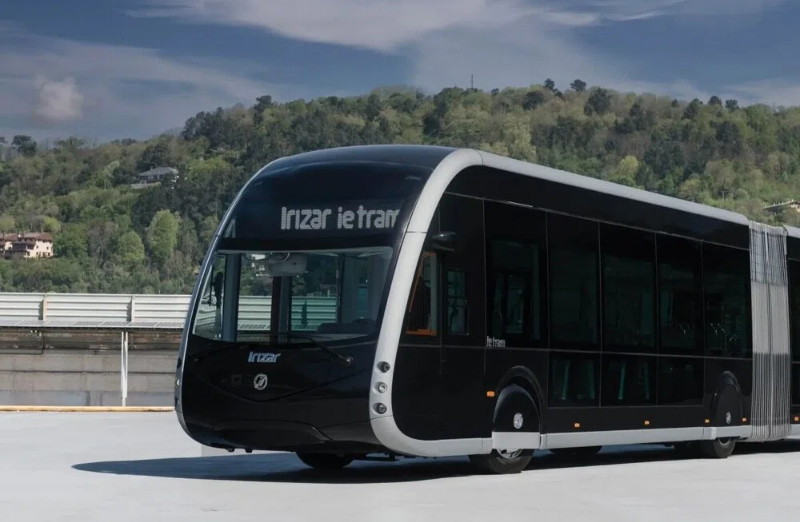
Intercity coaches with strong suspension systems and high passenger capacity remain the core demand, especially for long‑distance routes operated by major companies. These buses must combine comfort with durability to handle long travel times and mixed road conditions. At the same time, city buses and emerging electric buses are gaining traction in Addis Ababa and other urban areas, creating new opportunities for Bus Manufacturers and Suppliers focused on urban mobility.
International Bus Manufacturers and Suppliers invest in local assembly to reduce import costs, shorten delivery times, and comply with policies promoting local industrial development and job creation. Local assembly also allows for better customization of buses to match Ethiopian conditions and operator preferences. In addition, assembly plants support technology transfer and the development of local skills, which strengthens long‑term relationships between suppliers, governments, and operators.
After‑sales service is critical because Ethiopia's long routes and mixed road conditions can quickly expose weak maintenance support. Poor parts availability or limited workshop coverage can lead to extended downtime and lost revenue. Bus Manufacturers and Suppliers with strong dealer networks, robust spare parts inventory, and well‑equipped local workshops help minimize lifecycle costs and keep fleets running efficiently, which is essential for both public and private operators.
Electric buses are increasingly realistic for Ethiopian fleets, especially in urban areas with suitable power infrastructure and high passenger volumes. Pilot projects and early deployments have demonstrated that electric buses can reduce local emissions, lower noise levels, and offer competitive operating costs when properly planned. As charging infrastructure and local assembly capacity grow, Bus Manufacturers and Suppliers specializing in new energy vehicles are likely to expand their offerings, making electric buses a viable option for more routes and operators.
Operators can source high‑quality used buses and trucks from specialized exporters like KeyChain to quickly expand fleets at a lower upfront cost, while still maintaining acceptable performance and safety standards. Second‑hand vehicles from established Bus Manufacturers and Suppliers can be used on secondary routes, seasonal services, or as backup units for peak periods. By combining second‑hand vehicles with locally assembled new buses, fleets can balance capital efficiency, service quality, and modernization, creating a flexible structure that can adapt to changing market conditions.
1. https://bus-news.com/100-golden-dragon-electric-buses-delivered-in-ethiopia/
2. https://www.6wresearch.com/industry-report/ethiopia-autonomous-commercial-vehicle-market
3. https://www.2merkato.com/directory/423/
4. https://en.yutong.com
5. https://www.statista.com/outlook/mmo/commercial-vehicles/ethiopia
6. https://www.eichertrucksandbuses.com/international-business/ethiopia/dealers-network
7. https://www.2merkato.com/directory/40079-hambd-trading-plc
8. https://www.statista.com/outlook/mmo/commercial-vehicles/light-commercial-vehicles/ethiopia
9. https://www.zoominfo.com/top-lists/top-transportation-companies-in-ET
10. https://adey.com.et/buses


