
Views: 222 Author: Keychain Venture Publish Time: 2026-05-17 Origin: Site


A well-chosen 7‑seater Motability vehicle should feel like a calm, efficient "base camp" for your family life, not a daily logistics headache. As an industry practitioner working with New Energy Vehicles (NEVs) in buses and heavy trucks, I see the same principles of safety, efficiency and long‑term value now shaping the best 7‑seat Motability cars in 2025 and beyond.
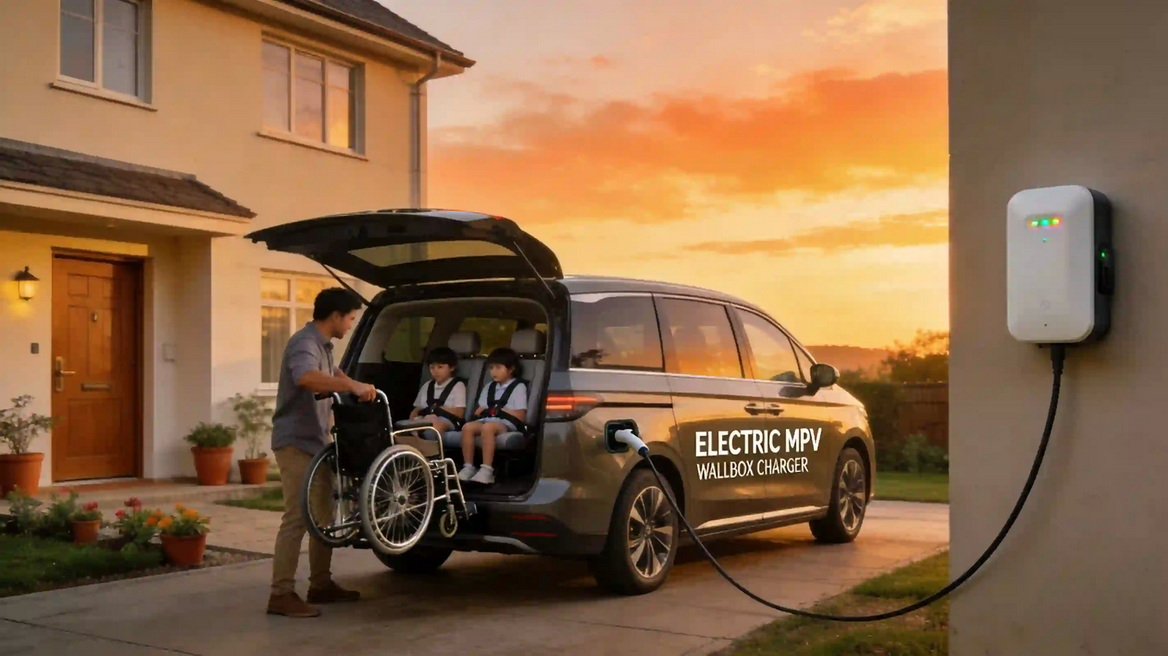
In this expert guide, I will:
- Explain what really matters when choosing a 7‑seater Motability car in 2025
- Review key models such as the Citroën C3 Aircross, Dacia Jogger, Peugeot 5008 and Vauxhall Vivaro Life Electric in plain, user‑focused language
- Add fresh 2025–2026 NEV market context from the bus and heavy‑truck world to show where technology is heading next
- Share practical checklists, examples and FAQs you can use before you visit a dealer or place an order
Throughout, I will connect passenger‑car choices with what we see every day in large‑scale NEV deployments in buses and trucks—because fleet data often predicts what will work best for private motorists three to five years later.
From a Motability user's perspective, a 7‑seater is rarely about "just in case we need the extra seats". It is usually a response to specific, recurring needs: multiple children, carers, medical equipment, wheelchairs or simply the desire to travel together as an extended family.
Based on customer feedback on Motability‑focused sites and general dealer reviews, users tend to prioritise:
- Ease of access: wide‑opening doors, low step‑in height, grab handles and space to manoeuvre limited‑mobility users and equipment
- Cabin flexibility: genuinely usable third‑row seats, sliding or removable second row, and a boot that still works when all seats are in use
- Running costs: realistic fuel or electricity consumption, tyres and servicing that fit a fixed budget
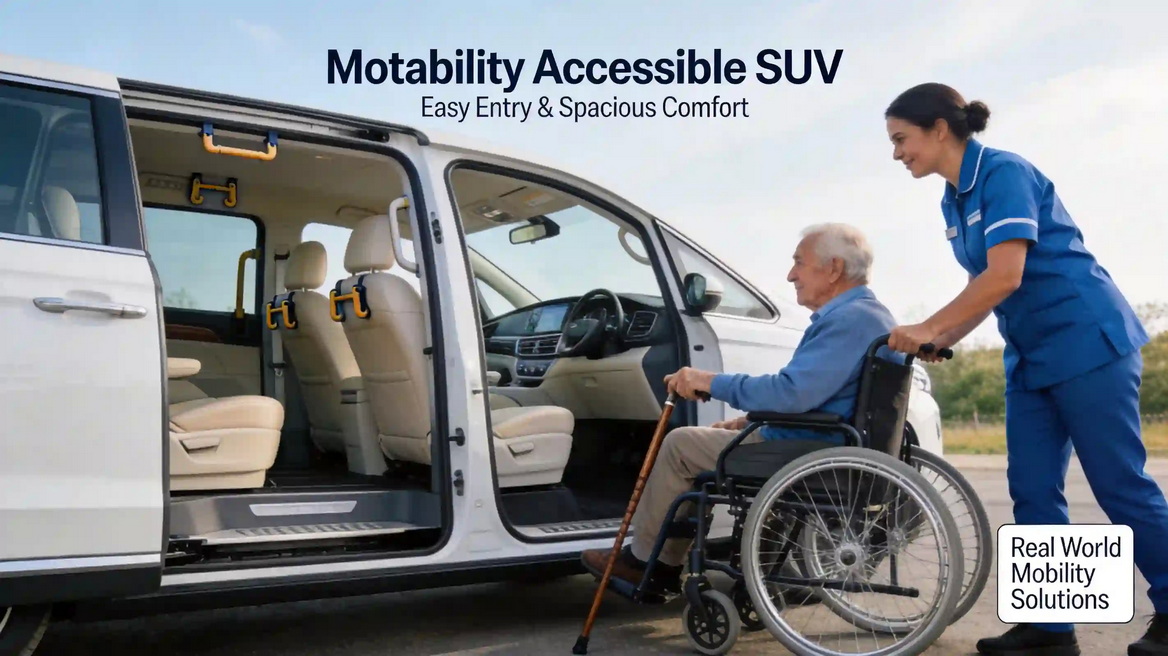
- Reliability and support: responsive after‑sales service, especially where Motability adaptations and warranty work are involved
Coming from the commercial NEV sector, I would add one more crucial factor: future‑proofing. In buses and heavy trucks, switching to electric is not just about emissions; it is about locking in predictable operating costs for years. Motability drivers can benefit from the same mindset when weighing petrol, hybrid and full‑electric options.
The original Evans Halshaw article identifies four prominent 7‑seat Motability options in 2025. Below I deepen that overview with a more user‑centric and NEV‑aware perspective.
From a design point of view, the Citroën C3 Aircross stands out because it does not "look" like a traditional 7‑seater. It is compact, styled as a modern SUV and can be specified with either five or seven seats depending on your needs.
Key points from an expert and user‑experience angle:
- Powertrains: the car is available with manual petrol and automatic petrol hybrid options, reaching up to around 57mpg on paper, which helps control running costs without going fully electric.
- In‑car tech: features such as wireless Apple CarPlay and Android Auto make it easier for drivers to integrate accessibility apps, navigation and communication tools into daily life.
- Comfort philosophy: Citroën's long‑running focus on "Advanced Comfort" seats genuinely matters for Motability drivers who may spend long periods behind the wheel or as passengers.
However, as an NEV specialist I must highlight a limitation: while hybrid is a step towards electrification, this model does not offer a full battery‑electric version at present, so its long‑term cost and emissions profile will differ from a pure EV or plug‑in hybrid.
The Dacia Jogger is a strong example of how clever packaging can beat more expensive SUVs for everyday practicality. It blends estate, SUV and MPV traits into one long‑roof 7‑seater.
From both Motability and fleet perspectives, the Jogger's key advantages are:
- Outstanding value: Dacia's reputation for budget‑friendly ownership continues here, and the Jogger can be available on Motability with zero advance payment, reducing barrier to entry.
- Boot space engineering: with all seven seats folded or removed, the Jogger offers up to around 2,085 litres of load volume—enough for mobility aids, bulk shopping or extended family luggage.
- Spec efficiency: even the 'Essential' trim includes items like rear parking sensors, cruise control and manual air conditioning, which cover many daily comfort and safety needs.
The trade‑off is that the Jogger feels more "utility‑first" than premium. For some Motability users that is a benefit; for others, especially those who spend hours in the vehicle, seat support, sound insulation and refinement may push them towards higher‑end models.
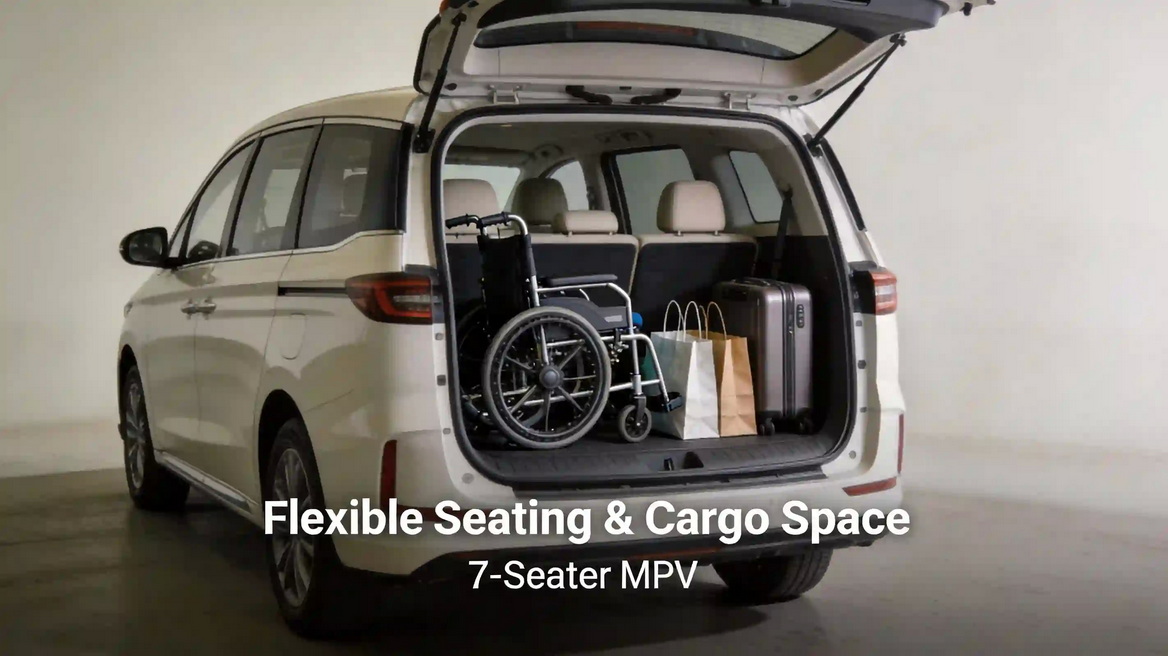
The Peugeot 5008 is a good example of how mainstream SUVs have evolved from MPVs into high‑tech family vehicles. Once a traditional people carrier, it now offers a more desirable SUV stance while keeping seven seats as standard.
From an NEV and expert viewpoint, the 5008 is particularly interesting because:
- It offers hybrid, plug‑in hybrid, and fully electric variants, all accessible through the Motability scheme, letting users align powertrain choice with their charging situation and annual mileage.
- The boot can reach around 2,042 litres with rear rows folded, only marginally below the Jogger despite a more premium interior and upmarket materials.
- Peugeot's latest driver‑assistance and infotainment platforms can make long‑distance driving smoother for those managing pain, fatigue or cognitive load.
In our work with electric buses and heavy trucks, we see that mixed fleets (diesel plus electric) often underperform on cost and complexity compared with committing to a clear electrification strategy. The 5008 lets a Motability customer make that same strategic choice at the family‑car level: start with hybrid for flexibility, or go straight to electric if home charging is available.
The Vauxhall Vivaro Life Electric takes a different approach, essentially blending van‑derived practicality with full electric propulsion. In commercial fleets we see this "van‑based MPV" format succeed precisely because it offers space efficiency that conventional SUVs cannot match.
Key strengths for Motability users include:
- Seating capacity: while often used as a 7‑seater, the Vivaro Life Electric can be configured to carry up to nine passengers, making it ideal for large families, shared care arrangements or community transport.
- Load versatility: the boxy body and high roofline mean the vehicle can transform into a near‑van when seats are removed or folded, easily swallowing bulky wheelchairs, hoists or specialist medical equipment.
- Zero emissions at tailpipe: for users who regularly drive in clean‑air or low‑emission zones, a full EV can simplify access and charges while contributing to cleaner local air.
The main considerations are charging access and parking space. A Vivaro‑size vehicle is larger than typical SUVs, so you need to be realistic about driveway length, street parking and the availability of accessible fast‑charging points along your routes.
Working with Chinese New Energy Vehicles in buses and heavy trucks gives a useful "macro lens" on where family cars are going next. The market data are clear:
- China's NEV bus fleet has surpassed 700,000 units, with over 98% of new urban buses sold in 2020 being new energy vehicles.
- New‑energy heavy trucks in China reached around 82,000 units in 2024, close to 10% of the heavy‑truck market, and growth in 2024–2025 has remained strong.
- Industry analyses project China's electric bus market alone rising from roughly USD 38.34 billion in 2024 to around USD 51.89 billion by 2030, reflecting sustained global demand for clean public transport.
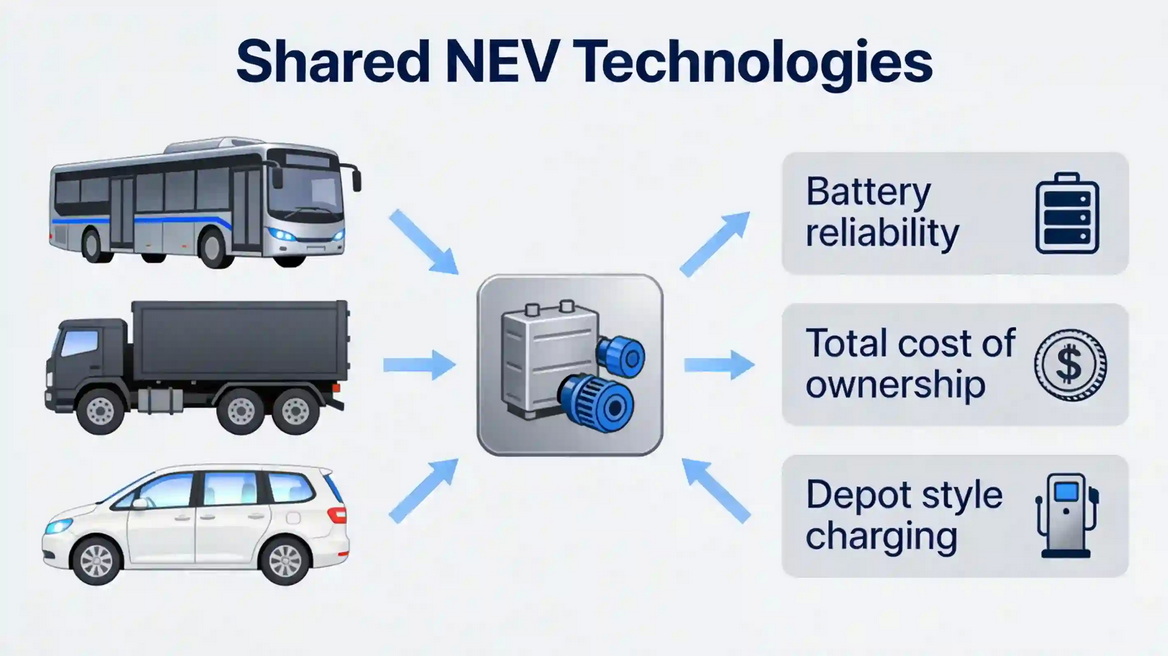
Why does this matter to a Motability driver choosing a 7‑seater? Because large regulated fleets tend to adopt mature, durable battery and drivetrain technologies first, and those solutions then filter down into mass‑market passenger cars. The lessons we see every day include:
- Battery reliability: long‑duty‑cycle buses and trucks demand stable battery chemistry and robust thermal management; those same packs are now appearing in family EVs and plug‑in hybrids.
- TCO focus: fleet buyers look at total cost of ownership, not just sticker price—encouraging designs that minimise maintenance and energy costs over 5–10 years.
- Charging strategies: depot‑style overnight charging is analogous to home charging; both reward vehicles that can reliably accept high charging rates without accelerated degradation.
In practice, when you look at a 7‑seat EV like the Vivaro Life Electric or future electric 7‑seaters, you are benefiting from a decade of learning from NEV buses and trucks that have already proven themselves under much harsher duty cycles than typical family use.
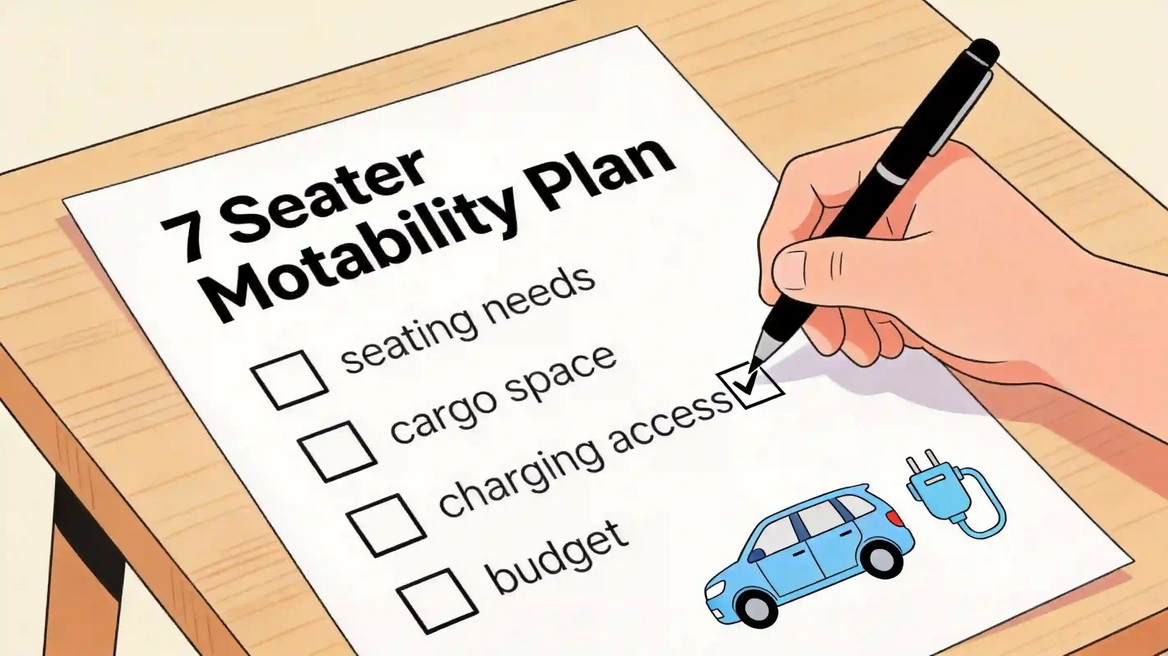
Drawing on both Motability user feedback and fleet‑operator practice, here is a practical checklist you can work through before committing.
Ask yourself:
1. How many people do you carry daily, not occasionally?
2. How often do you need full seven‑seat capacity?
3. What are the largest items you regularly transport (wheelchairs, powerchairs, hoists, oxygen equipment, prams)?
If you frequently carry seven people and equipment, MPV‑style designs like the Vivaro Life Electric or similar van‑based MPVs may fit better than compact SUVs. If seven seats are an occasional need, a C3 Aircross or 5008 can offer a better balance of comfort, size and efficiency.
Use these simple rules of thumb:
- Choose petrol or mild hybrid if you mainly drive short trips, cannot install a home charger and have limited access to public chargers.
- Consider full hybrid or plug‑in hybrid if you can charge at least a few times per week and want to reduce fuel use without committing to pure EV today.
- Go full electric if you have dedicated home or workplace charging and want the quietest, lowest‑maintenance experience, especially if you live in or near clean‑air zones.
From the bus and truck sector we know that partial electrification still leaves fleets exposed to fuel‑price volatility. The same is true for households, so where possible, planning for a full‑EV future can be more resilient.
Before you sign, test:
- Door opening angles and sill height with the actual person and equipment that will use them
- Seats' ability to slide, fold or be removed to support wheelchair access or hoist use
- Compatibility with Motability‑approved adaptations such as hand controls, steering aids or swivel seats
Many negative user reviews of Motability vehicles stem not from the base car but from poor adaptation planning and unrealistic expectations about interior space.
The following table summarises the four headline models discussed above as seen through an expert NEV and Motability lens.
If you are beginning your Motability 7‑seater journey, here is a clear, action‑oriented sequence you can follow:
1. List your top three non‑negotiables (for example: wheelchair space, home charging available, seven adults at least once a week).
2. Shortlist 2–3 vehicles that meet those needs on paper: one value‑led (for example, Dacia Jogger), one comfort‑led (for example, Peugeot 5008), and one maximum‑space option (for example, a Vivaro‑type MPV).
3. Book back‑to‑back test drives and adaptation consultations with Motability specialists, taking the people and equipment you will actually carry.
4. If you work with a fleet or transport provider, ask their NEV or sustainability manager which drivetrains and brands have proven most reliable under heavy use—they often have data Motability customers never see.
As a Chinese NEV supplier specialised in buses, heavy trucks and new energy vehicles, KeyChain can also help fleet operators and large organisations align their Motability and shuttle‑vehicle choices with broader electrification strategies, ensuring consistent charging, maintenance and total‑cost‑of‑ownership planning across their entire vehicle pool.
Contact us to get more information!
If you lack reliable home or workplace charging, a hybrid 7‑seater is a sensible interim step that cuts fuel use without introducing charging anxiety. If you already have charging access and mostly drive predictable routes, moving straight to a full electric MPV or SUV can deliver lower running costs and simpler maintenance from day one.
Large NEV fleets in China and elsewhere have already accumulated millions of electric kilometres under heavy loads and continuous operation. The battery, motor and charging technologies that survive that environment are typically the ones that filter into family‑size EVs and plug‑in hybrids, offering Motability drivers greater reliability and predictable total cost of ownership.
For some users, the footprint feels large at first, especially in tight city streets or small parking spaces. However, Motability users who regularly carry wheelchairs, powerchairs or multiple carers often report that the straight sides, higher roof and wider doors make daily life easier compared with squeezing into a smaller SUV. The key is to test drive in your real environment, not just around the dealership.
Not necessarily. A zero advance payment like some Dacia Jogger offers can be attractive upfront, but you should also consider fuel or electricity costs, insurance, tyre prices and any adaptation‑related expenses over the full lease term. In the bus and truck sectors we see that slightly higher capital cost can be outweighed by much lower operating costs over time; the same logic can apply to Motability choices.
Beyond official Motability information, it is worth reading independent customer reviews and looking for patterns: repeated complaints about communication, adaptation delays or servicing are red flags. Conversely, consistent praise for accessibility awareness and after‑sales care suggests you are more likely to have a smooth experience across the entire lease term.
1. Evans Halshaw. "The Best 7‑Seat Motability Cars in 2025 | Our Top Picks." https://www.evanshalshaw.com/blog/best-7-seater-motability-cars/
2. Auto Express. "Best 7‑seater cars for Motability." https://www.autoexpress.co.uk/best-cars-vans/365149/best-7-seater-cars-motability
3. Carwow. "Best 7‑seater Motability Cars of 2026." https://www.carwow.co.uk/motability-cars/7-seater
4. Carwow. "Best 7‑Seater Electric Cars of 2026." https://www.carwow.co.uk/electric-cars/7-seater
5. Carwow. "Best 7‑Seater Cars You Can Buy 2026." https://www.carwow.co.uk/7-seater-cars
6. Carwow. "Best Motability Cars to Buy in 2026." https://www.carwow.co.uk/motability-cars
7. Interact Analysis. "City Buses Drive Growth Of New Energy Commercial Vehicles In China." https://interactanalysis.com/insight/city-buses-drive-growth-of-new-energy-commercial-vehicles-in-china/
8. CleanTechnica. "China's Electrification Of Trucks, Buses, & Construction Vehicles Accelerates Rapidly." https://cleantechnica.com/2025/04/22/chinas-electrification-of-trucks-buses-construction-vehicles-accelerates-rapidly/
9. FIDI Focus. "China leads global surge in electric heavy trucks." https://www.fidifocus.org/on-the-wire/china-leads-global-surge-in-electric-heavy-trucks/
10. Atlantis Press. "Analysis of China's New Energy Truck Industry from a Supply Chain Perspective." https://www.atlantis-press.com/article/126023567.pdf
11. Yahoo Finance. "China Electric Bus Industry Research 2025." https://finance.yahoo.com/news/china-electric-bus-industry-research-155900998.html
12. Evans Halshaw. "Motability Scheme | Lease a Car | Discover the Latest Offers." https://www.evanshalshaw.com/motability/
13. Trustpilot. "Read Customer Service Reviews of evenshalshaw. com." https://www.trustpilot.com/review/evenshalshaw.com


