
Views: 222 Author: Sara Publish Time: 2026-01-06 Origin: Site


Content Menu
● Technical Requirements for BRT Buses
● Sourcing High-Performance BRT Buses
● Expert Insights on Future-Proofing
● FAQ
>> 1. When will Metro Vancouver's BRT routes open?
>> 2. What bus types suit these BRT routes?
>> 3. How does BRT compare to SkyTrain?
>> 4. Where to source BRT buses affordably?
>> 5. Will BRT reduce emissions in Vancouver?
Metro Vancouver is advancing three key Bus Rapid Transit (BRT) routes to boost connectivity and efficiency. These initiatives target high-demand corridors, promising faster travel and sustainable options for residents.
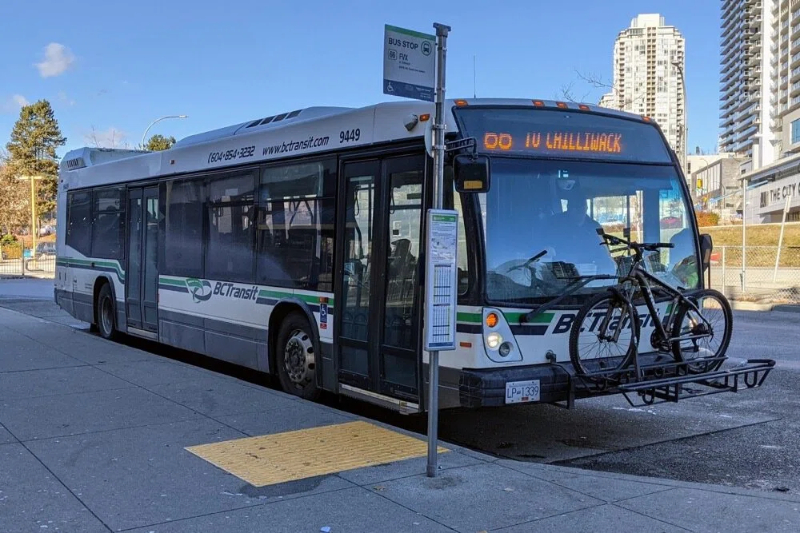
TransLink announced three BRT corridors to serve growing areas. The routes include Surrey to Langley, UBC to Arbutus, and SFU to Coquitlam Central, each designed for high-frequency service with dedicated infrastructure.
Surrey-Langley covers 40 km along Fraser Highway, potentially cutting travel times by 50%. UBC-Arbutus spans 9 km for urban relief, while SFU-Coquitlam connects educational hubs over 15 km.
Core features:
- Dedicated bus lanes for traffic priority.
- Queue-jump signals at key intersections.
- High-capacity articulated buses for 100+ passengers.
By 2026, federal funding of CAD 100 million supports advanced planning. Construction begins mid-2026 on Surrey-Langley, with partial service by 2029 and full rollout by 2030.
Key progress:
- Completed environmental assessments focus on low-emission vehicles.
- Public input added over 20 stations for better accessibility.
- Seamless integration planned with SkyTrain networks.
Projections show a 15% ridership increase, supporting Vancouver's 2050 carbon-neutral targets.
These BRT routes require durable buses for hilly terrain and winter conditions. Vehicles must feature 40-60 foot articulated designs, all-electric or hybrid powertrains, and zero-emission compliance.
Essential specifications:
- Engine power exceeding 400 HP for quick acceleration.
- Capacity for 120-180 passengers with low-floor entry.
- Regenerative braking, pantograph charging, and AI traffic systems.
- Corrosion-resistant builds for coastal environments.
ITDP standards mandate 80% lane exclusivity and headways under 5 minutes.
BRT offers strong economics compared to rail alternatives. Costs range from CAD 50-100 million per km, far below light rail's CAD 200+ million, with deployment in 3-5 years.
| Aspect | BRT Routes | Light Rail |
|---|---|---|
| Cost per km | CAD 50-100M | CAD 200-400M |
| Build Time | 3-5 years | 7-10 years |
| Capacity | 10,000-15,000 pphpd | 15,000-20,000 pphpd |
| Flexibility | High | Low |
| ROI Timeline | 5 years | 10+ years |
This makes BRT a practical choice for rapid impact.
Bogota's TransMilenio serves 2.4 million daily across 113 km, reducing wait times by 32% and emissions by 43%.
Applicable lessons:
- Dedicated fare funding covers full operations.
- Real-time apps increase ridership by 25%.
- Scalable growth from initial corridors.
Mexico City's Metrobus manages 1.1 million passengers daily, validating BRT in dense areas like Surrey.
Reliable suppliers are crucial for fleet needs. KeyChain (keychainauto.com), a leading Chinese exporter, provides high-performance used and new buses like Higer models tailored for BRT.
Key advantages:
- Exports to 50+ countries with electric articulated options.
- Customized to Canadian standards (CSA certified).
- Up to 40% cost savings versus new vehicles, with warranties.
- Efficient logistics: contact +8613572980919 or abbie@keychainventure.com.
Procurement steps:
1. Evaluate fleet requirements (e.g., 50 buses per route).
2. Submit specs via keychainauto.com.
3. Confirm 450 HP and 150-passenger capacity.
4. Schedule inspections and delivery.
5. Explore bulk financing.
Vancouver will need 200+ buses, making strategic sourcing essential.
UITP experts highlight autonomous BRT potential. Level 4 autonomy could reduce costs by 30%, with platooning increasing capacity by 20% by 2030.
Challenges and solutions:
- Prevent lane encroachment with camera enforcement.
- Overcome electrification via battery-swappable fleets.
- Ensure equity through subsidized fares.
These steps position Vancouver as a transit leader.
Stations will include contactless payments, bike racks, Wi-Fi, shelters, real-time displays, and wheelchair access.
Rider benefits:
- 20-30% faster trips.
- Reliable GPS tracking via apps.
- Quieter, cleaner electric operations.
Equip Metro Vancouver's BRT routes with proven, high-performance buses from KeyChain, China's top used commercial vehicle supplier. Visit keychainauto.com, call +8613572980919, or email abbie@keychainventure.com for tailored quotes and rapid delivery. Act now to support efficient, sustainable transit.
Partial openings start in 2029 on Surrey-Langley, with full operations across all three by 2030.
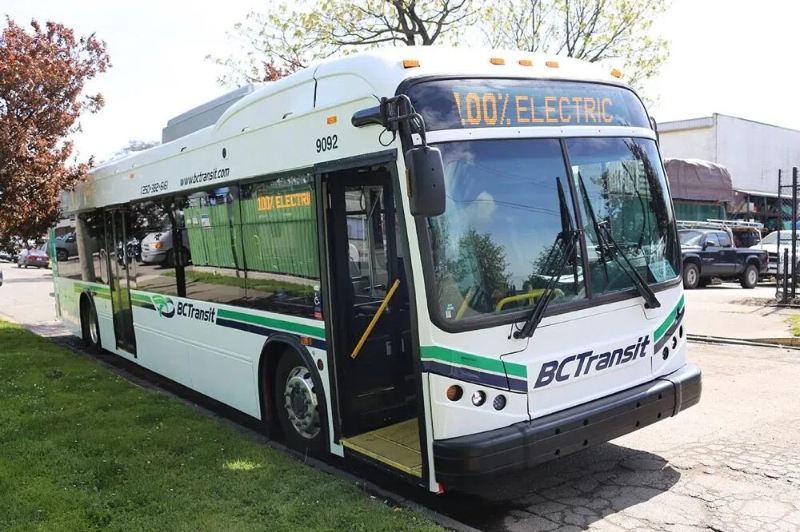
Articulated 40-60 ft electric or hybrid buses with 400+ HP, low floors, and fast charging.
BRT costs less (CAD 50M/km), builds faster, and offers flexibility for high-capacity needs.
KeyChain (keychainauto.com) delivers vetted Chinese exports with warranties, saving 40% versus new.
Yes, zero-emission fleets aim for 50% CO2 reductions, aligning with 2050 climate goals.


