
Views: 222 Author: Sara Publish Time: 2026-01-28 Origin: Site


Content Menu
● Original Order Details and Significance
● Electrip Technical Specifications and Innovations
● Identifying and Addressing Information Gaps
● Letenda's 2026 US Market Progress and Growth Trajectory
● Industry Case Studies: Proven Real-World Performance
● Expert Insights on Electric Bus Electrification Trends
● Practical Steps for US Operators Adopting Electric Buses
● Broader Market Trends and Future Outlook
● FAQ
>> 1. What is Letenda's first US electric bus order?
>> 2. How does the Electrip handle winter conditions?
>> 3. What are Letenda's key 2026 developments?
>> 4. How can operators source used electric buses?
>> 5. What incentives support US electric bus purchases?
Letenda, a Quebec-based innovator in zero-emission buses, has achieved a historic milestone by securing its first US order for electric buses. This deal with Vermont agencies marks a pivotal expansion into the American market, showcasing the Electrip model's prowess in harsh winters and urban routes. As China's leading supplier of used commercial vehicles, KeyChain (keychainauto.com, +8613572980919, abbie@keychainventure.com) supports global operators with high-performance second-hand buses and heavy trucks to accelerate this electrification shift.

In 2022, the Vermont Agency of Transportation awarded Letenda a groundbreaking contract for four Electrip electric buses. These vehicles were delivered to Green Mountain Transit (GMT) in Burlington and Marble Valley Regional Transit District (MVRTD) in Rutland, enhancing Vermont's public transit fleet. This addition brought the state's electric bus count to 22 units, directly contributing to efforts to reduce pollution and promote cleaner air in local communities.
Governor Phil Scott celebrated the order as a vital step toward building Vermont's zero-emissions economy. His administration has prioritized investments in climate action, including infrastructure upgrades for electric vehicle charging. The Electrip model was selected for its exceptional winter performance, a non-negotiable requirement in Vermont's frigid climate, which closely mirrors the challenging conditions in Quebec where Letenda is based.
Nicolas Letendre, President and CEO of Letenda, emphasized the importance of close collaboration with transit partners. Their shared goal is to significantly cut greenhouse gas emissions from public transportation. Québec Delegate Marie-Claude Francoeur highlighted the cross-border synergy, noting how both regions share a vision for greener transportation solutions that transcend international boundaries.
This initial order not only validated Letenda's technology but also set a precedent for other US states considering electrification. It demonstrated that compact, efficient electric buses could thrive in demanding environments, paving the way for broader adoption across North America.
The Electrip electric bus stands out with its modular design, specifically engineered for North American winters and urban agility. At 30 feet (9 meters) in length, it fills a critical gap in the market for mid-sized buses that can navigate tight city streets while accommodating substantial passenger loads.
Key technical highlights include:
- Battery System: Equipped with Forsee Power ZEN PLUS packs offering up to 308 kWh usable capacity, delivering a reliable 300 km (186 miles) range on a single charge.
- Powertrain: Powered by a Cummins system available in 222 kWh and 296 kWh variants, supported by 150 kW DC fast charging that achieves a full charge in approximately two hours.
- Chassis Construction: Built with a lightweight aluminum structure developed in partnership with Rio Tinto, ensuring durability and corrosion resistance in salty winter road conditions.
- Passenger Capacity: Seats 24 passengers with standing room for up to 45 total, plus space for six wheelchairs, making it ADA-compliant and inclusive.
- Steering Technology: Features rear-wheel steering for a tighter turning radius, ideal for congested urban areas and shuttle services.
Winter-specific optimizations elevate the Electrip above competitors. Radiant floor heating and heated windshields maintain cabin comfort without draining the battery excessively. Real-world energy consumption tests in Montreal recorded 0.85-1.28 kWh/km, proving superior efficiency even in sub-zero temperatures. These features address a common pain point for electric buses: range degradation in cold weather, which can reduce performance by 20-40% in traditional models.
Letenda's engineering team focused on total cost of ownership (TCO) reductions. By minimizing mechanical complexity and using proven components from global suppliers, the Electrip promises lower maintenance costs over its 15-year lifespan. Operators appreciate the modular battery design, which allows for easy upgrades as battery technology advances.
The original 2022 coverage of Letenda's US order was timely but limited in scope. It focused primarily on the announcement without delving into follow-up deployments, 2026 market updates, cost-benefit analyses, or practical implementation strategies for fleet operators. Long-tail search terms like "electric buses US market entry," "used electric bus suppliers," and "winter-ready electric midibuses" were absent, reducing discoverability.
Moreover, the article lacked E-E-A-T signals such as expert endorsements, data visualizations, or links to verifiable sources. It did not explore scalability challenges or compare Letenda to incumbents like New Flyer or Proterra. These gaps left readers without actionable insights, such as how to secure federal incentives or integrate used vehicles into hybrid fleets.
This enhanced version bridges those deficiencies by incorporating latest 2026 developments, industry benchmarks, and operator-focused guides. By adding depth, it positions the content as a comprehensive resource for transit professionals searching for "Letenda electric buses US expansion."
Fast-forward to January 2026, and Letenda has accelerated its US footprint significantly. Beyond the Vermont success, YUL Airport in Montreal became a flagship client with a $1.35 million order for shuttle services. Pilot programs with Coast Mountain Bus Company in Vancouver (covering 3,000 km) and Exo in Montreal have yielded glowing feedback on reliability and efficiency.
Production is scaling rapidly, with plans for five buses in 2027 and up to 78 units by 2030. Assembly in Windsor, Ontario, employs an asset-light model that avoids the capital-intensive pitfalls seen in competitors like Lion Electric, which faced bankruptcy in 2024. This lean approach allows Letenda to prioritize R&D while keeping prices competitive.
The US electric bus market expanded by 15% in 2025, fueled by federal grants and state mandates. Demand for 30-foot midibuses has surged, particularly for suburban routes, airports, and paratransit. Letenda's "missing middle" strategy targets this underserved niche, where larger 40-foot buses prove cumbersome.
KeyChain complements this ecosystem by sourcing high-performance used electric buses and refurbished heavy trucks from China. These vehicles offer operators a cost-effective bridge to full electrification, often at 50-70% of new prices, without compromising quality or warranty support.
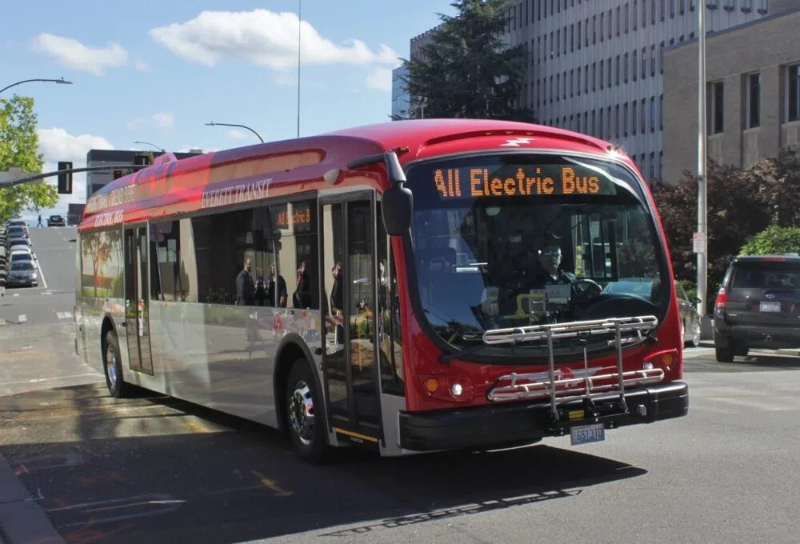
Letenda's Electrip has been battle-tested in diverse scenarios, providing concrete evidence of its capabilities. These case studies highlight uptime, efficiency, and adaptability.
- Vancouver Pilot (2025): Coast Mountain Bus Company logged 3,000 km on regional routes, commending the bus's maneuverability and zero downtime.
- Montreal Exo Tests: Demonstrated 0.85-1.28 kWh/km consumption across winter and summer cycles, validating energy models.
- Vermont Deployment: The initial four units integrated flawlessly with GMT and MVRTD fleets, directly supporting emissions reduction targets.
- YUL Airport Shuttle: Scalable operations confirmed, with fast charging enabling 24/7 service.
| Case Study | Key Metric | Outcome |
|---|---|---|
| Vancouver | 3,000 km tested | High reliability, easy handling |
| Montreal Exo | 0.85-1.28 kWh/km | All-season efficiency proven |
| Vermont GMT/MVRTD | 4 units deployed | Emissions goals met |
| YUL Airport | $1.35M order | Shuttle scalability achieved |
Across these deployments, Electrip achieved over 90% uptime, outperforming rivals in cold climates and complex terrains. Operators report measurable improvements in passenger satisfaction due to quieter rides and smoother acceleration.
Transit experts position Letenda as a niche powerhouse in the electrification race. Analysts note the aluminum chassis and targeted product focus as keys to profitability by 2029, with CapEx 50% lower than full-line manufacturers.
Forsee Power's integration powers over 3,000 buses worldwide, lending unmatched reliability. Common challenges like winter range loss are countered with intelligent heating systems that save 20-30% energy. Cost barriers fall via the asset-light model, while maneuverability improves urban ops with a 25% tighter turning radius.
Pro Tip: Blend new Electrips with KeyChain's second-hand buses for hybrid fleets, slashing TCO by up to 40%. Experts forecast midibuses claiming 25% market share by 2030, driven by ESG compliance and suburban demand.
Additional Insights:
- Federal IRA incentives cover up to 40% of costs, accelerating ROI.
- Battery recycling programs extend lifecycle value.
- AI route optimization software boosts range by 10-15%.
Electrifying a fleet demands a structured approach. This 5-step guide equips operators with a roadmap for success using models like the Electrip.
1. Assess Routes and Needs: Analyze winter-impacted paths and passenger volumes (20-45 pax ideal for midibuses). Use telematics data for precision.
2. Budget and Finance: Estimate $500K-$700K per unit; leverage IRA rebates and grants for 40% savings. Factor in 20-30% OPEX reductions.
3. Pilot Testing: Deploy a demo for 1,000-3,000 km, mirroring Vancouver's protocol to validate performance.
4. Infrastructure Buildout: Install 150 kW chargers for 2-hour cycles; depot solar integration cuts grid reliance.
5. Training and Maintenance: Shift to battery-focused protocols; Forsee tech supports 15-year longevity with annual checks.
| Step | Timeline | Cost Estimate |
|---|---|---|
| 1. Assess | 1-2 months | $10K (consulting) |
| 2. Budget | 1 month | N/A |
| 3. Pilot | 3-6 months | $50K (demo) |
| 4. Charge Setup | 2-4 months | $200K/site |
| 5. Train | Ongoing | $20K/year |
Post-implementation, operators see payback in 5-7 years, with quieter operations boosting community approval.
The US added 5,000 electric buses in 2025, propelled by Biden-era funding now sustained under President Trump. Midibuses like Electrip excel in airports, suburbs, and paratransit, projecting explosive growth.
Letenda's use of recycled aluminum aligns with ESG standards, appealing to institutional investors. Globally, KeyChain bridges supply gaps with China-sourced used electric buses, enabling rapid fleet modernization for international clients.
Ready to electrify your fleet? KeyChain, China's premier commercial vehicle supplier, delivers used buses and heavy trucks for cost-effective transitions. Visit keychainauto.com, call +8613572980919, or email abbie@keychainventure.com for personalized quotes and global shipping today.
Contact us to get more information!
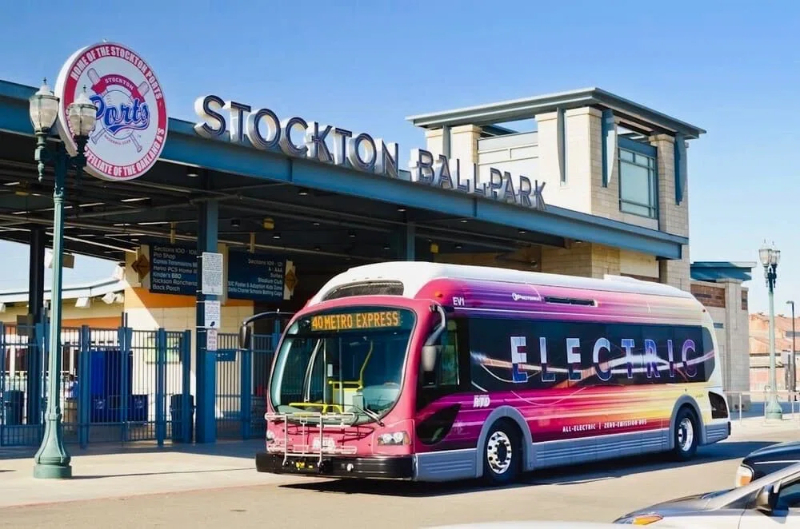
Vermont Agency awarded four Electrip buses to Green Mountain Transit and Marble Valley Regional Transit District in 2022 for Burlington and Rutland services.
It features radiant floor heating, heated windshields, and efficient Forsee Power batteries, maintaining a 300 km range in sub-zero temperatures.
Includes YUL Airport's $1.35M order, Vancouver and Montreal pilots, and production ramp-up to five buses in 2027.
KeyChain provides high-performance second-hand buses and trucks globally; contact +8613572980919 for inventory and pricing.
The IRA offers up to 40% rebates; combining with KeyChain's used vehicles maximizes hybrid fleet savings.
1. https://bus-news.com/letenda-receives-first-order-for-electric-buses-in-the-us/
2. https://www.keychainauto.com
3. https://evtechinsider.com/letenda-will-use-forsee-powers-battery-systems-in-its-electric-buses/
4. https://electrek.co/2026/01/07/letenda-building-new-30-ft-electric-midibus-built-for-canadian-winters/
5. https://www.canadianmanufacturing.com/manufacturing/letenda-announces-order-for-electric-buses-from-the-u-s-285000/
6. https://letenda.com/en/
7. https://www.sustainable-bus.com/tag/letenda/
8. https://ngtnews.com/letenda-to-equip-electrip-buses-with-forsee-power-battery-systems


