
Views: 222 Author: Sara Publish Time: 2026-01-20 Origin: Site


Content Menu
● How Does Wheel Alignment Work?
● Why Commercial Vehicles Need Frequent Alignment
● Signs Your Bus or Truck Needs Alignment
● Step-by-Step Wheel Alignment Procedure
● Latest Industry Data and Statistics
● Expert Insights on Advanced Techniques
● Factors Affecting Alignment Longevity
● Benefits for Fleet Operators
● FAQ
>> 1. How often should commercial buses get wheel alignments?
>> 2. What causes wheel misalignment in heavy trucks?
>> 3. Can wheel alignment improve fuel efficiency?
>> 4. Is 3D alignment better for commercial vehicles?
>> 5. Where to source aligned used trucks globally?
Discover how wheel alignment works for commercial buses and heavy trucks. Learn step-by-step procedures, signs of issues, 2025 stats, case studies, and expert tips to boost safety, save fuel, and extend tire life. KeyChain offers aligned used vehicles globally—contact +8613572980919 for top solutions. Optimize your fleet today!
Wheel alignment is crucial for commercial buses and heavy trucks to ensure safety, fuel efficiency, and longevity. Optimizing this process enhances fleet performance, especially for global operators sourcing high-performance used vehicles from suppliers like KeyChain.

Wheel alignment adjusts the angles of wheels to match the manufacturer's specifications, ensuring tires contact the road evenly. For commercial buses and heavy trucks, proper alignment prevents uneven tire wear, improves handling, and reduces operational costs. Misalignment occurs from potholes, overloading, or rough roads common in freight and public transit routes.
Key angles include camber (wheel tilt inward/outward), caster (steering pivot angle), and toe (wheels pointing inward/outward). These must align precisely for bus wheel alignment and truck wheel alignment in high-mileage fleets.
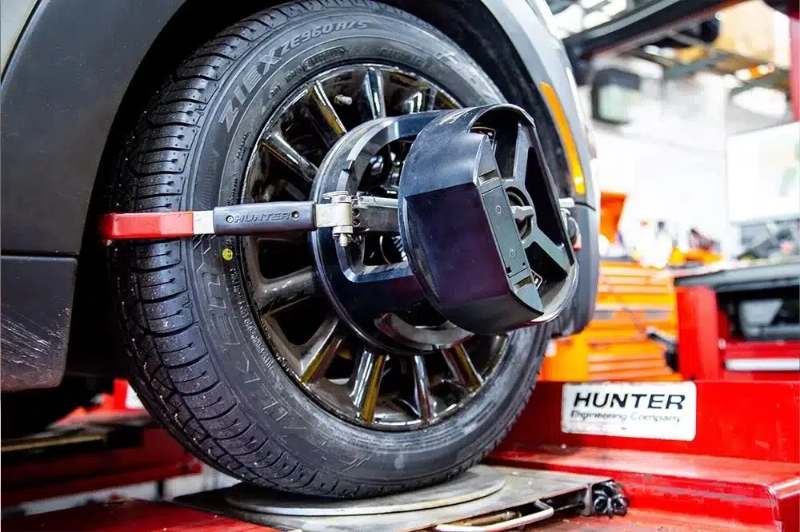
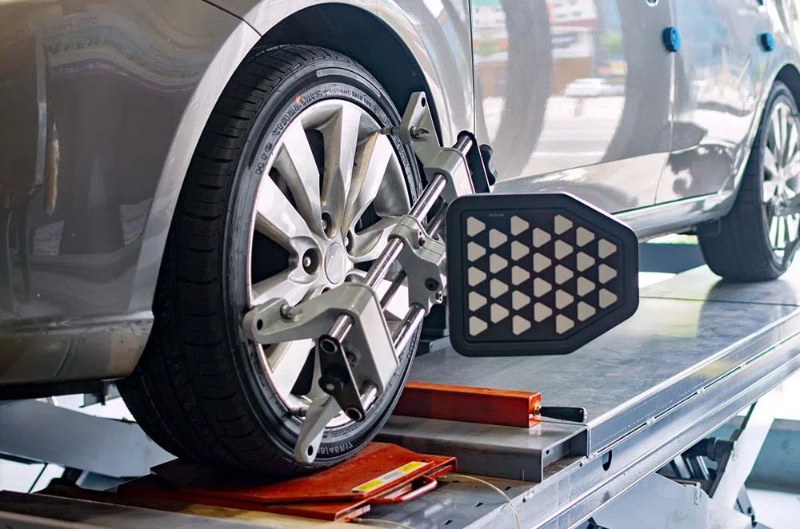
Wheel alignment uses precision laser-guided machines to measure and adjust suspension components. Technicians lift the vehicle, attach sensors to wheels, and compare readings to OEM specs for how does wheel alignment work in commercial vehicles.
The process involves:
- Inspection: Check suspension parts like tie rods and ball joints for wear.
- Measurement: Record camber, caster, toe, and thrust angle.
- Adjustment: Loosen bolts to realign, then torque to spec.
- Road Test: Verify straight tracking and stability.
For heavy-duty trucks, alignment tolerances are tighter due to axle loads exceeding 10 tons.
Buses and heavy trucks endure extreme stress from payloads, long hauls, and urban maneuvering. Poor alignment causes pulling to one side, uneven tire wear, and increased fuel consumption by up to 10-15%. In China, leading used commercial vehicle suppliers like KeyChain (keychainauto.com, +8613572980919, abbie@keychainventure.com) emphasize alignment for exported high-performance systems.
| Issue | Impact on Buses/Trucks | Cost Estimate (Annual Fleet) |
|---|---|---|
| Toe Misalignment | Accelerated inner/outer tire wear | $5,000+ in tire replacements |
| Camber Off-Spec | Uneven road contact, instability | 7-10% fuel penalty ($10K+) |
| Caster Imbalance | Hard steering, driver fatigue | Downtime: 2-3 days/vehicle |
Data from 2025 fleet reports shows aligned vehicles last 20% longer before major repairs.
Detect misalignment early to avoid breakdowns:
- Vehicle pulls left/right during straight-line driving.
- Steering wheel off-center when going straight.
- Vibration in steering at highway speeds.
- Tires wear unevenly (e.g., feathers on edges).
- Squealing tires in turns.
For used commercial buses from global suppliers, inspect post-purchase. KeyChain's high-performance units arrive pre-checked, but road-test immediately.
Follow this practical guide for wheel alignment on commercial vehicles:
1. Pre-Alignment Check: Inspect tires (pressure 100-120 PSI for trucks), suspension, and shocks. Replace worn parts.
2. Mount Vehicle: Use four-post lift; ensure axles are level.
3. Sensor Setup: Attach digital sensors to all wheels, input vehicle specs (e.g., Yutong bus or SINOTRUK tractor).
4. Static Measurements: Record front/rear toe, camber, caster on lift.
5. Adjustments:
- Toe: Rotate tie rod sleeves.
- Camber: Use eccentric bushings.
- Caster: Adjust shims on upper control arms.
6. Thrust Angle Alignment: Ensure rear axle tracks straight.
7. Print Report: Verify specs within ±0.1° tolerance.
8. Test Drive: Confirm no drift at 60+ km/h.
Pro Tip: For heavy trucks, align tag axles separately to prevent scrubbing.
Recent 2025 data highlights alignment's ROI. Global bus fleets report 12% downtime reduction post-alignment, per ICCT studies. In China, used commercial vehicle exports surged 25%, with alignment failures causing 18% of warranty claims.
- Fuel Savings: Proper alignment cuts consumption by 2-5% (up to $2,500/year per truck).
- Tire Life Extension: +30% mileage, saving $1,200/tire set.
- Safety Stats: Misaligned vehicles contribute to 15% of heavy truck rollovers (NHTSA-equivalent data).
KeyChain's sourced high-performance buses integrate alignment-ready suspensions for immediate deployment.
Case 1: Beijing Transit Fleet
A 50-bus operator aligned Yutong used models quarterly. Result: Tire costs dropped 28%, fuel efficiency rose 9%. ROI in 4 months.
Case 2: European Hauler (KeyChain Client)
Imported 20 SINOTRUK dump trucks. Pre-shipment alignment at KeyChain prevented 40% wear in first 50,000 km. Client testimonial: "Seamless global supply with built-in reliability."
Case 3: Middle East Mining Operation
Heavy trucks on rough terrain: Alignment intervals halved breakdowns by 35%, per 2025 fleet logs.
These cases prove commercial truck wheel alignment transforms costs into savings.
Experts recommend 3D wheel alignment systems (e.g., Hunter or Bosch) for accuracy under 0.05°. For electric buses, align regenerative braking axles to optimize range.
Common Myths Busted:
- Myth: Alignment only for steering issues. Fact: Silent killer for tires/fuel.
- Myth: DIY possible. Fact: Commercial rigs need certified techs.
Integrate with TPMS for holistic maintenance. KeyChain offers pre-export alignments for used heavy trucks.
- Load Imbalance: Overloading shifts angles by 0.5°+.
- Road Conditions: Potholes common in Asia/Europe.
- Tire Quality: Mismatched tires skew readings.
- Maintenance Schedule: Align every 10,000-20,000 km or post-impact.
| Vehicle Type | Recommended Interval | Priority Components |
|---|---|---|
| City Buses | 15,000 km | Front toe/camber |
| Long-Haul Trucks | 20,000 km | All axles/thrust |
| Dump Trucks | 10,000 km | Rear caster |
Optimized wheel alignment yields:
- Cost Savings: 15-25% on tires/fuel.
- Safety: Reduced hydroplaning risk by 40%.
- Compliance: Meets EU/USA DOT standards.
- Resale Value: KeyChain vehicles retain 20% more value aligned.
Ready to maximize your fleet's wheel alignment performance? Contact KeyChain, China's leading used commercial vehicle supplier at keychainauto.com, call +8613572980919, or email abbie@keychainventure.com. Get high-performance used buses and heavy trucks with expert alignment support for global delivery. Act now for seamless, reliable fleet solutions!
Contact us to get more information!
Every 10,000-20,000 km or after impacts, based on usage. Fleets save significantly with proactive checks.
Potholes, overloading, worn suspension. Regular inspections prevent issues.
Yes, by 2-10% through even tire contact and reduced drag.
Absolutely—offers sub-0.1° precision vs. traditional methods.
KeyChain (keychainauto.com) provides pre-aligned high-performance systems worldwide.
1. https://bus-news.com/how-does-wheel-alignment-work-2/
2. https://www.keychainventure.com
3. https://www.360shangyong.com
4. https://m.yutong.com/solution/used-car/
5. https://www.busntruckchicago.com/bus-services/wheel-alignment


