Content Menu
● Honda Vezel Overview and Core Highlights
● Exterior Design: SUV Stance Meets Coupe Silhouette
>> Front-End Styling
>> Side Profile and Rear Design
>> Aerodynamics and Practical Details
● Interior Design and Expansible Cockpit Concept
>> Dashboard and Materials
>> Seating Comfort and Space
● Practicality and Magic Seat Flexibility
● Powertrains: 1.5L Gasoline and Hybrid Options
>> 1.5L L15B Naturally Aspirated Engine
>> 1.5L Hybrid: i‑DCD and e:HEV Systems
>> FWD and AWD Drivetrain Options
● Fuel Economy and Real‑World Use Cases
● Safety Features and Structural Design
>> Passive Safety and Body Structure
>> Airbags and Restraint Systems
>> Active Safety and Driver Assistance
● Convenience and Driving Assistance Functions
>> Electronic Parking Brake and Auto Brake Hold
>> Reactive Force Pedal
● Comfort, Climate Control, and Infotainment
>> Climate Control and Cabin Environment
>> Infotainment and Connectivity
● Honda Vezel vs. Key Rivals
● Used Honda Vezel Buying Tips
>> 1. Define Your Use Case and Budget
>> 2. Key Mechanical Checks
>> 3. Chassis, Body, and Accident History
>> 4. Service Records and Mileage
>> 5. Test Drive Evaluation
● Vezel in Light Commercial and Fleet Applications
● Is the Honda Vezel Right for You?
● Summary and Call to Action
● FAQs
>> 1. What is the difference between the Honda Vezel and the Honda HR‑V?
>> 2. Is the hybrid version of the Honda Vezel worth it?
>> 3. Is the Honda Vezel suitable for long‑distance highway travel?
>> 4. Should I choose FWD or AWD for the Vezel?
>> 5. Is the Honda Vezel a good choice for ride‑hailing or taxi use?
>> 6. How does the Honda Vezel compare to the Toyota Corolla Cross?
>> 7. What should I pay attention to when buying a used Honda Vezel?
● Citations:
The Honda Vezel (sold as the Honda HR‑V in many export markets) has built a strong reputation as a compact crossover SUV that effectively balances daily usability, fuel efficiency, and interior flexibility. This in‑depth guide fully restructures and expands the original article to meet modern search and user needs, while providing a comprehensive, easy‑to‑read resource for buyers and fleet users.
Honda Vezel Overview and Core Highlights
The Honda Vezel is a 5‑door, 5‑seat subcompact crossover SUV that combines elements of an SUV, a coupe, and a compact MPV. It debuted at the 2013 Tokyo Motor Show and has since become one of Honda's key global products under the HR‑V name in many markets.
Key positioning points include:
- Compact footprint suitable for crowded cities, with a surprisingly roomy interior
- Focus on fuel efficiency and practicality rather than outright performance
- Availability of both gasoline and hybrid powertrains, plus FWD and AWD options
For buyers, the Vezel sits between a traditional hatchback and a full‑size SUV, delivering elevated seating and better visibility without the bulk and running costs of larger SUVs.
Exterior Design: SUV Stance Meets Coupe Silhouette
One of the Vezel's most distinctive features is its exterior styling, which blends SUV toughness with coupe‑like sleekness. The design aims to deliver a dynamic, youthful look while maintaining practicality.
Front-End Styling
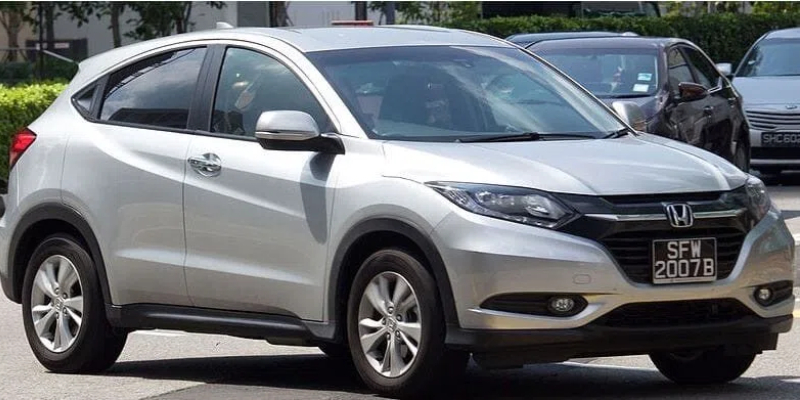
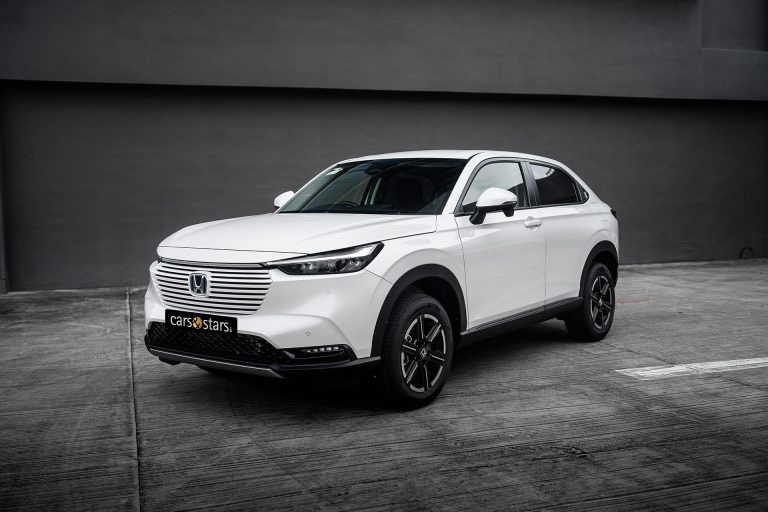
The front of the Vezel features a bold grille that visually connects with the headlights, giving the car a wider and more planted stance. Many trims are equipped with LED headlights and LED daytime running lights, improving both aesthetics and nighttime visibility. The sculpted bumper and under‑guard elements emphasize the SUV character, adding perceived robustness and presence on the road.
Side Profile and Rear Design
From the side, the Vezel's rising beltline and sloping roof create a coupe‑like profile. The rear door handles are integrated into the C‑pillar area, visually simplifying the side design and contributing to the impression of a two‑door coupe. At the rear, the taillights often include LED guide strips, which form a signature light pattern when illuminated. This enhances night‑time recognition and adds a more premium, high‑tech feel.
Aerodynamics and Practical Details
The body lines are carefully shaped to reduce drag, which supports fuel economy and stability at highway speeds. Subtle design elements around the mirrors, roofline, and rear end help manage airflow, lower wind noise, and improve refinement. Overall, the exterior design strikes a balance between style, practicality, and efficiency, making the Vezel attractive to both young drivers and small families.
Interior Design and Expansible Cockpit Concept
The interior of the Honda Vezel is built around Honda's "Expansible Cockpit" concept, which emphasizes an open, airy feel and efficient use of space. Despite its compact external dimensions, the cabin feels larger than expected, particularly in terms of headroom and legroom.
Dashboard and Materials
The dashboard is subtly angled toward the driver, providing a cockpit‑like feel while keeping controls within easy reach. Soft‑touch materials are used in key contact areas such as the upper dash, door armrests, and center console, creating a more premium tactile impression. Contrasting trim elements, such as metallic accents or piano‑black surfaces (depending on grade), help visually elevate the cabin and distinguish it from more basic economy cars.
LED interior lighting, including dome lights and map lights, contributes to a modern and refined atmosphere while using less power and generating less heat than conventional bulbs. The combination of soft materials and thoughtful lighting design makes the cabin feel more upscale than many competitors in the same class.
Seating Comfort and Space
The front seats offer good support and cushioning for long drives, with bolstering tuned to balance comfort and lateral support. The elevated driving position enhances forward visibility, aiding confidence in tight city streets and parking situations.
In the rear, legroom and headroom are generous for a subcompact SUV, making the Vezel a comfortable option for passengers on longer journeys. The relatively flat floor (in many versions) improves foot space for the center passenger and aids overall comfort.
Practicality and Magic Seat Flexibility
Practicality is a major strength of the Honda Vezel. In many markets and model years, the car features Honda's well‑known “Magic Seat” system or similar flexible rear‑seat configurations, which greatly expand cargo possibilities.
Key practicality advantages include:
- Rear seats that can be folded down in multiple configurations to accommodate long or bulky items
- A relatively low cargo floor height to ease loading and unloading
- The ability to flip up rear seat cushions in some variants to carry tall objects in the rear footwell area
Up front, the elevated center console creates a semi‑floating design, leaving a large open storage area beneath. This space can hold bags, small boxes, or electronic devices out of direct view. Cupholders with adjustable depth add versatility for different cup and bottle sizes. Overall, the Vezel's cabin layout prioritizes everyday usability and storage flexibility.
Powertrains: 1.5L Gasoline and Hybrid Options
The Honda Vezel is typically offered with two main engine choices, depending on market and model year: a 1.5‑liter naturally aspirated gasoline engine and a 1.5‑liter hybrid system that pairs an engine with an electric motor.
1.5L L15B Naturally Aspirated Engine
The 1.5L L15B direct‑injection DOHC i‑VTEC engine is designed for efficiency and smoothness. It usually produces around 80 kW (110 hp) at about 5,800 rpm. While not a high‑performance unit, it offers adequate acceleration for city and suburban driving, especially when paired with a well‑calibrated CVT.
Transmission options for this engine typically include:
- A continuously variable transmission (CVT) optimized for fuel economy and smoothness
- CVT variants with steering‑wheel‑mounted paddle shifters, allowing simulated gear steps for a more engaging feel
This combination provides linear acceleration and low fuel consumption, particularly in stop‑and‑go traffic where the CVT can keep the engine in its most efficient operating range.
1.5L Hybrid: i‑DCD and e:HEV Systems
The hybrid version of the Vezel employs Honda's advanced hybrid technology. Earlier generations use the i‑DCD (Intelligent Dual Clutch Drive) system, pairing a 1.5L engine with an electric motor and a 7‑speed dual‑clutch transmission. Newer models in some markets adopt the e:HEV system, which emphasizes electric‑driving feel and seamless engine engagement.
Main characteristics of the hybrid variants include:
- Combination of a 1.5L engine with a high‑output electric motor
- System output that approaches or surpasses a typical 2.0L naturally aspirated engine in everyday driving
- Strong low‑speed torque from the electric motor, making city acceleration feel more responsive
- A 7‑speed DCT or dedicated hybrid transmission designed to maximize efficiency and smooth power delivery
For drivers who spend a lot of time in urban traffic or who prioritize fuel savings, the hybrid Vezel can significantly reduce fuel expenses compared to a purely gasoline vehicle of similar size.
FWD and AWD Drivetrain Options
The Vezel is offered with:
- Front‑wheel drive (FWD), which is lighter and more efficient, making it ideal for typical city and highway use
- All‑wheel drive (AWD), which enhances traction in slippery conditions such as rain, snow, or gravel roads
For most urban buyers, FWD delivers the best balance of cost and efficiency. Those living in colder regions or who frequently drive on unpaved or poorly maintained roads may find AWD versions more reassuring.
Fuel Economy and Real‑World Use Cases
Fuel economy is one of the Vezel's strongest selling points, particularly in hybrid form. While exact figures vary by market, model year, and driving conditions, the 1.5L gasoline variant commonly returns around 6.7 L/100 km in mixed driving. The hybrid version usually improves on this, especially in dense urban environments with frequent starts and stops.
Typical usage scenarios include:
- Daily commuting: The combination of a compact footprint, light steering, and low fuel consumption makes the Vezel highly suitable for city commuters who face traffic and parking challenges.
- Small family use: Families benefit from the roomy back seat, flexible cargo space, and comfortable ride on longer trips.
- Ride‑hailing and shared mobility: Operators appreciate the balance of interior room, fuel efficiency, and reliability, which helps reduce total operating costs over high annual mileage.
When driven sensibly, the Vezel often proves cheaper to run than many larger SUVs or older‑generation compact sedans with less efficient engines.
Safety Features and Structural Design
The Honda Vezel incorporates both structural safety and active safety technologies to provide comprehensive protection for occupants and pedestrians.
Passive Safety and Body Structure
A key component of the Vezel's safety package is Honda's Advanced Compatibility Engineering (ACE) body structure. This framework is designed to better manage crash energy in a frontal collision, distributing forces more evenly across the front of the vehicle and helping protect occupants.
Additionally, the front end incorporates pedestrian‑protection measures. These features aim to reduce the severity of injuries to pedestrians in the event of a collision by optimizing hood structure, bumper design, and other crush zones.
Airbags and Restraint Systems
Depending on trim and market, the Vezel can be equipped with:
- Front airbags for driver and passenger
- Side airbags for front occupants
- Side curtain airbags extending protection along the side windows for both front and rear passengers
These systems work in conjunction with seatbelts and pretensioners to help mitigate injuries in side and frontal impacts.
Active Safety and Driver Assistance
Some variants of the Vezel are fitted with advanced driver‑assistance systems such as:
- Low‑speed automatic braking or "City‑Brake Active System," designed to help avoid or mitigate low‑speed collisions with vehicles or obstacles ahead
- Stability and traction control systems to maintain vehicle control in challenging conditions
- Anti‑lock braking system (ABS) with electronic brake‑force distribution (EBD) for improved braking stability
Depending on market and model year, additional features such as lane‑keeping assist, adaptive cruise control, and collision mitigation braking may also be available as part of Honda's broader safety suite.
Convenience and Driving Assistance Functions
Beyond core safety systems, the Vezel also offers several convenience features that improve everyday usability and driving comfort.
Electronic Parking Brake and Auto Brake Hold
An electronic parking brake (EPB) replaces the traditional handbrake lever with a compact switch. Pulling the switch engages the parking brake, and it is typically released automatically when the driver presses the accelerator with a gear selected. This frees space in the center console and simplifies hill starts.
The Auto Brake Hold function is especially useful in heavy traffic and at traffic lights. When activated, it keeps the vehicle stationary after the driver comes to a complete stop and releases the brake pedal. As soon as the driver presses the accelerator, the system releases the brakes, enabling a smoother and less tiring driving experience in stop‑and‑go scenarios.
Reactive Force Pedal
Some Vezel models feature a Reactive Force Pedal system that modulates accelerator pedal resistance. When the driver depresses the pedal too aggressively, especially in slippery conditions or when the system detects inefficient driving, the pedal can push back slightly. This feedback encourages smoother acceleration, helps maintain traction on low‑grip surfaces, and can improve fuel efficiency by discouraging unnecessary hard acceleration.
Comfort, Climate Control, and Infotainment
Comfort and ease of use have a big influence on how satisfying a car feels day to day, and the Vezel addresses these areas with thoughtful design.
Climate Control and Cabin Environment
The Vezel typically features a fully automatic climate control system. Many trims come with a wide, horizontally oriented air‑vent layout on the passenger side, designed to distribute air flow more evenly and reduce the discomfort of direct cold or hot air blowing on occupants.
Sound insulation measures around the engine bay, floor, and doors help reduce noise and vibration inside the cabin. This contributes to a more relaxed atmosphere during highway cruising and long journeys.
Infotainment and Connectivity
Depending on region and trim, the Vezel offers:
- A central touchscreen interface for audio, navigation, and vehicle settings
- Bluetooth connectivity for hands‑free calling and audio streaming
- USB or auxiliary inputs for connecting external devices
- Smartphone integration features on newer models to mirror selected apps
While the exact system varies, the overall aim is to deliver intuitive controls and sufficient connectivity for modern users who rely heavily on their phones and digital services.
Honda Vezel vs. Key Rivals
In the subcompact crossover segment, the Honda Vezel competes with models such as the Toyota Corolla Cross and Mazda CX‑30, among others. Each has its own strengths, and understanding these differences helps buyers make a better decision.
Against Toyota Corolla Cross:
- The Corolla Cross often offers slightly stronger hybrid system output and highly competitive fuel economy.
- The Vezel tends to stand out for its clever interior packaging, flexible seating, and cockpit design that feels more airy and adaptable.
Against Mazda CX‑30:
- The CX‑30 emphasizes driving dynamics, with firmer suspension tuning and engines that lean toward performance.
- The Vezel focuses more on comfort, economy, and practical cargo solutions, appealing to those who prioritize daily usability over sporty handling.
Overall, the Vezel is a strong all‑rounder, especially for buyers who value space efficiency and fuel economy more than outright power.
Used Honda Vezel Buying Tips
For many buyers, especially in export markets, the Honda Vezel is most commonly encountered as a used import. Evaluating a used Vezel carefully can help avoid problems and maximize value.
1. Define Your Use Case and Budget
Before shopping, clarify how the vehicle will be used:
- City commuter and family duty: a 1.5L gasoline or hybrid FWD model will typically offer the best balance of price and running costs.
- Frequent highway, mountain, or rough‑road driving: consider AWD variants for better traction and stability.
Setting a realistic budget and target age/mileage range will narrow your search and help you compare similar vehicles more easily.
2. Key Mechanical Checks
When inspecting a used Vezel, pay close attention to:
- Engine behavior: Check for smooth idle, clean acceleration, and easy cold starts. Listen for abnormal knocking or ticking sounds.
- Transmission performance:
- CVT: ensure there is no excessive shuddering, slipping, or delay when accelerating.
- DCT (hybrid): confirm that shifts are smooth and that low‑speed operation is not jerky.
- Warning lights: Make sure no engine, hybrid, or stability control warning lights remain on during a test drive.
For hybrid models, it is especially important to assess the condition of the high‑voltage battery and associated components, as repair or replacement can be costly if neglected.
3. Chassis, Body, and Accident History
Inspect the underside and body for signs of:
- Rust or corrosion, especially in vehicles previously operated in regions with harsh winters or salty roads
- Poorly aligned panels, inconsistent paint, or visible welds that may indicate past accidents or structural repairs
- Suspension noises over bumps, which could point to worn bushings, shocks, or control arms
A professional inspection or third‑party pre‑purchase report is strongly recommended for peace of mind.
4. Service Records and Mileage
The ideal used Vezel will have:
- Regular oil changes documented in service books or invoices
- Scheduled replacement of fluids, filters, and wear items according to Honda guidelines
- Transparent mileage history without major unexplained gaps
Vehicles with consistent maintenance often provide better long‑term reliability, even if their odometer reading is moderate or slightly higher than average.
5. Test Drive Evaluation
A thorough test drive is crucial. During the drive, check:
- Steering feel and straight‑line stability
- Braking performance and pedal feel
- Ride comfort over bumps and uneven surfaces
- Presence of unusual odors or rattles in the cabin
The car should feel predictable, confidence‑inspiring, and free from major mechanical or structural issues. Any doubts raised during the test drive should be investigated before purchase.
Vezel in Light Commercial and Fleet Applications
Although the Vezel is primarily aimed at private buyers, it can also serve certain commercial and fleet roles. Its blend of compact exterior dimensions, efficient engines, and practical interior makes it viable in several scenarios.
Typical light commercial and fleet use cases include:
- Ride‑hailing and taxi services: The low fuel consumption, good rear‑seat comfort, and high reliability help minimize operating costs and keep vehicles on the road longer.
- Corporate commuter shuttles: Companies may use Vezel units to transport staff in urban environments where maneuverability and parking convenience are key.
- Light‑duty business vehicles: For small enterprises, the rear cargo flexibility enables transport of moderate loads, promotional materials, or tools while still offering passenger comfort.
For operators managing larger fleets that also require buses and heavy trucks, passenger vehicles like the Vezel can be integrated into a broader mobility solution. In such setups, specialized suppliers who focus on commercial vehicles can provide comprehensive packages that combine light vehicles, buses, and heavy‑duty trucks, along with after‑sales support and parts supply.
Is the Honda Vezel Right for You?
The Honda Vezel will not suit every buyer, but it is particularly attractive for certain profiles:
- Urban young professionals and families: Those who need a single vehicle for commuting, grocery runs, and weekend trips, and who value efficiency and space.
- First‑time car buyers: Drivers seeking a reliable, easy‑to‑drive crossover with good safety features and reasonable maintenance costs.
- High‑mileage drivers and ride‑hailing operators: Users who place fuel economy and mechanical dependability above luxury or high performance.
If you prioritize sharp handling and strong acceleration above all else, you may gravitate toward more performance‑oriented rivals. However, if your main focus is everyday practicality, comfort, and low running costs, the Vezel is a very compelling option.
Summary and Call to Action
The Honda Vezel (HR‑V) stands out in the compact crossover class by combining:
- A stylish SUV‑coupe exterior
- A cleverly packaged and flexible interior
- Fuel‑efficient gasoline and hybrid powertrains
- Solid safety features and thoughtful convenience technologies
For personal buyers, it offers a smart, efficient, and versatile solution for modern urban life. For businesses and fleet operators, it can serve as a dependable part of a wider mobility strategy, especially when paired with professional commercial‑vehicle suppliers for buses and heavy trucks.
If you are considering a Vezel or evaluating compact SUVs in general, the next steps should include defining your usage needs, deciding between gasoline and hybrid, comparing key rivals on fuel economy and space, and arranging a detailed inspection and test drive of any used vehicle you are interested in.
Contact us to get more information!
FAQs
1. What is the difference between the Honda Vezel and the Honda HR‑V?
The Honda Vezel and Honda HR‑V are essentially the same vehicle, with the Vezel name typically used in the Japanese domestic market and the HR‑V name used in many export markets. Equipment levels, trim names, and some features may differ slightly depending on the country or region, but the overall platform, size, and core mechanical components are closely related.
2. Is the hybrid version of the Honda Vezel worth it?
For drivers who spend a lot of time in city traffic or cover high annual mileage, the hybrid Vezel can offer meaningful fuel savings compared to the gasoline‑only version. The hybrid system delivers more responsive low‑speed acceleration and often lower real‑world consumption, which helps offset its higher purchase price over time. However, buyers should factor in potential long‑term maintenance for the hybrid battery and components, and choose vehicles with documented service histories.
3. Is the Honda Vezel suitable for long‑distance highway travel?
Yes, the Honda Vezel can handle long‑distance highway trips comfortably, especially when equipped with the right tires and properly maintained suspension. The seats provide adequate support, and the cabin offers enough space for passengers and luggage. While the 1.5L engine is not a high‑performance unit, it is sufficient for steady cruising and overtaking when driven sensibly. Buyers who frequently carry heavy loads or drive in mountainous regions may prefer the hybrid or more powerful variants offered in some markets.
4. Should I choose FWD or AWD for the Vezel?
For most drivers who primarily operate on paved city streets and highways, a FWD Vezel provides ample traction, better fuel economy, and lower purchase cost. AWD becomes more attractive for those who regularly encounter snow, steep unpaved roads, or wet and slippery conditions, as it offers improved stability and grip. The decision should be based on local climate, road conditions, and how often you truly need the added capability of AWD.
5. Is the Honda Vezel a good choice for ride‑hailing or taxi use?
The Honda Vezel is generally a strong candidate for ride‑hailing and taxi services thanks to its combination of fuel efficiency, comfortable rear seating, and good reliability record. The flexible cargo area supports luggage transport, and the compact size makes it easy to maneuver in dense urban environments. Operators should prioritize vehicles with clean accident histories and consistent maintenance records to minimize downtime and repair costs.
6. How does the Honda Vezel compare to the Toyota Corolla Cross?
The Toyota Corolla Cross often offers slightly stronger hybrid performance and very competitive fuel economy, particularly in its latest generations. The Vezel, on the other hand, distinguishes itself with its versatile interior layout, airy cabin design, and user‑friendly cockpit. Buyers who focus on maximum luggage space and Toyota's hybrid reputation may prefer the Corolla Cross, while those who value interior flexibility and Honda's packaging innovations may lean toward the Vezel.
7. What should I pay attention to when buying a used Honda Vezel?
When buying a used Vezel, carefully inspect the engine and transmission behavior, check for warning lights, and review service records for regular maintenance. Look for signs of accident repair, such as mismatched paint and inconsistent panel gaps, and examine the underbody for rust. For hybrid models, assess the condition of the battery and hybrid system. A detailed test drive and, ideally, a professional inspection can help reveal hidden issues and ensure you make a sound purchase decision.
Citations:
1. https://blog.beforward.jp/car-review/honda-vezel-gem.html
2. https://en.wikipedia.org/wiki/Honda_HR-V
3. https://www.keychainauto.com/
4. https://www.youtube.com/watch?v=jUslKGnDqOI
5. https://www.youtube.com/watch?v=89wAC-kM3HU
# Honda Vezel Review & Buying Guide: Specs, Fuel Economy, Pros, Cons, and Used Market Tips
The Honda Vezel (sold as the Honda HR‑V in many export markets) has built a strong reputation as a compact crossover SUV that effectively balances daily usability, fuel efficiency, and interior flexibility. This in‑depth guide fully restructures and expands the original article to meet modern search and user needs, while providing a comprehensive, easy‑to‑read resource for buyers and fleet users.
***
## Honda Vezel Overview and Core Highlights
The Honda Vezel is a 5‑door, 5‑seat subcompact crossover SUV that combines elements of an SUV, a coupe, and a compact MPV. It debuted at the 2013 Tokyo Motor Show and has since become one of Honda's key global products under the HR‑V name in many markets.
Key positioning points include:
- Compact footprint suitable for crowded cities, with a surprisingly roomy interior
- Focus on fuel efficiency and practicality rather than outright performance
- Availability of both gasoline and hybrid powertrains, plus FWD and AWD options
For buyers, the Vezel sits between a traditional hatchback and a full‑size SUV, delivering elevated seating and better visibility without the bulk and running costs of larger SUVs.
***
## Exterior Design: SUV Stance Meets Coupe Silhouette
One of the Vezel's most distinctive features is its exterior styling, which blends SUV toughness with coupe‑like sleekness. The design aims to deliver a dynamic, youthful look while maintaining practicality.
### Front-End Styling
The front of the Vezel features a bold grille that visually connects with the headlights, giving the car a wider and more planted stance. Many trims are equipped with LED headlights and LED daytime running lights, improving both aesthetics and nighttime visibility. The sculpted bumper and under‑guard elements emphasize the SUV character, adding perceived robustness and presence on the road.
### Side Profile and Rear Design
From the side, the Vezel's rising beltline and sloping roof create a coupe‑like profile. The rear door handles are integrated into the C‑pillar area, visually simplifying the side design and contributing to the impression of a two‑door coupe. At the rear, the taillights often include LED guide strips, which form a signature light pattern when illuminated. This enhances night‑time recognition and adds a more premium, high‑tech feel.
### Aerodynamics and Practical Details
The body lines are carefully shaped to reduce drag, which supports fuel economy and stability at highway speeds. Subtle design elements around the mirrors, roofline, and rear end help manage airflow, lower wind noise, and improve refinement. Overall, the exterior design strikes a balance between style, practicality, and efficiency, making the Vezel attractive to both young drivers and small families.
***
## Interior Design and Expansible Cockpit Concept
The interior of the Honda Vezel is built around Honda's “Expansible Cockpit” concept, which emphasizes an open, airy feel and efficient use of space. Despite its compact external dimensions, the cabin feels larger than expected, particularly in terms of headroom and legroom.
### Dashboard and Materials
The dashboard is subtly angled toward the driver, providing a cockpit‑like feel while keeping controls within easy reach. Soft‑touch materials are used in key contact areas such as the upper dash, door armrests, and center console, creating a more premium tactile impression. Contrasting trim elements, such as metallic accents or piano‑black surfaces (depending on grade), help visually elevate the cabin and distinguish it from more basic economy cars.
LED interior lighting, including dome lights and map lights, contributes to a modern and refined atmosphere while using less power and generating less heat than conventional bulbs. The combination of soft materials and thoughtful lighting design makes the cabin feel more upscale than many competitors in the same class.
### Seating Comfort and Space
The front seats offer good support and cushioning for long drives, with bolstering tuned to balance comfort and lateral support. The elevated driving position enhances forward visibility, aiding confidence in tight city streets and parking situations.
In the rear, legroom and headroom are generous for a subcompact SUV, making the Vezel a comfortable option for passengers on longer journeys. The relatively flat floor (in many versions) improves foot space for the center passenger and aids overall comfort.
***
## Practicality and Magic Seat Flexibility
Practicality is a major strength of the Honda Vezel. In many markets and model years, the car features Honda's well‑known “Magic Seat” system or similar flexible rear‑seat configurations, which greatly expand cargo possibilities.
Key practicality advantages include:
- Rear seats that can be folded down in multiple configurations to accommodate long or bulky items
- A relatively low cargo floor height to ease loading and unloading
- The ability to flip up rear seat cushions in some variants to carry tall objects in the rear footwell area
Up front, the elevated center console creates a semi‑floating design, leaving a large open storage area beneath. This space can hold bags, small boxes, or electronic devices out of direct view. Cupholders with adjustable depth add versatility for different cup and bottle sizes. Overall, the Vezel's cabin layout prioritizes everyday usability and storage flexibility.
***
## Powertrains: 1.5L Gasoline and Hybrid Options
The Honda Vezel is typically offered with two main engine choices, depending on market and model year: a 1.5‑liter naturally aspirated gasoline engine and a 1.5‑liter hybrid system that pairs an engine with an electric motor.
### 1.5L L15B Naturally Aspirated Engine
The 1.5L L15B direct‑injection DOHC i‑VTEC engine is designed for efficiency and smoothness. It usually produces around 80 kW (110 hp) at about 5,800 rpm. While not a high‑performance unit, it offers adequate acceleration for city and suburban driving, especially when paired with a well‑calibrated CVT.
Transmission options for this engine typically include:
- A continuously variable transmission (CVT) optimized for fuel economy and smoothness
- CVT variants with steering‑wheel‑mounted paddle shifters, allowing simulated gear steps for a more engaging feel
This combination provides linear acceleration and low fuel consumption, particularly in stop‑and‑go traffic where the CVT can keep the engine in its most efficient operating range.
### 1.5L Hybrid: i‑DCD and e:HEV Systems
The hybrid version of the Vezel employs Honda's advanced hybrid technology. Earlier generations use the i‑DCD (Intelligent Dual Clutch Drive) system, pairing a 1.5L engine with an electric motor and a 7‑speed dual‑clutch transmission. Newer models in some markets adopt the e:HEV system, which emphasizes electric‑driving feel and seamless engine engagement.
Main characteristics of the hybrid variants include:
- Combination of a 1.5L engine with a high‑output electric motor
- System output that approaches or surpasses a typical 2.0L naturally aspirated engine in everyday driving
- Strong low‑speed torque from the electric motor, making city acceleration feel more responsive
- A 7‑speed DCT or dedicated hybrid transmission designed to maximize efficiency and smooth power delivery
For drivers who spend a lot of time in urban traffic or who prioritize fuel savings, the hybrid Vezel can significantly reduce fuel expenses compared to a purely gasoline vehicle of similar size.
### FWD and AWD Drivetrain Options
The Vezel is offered with:
- Front‑wheel drive (FWD), which is lighter and more efficient, making it ideal for typical city and highway use
- All‑wheel drive (AWD), which enhances traction in slippery conditions such as rain, snow, or gravel roads
For most urban buyers, FWD delivers the best balance of cost and efficiency. Those living in colder regions or who frequently drive on unpaved or poorly maintained roads may find AWD versions more reassuring.
***
## Fuel Economy and Real‑World Use Cases
Fuel economy is one of the Vezel's strongest selling points, particularly in hybrid form. While exact figures vary by market, model year, and driving conditions, the 1.5L gasoline variant commonly returns around 6.7 L/100 km in mixed driving. The hybrid version usually improves on this, especially in dense urban environments with frequent starts and stops.
Typical usage scenarios include:
- Daily commuting: The combination of a compact footprint, light steering, and low fuel consumption makes the Vezel highly suitable for city commuters who face traffic and parking challenges.
- Small family use: Families benefit from the roomy back seat, flexible cargo space, and comfortable ride on longer trips.
- Ride‑hailing and shared mobility: Operators appreciate the balance of interior room, fuel efficiency, and reliability, which helps reduce total operating costs over high annual mileage.
When driven sensibly, the Vezel often proves cheaper to run than many larger SUVs or older‑generation compact sedans with less efficient engines.
***
## Safety Features and Structural Design
The Honda Vezel incorporates both structural safety and active safety technologies to provide comprehensive protection for occupants and pedestrians.
### Passive Safety and Body Structure
A key component of the Vezel's safety package is Honda's Advanced Compatibility Engineering (ACE) body structure. This framework is designed to better manage crash energy in a frontal collision, distributing forces more evenly across the front of the vehicle and helping protect occupants.
Additionally, the front end incorporates pedestrian‑protection measures. These features aim to reduce the severity of injuries to pedestrians in the event of a collision by optimizing hood structure, bumper design, and other crush zones.
### Airbags and Restraint Systems
Depending on trim and market, the Vezel can be equipped with:
- Front airbags for driver and passenger
- Side airbags for front occupants
- Side curtain airbags extending protection along the side windows for both front and rear passengers
These systems work in conjunction with seatbelts and pretensioners to help mitigate injuries in side and frontal impacts.
### Active Safety and Driver Assistance
Some variants of the Vezel are fitted with advanced driver‑assistance systems such as:
- Low‑speed automatic braking or “City‑Brake Active System,” designed to help avoid or mitigate low‑speed collisions with vehicles or obstacles ahead
- Stability and traction control systems to maintain vehicle control in challenging conditions
- Anti‑lock braking system (ABS) with electronic brake‑force distribution (EBD) for improved braking stability
Depending on market and model year, additional features such as lane‑keeping assist, adaptive cruise control, and collision mitigation braking may also be available as part of Honda's broader safety suite.
***
## Convenience and Driving Assistance Functions
Beyond core safety systems, the Vezel also offers several convenience features that improve everyday usability and driving comfort.
### Electronic Parking Brake and Auto Brake Hold
An electronic parking brake (EPB) replaces the traditional handbrake lever with a compact switch. Pulling the switch engages the parking brake, and it is typically released automatically when the driver presses the accelerator with a gear selected. This frees space in the center console and simplifies hill starts.
The Auto Brake Hold function is especially useful in heavy traffic and at traffic lights. When activated, it keeps the vehicle stationary after the driver comes to a complete stop and releases the brake pedal. As soon as the driver presses the accelerator, the system releases the brakes, enabling a smoother and less tiring driving experience in stop‑and‑go scenarios.
### Reactive Force Pedal
Some Vezel models feature a Reactive Force Pedal system that modulates accelerator pedal resistance. When the driver depresses the pedal too aggressively, especially in slippery conditions or when the system detects inefficient driving, the pedal can push back slightly. This feedback encourages smoother acceleration, helps maintain traction on low‑grip surfaces, and can improve fuel efficiency by discouraging unnecessary hard acceleration.
***
## Comfort, Climate Control, and Infotainment
Comfort and ease of use have a big influence on how satisfying a car feels day to day, and the Vezel addresses these areas with thoughtful design.
### Climate Control and Cabin Environment
The Vezel typically features a fully automatic climate control system. Many trims come with a wide, horizontally oriented air‑vent layout on the passenger side, designed to distribute air flow more evenly and reduce the discomfort of direct cold or hot air blowing on occupants.
Sound insulation measures around the engine bay, floor, and doors help reduce noise and vibration inside the cabin. This contributes to a more relaxed atmosphere during highway cruising and long journeys.
### Infotainment and Connectivity
Depending on region and trim, the Vezel offers:
- A central touchscreen interface for audio, navigation, and vehicle settings
- Bluetooth connectivity for hands‑free calling and audio streaming
- USB or auxiliary inputs for connecting external devices
- Smartphone integration features on newer models to mirror selected apps
While the exact system varies, the overall aim is to deliver intuitive controls and sufficient connectivity for modern users who rely heavily on their phones and digital services.
***
## Honda Vezel vs. Key Rivals
In the subcompact crossover segment, the Honda Vezel competes with models such as the Toyota Corolla Cross and Mazda CX‑30, among others. Each has its own strengths, and understanding these differences helps buyers make a better decision.
- Against Toyota Corolla Cross:
- The Corolla Cross often offers slightly stronger hybrid system output and highly competitive fuel economy.
- The Vezel tends to stand out for its clever interior packaging, flexible seating, and cockpit design that feels more airy and adaptable.
- Against Mazda CX‑30:
- The CX‑30 emphasizes driving dynamics, with firmer suspension tuning and engines that lean toward performance.
- The Vezel focuses more on comfort, economy, and practical cargo solutions, appealing to those who prioritize daily usability over sporty handling.
Overall, the Vezel is a strong all‑rounder, especially for buyers who value space efficiency and fuel economy more than outright power.
***
## Used Honda Vezel Buying Tips
For many buyers, especially in export markets, the Honda Vezel is most commonly encountered as a used import. Evaluating a used Vezel carefully can help avoid problems and maximize value.
### 1. Define Your Use Case and Budget
Before shopping, clarify how the vehicle will be used:
- City commuter and family duty: a 1.5L gasoline or hybrid FWD model will typically offer the best balance of price and running costs.
- Frequent highway, mountain, or rough‑road driving: consider AWD variants for better traction and stability.
Setting a realistic budget and target age/mileage range will narrow your search and help you compare similar vehicles more easily.
### 2. Key Mechanical Checks
When inspecting a used Vezel, pay close attention to:
- Engine behavior: Check for smooth idle, clean acceleration, and easy cold starts. Listen for abnormal knocking or ticking sounds.
- Transmission performance:
- CVT: ensure there is no excessive shuddering, slipping, or delay when accelerating.
- DCT (hybrid): confirm that shifts are smooth and that low‑speed operation is not jerky.
- Warning lights: Make sure no engine, hybrid, or stability control warning lights remain on during a test drive.
For hybrid models, it is especially important to assess the condition of the high‑voltage battery and associated components, as repair or replacement can be costly if neglected.
### 3. Chassis, Body, and Accident History
Inspect the underside and body for signs of:
- Rust or corrosion, especially in vehicles previously operated in regions with harsh winters or salty roads
- Poorly aligned panels, inconsistent paint, or visible welds that may indicate past accidents or structural repairs
- Suspension noises over bumps, which could point to worn bushings, shocks, or control arms
A professional inspection or third‑party pre‑purchase report is strongly recommended for peace of mind.
### 4. Service Records and Mileage
The ideal used Vezel will have:
- Regular oil changes documented in service books or invoices
- Scheduled replacement of fluids, filters, and wear items according to Honda guidelines
- Transparent mileage history without major unexplained gaps
Vehicles with consistent maintenance often provide better long‑term reliability, even if their odometer reading is moderate or slightly higher than average.
### 5. Test Drive Evaluation
A thorough test drive is crucial. During the drive, check:
- Steering feel and straight‑line stability
- Braking performance and pedal feel
- Ride comfort over bumps and uneven surfaces
- Presence of unusual odors or rattles in the cabin
The car should feel predictable, confidence‑inspiring, and free from major mechanical or structural issues. Any doubts raised during the test drive should be investigated before purchase.
***
## Vezel in Light Commercial and Fleet Applications
Although the Vezel is primarily aimed at private buyers, it can also serve certain commercial and fleet roles. Its blend of compact exterior dimensions, efficient engines, and practical interior makes it viable in several scenarios.
Typical light commercial and fleet use cases include:
- Ride‑hailing and taxi services: The low fuel consumption, good rear‑seat comfort, and high reliability help minimize operating costs and keep vehicles on the road longer.
- Corporate commuter shuttles: Companies may use Vezel units to transport staff in urban environments where maneuverability and parking convenience are key.
- Light‑duty business vehicles: For small enterprises, the rear cargo flexibility enables transport of moderate loads, promotional materials, or tools while still offering passenger comfort.
For operators managing larger fleets that also require buses and heavy trucks, passenger vehicles like the Vezel can be integrated into a broader mobility solution. In such setups, specialized suppliers who focus on commercial vehicles can provide comprehensive packages that combine light vehicles, buses, and heavy‑duty trucks, along with after‑sales support and parts supply.
***
## Is the Honda Vezel Right for You?
The Honda Vezel will not suit every buyer, but it is particularly attractive for certain profiles:
- Urban young professionals and families: Those who need a single vehicle for commuting, grocery runs, and weekend trips, and who value efficiency and space.
- First‑time car buyers: Drivers seeking a reliable, easy‑to‑drive crossover with good safety features and reasonable maintenance costs.
- High‑mileage drivers and ride‑hailing operators: Users who place fuel economy and mechanical dependability above luxury or high performance.
If you prioritize sharp handling and strong acceleration above all else, you may gravitate toward more performance‑oriented rivals. However, if your main focus is everyday practicality, comfort, and low running costs, the Vezel is a very compelling option.
***
## Summary and Call to Action
The Honda Vezel (HR‑V) stands out in the compact crossover class by combining:
- A stylish SUV‑coupe exterior
- A cleverly packaged and flexible interior
- Fuel‑efficient gasoline and hybrid powertrains
- Solid safety features and thoughtful convenience technologies
For personal buyers, it offers a smart, efficient, and versatile solution for modern urban life. For businesses and fleet operators, it can serve as a dependable part of a wider mobility strategy, especially when paired with professional commercial‑vehicle suppliers for buses and heavy trucks.
If you are considering a Vezel or evaluating compact SUVs in general, the next steps should include defining your usage needs, deciding between gasoline and hybrid, comparing key rivals on fuel economy and space, and arranging a detailed inspection and test drive of any used vehicle you are interested in.
***
## FAQs
### 1. What is the difference between the Honda Vezel and the Honda HR‑V?
The Honda Vezel and Honda HR‑V are essentially the same vehicle, with the Vezel name typically used in the Japanese domestic market and the HR‑V name used in many export markets. Equipment levels, trim names, and some features may differ slightly depending on the country or region, but the overall platform, size, and core mechanical components are closely related.
### 2. Is the hybrid version of the Honda Vezel worth it?
For drivers who spend a lot of time in city traffic or cover high annual mileage, the hybrid Vezel can offer meaningful fuel savings compared to the gasoline‑only version. The hybrid system delivers more responsive low‑speed acceleration and often lower real‑world consumption, which helps offset its higher purchase price over time. However, buyers should factor in potential long‑term maintenance for the hybrid battery and components, and choose vehicles with documented service histories.
### 3. Is the Honda Vezel suitable for long‑distance highway travel?
Yes, the Honda Vezel can handle long‑distance highway trips comfortably, especially when equipped with the right tires and properly maintained suspension. The seats provide adequate support, and the cabin offers enough space for passengers and luggage. While the 1.5L engine is not a high‑performance unit, it is sufficient for steady cruising and overtaking when driven sensibly. Buyers who frequently carry heavy loads or drive in mountainous regions may prefer the hybrid or more powerful variants offered in some markets.
### 4. Should I choose FWD or AWD for the Vezel?
For most drivers who primarily operate on paved city streets and highways, a FWD Vezel provides ample traction, better fuel economy, and lower purchase cost. AWD becomes more attractive for those who regularly encounter snow, steep unpaved roads, or wet and slippery conditions, as it offers improved stability and grip. The decision should be based on local climate, road conditions, and how often you truly need the added capability of AWD.
### 5. Is the Honda Vezel a good choice for ride‑hailing or taxi use?
The Honda Vezel is generally a strong candidate for ride‑hailing and taxi services thanks to its combination of fuel efficiency, comfortable rear seating, and good reliability record. The flexible cargo area supports luggage transport, and the compact size makes it easy to maneuver in dense urban environments. Operators should prioritize vehicles with clean accident histories and consistent maintenance records to minimize downtime and repair costs.
### 6. How does the Honda Vezel compare to the Toyota Corolla Cross?
The Toyota Corolla Cross often offers slightly stronger hybrid performance and very competitive fuel economy, particularly in its latest generations. The Vezel, on the other hand, distinguishes itself with its versatile interior layout, airy cabin design, and user‑friendly cockpit. Buyers who focus on maximum luggage space and Toyota's hybrid reputation may prefer the Corolla Cross, while those who value interior flexibility and Honda's packaging innovations may lean toward the Vezel.
### 7. What should I pay attention to when buying a used Honda Vezel?
When buying a used Vezel, carefully inspect the engine and transmission behavior, check for warning lights, and review service records for regular maintenance. Look for signs of accident repair, such as mismatched paint and inconsistent panel gaps, and examine the underbody for rust. For hybrid models, assess the condition of the battery and hybrid system. A detailed test drive and, ideally, a professional inspection can help reveal hidden issues and ensure you make a sound purchase decision.
***
Article Meta Description (around 300 characters)
This comprehensive Honda Vezel (HR‑V) review covers design, interior, engine and hybrid options, fuel economy, safety, comfort, and used‑car buying tips, plus comparisons with key rivals, making it a practical guide for both private buyers and fleet users.
***
References
1. https://blog.beforward.jp/car-review/honda-vezel-gem.html
2. https://en.wikipedia.org/wiki/Honda_HR-V
3. https://www.keychainauto.com/
4. https://www.youtube.com/watch?v=jUslKGnDqOI
5. https://www.youtube.com/watch?v=89wAC-kM3HU


