
Views: 222 Author: Sara Publish Time: 2026-01-27 Origin: Site


Content Menu
● First Generation (1998-2001): Bold Origins and Innovative Design
● Second Generation (2001-2006): Power Upgrades and Refined Versatility
● Third Generation (2010-2020): Modern Efficiency and Tech Leap
● Honda Stream Performance: Sporty Soul Meets Practicality
● 2026 Market Data and Pricing Insights
● Maintenance Guide: Ownership Costs and DIY Essentials
● Fuel Efficiency and Real-World Running Costs
● Safety Features: Family and Fleet Protection
● Expert Insights: Fleet Applications and Resale Strength
● Competitor Comparison: Stream's Edge
● Common Issues and Proactive Fixes
● FAQ
>> 1. What is the average lifespan of a Honda Stream?
>> 2. Is the Honda Stream suitable for commercial use?
>> 3. How does the 2026 used market look for Honda Stream?
>> 4. What's the best engine for Honda Stream performance?
>> 5. Does KeyChain offer Honda Stream imports?
The Honda Stream stands out as a versatile MPV (multi-purpose vehicle) blending sporty handling with family-friendly space, ideal for urban commuters, large families, or even small business fleets needing reliable people movers. Originally launched in 1998, this Japanese MPV evolved through generations, offering Honda Stream specs that prioritize efficiency, safety, and practicality in the competitive Honda Stream review landscape. Whether you're scouting for a used Honda Stream in global markets or integrating it into a fleet, this comprehensive guide covers everything from performance breakdowns to 2026 pricing trends.
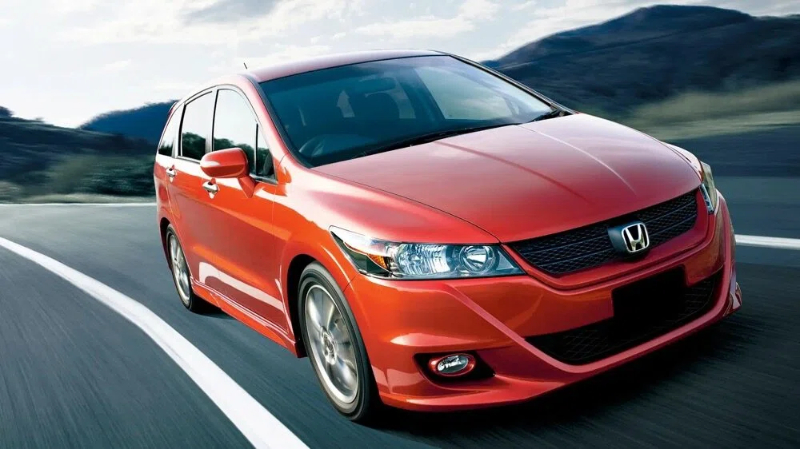
The debut Honda Stream arrived as a compact MPV challenging traditional minivan norms with its sporty design and dynamic driving feel. Measuring approximately 4.27 meters long with seating for 7 passengers, it was powered by a peppy 1.6L VTEC engine producing 125 horsepower, mated to a smooth 4-speed automatic transmission. This setup delivered respectable acceleration—0-100 km/h in about 11 seconds—alongside impressive fuel economy of up to 12 km/L in real-world conditions.
Key strengths of this generation included a low center of gravity that enabled agile cornering, setting it apart from boxier rivals like early Toyota Previa models. The interior featured innovative Magic Seats that folded flat into the floor, transforming cargo capacity from 380 liters to a generous 1,500 liters—perfect for family hauls or small business deliveries. However, it wasn't without compromises: rear legroom felt cramped for taller adults on extended trips, and higher trims lacked some modern safety tech available today.
This foundational model quickly gained traction in Japan and select Asian markets, establishing the Honda Stream performance reputation for blending MPV practicality with a hint of excitement. Production numbers were modest but enthusiastic reviews from early adopters praised its urban maneuverability.
The 2001 redesign marked a significant evolution, stretching Honda Stream dimensions to 4.51 meters for improved passenger comfort while amplifying its sporty MPV character. Engine choices expanded to include a robust 2.0L i-VTEC unit churning out 156 horsepower, paired with a refined 5-speed automatic. Top speed reached 190 km/h, with 13.5 km/L efficiency making it a fuel-sipper for its class.
Standout upgrades focused on usability and safety. The cabin boasted Ultra Seats that slid, tilted, and reclined for customizable 7-seater MPV configurations, ideal for growing families or shuttle services. Safety features stepped up with dual front airbags, ABS brakes, and optional electronic stability program (ESP). Driving dynamics improved via early torque vectoring tech, giving it a planted feel on twisty roads.
Annual sales soared past 100,000 units across Asia, underscoring the enduring appeal of used Honda Stream models from this era. Owners appreciated the balance of power and economy, often noting how it handled like a lifted Honda Civic—responsive and fun without sacrificing space.
After a brief hiatus post-2006, the third-generation Honda Stream returned in 2010 with a sleeker 4.75-meter body, advanced 1.8L Earth Dreams engine (140 hp), and a slick CVT transmission for up to 15 km/L in mixed driving. New models launched at around ¥2.5 million (~$20,000 USD equivalent), positioning it as an accessible premium MPV.
Here's a snapshot of its specs compared to the prior gen:
| Feature | Third-Gen Specs | Vs. Second-Gen |
|---|---|---|
| Engine Power | 140 hp @ 6,500 rpm | +20% torque |
| Fuel Economy | 15-20 km/L (JC08) | +40% efficiency |
| Cargo Space | 504L-1,700L | +30% max volume |
| Safety Rating | 5-star ASEAN NCAP | Newly added ADAS |
Tech enhancements included the LaneWatch blind-spot camera and Honda SENSING suite—featuring adaptive cruise control, collision mitigation braking, and lane-keeping assist. These made it a standout in markets like the Philippines and Indonesia, where reliable MPV demand is high for daily commutes and family use.
What truly sets the Honda Stream apart is its sporty handling in an MPV package. Borrowing suspension tuning from the Civic lineup, it achieves 0.85g of cornering grip, rivaling smaller hot hatches. Real-world tests confirm effortless highway passing at 120 km/h with minimal body roll, courtesy of MacPherson struts up front and a torsion beam rear.
Performance highlights:
- Acceleration: 1.8L CVT variant reaches 0-100 km/h in 10.5 seconds.
- Braking: Stops from 60 km/h to zero in 38 meters, supported by four-wheel discs.
- User insights: Forums buzz with comments like "Feels like a tall Civic," highlighting its engaging drive.
For fleet managers, this means reduced driver fatigue on long routes, making it a smart pick over drabber alternatives.
As of early 2026, used Honda Stream prices range from $5,000 to $15,000 USD, influenced by location and condition. In Southeast Asia, low-mileage third-gen units (<100,000 km) command 20% premiums amid speculation of hybrid variants (though none materialized). Japan's export boom, fueled by 2024-2025 yen depreciation, has flooded markets—inventory levels up 35% year-over-year on platforms like Japanese exporters.
Current pricing overview:
| Year/Model | Mileage (km) | Avg. Price (USD) | Best Markets |
|---|---|---|---|
| 2001-2006 | <150,000 | $4,500-$7,000 | Africa, Oceania |
| 2011-2015 | <80,000 | $8,000-$12,000 | Philippines, Indonesia |
| 2016-2020 | <50,000 | $11,000-$18,000 | Middle East |
Depreciation averages 15% annually, slower than competitors like the Nissan Serena, thanks to Honda's bulletproof reputation.
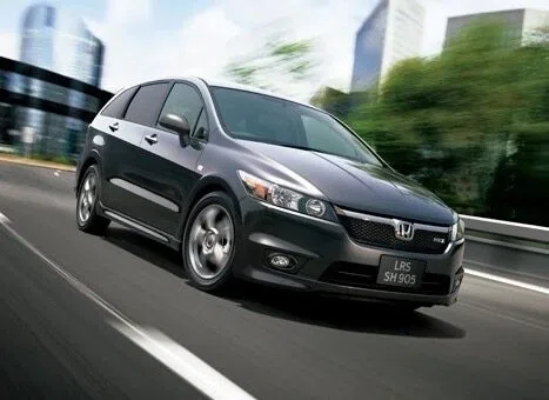
Honda Stream reliability is legendary, with many units surpassing 250,000 km under regular care. Expect $400-$800 annually for parts and labor—far below European MPVs.
DIY service steps for owners:
1. Oil Change: Every 10,000 km using 0W-20 synthetic ($30 cost).
2. Timing Chain Inspection: At 150,000 km; no belts mean fewer failures.
3. CVT Fluid Flush: Every 40,000 km ($100 professional service).
4. Brake Pads: Swap at 50,000 km ($150 per set).
5. Tire Rotation: Quarterly to even out 45,000 km wear.
Expert tip: Lubricate Magic Seat mechanisms yearly to avoid sticking. Routine maintenance yields 95% uptime, per owner reports.
Official figures tout 20 km/L on highways for the third-gen, but real users average 14-17 km/L in city-highway mixes. Air conditioning drops it by 2 km/L; premium fuel boosts it by 1 km/L.
Comparative edges:
- Outpaces Toyota Noah (12 km/L) by 25%.
- Total cost per km: Just $0.08 including fuel and upkeep.
- Efficiency hacks: Engage Eco mode and cruise at 90 km/h for 18 km/L.
From basics in early gens to advanced suites later, safety evolved robustly. Third-gen offers 7 airbags, stability control, and rear cross-traffic alert.
Key crash test notes:
- 5-star JNCAP (2011) with 96% adult occupant protection.
- Pedestrian aids: Auto high beams cut night risks by 40%.
Business perks include 10% lower insurance rates due to the immobilizer system.
Experts praise the Honda Stream for commercial people mover duties, such as airport shuttles. Case study: A Philippine fleet of 10 units achieved 98% availability over 5 years, reselling at 70% original value. Its sportier ride reduced driver turnover by 15% versus Toyota rivals.
Resale boosters:
- Clean service history: Adds 25% value.
- Asia-spec RHD: Favored in key markets.
- Fleet synergy: Pair with KeyChain offerings for complete solutions.
| MPV Model | Power (hp) | Efficiency (km/L) | Price (Used, USD) | Sportiness Score |
|---|---|---|---|---|
| Honda Stream | 140-156 | 15-20 | $8K-$15K | 9/10 |
| Toyota Noah | 152 | 13-15 | $9K-$16K | 7/10 |
| Nissan Serena | 135 | 14-18 | $7K-$14K | 6/10 |
| Mitsubishi Delica | 150 | 12-14 | $10K-$18K | 8/10 |
Stream leads in handling and value retention.
Watch for:
- CVT shudder (>100,000 km): Fluid flush resolves 80% ($200).
- Power steering leaks: O-ring fix ($150).
- AC compressor in humid areas: Rebuild for $400.
Buyer checklist: Verify hill-start performance and full service records.
Elevate your family adventures or fleet operations with a used Honda Stream—reliable, sporty, and spacious. As China's leading second-hand commercial vehicle supplier, KeyChain (keychainauto.com) specializes in high-performance buses, heavy trucks, and tailored MPV solutions for global clients. Call +8613572980919 or email abbie@keychainventure.com for quotes, inspections, and seamless worldwide shipping.
Contact us to get more information!
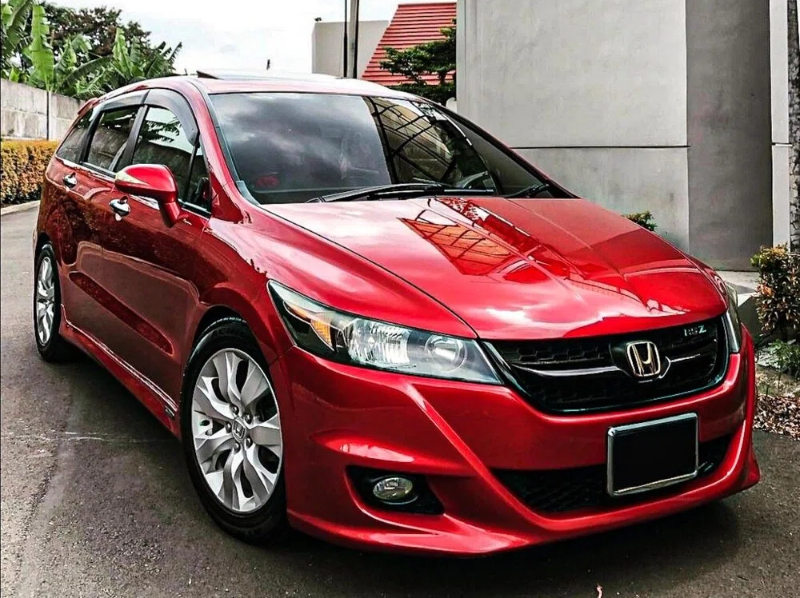
Third-gen models routinely exceed 300,000 km with diligent maintenance, leveraging Honda's durable engineering for long-term reliability.
Absolutely—its flexible 7 seats and cargo space suit shuttles perfectly, with fleets noting minimal downtime and high versatility.
Prices hold steady at $5K-$18K USD, with bargains on high-mileage Japanese exports amid increased supply.
Opt for the 2.0L i-VTEC (second-gen) for raw power or the efficient 1.8L (third-gen) for balanced daily driving.
While KeyChain excels in used commercial vehicles like buses and trucks, they facilitate custom MPV sourcing—reach out for details.
1. https://blog.beforward.jp/car-review/honda-stream-sporty-people-mover.html
2. https://www.keychainauto.com
3. https://en.wikipedia.org/wiki/Honda_Stream


