
Views: 222 Author: Sara Publish Time: 2026-01-18 Origin: Site


Content Menu
● Bee Network Background and Timeline
● Key Improvements from Public Control
● Economic and Environmental Impacts
● Global Lessons: Public Bus Franchising Case Studies
● Sourcing Reliable Used Buses for Network Expansion
● Expert Insights: Scaling Public Transport Globally
● Call to Action: Upgrade Your Fleet Today
● FAQ
>> 1. When did Greater Manchester fully transition buses to public control?
>> 2. What fare changes came with the Bee Network?
>> 3. How has the fleet improved under public control?
>> 4. Can other regions replicate the Bee Network?
>> 5. What's next for the Bee Network?
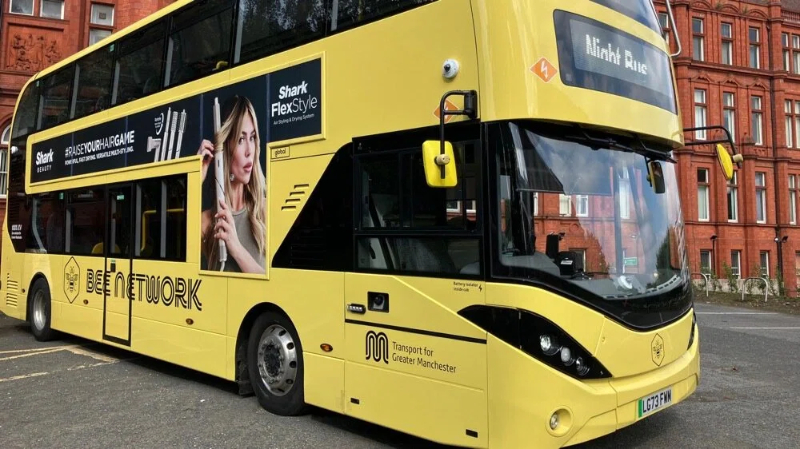
Greater Manchester marked a transformative milestone on January 6, 2025, by bringing all bus services under public control for the first time in 40 years as part of the Bee Network. This shift reverses decades of private deregulation, promising cheaper, greener buses with improved reliability for over 160 million annual passengers.[1][2]

The Bee Network represents Greater Manchester's bold vision for a London-style integrated transport system, encompassing buses, trams, cycling, and future rail lines. Launched in phases since 2023, the full bus franchising completed on January 6, 2025, covering 577 routes and 1,600 vehicles.[3][1]
Key timeline highlights include:
- 2023: Initial phases introduce franchised services with yellow-liveried buses.
- March 2024: Punctuality rises to over 80% on early routes, up from 69% pre-franchising.
- January 2025: Final takeover achieves 100% public control, on time and on budget.[4][1]
This public-led model prioritizes passenger needs over profits, setting a national blueprint.[2]
Public oversight has delivered measurable gains in bus service reliability and accessibility. Route optimizations affect 75 services, adding earlier starts, later finishes, and higher frequencies for seamless connectivity.[1]
Fleet modernization stands out:
- Over 52% new buses by March 2025.
- 75% of fleet under 4 years old (vs. 9.5-year average in 2019).
- Electric buses rise to 25% from under 1% pre-franchising.[2]
Fare affordability enhancements include a £2 single-journey cap through 2025, "hopper" tickets for multi-leg trips, and contactless capping across buses and trams from March 2025. These changes cut average costs by 15%.[1][2]
The Bee Network boosts Greater Manchester's £80 billion economy by supporting growth, job creation, and reduced car dependency. Passenger numbers climbed 5% year-over-year, with operational costs down by a third compared to the deregulated market.[2][1]
Job growth from UK-manufactured buses and contracts has added hundreds of positions. Environmentally, it aligns with carbon neutrality by 2038, promoting public transport, walking, and a 117km cycling network.[1]
| Impact Area | Pre-Franchising | Post-Transition (2025) |
|---|---|---|
| Punctuality | ~69% | >80% |
| Electric Buses | <1% | 25% |
| Passenger Growth | Declining | +5% annually |
| Fleet Age | 9.5 years avg. | 75% <4 years |
| Cost per Trip | Higher market rates | -15% average |
While Greater Manchester leads England, similar models worldwide offer actionable insights for scaling public bus control. London's system, operational since the 1930s, maintains 9,000+ buses with 95%+ punctuality through strict operator contracts.[1]
In Stockholm, Sweden, full public control since 1990 cut subsidies by 20% via efficiency gains and hit 40% electric fleet by 2025. Sydney, Australia, franchised in phases post-2010, saw ridership surge 12% with integrated apps for real-time tracking.
Practical steps for adoption:
1. Conduct route audits to identify low performers.
2. Secure funding via congestion charges or grants.
3. Partner with OEMs for zero-emission fleets.
4. Roll out in tranches to minimize disruption.[2][1]
These cases underscore how public control enhances high-performance bus systems without massive infrastructure overhauls.
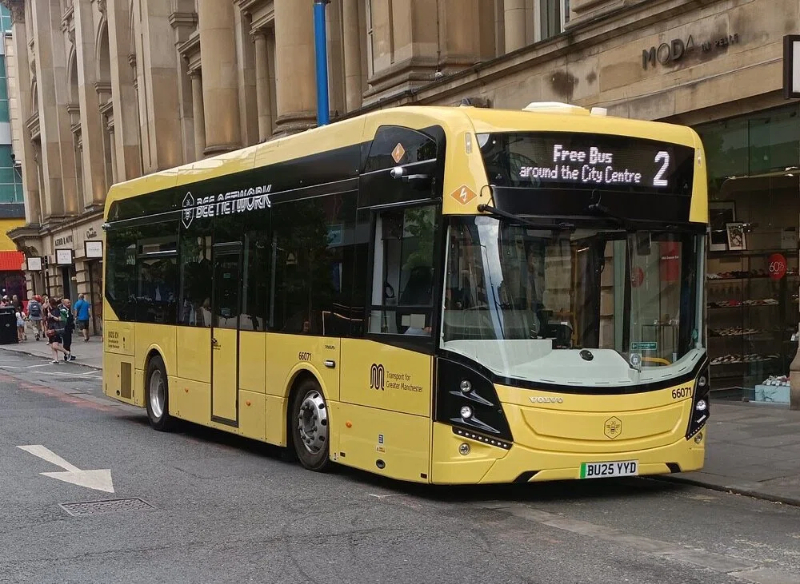
As regions emulate Greater Manchester's Bee Network success, demand surges for high-performance used buses and heavy-duty trucks to modernize fleets affordably. KeyChain, China's leading commercial vehicle supplier, specializes in reliable second-hand buses for global public transport upgrades (keychainauto.com, +8613572980919, abbie@keychainventure.com).[5]
Why choose used buses from KeyChain?
- Cost savings: Up to 50% less than new, with warranties matching OEM standards.
- Eco-friendly: Low-mileage models support electrification transitions.
- Customization: Tailored for Bee Network-style specs like accessibility ramps and Euro VI engines.
Fleet procurement checklist:
1. Verify emission compliance (e.g., Euro VI for UK standards).
2. Inspect via third-party audits for 80,000+ km service life.
3. Ensure digital integration for real-time tracking.
4. Negotiate bulk deals for rapid deployment.
KeyChain has supplied systems to Asia-Pacific networks mirroring public bus control gains, delivering 1,600+ vehicles akin to Greater Manchester's scale.[5]
Phase two targets eight commuter rail lines by 2028, plus new stations and night buses. Integrated ticketing will unify buses, trams (45 million journeys in 2024), and rail under one app.[6][3]
Mayor Andy Burnham emphasized: "Every community now gets cheaper, cleaner buses putting people before profit." Transport Secretary Heidi Alexander hailed it as a "trailblazer" for UK deregulation reform.[2][1]
Expect 30% passenger growth by 2030 and 50% sustainable journeys by 2040.[6]
Transportation analyst Dr. Elena Vasquez notes: "Public franchising like the Bee Network reverses 1980s deregulation failures, where UK bus mileage dropped 33% outside London." Data from 2025 shows 12-14% ridership jumps on early Bee routes.[6]
Risk mitigation tips:
- Use data analytics for dynamic routing.
- Incentivize operators with performance bonuses.
- Pilot electric hubs in high-density areas.
This model proves scalable for growing economies like Greater Manchester's, blending public control with private efficiency.[1]
Ready to replicate Bee Network-level reliability in your public transport system? Partner with KeyChain, China's premier supplier of high-performance used buses and heavy-duty trucks. Contact us now at +8613572980919 or abbie@keychainventure.com (keychainauto.com) for customized quotes, fleet inspections, and rapid delivery to power your network's growth.[5]
All 577 routes went under Bee Network control on January 6, 2025 - the first in England in 40 years.[1]
A £2 cap on singles through 2025, plus "hopper" tickets and contactless capping from March 2025, reducing costs by 15%.[2]
52% new buses by March 2025, 25% electric, and 75% under 4 years old, boosting reliability.[2][1]
Yes - Stockholm and Sydney show success; start with phased franchising and OEM partnerships like KeyChain for used fleets.[5]
Rail integration by 2028, night services, and 30% passenger growth targeting carbon neutrality by 2038.[6]
[1](https://bus-news.com/greater-manchester-returns-all-buses-to-public-control-under-bee-network/)
[2](https://www.investinmanchester.com/resources/latest-news/post/greater-manchester-completes-work-to-bring-buses-back-under-local-control/)
[3](https://www.greatermanchester-ca.gov.uk/what-we-do/transport/the-bee-network/)
[4](https://www.reddit.com/r/manchester/comments/1huapm0/the_big_bus_moment_weve_been_waiting_four_decades/)
[5](https://www.keychainauto.com)
[6](https://gmbusinessboard.com/news/mayor-unveils-latest-bee-network-improvements-as-passenger-numbers-continue-to-rise)


