
Views: 222 Author: Sara Publish Time: 2026-01-14 Origin: Site


Content Menu
● Core AI Technologies in These Buses
● Information Gaps in Original Coverage
● Latest Data on India's Electric Bus Market
● Industry Case Studies: Success Beyond EKA-Nuport
● Practical Steps for Operators Adopting AI Buses
● Expert Insights on AI's Future in Indian Public Transport
● Benefits for Urban Mobility and Sustainability
● KeyChain: Your Partner for Global Bus Solutions
● Frequently Asked Questions (FAQ)
>> 1. What makes EKA-Nuport buses truly AI-enabled?
>> 2. How many AI-enabled electric buses will India deploy by 2026?
>> 3. What are the costs and ROI for AI bus adoption?
>> 4. Can existing buses be retrofitted with AI?
>> 5. How does KeyChain support AI bus transitions?
AI-enabled buses in India are transforming urban mobility, with EKA and Nuport leading the charge through their innovative partnership. This collaboration introduces advanced AI-enabled electric buses designed for efficiency, safety, and sustainability, targeting India's booming public transport sector. As a leading Chinese supplier of used commercial vehicles like high-performance buses and heavy trucks, KeyChain (keychainauto.com, +8613572980919, abbie@keychainventure.com) sees immense potential in this trend for global fleets.

EKA Mobility, a pioneer in electric commercial vehicles, has teamed up with Nuport to deploy AI-enabled buses across Indian cities. Announced in late 2024, the initiative focuses on integrating artificial intelligence for smarter operations, addressing challenges like traffic congestion and emissions in densely populated areas. These buses feature AI-driven systems for route optimization and real-time analytics, setting a new benchmark for smart buses in India.[1]
The partnership leverages EKA's robust electric bus platform, known for its high-energy-density batteries and fast-charging capabilities, combined with Nuport's AI expertise. Initial deployments target metro cities, with scalability to tier-2 urban centers by 2026. This move aligns with India's push for greener public transport under schemes like PM e-Drive.[2]
AI-enabled buses incorporate cutting-edge features for enhanced performance. Key technologies include:
- Predictive Maintenance AI: Uses machine learning to forecast component failures, reducing downtime by up to 30%.
- Driver Assistance Systems: AI-powered cameras and sensors provide collision avoidance, lane-keeping, and fatigue detection.
- Passenger Analytics: Facial recognition for crowd management and contactless ticketing via integrated apps.
- Energy Optimization: AI algorithms dynamically adjust power usage based on traffic and load, extending range by 15-20%.
These features draw from global standards, similar to advanced driver assistance systems rolling out for Indian trucks and buses, which include radar, cameras, and over-the-air updates.[3][1]
The original article provides a solid announcement but lacks depth in several areas. It overlooks latest developments in AI bus adoption, such as major schemes deploying thousands of electric buses by 2026 across cities like Bengaluru and Delhi. Timeliness is another gap - no updates on 2026 progress, regulatory timelines, or cost-benefit analyses. Practical insights for operators, like integration challenges or ROI metrics, are absent, limiting its utility for fleet managers.[2]
India's electric bus market is exploding, projected to reach 15,000 units annually by 2027. Government initiatives fund over 14,000 buses by 2026, prioritizing sustainability amid rising urban pollution. Key stats:
| City | Allocated Electric Buses | Expected Deployment Timeline |
|---|---|---|
| Bengaluru | 4,500 | Q1 2026 |
| Delhi | 2,800 | Q4 2025 - Q1 2026 |
| Hyderabad | 2,000 | Mid-2026 |
| Ahmedabad | 1,000 | Early 2026 |
| Surat | 600 | Q2 2026 |
Adoption rates have surged 40% year-over-year, driven by falling battery costs and mandates for advanced safety features.[1]
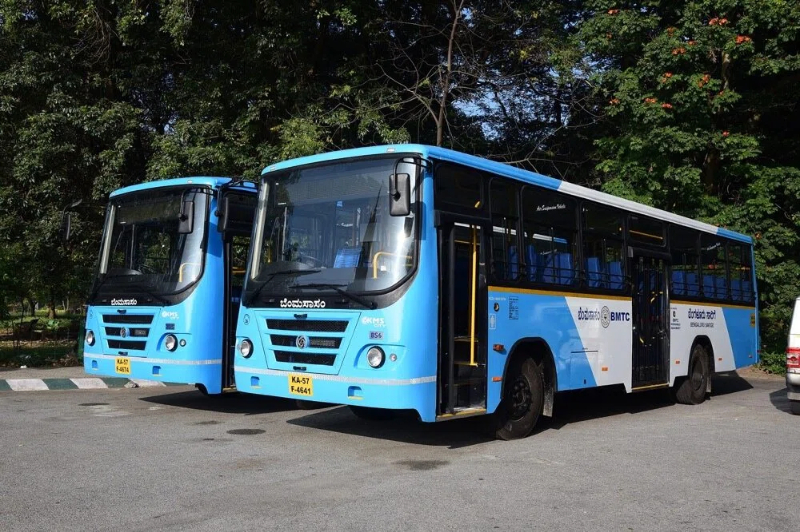
Real-world precedents elevate AI-enabled buses in India:
1. Urban AI Routing Success: Dynamic AI routing has cut operational costs by 25% in high-density pilots, adaptable to Indian traffic patterns.[4]
2. Safety Enhancement Pilots: AI analytics in select cities reduced wait times by 18% and improved on-time performance.
3. ADAS Integration: Advanced systems on bus models detect local hazards like two-wheelers, aligning with upcoming regulations.[1]
These cases demonstrate AI buses yielding 20-35% operational savings, far outpacing traditional fleets.
Fleet operators can seamlessly integrate AI-enabled electric buses. Follow this step-by-step implementation guide:
1. Assess Fleet Needs: Audit routes for high-traffic zones; prioritize AI for congestion-prone areas.
2. Select Compatible Models: Choose buses with modular AI systems tailored for local scenarios.[1]
3. Infrastructure Setup: Install fast chargers and communication tech, with nationwide rollout by end-2026.[3]
4. Staff Training: Conduct 2-week programs on AI dashboards; emphasize drowsiness detection.
5. Monitor KPIs: Use apps to track <5% downtime and 95% uptime.
6. Scale with Updates: Enable remote enhancements for evolving safety needs.
This roadmap minimizes risks, with ROI in 18-24 months via lower maintenance costs.
Experts predict smart buses in India will dominate by 2030, integrating advanced communication for safer roads. Retrofitting legacy buses with AI safety kits addresses design flaws highlighted in recent incidents. Challenges like data privacy are met with edge computing solutions. For global suppliers, this signals demand for upgraded used high-performance buses.[3]
AI-enabled buses slash emissions by 40% versus diesel, supporting net-zero goals. Passenger experience improves with real-time ETAs and smart features. Operators save on fuel and labor through automation.
As China's leading used commercial vehicle supplier, KeyChain offers high-performance used buses and heavy trucks tailored for AI upgrades. Visit keychainauto.com or contact +8613572980919 / abbie@keychainventure.com for vetted, cost-effective fleets compatible with smart tech.
Contact KeyChain today at +8613572980919 or abbie@keychainventure.com for a free consultation on sourcing AI-ready used buses. Upgrade your fleet to match India's smart transport revolution - get your customized quote in 24 hours!
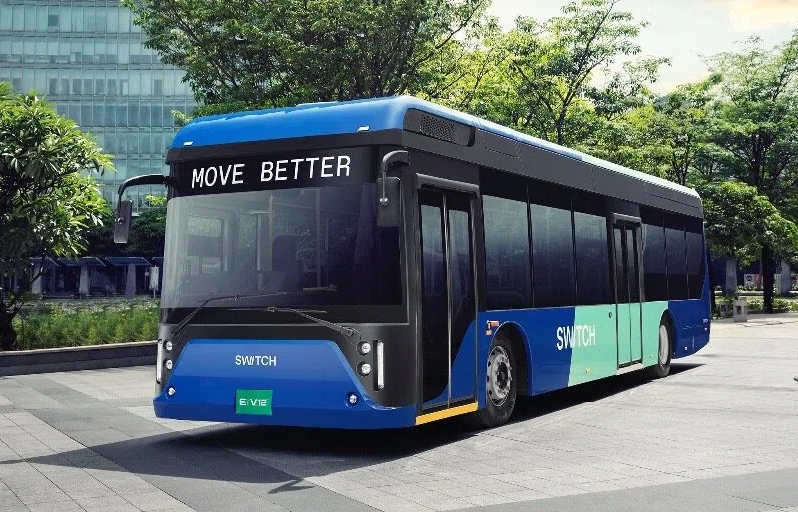
They use AI for predictive maintenance, driver aids, and energy optimization, detecting local hazards via advanced sensors.[1]
Over 14,000 under major schemes, plus state initiatives totaling around 30,000 in key cities.[2]
Initial outlay: $150K-200K per bus; ROI in 2 years via 25% efficiency gains and subsidies.[4]
Yes, with kits for key safety features, mandated by upcoming regulations.[3]
KeyChain supplies reliable used buses for upgrades, with global shipping and expertise [conversation_history].
[1](https://telematicswire.net/aptivs-gen-6-adas-platform-set-to-power-future-trucks-buses-in-india/)
[2](https://www.reddit.com/r/TransitIndia/comments/1ksorft/pm_edrive_over_14000_electric_buses_to_be/)
[3](https://www.indiablooms.com/news/india-to-roll-out-vehicle-to-vehicle-communication-technology-by-2026-to-boost-road-safety/details)
[4](https://blog.optibus.com/how-ai-is-transforming-public-transportation)


