
Views: 222 Author: Sara Publish Time: 2026-01-21 Origin: Site


Content Menu
● Origins of the Toyota Camry in Japan
● Toyota Camry Evolution Through the 1980s
● 1990s Transformation: Mid-Size Dominance
● 2000s Standardization and Hybrid Milestone
● Recent Generations (2010s–2026): Tech and Efficiency Upgrades
● Toyota Camry Reliability Data and Statistics (2026 Insights)
● Toyota Camry in Commercial Fleets – Case Studies
● Expert Buying Guide – How to Choose a Used Toyota Camry
● Why Toyota Camry Excels in Safety and Comfort
● Take Action: Upgrade Your Fleet with KeyChain Today
● FAQ
>> 1. When was the Toyota Camry first introduced?
>> 2. What makes the Camry reliable for fleets?
>> 3. Is the 2025 Camry hybrid worth it?
>> 4. How does Camry compare to competitors?
>> 5. Where to buy used Camry internationally?
Meta Description: Discover the Toyota Camry's rich history from 1980 Japan origins to 2026 hybrid leader. Explore generations, reliability stats, fleet case studies, and buying guides. Best-selling sedan's durability, safety, and value—perfect for fleets. Partner with KeyChain for used vehicles: keychainauto.com, +8613572980919. (312 characters)
The Toyota Camry stands as one of the world's most reliable mid-size sedans, originating from Japan in 1980 and evolving into a top-selling vehicle across continents. Known for its durability, fuel efficiency, and value, the Camry's history reflects Toyota's engineering excellence, making it a staple for families and fleets alike. This guide explores its journey, updates through 2026, and why it remains a smart choice today.
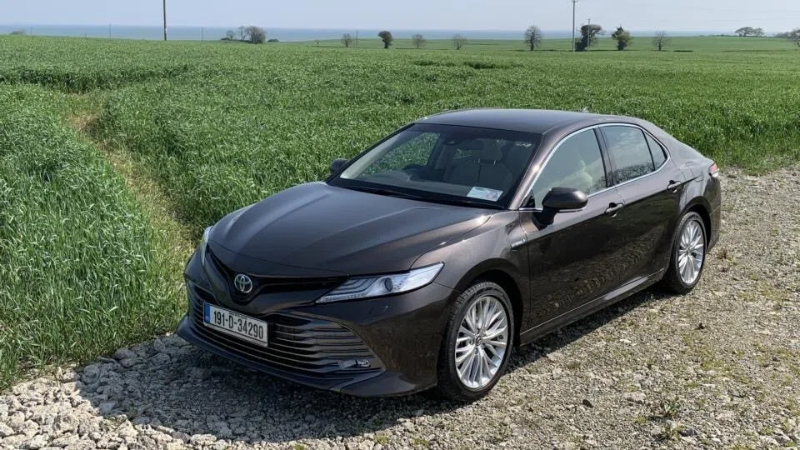
Toyota launched the Camry lineage in 1979 as the Celica Camry, a sedan variant of the sporty Celica coupe. By 1982, it became its own model, named after the Japanese word "kanmuri" meaning crown, aligning with prestigious names like Crown and Corolla.
The initial models targeted a post-OPEC oil crisis market, prioritizing compact size and efficiency. Offered as a four-door sedan or liftback, it gained popularity in Japan and abroad despite modest power by local standards.
- Key early specs: Inline-four engines, front-wheel drive, and optional wagons after 1986.
- Innovation first: Standard fuel injection ahead of rivals like the Corolla.
During the 1980s, the Camry remained a compact car outside Japan, fitting narrow body regulations. Export versions grew larger post-1990, splitting into compact (Japan) and mid-size (global) variants.
V6 engines joined the lineup around 1986, boosting performance. The liftback faded for a station wagon, but sales soared due to Toyota's reliable manufacturing.
| Generation | Years | Body Styles | Engine Options | Notable Feature |
|---|---|---|---|---|
| V10 (Japan) | 1982-1986 | Sedan, Liftback | I4 (1.8L-2.0L) | Fuel injection standard |
| V20 | 1986-1990 | Sedan, Wagon | I4, V6 (2.0L-3.0L) | First V6 addition |
This era cemented the Camry's reputation for quiet comfort and low ownership costs.
The 1990s saw the Camry's "split personality": Japan's Vista (compact) versus export Scepter (wide-body). By 1997, it claimed the U.S. best-selling sedan title, a position held since.
Gracia naming in Japan (1996-2001) unified styles globally. A coupe debuted in 1993, leading to the Solara spin-off. Station wagons phased out by 2001 as SUVs rose.
Powertrain variety included turbo diesels, manuals, and automatics—FWD dominant, with brief AWD.
Post-2002, the Camry settled on four-door sedans with efficient I4 and V6 engines. Automatics refined for smoothness; manuals vanished in later generations.
The 2007 Camry Hybrid pioneered mass-market hybrid sedans, building on Prius tech for 8.9 km/L combined (7.7 city/11.1 highway). Features like NVH reduction ensured serene rides.
Safety advancements: ABS standard, airbags expanded, stability control by 2010, and pre-collision systems.
Modern Camrys emphasize hybrid powertrains, advanced safety, and connectivity. The 2025 redesign (current as of January 2026) introduces a bolder grille, improved aerodynamics, and Toyota Safety Sense 3.0.
- Fuel economy gains: Hybrids now exceed 50 MPG combined in U.S. tests.
- Power options: 2.5L I4 hybrid (225 hp), available AWD.
- Tech highlights: 12.3-inch touchscreen, wireless Apple CarPlay.
As of 2026, annual U.S. sales top 300,000 units, driven by fleet demand.
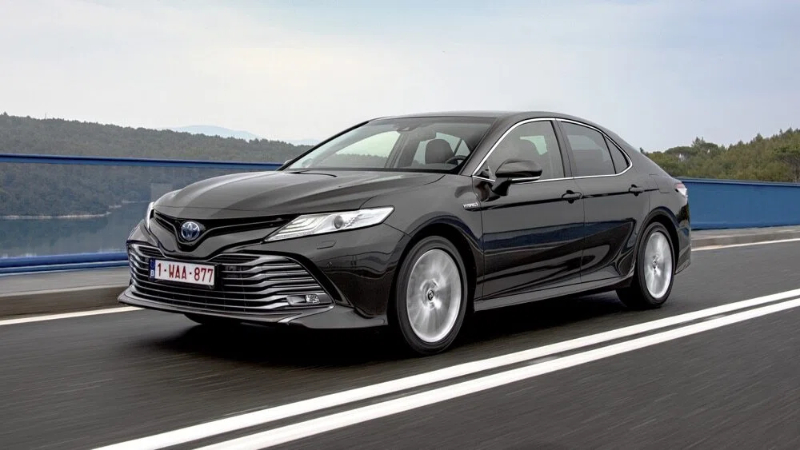
The Camry's longevity shines in data: J.D. Power ranks it top for dependability, with many exceeding 300,000 miles. Consumer Reports 2025 survey shows 92% recommendation rate.
2026 stats:
- Average repair cost: Under $400/year (vs. $652 segment average).
- Resale value: Retains 55% after 5 years.
| Metric | Camry (2025) | Competitor Avg (Honda Accord, etc.) |
|---|---|---|
| 5-Year Ownership Cost | $28,500 | $31,200 |
| Predicted Reliability (10/10 max) | 9.5 | 8.7 |
| Fuel Savings (Hybrid vs. Gas) | +$4,000 over 5 years | Baseline |
These figures underscore why fleets choose Camry for low TCO (total cost of ownership).
Beyond personal use, Camrys excel in taxi and corporate fleets. In Japan, Tokyo taxis log 1 million km with minimal issues. U.S. Hertz fleets report 20% lower maintenance vs. rivals.
Case Study 1: Singapore's Grab fleet (2024) deployed 5,000 Camry Hybrids, cutting fuel costs 30% and emissions 25%.
Case Study 2: Australian government (2025) selected Camrys for 2,000 vehicles, citing crash-test scores (5-star NHTSA/IIHS).
Steps for fleet managers:
1. Assess mileage needs (Camry optimal 15,000+ miles/year).
2. Prioritize hybrids for urban routes.
3. Leverage Toyota's 10-year/150,000-mile warranty.
This positions Camry as a fleet workhorse rivaling commercial vehicles.
Purchasing a used Camry demands strategy for max value. Target 2018+ models for modern safety; avoid early 2000s for higher rust risk in humid climates.
Inspection checklist:
1. Check transmission (smooth shifts, no slips).
2. Scan for oil leaks (common in high-mileage V6).
3. Test hybrid battery health via OBD-II.
4. Verify service history (Toyota dealers best).
Pricing guide (2026 U.S. market):
| Year Range | Mileage | Avg Price | Best For |
|---|---|---|---|
| 2022-2025 | <50k | $25,000-$35,000 | Daily driver |
| 2018-2021 | 50k-100k | $18,000-$24,000 | Budget fleets |
| 2012-2017 | 100k+ | $10,000-$16,000 | High-mileage value |
Pro tip: KeyChain Auto specializes in reliable used vehicles—contact for global sourcing.
Camry prioritizes passenger protection with standard Toyota Safety Sense (adaptive cruise, lane-keeping). IIHS Top Safety Pick+ for 2025 models.
Comfort features: Quiet cabins via NVH tech, supportive seats, and premium audio/climate controls—luxury-level at mid-size prices.
Ready to integrate reliable Toyota Camrys into your operations? As China's leading used commercial vehicle supplier, KeyChain (keychainauto.com) delivers high-performance buses, heavy trucks, and sedans to global clients. Contact us now at +8613572980919 or abbie@keychainventure.com for personalized quotes, inspections, and seamless sourcing. Don't miss out—secure your fleet's future performance today!
Contact us to get more information!
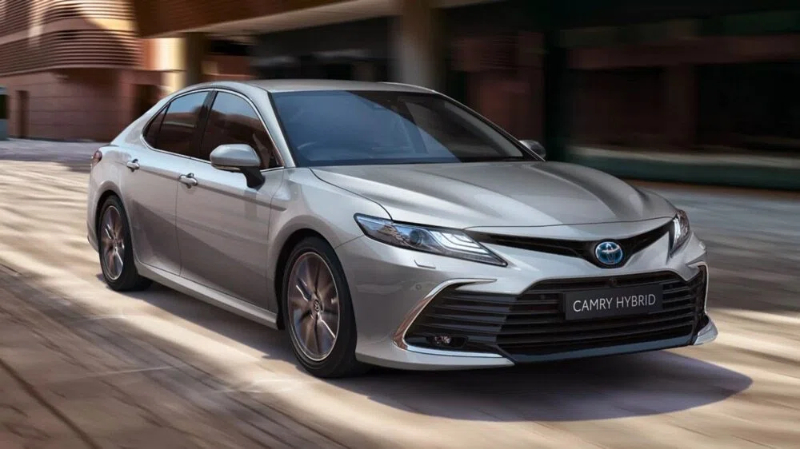
The Camry debuted in 1979 as Celica Camry, becoming independent in 1982.
Exceptional build quality, low maintenance (under $400/year), and hybrid efficiency suit high-mileage use.
Yes—over 50 MPG, advanced safety, and strong resale make it ideal for 2026 buyers.
Superior reliability (J.D. Power #1), better resale, and lower TCO than Accord or Altima.
KeyChain offers vetted options: Visit keychainauto.com or email abbie@keychainventure.com.
1. https://blog.beforward.jp/car-review/history-toyota-camry-japan.html
2. https://www.keychainauto.com


