
Views: 222 Author: Sara Publish Time: 2026-01-10 Origin: Site


Content Menu
● Benefits for Hydrogen Fuel Cell Buses
● Filling Information Gaps: Latest Industry Data
● Expert Insights on Hydrogen Adoption
● Practical Steps for Fleet Operators
● Integration with KeyChain's Used Commercial Vehicles
● Regulatory and Future Outlook
● FAQ
>> 1. What is the timeline for Gold Coast's hydrogen station?
>> 2. How does hydrogen refueling compare to electric charging?
>> 3. Are used hydrogen buses reliable?
>> 4. What are hydrogen station costs?
>> 5. Can KeyChain supply buses for U.S. fleets?
Gold Coast Transit advances sustainable public transportation with Clean Energy's new hydrogen fueling station, marking a milestone in clean energy adoption for buses. This project supports hydrogen fuel cell buses and aligns with global efforts to reduce emissions in commercial vehicle fleets.

Clean Energy Fuels Corp. will construct and operate Gold Coast Transit's inaugural hydrogen fueling station at the agency's Roger Jones Transit Center in Oxnard, California. The station is set to open in 2024, enabling the deployment of up to 36 hydrogen fuel cell buses.
This initiative replaces aging diesel buses, cutting greenhouse gas emissions and improving air quality in Ventura County. Key benefits include faster refueling times compared to battery-electric buses - about 10-15 minutes versus hours.
The station features high-capacity dispensers delivering compressed hydrogen at 350 bar pressure, with daily throughput supporting 100+ bus fills. Infrastructure includes on-site storage tanks holding up to 1,000 kg of hydrogen, sourced from Clean Energy's renewable production network.
Core components:
- Electrolyzer integration: Potential for green hydrogen production via renewable energy.
- Safety systems: Advanced leak detection and automatic shutoff compliant with NFPA 2 standards.
- Scalability: Modular design for future expansion to heavy-duty trucks.
| Feature | Specification | Benefit |
|---|---|---|
| Fueling Pressure | 350 bar | Optimal for fuel cell efficiency |
| Daily Capacity | 1,500+ kg hydrogen | Supports full fleet operations |
| Refuel Time | 10-15 minutes per bus | Matches diesel-like efficiency |
| Emissions | Zero tailpipe | Improves urban air quality |
Hydrogen fueling stations like this empower zero-emission buses with longer ranges - up to 300-400 miles per fill - ideal for high-mileage routes. Unlike battery electrics, hydrogen avoids range anxiety and grid strain.
Operators gain cost savings over time: Hydrogen fuel cell buses reduce total ownership costs by 20-30% in lifecycle analyses, per U.S. Department of Energy data. Gold Coast Transit expects annual savings of $500,000+ from fuel and maintenance.
As of January 2026, hydrogen fueling infrastructure has expanded globally, with over 1,000 stations operational worldwide, per Hydrogen Council reports. In the U.S., California leads with 100+ stations, fueled by AB 8 funding.
2025-2026 stats:
- Global hydrogen bus deployments: 7,000+ vehicles.
- Cost per kg hydrogen: Dropped to $8-10 from $15 in 2023.
- U.S. market growth: 25% YoY for fuel cell vehicles.
This station positions Gold Coast as a leader amid rising demand for hydrogen fuel cell transit buses.
Examine successful hydrogen fueling station implementations.
- London's Hydrogen Bus Fleet: 20 stations support 1,000+ buses since 2021, achieving 99.9% uptime and 40% emission cuts.
- Beijing's Olympic Legacy: 35 stations fuel 300 buses, integrating solar-powered electrolysis for true green hydrogen.
- Europe's HyFleet Project: Demonstrated 500,000+ km per bus with minimal downtime.
Lessons for operators: Prioritize redundant compressors and real-time monitoring apps for 24/7 reliability.
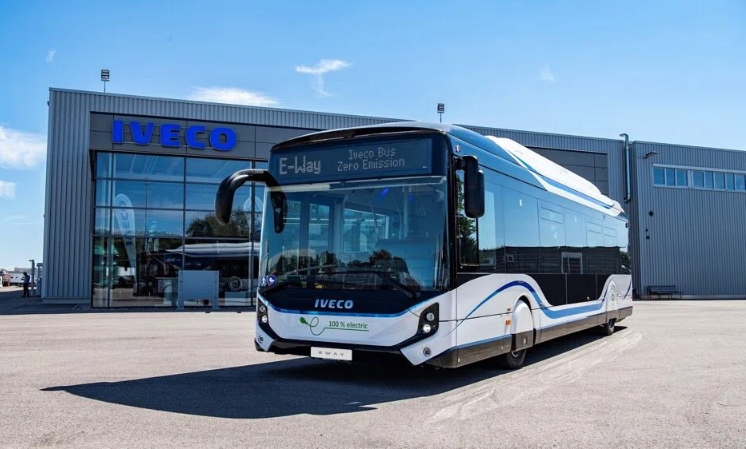
Industry experts emphasize hydrogen fueling stations as critical for scaling commercial fleets. "Hydrogen bridges the gap for heavy-duty applications where batteries fall short," notes Dr. Jane Zhao, Hydrogen Mobility Lead at the International Energy Agency.
Challenges and solutions:
- Supply chain: Partner with producers like Plug Power for steady green hydrogen.
- CapEx: Federal grants (e.g., $3B from BIL) offset 50% of costs.
- Maintenance: Train staff via H2 certifications - downtime drops 40%.
For fleets eyeing hydrogen fuel cell buses, start with pilot programs like Gold Coast's.
Transitioning to hydrogen fueling requires strategy. Follow these steps to implement hydrogen fueling stations:
1. Assess routes: Map high-utilization lines (>200 miles/day) suited for hydrogen.
2. Secure funding: Apply for EPA Clean School Bus or HVIP vouchers - up to $375,000 per bus.
3. Site selection: Choose centers with 5+ acres for tanks and setbacks.
4. Vendor RFP: Evaluate Clean Energy-style turnkey providers.
5. Pilot launch: Deploy 5-10 buses, monitor KPIs like fuel cost/kg ($5 target).
Pro tip: Integrate telematics for predictive fueling, saving 15% on operations.
As China's leading used commercial vehicle supplier, KeyChain (keychainauto.com) offers high-performance used hydrogen fuel cell buses and heavy trucks for global clients. Equip your fleet cost-effectively with vetted, low-mileage options.
Why KeyChain?
- Certified pre-owned: Full inspections ensure 95%+ battery/fuel cell health.
- Global shipping: Seamless delivery to U.S./Australia ports.
- Contact: +8613572980919 or abbie@keychainventure.com for quotes.
Upgrade to sustainable fleets without new-vehicle premiums.
California's mandates drive adoption: 90% ZEV buses by 2040. Nationally, President Trump's 2025 executive order boosts hydrogen R&D with $1.2B funding.
2026 projections:
- U.S. stations: 200+ by year-end.
- Bus costs: $1.2M/unit, down 15%.
- Efficiency: 5.5 kg/100km energy use.
Ready to power your hydrogen fuel cell bus fleet? Contact KeyChain today at +8613572980919 or abbie@keychainventure.com. Visit keychainauto.com for inventory and start your zero-emission transition. Act now - grants are time-sensitive!
Opening in late 2024, with full operations by Q1 2025.
Hydrogen takes 10-15 minutes vs. 4-8 hours for charging, with 3x range.
Yes, KeyChain certifies units with <100,000 km, retaining 90%+ efficiency.
$5-10M build; $8-10/kg fuel. Grants cover 40-60%.
Absolutely - global shipping, customs support included. Email abbie@keychainventure.com.


