
Views: 258 Author: Keychain Venture Publish Time: 2026-07-07 Origin: Site


Content Menu
● Understanding 2,000 kg Towing Capacity in Real‑World Use
● Key Criteria: How an Exporter Assesses Tow Vehicles
● Best Used Cars with 2,000 kg Towing Capacity in 2026
>> Overview Table: Leading 2,000 kg Tow Cars
● Expert Commentary: Strengths and Trade‑offs of Popular Tow Cars
>> Volvo XC60 – Safety‑First Family Towing
>> Land Rover Discovery Sport – Compact but Capable
>> Hyundai SANTA FE – Space, Comfort, and Confidence
>> Kia Sorento – The Practical Workhorse
>> Skoda Superb and Audi Q3 – Estates and Crossovers with Torque
>> Tesla Model X – Electric Towing for Early Adopters
● Lessons from New Energy Buses and Heavy Trucks for Private Tow Car Buyers
● Practical Buyer Checklist: How to Choose Your 2,000 kg Tow Car
● Where New Energy Commercial Vehicles Fit in – Heavy‑Duty Towing and Fleet Solutions
● Clear Call to Action (CTA) for Trade and Fleet Buyers
● Frequently Asked Questions (FAQ)
>> Q1: Is a 2,000 kg towing capacity enough for most caravans?
>> Q2: Should I choose diesel, hybrid, or electric for towing?
>> Q3: Do I need all‑wheel drive for towing 2,000 kg?
>> Q4: How do I verify the towing capacity of a used car?
>> Q5: Can New Energy commercial vehicles replace heavy‑duty diesel tow trucks?
As a China‑based exporter of high‑performance buses, heavy trucks, and New Energy Vehicles, I spend much of my time advising fleet owners and trade buyers on how to match the right vehicle to demanding duty cycles like caravan towing, equipment hauling, or cross‑border transport. From that perspective, choosing the best used cars with 2,000 kg towing capacity in 2026 is not just about raw numbers; it is about stability, torque, safety, and long‑term operating cost.
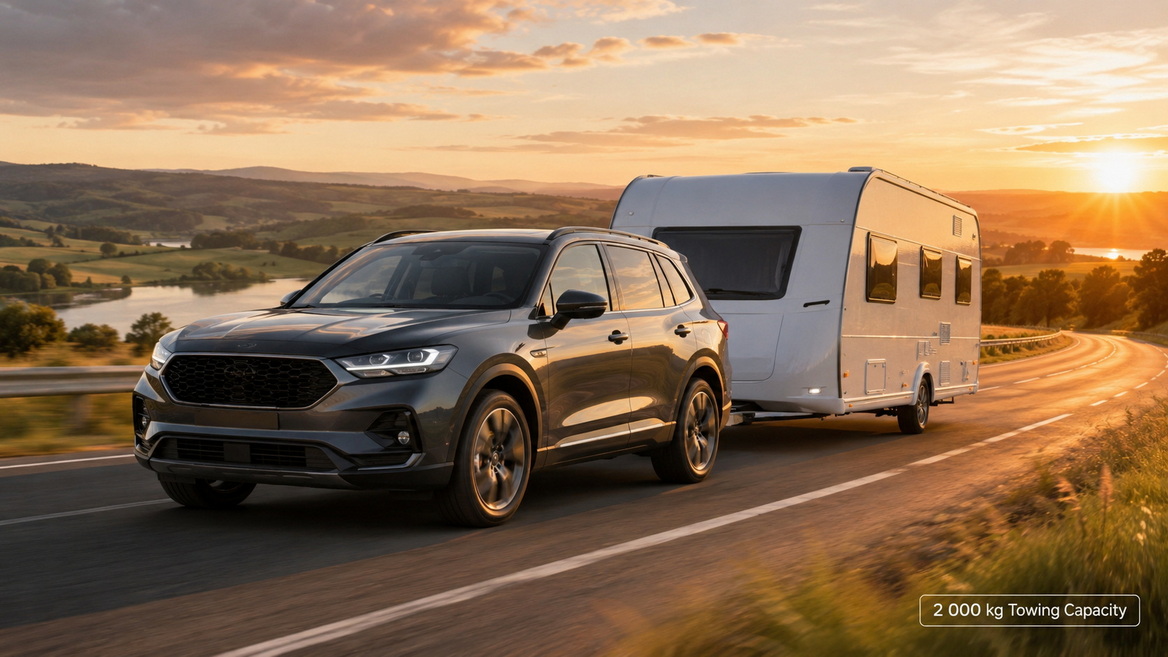
A 2,000 kg towing capacity comfortably covers most single‑axle caravans, many twin‑axle leisure trailers, and a wide range of small business equipment such as mobile food vans, display trailers, or light machinery. From my experience working with international buyers of used buses and heavy trucks, this weight class is a common "sweet spot" where private and small‑business needs intersect.
When you move from reading spec sheets to towing in real life, three factors matter far more than the brochure headline:
- Torque delivery and gearing
- Kerbweight and wheelbase stability
- Braking performance and assistance systems
In the commercial New Energy Vehicles sector, we see similar priorities when operators move from diesel tractors to electric heavy trucks: they care about how the vehicle behaves under load, not only its maximum rated capacity.
Drawing on years of exporting buses, heavy trucks, and new energy commercial vehicles across markets in Africa, the Middle East, and Oceania, I use a structured checklist when helping clients choose tow‑capable vehicles.
The most important criteria for a 2,000 kg tow car are:
- Engine and torque characteristics
A strong diesel or high‑torque hybrid/petrol unit often delivers more confident towing than a modest engine that just meets the rating on paper.
- Drivetrain and traction
All‑wheel drive or robust traction control improves stability on wet roads, grass fields, and unpaved caravan sites – similar to how we specify 6x4 or 4x2 configurations for heavy trucks operating on mixed terrain.
- Chassis stability and suspension tuning
Vehicles with a longer wheelbase, well‑damped suspension, and trailer stability systems behave much more predictably at motorway speeds.
- Braking and safety systems
Advanced driver assistance systems (ADAS) such as trailer sway control, lane keeping, and adaptive cruise play a growing role in reducing fatigue on long towing trips – a trend that mirrors today's zero‑emission bus fleets.
- Running cost and reliability
As an exporter, I constantly evaluate vehicles for parts availability, service networks, and typical failure points. A slightly less premium SUV with robust reliability can outperform a luxury model with higher downtime.
Below is a concise overview of standout used cars and SUVs that offer around 2,000 kg towing capacity, enriched with current market insights and practical commentary.
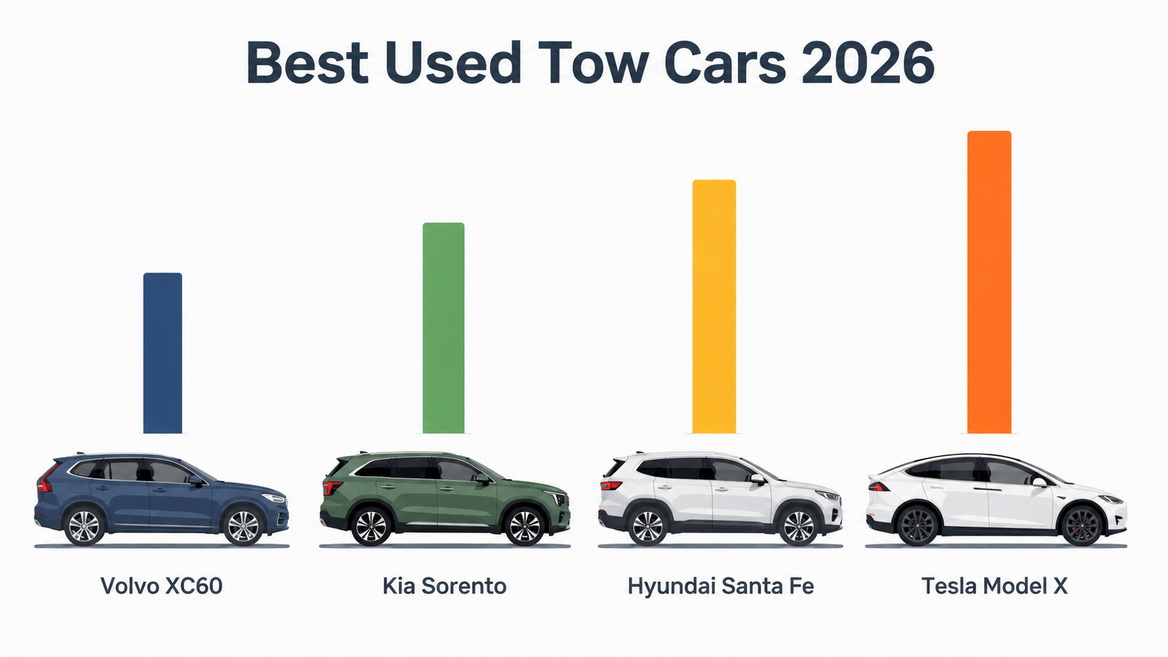
| Model (Used) | Typical Max Towing (braked) | Powertrain highlights | Why it stands out |
|---|---|---|---|
| Volvo XC60 (2017–on) | Up to 2,400 kgevanshalshaw | Strong diesels, plug‑in hybrid options | Safety‑focused family SUV with excellent stability |
| Land Rover Discovery Sport | 2,000–2,200 kgevanshalshaw | Diesel, petrol, PHEV, most with AWD | Compact yet capable tow car with seven‑seat options |
| Hyundai SANTA FE (4th/5th gen) | Up to 2,000 kgevanshalshaw | 2.2‑litre diesel or hybrid 1.6‑litre + motor | Spacious, dependable family SUV that tows confidently |
| Kia Sorento 2.2 CRDi | 2,000–2,500 kgevanshalshaw+1 | High‑torque diesel with seven seats | Budget‑friendly workhorse, strong warranty on newer units |
| Skoda Superb 2.0 TDI | 2,000 kgevanshalshaw | 148–197 bhp diesel options | Estate comfort with stable motorway manners |
| Audi Q3 2.0 TDI Quattro | Around 2,000 kg (selected units)evanshalshaw | 2.0‑litre diesel with AWD | Mid‑sized crossover with premium feel and traction |
| Nissan X‑Trail | Up to 2,000 kgevanshalshaw | 1.6‑litre diesel with 4WD options | Practical family SUV with good kerbweight and efficiency |
| Skoda Kodiaq 2.0 TDI | 2,000–2,500 kgallcarsuk.co | 150–190 PS diesel with 4x4 | Budget‑savvy choice with trailer stability systems |
| Kia Sorento (general) | Up to 2,500 kgevanshalshaw+1 | Diesel SUV, seven seats | Versatile vehicle for both family and business towing |
| Tesla Model X | Approx. 2,200 kgevanshalshaw | All‑electric with high torque | Zero‑emission choice with smooth electric power delivery |
This table intentionally blends the original Evans Halshaw selection with more recent buying‑guide insights, then reframes them from a fleet and export perspective.
The Volvo XC60 combines a serious towing rating (up to 2,400 kg on certain variants) with a strong reputation for passive and active safety. For family buyers who also tow caravans or trailers on weekends, this balance of protection, stability, and comfort is compelling.
From an exporter's point of view, the XC60 behaves like a light‑duty premium coach: calm at speed, well‑controlled over rough surfaces, and supported by a strong global parts network.
The Discovery Sport offers 2,000–2,200 kg towing capacity and a wide range of powertrains, including mild‑hybrid diesels and plug‑in hybrids. Buyers value its mix of four‑wheel drive, seven‑seat practicality, and the classic Land Rover towing pedigree.
However, based on customer feedback we see in export markets, you must weigh its towing stability and comfort against potential reliability considerations and running costs compared to Korean or Japanese rivals.
The Hyundai SANTA FE is widely regarded as a confident caravan puller, especially with the torquey 2.2‑litre diesel or the latest full‑hybrid powertrain that still offers a 2,000 kg towing capacity. Its generous interior space (around 625–700 litres of boot capacity, depending on generation) makes it a natural choice for larger families.
As an exporter, I see SANTA FE‑class vehicles as a bridge between private and commercial use: they are comfortable enough for daily family life yet robust enough for light commercial duties, such as towing marketing trailers or mobile service units.
The Kia Sorento 2.2 CRDi stands out for its up to 2,500 kg towing capacity, seven‑seat layout, and long manufacturer warranty on newer units. Recent buying guides emphasise its strong value compared with equivalent Land Rover or BMW products, particularly in terms of real‑world reliability.
For buyers who approach towing with a fleet‑management mindset, this model is attractive because:
- It balances capacity and operating cost.
- It offers a familiar diesel powertrain for mechanics worldwide.
- It delivers versatile cabin space for both passengers and equipment.
The Skoda Superb 2.0 TDI and selected Audi Q3 2.0 TDI Quattro models provide 2,000 kg towing capacity but in more compact, car‑like packages. For buyers who do not want a full‑size SUV, these vehicles offer:
- Lower running costs and better fuel economy.
- Stable high‑speed manners thanks to their chassis tuning.
- Enough torque to move a mid‑weight caravan or trailer confidently.
In industry terms, they resemble light‑duty commercial vans with refined interiors: practical for business trips yet ready to work when a trailer is hitched.
The Tesla Model X offers around 2,200 kg towing capacity and instant electric torque, making it a rare all‑electric choice in this segment. For operators who already manage New Energy Vehicle fleets, the Model X's towing capability is an interesting test case for how electric drivetrains handle additional load over long distances.
In our New Energy bus and truck projects, we constantly monitor range under load, charging infrastructure, and battery health. Buyers considering an electric tow car should apply similar thinking: assess the effective touring range with a caravan attached, and plan charging stops like they would depot charging for electric buses.
Because our core business at KeyChain is exporting used city buses, heavy trucks, and New Energy commercial vehicles, we see towing‑related issues from a more demanding angle than the typical private buyer. Several lessons transfer directly to choosing a tow car:
- Over‑spec capacity for safety
Fleet buyers often select trucks with higher capacity than their typical load to maintain margin for safety and unexpected cargo. Similarly, if you plan to tow close to 2,000 kg regularly, choosing a car with 2,200–2,500 kg capacity adds a valuable safety buffer.
- Prioritise braking and stability systems
New energy buses increasingly adopt advanced stability and brake‑assist systems to control heavy loads with regenerative braking and electric drivetrains. A tow car with trailer sway control and robust ABS is not a luxury – it is essential for safety.
- Think like a fleet manager about total cost of ownership
In export projects, we look at fuel or energy costs, expected maintenance, and downtime. Tow car buyers should do the same: a slightly more efficient and reliable diesel SUV can be cheaper over five years than a high‑performance model with higher repair risk.
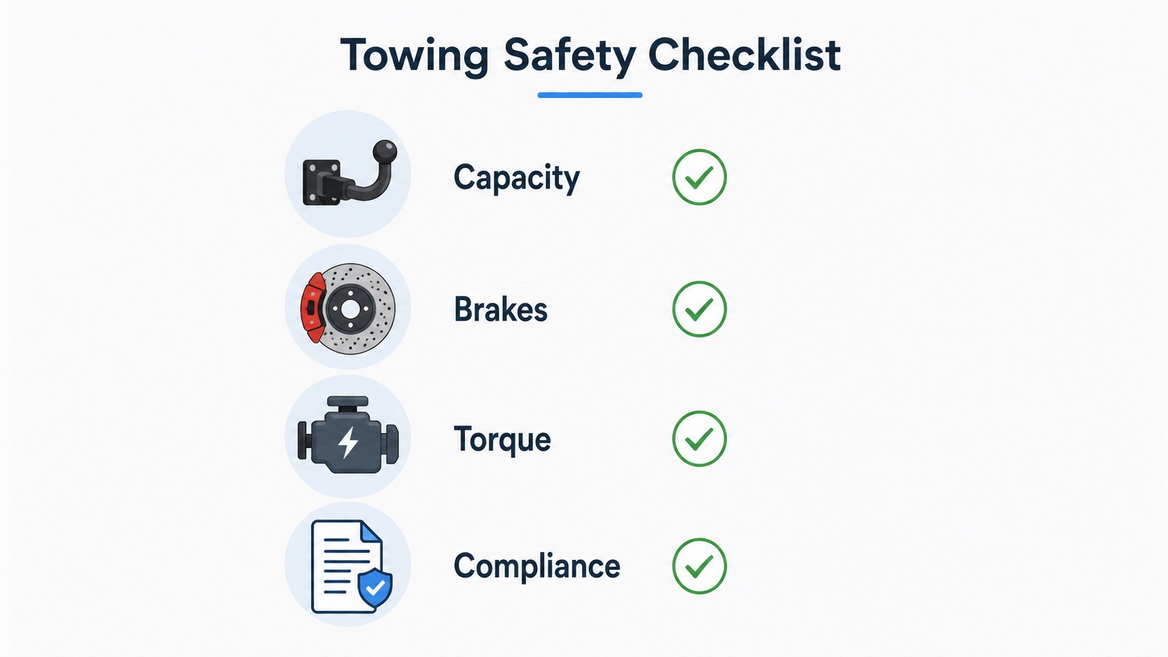
Here is a structured checklist you can use, refined through many conversations with both private caravan owners and trade buyers of commercial vehicles:
1. Confirm the braked towing capacity on the exact variant.
Not all engines or trims of the same model offer 2,000 kg; always check the VIN‑specific data, owner's manual, or official type approval.
2. Check kerbweight, nose weight limits, and matching caravan size.
Ensure your trailer or caravan is within recommended limits relative to the tow car's weight, especially for high‑speed touring.
3. Assess real‑world torque and gearing.
Focus on engines known for strong mid‑range torque rather than just peak horsepower numbers; this is what makes hill starts and overtakes safe.
4. Inspect the tow bar installation and electrics.
Some models, like certain EVs and SUVs, may have optional tow bars. Verify that the tow bar is correctly rated and professionally installed, including modern 13‑pin electrics where needed.
5. Evaluate maintenance history and typical issues.
Search for common reliability patterns in owner forums and professional buying guides, paying close attention to gearbox, cooling system, and suspension components under towing stress.
6. Plan insurance and regulatory compliance.
Check driving licence categories, local towing regulations, and insurance conditions, especially if you tow close to the rated maximum or use commercial trailers.
By following this checklist, you approach tow car selection with the same disciplined mindset that fleet managers use for buses and heavy trucks, significantly lowering your risk.
While this guide focuses on used passenger cars and SUVs with 2,000 kg towing capacity, many trade buyers we support actually look for larger solutions: heavy trucks and new energy buses capable of pulling much heavier trailers, mobile stages, or equipment carriers.
KeyChain Venture Co., Ltd. specialises in:
- Second‑hand buses and used city buses from leading Chinese brands such as Yutong, King Long, and Higer.- Reconditioned heavy trucks (tractors, dump trucks, concrete mixers) tailored to local regulations and duty cycles.
- New energy commercial vehicles, including electric city buses and hybrid buses, suitable for low‑emission urban operations.
For operators who already rely on these vehicles in their business and now need a private or light‑duty tow car, it makes sense to align decisions: choose tow cars and commercial fleet units that share similar technology, service networks, and emission strategies.
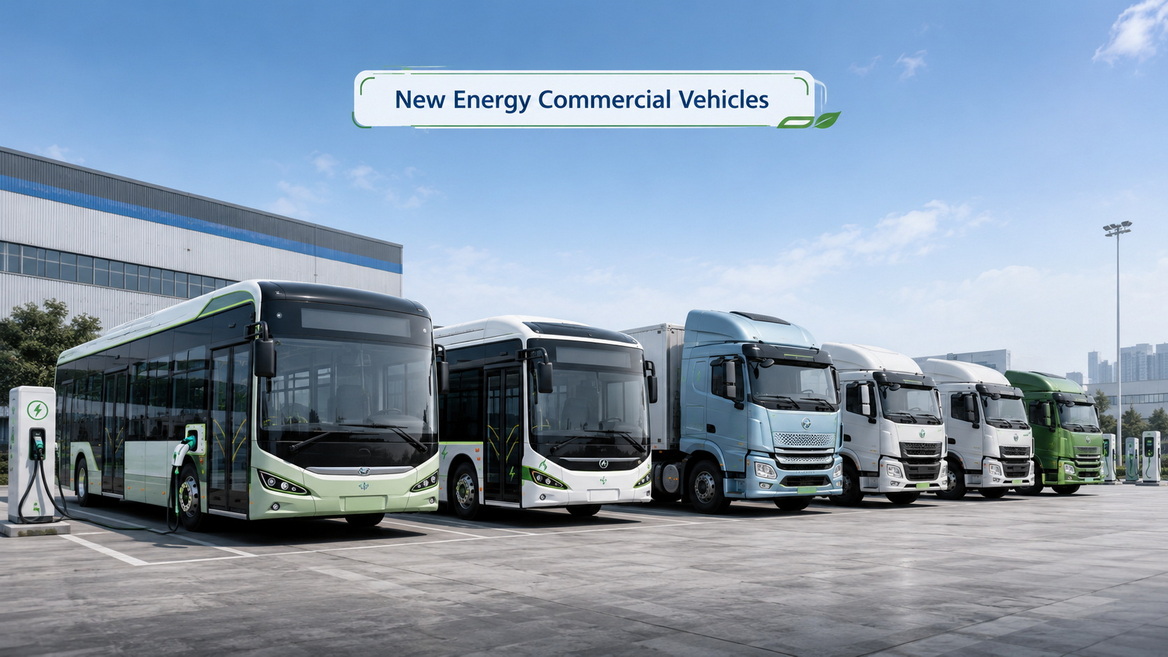
If you are a fleet operator, distributor, or trade buyer thinking beyond private caravanning and exploring New Energy commercial vehicles for heavy‑duty transport or passenger operations, you can:
- Reach out to our team at KeyChain Venture Co., Ltd. for tailored advice on combining tow‑capable used cars with high‑performance buses, heavy trucks, and electric city buses in a unified fleet strategy. - Request custom sourcing lists for specific tow capacities, emissions requirements, and route profiles, drawing on our experience exporting vehicles across diverse markets.
By treating your tow car choice as part of a wider transport plan, you reduce risk, improve operational efficiency, and prepare your business for the transition to New Energy Vehicles.
Yes, 2,000 kg braked capacity covers most single‑axle caravans and many twin‑axle models, but you must always check the actual plated weight of your specific caravan or trailer.
Diesel remains popular thanks to strong torque and efficiency under load, while hybrids can be attractive for mixed urban use. Electric models like the Tesla Model X offer impressive towing capacity but require careful range planning, similar to how operators manage zero‑emission buses.
Not necessarily, but AWD significantly improves traction and confidence on wet or uneven surfaces. This is particularly important if you regularly tow on grass fields, gravel, or hilly rural roads.
Check the owner's manual, the vehicle identification plate, and the official type‑approval data. Do not rely solely on generic online figures, as capacities can differ by engine, gearbox, and trim level.
In some urban and regional applications, zero‑emission buses and electric trucks already match or exceed diesel performance, especially in terms of torque and low‑speed control. However, long‑distance heavy towing still requires careful route planning and charging strategies.
1. Evans Halshaw – *Best Used Cars with 2,000kg Towing Capacity in 2026* (source article and vehicle data). https://www.evanshalshaw.com/blog/best-used-cars-with-two-thousand-kilograms-towing-capacity/
2. Carwow – *10 best used cars for towing a caravan or trailer*. https://www.carwow.co.uk/editorial/best-cars/by-features/used-tow-cars
3. Practical Caravan – *10 best cars for towing caravans (used models)*. https://www.practicalcaravan.com/buying-guides/10-best-cars-for-towing-caravans-used-models 4. Stratstone – *Best Used Premium Cars for Towing*. https://www.stratstone.com/blog/best-used-premium-cars-for-towing/
5. Evans Halshaw – *Best Used Family Cars for Towing Caravans*. https://www.evanshalshaw.com/blog/best-used-cars-for-towing-caravans/
6. AllCarsUK – *Best Used Cars for Towing Caravans & Trailers UK 2026*. https://allcarsuk.co.uk/blog/best-used-cars-for-towing-caravans-trailers
7. Auto Express – *Best used tow cars 2026*. https://www.autoexpress.co.uk/best/used-tow-cars
8. Carsa – *Best Used Cars for Towing UK 2026*. https://www.carsa.co.uk/blog/best-used-cars-for-towing-uk-2026
9. Cargiant – *Best Used Cars for Towing – Top Tow Cars UK*. https://www.cargiant.co.uk/best-used-cars-for-towing
10. Reddit – *Estates that tow 2000kg+*. https://www.reddit.com/r/CarTalkUK/comments/18wzobo/estates_that_tow_2000kg_am_i_missing_any/
11. KeyChain Venture Co., Ltd. – *China New Energy Vehicles Exporter & Supplier*. https://www.keychainauto.com/new-energy-vehicles.html
12. King Long – *China Bus Maker, New Energy Vehicle Manufacturer*. https://www.king-long.com/)13. KeyChain Venture Co., Ltd. – *Top 10 Golden Dragon Bus Manufacturers in China*. https://www.keychainauto.com/top-10-golden-dragon-bus-manufacturers-in-china.html
14. International Council on Clean Transportation (ICCT) – *Zero-emission bus and truck market in China: 2022 update*. https://theicct.org/wp-content/uploads/2023/12/ID-57-%E2%80%93-ZETs-China_Final.pdf
15. Cazoo / Motors – *Towing a caravan: What you need to know* (general towing guidance). https://www.cazoo.co.uk/advice/cars/best-used-cars-for-towing-caravans/


