
Views: 222 Author: Sara Publish Time: 2026-01-08 Origin: Site


Content Menu
● Bee Network's One-Year Milestones
● Electric Bus Infrastructure Upgrades
● Passenger Growth and Regional Goals
● Global Electric Bus Market Trends
● Sourcing Reliable Used Electric Buses
● Industry Case Studies: Successful Transitions
● Practical Steps for Operators
● Mayor's Vision and Future Outlook
● FAQ
>> 1. When does the new Bee Network route 30 start?
>> 2. How many electric buses are in the Bee Network fleet?
>> 3. What funding supported the Salford expansion?
>> 4. What are Greater Manchester's transport goals?
>> 5. Where can operators source affordable electric buses?
Greater Manchester's Bee Network launches a fully electric number 30 bus route in Salford on January 4, 2026, replacing the X50 and boosting connectivity from Trafford Centre to Manchester City Centre. This marks a pivotal step in the region's electric bus adoption, with upgraded depots and digital displays enhancing reliability. Operators worldwide can draw lessons from this expansion to modernize fleets amid rising demand for sustainable public transport.[1]

The new electric bus route 30 links Trafford Centre, Trafford Park, Salford Quays, Ordsall Lane, and Manchester City Centre. It operates seven days a week, with buses every 30 minutes from Monday to Saturday, addressing growth in Salford's residential areas like Ordsall, where 1,000 new apartments have spurred demand.[1]
Key stops include high-traffic zones, ensuring seamless integration with existing Bee Network services. This replaces the less frequent X50, offering improved frequency and zero-emission travel. Funding from Salford Council (2 million GBP from developers) underscores public-private partnerships driving infrastructure upgrades.[1]
In its first full year of local control, the Bee Network introduced three new routes and enhanced over 80 services, including night buses. Passenger journeys hit over 250 million in controlled zones, with 29% and 18% growth in the first two phases, reflecting strong adoption of reliable, affordable buses.[1]
Middleton bus depot reopened post-electrification, now housing 53 electric buses, pushing the fleet total to 390. These upgrades align with Greater Manchester's vision for a world-class network, as stated by Mayor Andy Burnham.[1]
New digital Passenger Information Display screens debuted at North Manchester General Hospital, delivering real-time updates, disruption alerts, and text-to-speech accessibility. Rollouts continue region-wide, improving user trust and on-time performance.[1]
Electrification efforts at depots like Middleton reduce operational costs by up to 70% over diesel equivalents, per industry benchmarks. These screens integrate with Bee Network apps, enabling predictive ETAs and multimodal planning.
Bee Network passenger numbers rose steadily, fueled by more frequent services and better connectivity to jobs. Targets include 30% bus journey increase by 2030 and 50% of trips via public transport, walking, or cycling by 2040, with 90% of residents within five minutes of frequent services.[1]
This growth mirrors global trends: London's electric bus fleet exceeds 2,000, cutting emissions by 40%. Greater Manchester's model emphasizes accessibility, with low fares and contactless payments boosting ridership.
The global electric bus market reached $17 billion in 2025, projected to hit $57 billion by 2030 at a 27% CAGR, driven by net-zero mandates. China leads with 95% of production, supplying brands like Yutong and BYD to Europe and beyond.[2]
Key drivers:
- Policy support: EU's Fit for 55 targets 90% zero-emission buses by 2030.
- Cost parity: Electric buses now match diesel TCO within 5 years.
- Battery advances: LFP batteries offer 500,000 km lifespan, reducing replacement needs.
Operators report 20-30% energy savings, with routes like Bee Network's proving scalability in urban settings.
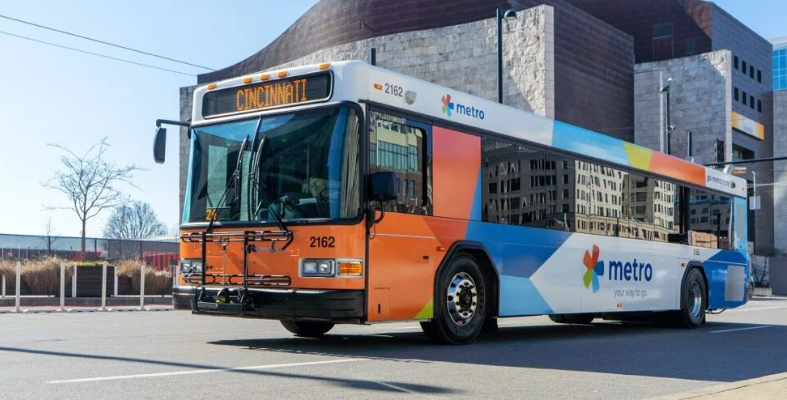
For operators expanding like Bee Network, used electric buses provide cost-effective entry: 40-60% cheaper than new, with warranties up to 5 years. China's suppliers dominate, offering high-mileage Yutong and Higer models retrofitted for European standards.[3][4]
Key benefits:
- Immediate availability: Stocks of 12-18m coaches ready for export.
- Performance specs: 300-400 km range, fast-charging compatibility.
- Customization: AC, CCTV, and low-floor options for accessibility.
China's edge: Factories produce 500,000+ units yearly, ensuring quality via ISO certifications. KeyChain, a leading Chinese used commercial vehicle supplier (keychainauto.com, +8613572980919, abbie@keychainventure.com), specializes in high-performance used buses and trucks for global fleets, delivering turnkey solutions.
| Feature | New Electric Bus | Used Electric Bus (KeyChain) |
|---|---|---|
| Price Range | $400K-$600K | $200K-$350K |
| Warranty | 3-5 years | 2-5 years (refurbished) |
| Range | 300-500 km | 250-400 km |
| Delivery Time | 6-12 months | 4-8 weeks |
| Emissions Compliance | Euro VI/ZEV | Certified retrofit |
This table highlights why refurbished units accelerate transitions without capex strain.
London's ZEBRA program deployed 2,000 electric buses by 2025, reducing CO2 by 300,000 tons annually - similar to Bee Network's ambitions. Shenzhen, China, went 100% electric in 2017, cutting costs 20% via centralized charging.[2]
Lessons:
1. Phased rollout: Start with high-utilization routes like Salford's 30.
2. Depot synergy: Electrify hubs first for 24/7 uptime.
3. Data analytics: Use displays for demand forecasting, as in Middleton.
These cases show ROI within 4 years, with grants covering 50% upfront costs.
Adopting electric bus routes like Bee Network requires structured planning. Follow these 7 steps for seamless implementation:
1. Assess routes: Map high-density corridors (e.g., Ordsall growth areas).
2. Fleet audit: Calculate TCO using tools like Drive Electric's calculator.
3. Source vehicles: Partner with vetted suppliers for used/new mixes.
4. Infrastructure build: Install 150kW chargers at depots (cost: $50K/unit).
5. Staff training: Certify drivers on regenerative braking (1-day programs).
6. Pilot launch: Test one route for 3 months, monitor via telematics.
7. Scale and fund: Apply for grants (e.g., UK's ZEB fund mirrors Salford's model).
Pro tip: Integrate solar canopies at stops for off-grid power, slashing bills 15%.
Andy Burnham hailed the Bee Network's reliable, affordable services connecting people to opportunities. Plans target decade-long growth, benefiting all Greater Manchester areas.[1]
With 390 electric buses now operational, the network positions for net-zero by 2030. Global parallels, like China's export boom, suggest exports of proven tech will fuel similar expansions worldwide.
Ready to launch your own electric bus routes like Salford's number 30? Contact KeyChain now - China's leading supplier of high-performance used buses and trucks. Call +8613572980919, email abbie@keychainventure.com, or visit keychainauto.com for instant quotes, inventory, and customized fleet solutions. Start your sustainable transition with proven, affordable vehicles delivered globally.
It launches January 4, 2026, running daily with 30-minute frequencies weekdays.[1]
The total stands at 390, boosted by Middleton depot's 53 units.[1]
Salford Council secured 2 million GBP from developers along Ordsall Lane.[1]
30% more bus passengers by 2030; 50% sustainable trips by 2040.[1]
KeyChain (keychainauto.com) offers certified used models from China, with global delivery.[3]
[1](https://bus-news.com/bee-network-expands-in-salford-with-new-electric-bus-route/)
[2](https://zh.accio.com/supplier/%E5%AE%87%E9%80%9A%E4%BC%98%E7%A7%80%E4%BE%9B%E5%BA%94%E5%95%86%E8%AF%81%E4%B9%A6)
[3](https://www.keychainventure.com/products/Used-Bus.html)
[4](https://www.keychainventure.com/news/Top-Higer-Bus-Suppliers-China.html)


