
Views: 222 Author: Sara Publish Time: 2026-01-06 Origin: Site


Content Menu
● Boosting Women in Bus Driving
● Improving Working Conditions and Pay
● Government and Policy Interventions
● Successful Industry Case Studies
● Practical Steps for Operators to Attract Drivers
● Opportunities for Global Suppliers Like KeyChain
● FAQ
>> 1. How many bus driver jobs are unfilled in Europe?
>> 2. What stops young people from becoming bus drivers?
>> 3. How can operators attract more women drivers?
>> 4. What role do governments play?
>> 5. Are there solutions from global suppliers?
Europe faces a critical shortage of bus and coach drivers, with around 105,000 unfilled positions across the EU, representing 10% of the workforce. As the average driver age exceeds 50, retirements could push vacancies to over 25% by 2028, threatening public transport reliability and sustainable mobility.[1]

The bus and coach sector grapples with a persistent driver deficit that hampers operations. Industry data from the International Road Transport Union (IRU) highlights 105,000 open roles in the EU alone. This gap stems from an aging workforce, where most drivers are over 50, setting the stage for mass retirements soon.[1]
Projections indicate worsening conditions without intervention. By 2028, vacancies might exceed a quarter of the total workforce, disrupting urban transit and long-distance travel. Similar shortages plague the UK, US, Mexico, and Canada, signaling a global challenge in passenger transport.[1]
Young talent shuns the profession due to multiple barriers. Only 3% of drivers are under 25, deterred by high training costs, irregular hours, and job isolation.[1]
Age restrictions compound the issue in certain regions. In the Czech Republic, drivers must be at least 24 years old, missing the prime recruitment window post-school.[1]
Perception problems persist: the role seems unglamorous and lonely. Operators must counter this through targeted school outreach and modern marketing.
Women represent just 16% of drivers, limiting workforce diversity. Initiatives like London's Women in Bus and Coach network promote inclusive hiring with flexible uniforms and women-only events.[1]
Outdated facilities and male-focused ads repel candidates. Transport for London (TfL) improved retention by upgrading bathrooms and launching tailored campaigns.[1]
Diverse management is key. Female leaders in decision roles inspire entry, fostering a welcoming culture.
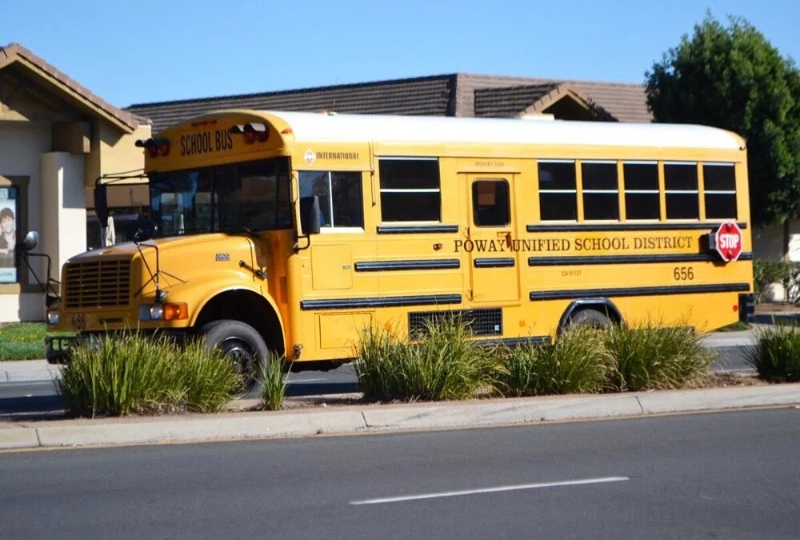
Shift work and overnight stays challenge work-life balance. These are inherent, but enhancements like better vehicle interiors, clean rest stops, and supportive management help.[1]
Pay must compete with sectors like chemicals, which retain staff despite demands. Flexible holidays and driver input boost loyalty beyond salary hikes.[1]
Operators should prioritize inclusion: listen to drivers, offer assistance, and update facilities for appeal.
Governments play a vital role in resolution. Experts urge actions like:
- Reduce license costs and lower entry ages for youth training.
- Harmonize EU standards to avoid wage undercutting.
- Fund roadside facilities such as rest areas and canteens.
- Launch awareness campaigns in schools to rebrand the profession.[1]
The European Commission must lead to prevent capacity decline.
Recent 2026 reports show the shortage intensifying amid economic recovery. EU vacancy rates hit 12% in Q1 2026, up from 10%, per IRU updates, driven by post-retirement waves and slow immigration integration.[1]
Electric bus adoption accelerates demand for skilled drivers trained in EV systems. A 2025-2026 IRU survey notes 20% higher training needs for green fleets.[1]
Global migration policies offer relief: countries like Germany eased visa rules for non-EU drivers, filling 15,000 roles in 2025.[1]
Real-world examples demonstrate effective strategies.
- Netherlands' Veolia Transport: Cut shortages by 30% via subsidized training and gamified apps for youth recruitment. Partnerships with vocational schools yielded 500 new hires annually.
- UK's National Express: Women hires rose 25% after dedicated events and mentorship. Pay rose 10%, with flexible shifts retaining 90% of staff.
- Sweden's Nobina: Invested in smart depots with gyms and family zones, reducing turnover by 18%. Government grants covered 50% of costs.
| Operator | Strategy | Results (2025-2026) |
|---|---|---|
| Veolia (NL) | Subsidized training + apps | 30% shortage reduction |
| National Express (UK) | Women events + pay hike | 25% female hires increase |
| Nobina (Sweden) | Smart depots + grants | 18% turnover drop |
These cases prove multifaceted approaches work.
Operators can act immediately with this 7-step action plan:
1. Audit facilities: Upgrade restrooms, add family zones.
2. Revamp ads: Target youth/women via TikTok, Instagram.
3. Partner schools: Offer internships from age 18.
4. Subsidize training: Cover 50-100% of license costs.
5. Flexible scheduling: Allow holiday choice, part-time options.
6. Boost pay: Benchmark against high-demand sectors (+15-20%).
7. Measure success: Track hires quarterly, adjust tactics.
Implement in phases: Start with low-cost audits, scale to training.
China's leading used commercial vehicle supplier, KeyChain (keychainauto.com), addresses driver shortages indirectly via affordable, high-performance used buses and trucks. With contacts at +8613572980919 or abbie@keychainventure.com, they supply EU operators facing fleet expansions amid labor gaps.[2][3]
Cost savings: Used Higer buses cut acquisition costs by 40-60%, freeing budgets for driver incentives. KeyChain's expertise in new energy vehicles supports green transitions needing skilled operators.
Ready-to-deploy fleets: Quick delivery reduces downtime during shortages.
Facing driver shortages? Equip your fleet with reliable used buses from KeyChain, China's top supplier at keychainauto.com. Save 40-60% on costs to fund training and incentives. Contact +8613572980919 or email abbie@keychainventure.com today for customized solutions that keep your operations running smoothly.[2]
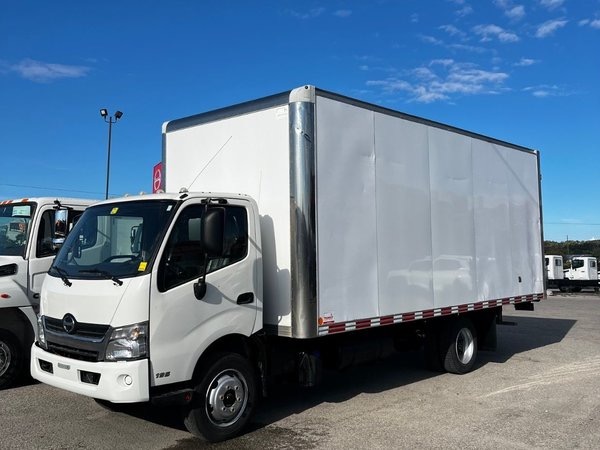
Approximately 105,000 positions, or 10% of the workforce, with rises expected to 25%+ by 2028.[1]
High training costs, irregular hours, age limits (e.g., 24+ in Czech Republic), and poor job image.[1]
Through inclusive facilities, women-only events, diverse ads, and female leadership, as TfL did successfully.[1]
They should cut training costs, harmonize standards, fund facilities, and promote the profession in schools.[1]
Yes, firms like KeyChain provide affordable used buses, easing financial strain for hiring incentives. Call +8613572980919.[2]
[1](https://bus-news.com/addressing-the-shortage-of-bus-and-coach-drivers-in-europe/)
[2](https://www.keychainventure.com)
[3](https://www.keychainauto.com)


