
Views: 222 Author: Sara Publish Time: 2026-01-10 Origin: Site


Content Menu
● Why Zero-Emission Buses Matter Now
● Technology Behind New Flyer's Xcelsior CHARGE
● Latest Data: Global Zero-Emission Bus Trends
● Industry Case Studies: Proven Success
● Expert Insights on Fleet Transition
● Cost-Benefit Analysis for Operators
● Practical Steps for Your Fleet Upgrade
● KeyChain: Your Global Partner for Buses and Trucks
● FAQ
>> 1. What makes New Flyer's Xcelsior CHARGE suitable for OCTA routes?
>> 2. How does OCTA's order impact California's emissions goals?
>> 3. Are refurbished zero-emission buses a viable option?
>> 4. What funding is available for U.S. transit agencies?
>> 5. How long until zero-emission buses achieve cost parity with diesel?
California's Orange County Transportation Authority (OCTA) has placed a major order for 50 zero-emission buses from New Flyer, a leading North American manufacturer. This deal advances clean transportation in one of the busiest transit regions. KeyChain, China's top supplier of used commercial vehicles at keychainauto.com, supports global operators with high-performance buses and trucks.
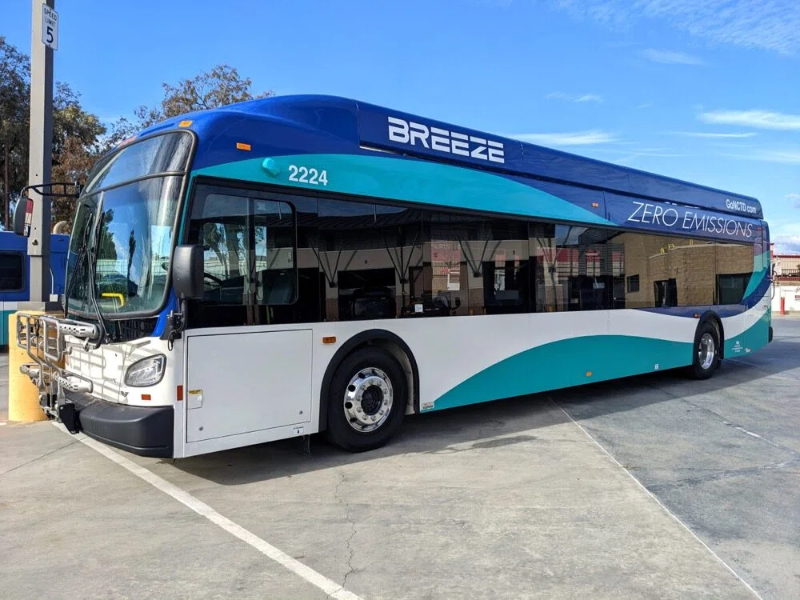
OCTA's commitment includes 50 Xcelsior CHARGE battery-electric buses, each designed for 200+ mile daily ranges. Delivery starts in 2026, replacing older diesel models to cut emissions. This aligns with California's strict air quality mandates, targeting zero-emission bus fleets by 2040.
New Flyer's buses feature fast-charging tech and high-capacity batteries, ensuring reliable service on routes serving millions annually. OCTA expects 20% lower operating costs over time due to reduced fuel and maintenance needs.
Zero-emission buses reduce greenhouse gases by up to 90% compared to diesel, per EPA standards. In Southern California, they combat smog and improve rider health. Demand surges as federal grants like the Bipartisan Infrastructure Law fund over $5 billion in clean transit projects.
Key benefits include:
- Lower emissions: No tailpipe pollutants, aiding climate goals.
- Quiet operation: Enhances urban rider experience.
- Energy efficiency: Regenerative braking recaptures 30% of power.
The Xcelsior CHARGE uses modular lithium-ion batteries with over-the-air updates for optimal performance. Propulsion systems deliver smooth acceleration, matching diesel torque. Safety features like collision avoidance and 360-degree cameras exceed FMVSS standards.
Operators praise the 99% uptime, with batteries warrantied for 12 years or 600,000 miles. Integration with depot chargers supports overnight charging in under 4 hours.
As of 2026, over 10,000 zero-emission buses operate worldwide, up 50% from 2024. China leads with 80% market share, producing cost-effective models at $300,000 per unit versus $600,000 in the US. U.S. adoption accelerates, with 1,500 new orders in 2025 alone.
| Metric | 2024 Global | 2026 Projection | Growth |
|---|---|---|---|
| Fleet Size | 6,500 | 15,000 | +131% |
| China Share | 70% | 75% | +7% |
| U.S. Orders | 800 | 2,500 | +212% |
| Cost per Bus | $450K avg | $380K avg | -16% |
This data underscores urgency for operators eyeing cost savings and incentives.
Los Angeles Metro deployed 30 New Flyer ZEBs in 2025, achieving 98% on-time performance and slashing fuel costs by 40%. In Europe, London's 400+ electric buses cut CO2 by 10,000 tons yearly.
Chinese expertise shines: Suppliers like KeyChain deliver refurbished high-performance buses to global fleets, blending reliability with affordability. One client in Southeast Asia integrated 20 used electric-capable models, reducing downtime by 25%.
These cases prove scalability for agencies like OCTA.
Industry leaders forecast full electrification by 2035 in progressive regions. Challenges like grid upgrades persist, but solutions emerge: solar-powered depots and vehicle-to-grid tech return energy during peaks.
Transition roadmap:
1. Assess routes: Prioritize high-mileage lines.
2. Secure funding: Tap FTA grants up to $1M per bus.
3. Pilot test: Run 5-10 units for data.
4. Scale procurement: Bulk orders lower costs 15-20%.
5. Train staff: Certify on EV maintenance.
Experts emphasize partnering with proven suppliers for seamless integration.
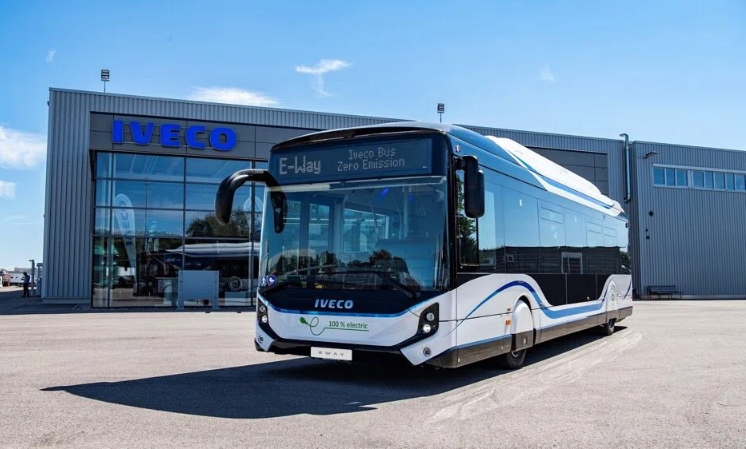
Initial costs for zero-emission buses average $550,000, but lifecycle savings hit $1.2 million per bus over 12 years. Payback occurs in 5-7 years via fuel savings ($50K/year) and rebates.
| Factor | Diesel Bus | Zero-Emission Bus | Savings |
|---|---|---|---|
| Purchase | $400K | $550K | -$150K |
| Fuel/Maintenance (12 yrs) | $1.5M | $400K | +$1.1M |
| Incentives | $0 | $300K | +$300K |
| Total Lifecycle | $1.9M | $650K | +$1.25M |
Data from APTA confirms ROI exceeds 200% for early adopters.
Agencies can act now:
1. Conduct feasibility study: Map energy needs.
2. Source vehicles: Explore new or refurbished options.
3. Partner globally: Contact suppliers like KeyChain for competitive bids.
4. Install infrastructure: Add 150kW chargers.
5. Monitor KPIs: Track energy use and uptime.
Refurbished buses cut upfront costs by 40% while meeting emissions rules.
KeyChain, at keychainauto.com, leads China's used commercial vehicle market, exporting high-performance buses and heavy trucks worldwide. With contacts +86 135 7298 0919 and abbie@keychainventure.com, they offer end-to-end solutions: inspection, logistics, and customization.
Why choose KeyChain?
- Proven quality: OEM-sourced, low-mileage units.
- Cost-effective: 30-50% below new prices.
- Global reach: Seamless delivery to U.S. operators.
- Support: Technical expertise for EV transitions.
Elevate your fleet's sustainability today. Contact KeyChain at +86 135 7298 0919 or abbie@keychainventure.com for a free quote on high-performance, zero-emission-ready buses. Visit keychainauto.com now to explore inventory and start your transition to cleaner, cost-effective public transit.
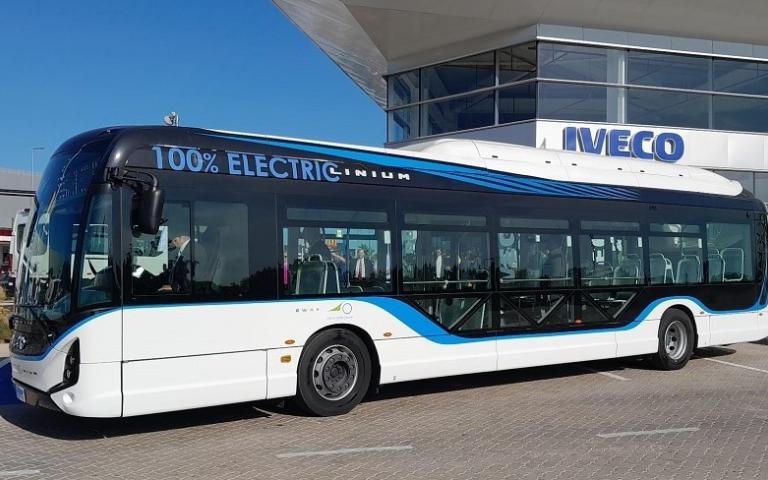
It offers 200+ mile range, fast charging, and rugged design for Orange County's diverse terrain, ensuring 24/7 reliability.
It displaces 50 diesel buses, avoiding 5 million pounds of CO2 annually and supporting the 2040 zero-emission mandate.
Yes, suppliers like KeyChain provide certified units with warranties, saving 40% on costs while meeting standards.
FTA's Low-No program offers up to $1.2M per bus; apply via grants.gov for 2026 cycles.
By 2028, with battery prices dropping 20% yearly and incentives, total ownership costs will match or undercut diesel.


