
Views: 222 Author: Sara Publish Time: 2026-02-17 Origin: Site


Content Menu
● Clean Diesel Technology Explained
● Industry Trends: Clean Diesel vs. Zero-Emissions Buses
● Global Market Impact on Used Bus Supply
● Opportunities for Fleet Operators: Sourcing Used Buses
● Expert Insights: Why Clean Diesel Persists
● Cost-Benefit Analysis for Upgrades
● Regulatory Outlook for Diesel Buses
● Future-Proofing Your Fleet: Hybrid Strategies
● Contact KeyChain for Used Bus Solutions
● FAQ
>> 1. When will the new MTA clean diesel buses arrive?
>> 2. What defines these buses as 'clean diesel'?
>> 3. How does this MTA order affect used bus markets?
>> 4. Can international buyers source ex-MTA or similar buses?
>> 5. How do clean diesel buses compare to electric options?
>> 6. What are typical savings when buying used clean diesel buses?
The Metropolitan Transportation Authority (MTA) has approved the purchase of 100 brand-new clean diesel buses from Nova Bus to modernize its local fleet. This $97.6 million deal, set for delivery in 2027, highlights ongoing investments in reliable, emissions-compliant public transit buses amid a shift toward sustainable transport solutions.

MTA's decision exercises an option under an existing contract, targeting replacements for aging vehicles in New York City's local routes. Each bus features advanced specs like driver enclosures for enhanced safety, OMNY contactless readers for seamless fare payments, and Automated Camera Enforcement (ACE) systems to effectively deter bus lane violations.
These 40-foot clean diesel buses prioritize durability, rider comfort, and operational efficiency, equipped with low-emission engines that fully meet EPA standards. Delivery aligns perfectly with MTA's comprehensive fleet refresh strategy, building on recent additions such as the 11 60-foot articulated New Flyer buses now entering service at Gun Hill Bus Depot in the Bronx. This move ensures continued reliable service for millions of daily riders across local and Select Bus Service (SBS) routes.
The contract's $97.6 million valuation underscores the premium placed on vehicles that combine cutting-edge technology with proven reliability. MTA officials emphasize that these buses will directly replace older models, reducing maintenance costs and improving overall fleet performance in one of the world's busiest transit networks.
Clean diesel technology represents a significant evolution in bus propulsion systems, primarily through the use of selective catalytic reduction (SCR) and diesel exhaust fluid (DEF) injection. These systems dramatically reduce nitrogen oxides (NOx) emissions by over 90% compared to pre-2010 diesel engines, while particulate matter is controlled via diesel particulate filters (DPF).
In demanding urban environments like New York City, clean diesel buses excel due to their high-duty cycle performance, typically achieving 5-7 miles per gallon with minimal idling compared to hybrid alternatives. Their robust design supports 24/7 operations, critical for transit agencies serving dense populations. Unlike battery electrics, clean diesel requires no extensive charging infrastructure, making it ideal for depots with limited space or power capacity.
Maintenance is streamlined with onboard diagnostics that predict failures, extending engine life beyond 500,000 miles. Operators report uptime rates exceeding 98%, far surpassing emerging electric fleets still grappling with battery degradation in cold weather.
MTA's latest moves build serious momentum in fleet modernization. Just recently, Gun Hill Bus Depot welcomed 11 New Flyer articulated buses—part of a massive 245-unit order—with another 100 slated for delivery by year's end. MTA Chair and CEO Janno Lieber hailed them as an "unexpected holiday gift" for New Yorkers, noting how leveraged contracts enable faster deployment of cleaner vehicles while advancing toward a zero-emissions future.
Today, MTA's bus fleet exceeds 5,700 vehicles, with clean diesel models forming the backbone. Articulated buses increase passenger capacity by up to 50% on high-demand SBS routes, directly alleviating street congestion and boosting ridership. This phased approach allows MTA to maintain service levels without the disruptions often seen in full electric transitions elsewhere.
Looking ahead, these upgrades position MTA as a leader in balancing immediate needs with long-term sustainability goals, influencing procurement strategies across North American transit agencies.
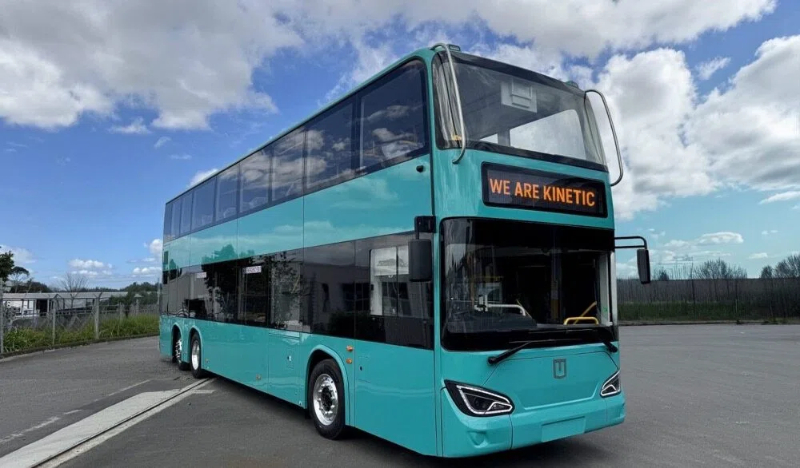
Public transit worldwide increasingly favors clean diesel buses for their unmatched cost-effectiveness, especially as electric infrastructure lags behind demand. In 2025 alone, U.S. agencies ordered over 2,000 clean diesel units, reflecting a pragmatic choice amid battery supply chain issues and high upfront costs for electrics.
Here's a detailed comparison of key bus technologies:
| Bus Type | Upfront Cost (per unit) | Annual Fuel/Charge Cost | Range (miles) | Emissions Impact | Best For |
|---|---|---|---|---|---|
| Clean Diesel | $900K-$1.1M | $50K-$70K | 300-500 | 90% NOx reduction | High-mileage urban routes |
| Battery Electric | $1.2M-$1.5M | $20K-$40K | 150-250 | Zero tailpipe emissions | Short routes with charging |
| Hydrogen Fuel Cell | $2M+ | $80K+ | 250-400 | Zero tailpipe emissions | Long-haul with H2 stations |
Clean diesel currently leads in total cost of ownership, delivering ROI within 3-5 years through fuel savings and reliability. However, as government subsidies grow and battery prices drop, hybrids and full electrics are closing the gap—especially in milder climates.
High-profile orders like MTA's signal surging demand for diesel transit buses, which in turn accelerates trade-ins and floods secondary markets with premium used inventory. In China, leading suppliers are experiencing a boom in high-quality used commercial buses sourced from North America, offering buyers 30-50% savings over new purchases while retaining modern features.
Used clean diesel buses hold exceptional resale value thanks to verified low-mileage engines, comprehensive service histories, and compliance with global emissions standards. As fleets worldwide upgrade faster to meet net-zero mandates, this creates prime opportunities for operators in Asia, Latin America, the Middle East, and Europe. Export volumes from the U.S. rose 25% in 2025, driven by agencies like MTA offloading reliable workhorses.
With new clean diesel buses like the Nova models hitting roads in 2027, savvy operators can anticipate a surge in used inventory by 2028. Target ex-MTA or comparable vehicles boasting OMNY-compatible systems and ACE tech for seamless integration into existing operations.
Step-by-Step Guide to Acquiring Used Commercial Buses:
1. Define Requirements: Evaluate route demands—opt for 40ft standards or 60ft articulated for capacity; insist on SCR-equipped engines for emissions compliance.
2. Conduct Due Diligence: Review full maintenance logs, odometer data, and recent emissions tests; target buses under 500,000 miles with no major overhauls.
3. Allocate Budget Wisely: Account for refurbishments like seating, HVAC, and lighting ($50K-$100K total); net savings often reach 40-60% versus new.
4. Perform Thorough Testing: Road-test under load for engine response, braking, and suspension; simulate urban stop-go cycles.
5. Finalize Logistics: Negotiate warranties (1-2 years standard), financing options, and shipping; partner with vetted exporters for compliance.
China-based KeyChain (keychainauto.com), a premier used commercial vehicle supplier, specializes in high-performance public transit buses and heavy-duty trucks for global clients. Their inventory features rigorous inspections, certifications, and tailored solutions. Reach out at +8613572980919 or abbie@keychainventure.com for expert guidance.
Transit veterans highlight clean diesel buses' superior 99% uptime versus 92% for electrics, based on 2025 fleet management data. They perform reliably in harsh winters, sidestepping battery drain issues, and integrate biofuels for additional emissions cuts without engine mods.
As Janno Lieber noted, smart contracting delivers "more clean diesel now while pursuing zero-emissions," embodying a hybrid strategy that safeguards service continuity en route to 2040 net-zero targets. Analysts predict clean diesel will dominate 60% of U.S. bus procurements through 2030.
Breaking down MTA's investment: $97.6M for 100 buses averages $976K per unit, factoring in premium features. Real-world operators achieve ROI in 3-5 years through enhanced fuel economy, higher ridership from improved comfort, and reduced downtime.
Key Savings Breakdown:
- Fuel Efficiency: 20-25% improvement over legacy diesels, saving $15K+ annually per bus.
- Maintenance Reductions: SCR/DPF tech lowers repair frequency by 15-20%.
- Resale Strength: Post-5-year units retain 50% of original value in secondary markets.
- Ridership Boost: Modern amenities like Wi-Fi and USB ports increase fares by 5-10%.
Budget fleets eyeing Nova Bus or New Flyer clones get identical capabilities at half the price via used channels.
Upcoming U.S. EPA Phase 3 standards (effective 2027) demand even tighter emissions, perfectly syncing with MTA's timeline. Globally, Euro 7 equivalents raise the bar similarly, enhancing used clean diesel bus desirability for export.
In China, GB VI protocols align with these, spurring demand for inspected imports. Non-compliant older diesels face phase-outs, funneling premium stock to specialists like KeyChain.
Forward-thinking operators blend clean diesel reliability with electric pilots. MTA's model—phased clean diesel infusions alongside ZEV trials—minimizes risks. Emerging diesel-electric hybrids promise 30% better MPG, bridging to full EVs.
For international fleets, retrofitting used clean diesels with telematics adds real-time monitoring, extending service life by 20%. This data-driven approach optimizes routes, cuts idle time, and complies with tightening regs.
Upgrade your fleet today with battle-tested used clean diesel buses that match new-unit performance at unbeatable prices. KeyChain (keychainauto.com) provides end-to-end support: inspections, global shipping, warranties, and custom financing. Call +8613572980919 or email abbie@keychainventure.com now—receive a free personalized quote within 24 hours and start saving!
Contact us to get more information!
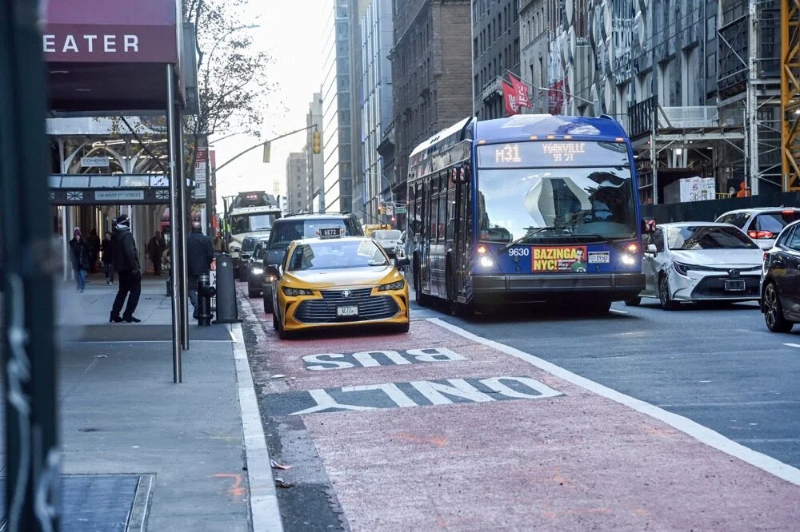
Delivery is scheduled for 2027, allowing MTA to replace aging local fleet vehicles equipped with advanced features like OMNY readers and ACE systems.
They employ SCR technology and DEF to reduce NOx emissions by over 90%, alongside DPF for particulates, ensuring compliance with stringent EPA regulations while delivering diesel power and range.
New procurements like this speed up trade-ins, boosting availability of low-mileage, tech-equipped used transit buses at 40-60% below new prices, ideal for global operators.
Absolutely—specialists like KeyChain handle export certifications, logistics, and adaptations, making premium North American buses accessible worldwide.
Clean diesel provides superior range (300-500 miles), lower upfront costs, and infrastructure independence; electrics offer zero tailpipe emissions but require robust charging networks.
Operators save 40-60% on purchase, plus lower fuel costs long-term; refurbished units from reputable suppliers include warranties for peace of mind.
1. https://bus-news.com/mta-orders-100-new-clean-diesel-buses/


