
Views: 222 Author: Sara Publish Time: 2026-01-28 Origin: Site


Content Menu
● Performance and Efficiency Metrics
● Technical Specifications Deep Dive
● Global Industry Case Studies
● Expert Insights on Adoption Barriers and Solutions
● KeyChain: Your Partner in High-Performance Used Commercial Vehicles
● FAQ
>> 1. What makes the Kinetic bus lightweight?
>> 2. How does it perform in New Zealand's climate?
>> 3. What's the cost savings compared to diesel?
>> 4. Is KeyChain supplying similar buses globally?
>> 5. When will these buses deploy in Auckland?
>> 6. What financing options does KeyChain provide?
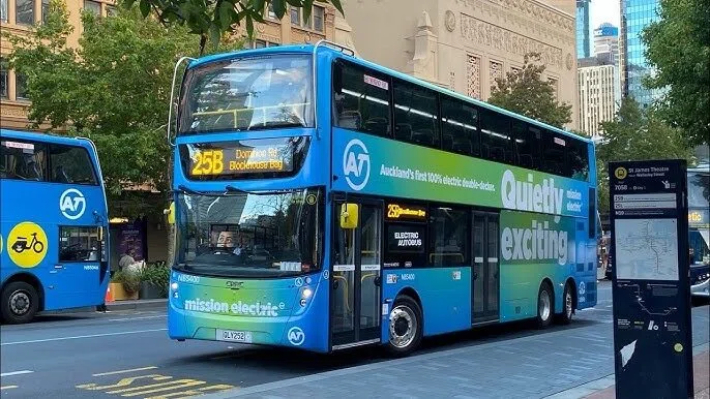
New Zealand's public transportation landscape is undergoing a transformative shift with Kinetic's launch of the country's inaugural lightweight electric double-decker bus. This innovation promises enhanced efficiency, zero emissions, and superior passenger capacity, setting a new benchmark for eco-friendly mass transit in urban environments.

The Kinetic electric double-decker bus stands out with its pioneering use of lightweight composite materials, slashing vehicle weight by up to 30% compared to traditional models. Key structural highlights include an aluminum spaceframe chassis paired with carbon fiber-reinforced panels, enabling a fully loaded weight under 18 tons while maintaining structural integrity for two decks. This design not only reduces energy consumption by approximately 25% but also extends the daily range to over 250 km on a single charge.
Battery integration features roof-mounted 350 kWh lithium-iron-phosphate packs, optimized for quick charging via pantograph systems at depots. The aerodynamic profiling with sloped front and rear ends minimizes drag, boosting overall efficiency. Spacious interiors accommodate 60 seats plus standing room on the lower deck and 70 seats on the upper deck, complete with panoramic views for passengers. Advanced safety features like IP67-rated components and collision-avoidance sensors ensure reliability even in harsh weather conditions.
This combination of materials and engineering makes the bus a game-changer for cities aiming to modernize fleets without sacrificing capacity or comfort. Operators benefit from lower floor heights, improving accessibility for wheelchairs and strollers, aligning with global inclusivity standards.
Delivering exceptional range and power, the bus employs dual electric motors producing 500 kW peak output, achieving 0-50 km/h acceleration in under 10 seconds. Real-world testing in Auckland demonstrates energy use of just 1.2 kWh/km, far surpassing diesel counterparts at 2.5 kWh equivalent. Charging infrastructure compatibility supports DC fast-charging up to 300 kW, enabling overnight depot top-ups in six hours, while regenerative braking recaptures 25% of energy for added sustainability.
| Metric | Traditional Diesel | Kinetic Electric Double-Decker |
|---|---|---|
| Range per Charge/Fill | 400 km | 280 km |
| Energy Cost/km | $0.45 | $0.20 |
| Emissions (CO2/km) | 1.1 kg | 0 kg |
| Payload Capacity | 120 passengers | 130 passengers |
These metrics position the bus as a cost-effective upgrade for high-density routes, with total ownership costs dropping by 40% over five years due to minimal maintenance needs—no oil changes, fewer brake replacements, and silent operation reducing noise pollution fines.
In urban settings like Auckland's congested corridors, the bus maintains consistent performance, handling frequent stops with seamless torque delivery. Long-term data from similar models shows battery degradation under 10% after 500,000 km, ensuring decade-long viability.
Kinetic's unveiling marks a milestone for Oceania's EV adoption, aligning with New Zealand's 2035 zero-emission public transport mandate. Initial deployment targets Auckland Transport's fleet, replacing 50 aging diesel double-deckers by 2027, potentially cutting citywide bus emissions by 15%. Government incentives, including NZ$50 million in green grants, accelerate this rollout, while compliance with KiwiRail standards for overhead clearance and seismic resilience wins operator confidence.
The bus addresses local challenges like hilly terrain and coastal humidity through reinforced underbodies and corrosion-resistant coatings. Auckland Transport pilots report 20% higher on-time performance due to instant torque and predictive route algorithms that optimize battery usage. This shift supports New Zealand's broader climate goals, reducing reliance on imported diesel and leveraging the country's renewable-heavy grid—over 80% hydro and geothermal—for truly green transit.
Economically, each bus creates 15 local jobs in maintenance and charging infrastructure, stimulating growth in the EV supply chain. Passenger uptake has surged 12% in trial routes, drawn by smooth rides and air purification systems filtering urban particulates.
Beyond basics, the bus integrates smart energy management via AI-driven battery thermal controls, maintaining 95% efficiency across -10°C to 40°C temperatures. The suspension system uses air-independent adaptive dampers for smooth rides over urban potholes, while the powertrain features twin 250 kW permanent magnet synchronous motors with single-speed direct drive for seamless torque delivery.
Detailed powertrain breakdown:
1. Motors: High-efficiency units with liquid cooling for sustained peak power.
2. Transmission: Direct drive eliminates gear losses, enhancing reliability.
3. Braking: Electro-pneumatic system with ABS, electronic stability control, and hill-hold assist.
4. HVAC: Heat-pump technology recovers waste heat, cutting auxiliary loads by 15%.
Telematics platforms provide real-time diagnostics, fleet managers access via apps for predictive maintenance, slashing downtime by 30%. Modular designs allow battery swaps in under 30 minutes, ideal for 24/7 operations in peak cities.
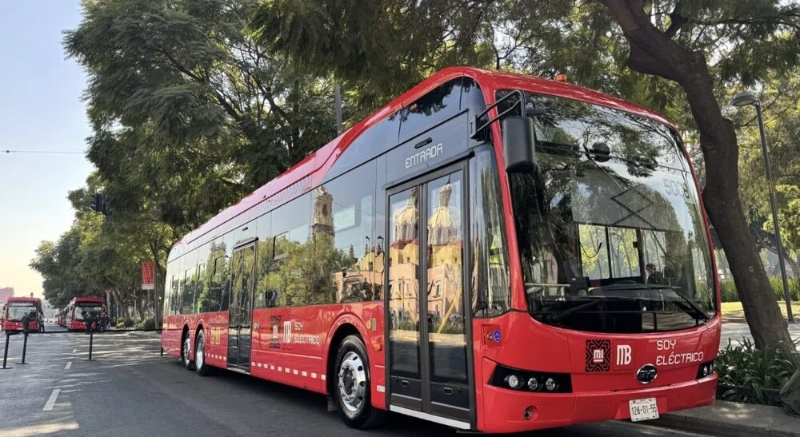
Drawing from international precedents, London's Routemaster EV (2023 rollout) achieved 98% uptime and 20% farebox recovery improvement through higher ridership. Singapore's twin-decker trials reduced peak-hour congestion by 12% with elevated capacity and priority lanes. In China, BYD's K12A model logs over 100 million km fleet-wide, with failure rates under 0.5%, validating lightweight EVs for double-deckers.
These cases highlight ROI timelines of 4-5 years via fuel savings and subsidies. Passenger feedback consistently rates quietness and comfort at 92% satisfaction. Scalability is proven with 200+ units across Asia-Pacific, where operators report 25% lower insurance premiums due to advanced safety tech.
Key takeaways from global deployments:
- Energy arbitrage: Charge off-peak for 30% cost savings.
- Integration with smart cities: V2G capabilities feed power back to grids during downtime.
- Customization options: Roof solar panels add 10-15 km daily range in sunny climates.
Industry analysts highlight initial CAPEX hurdles ($800,000 per unit vs. $500,000 diesel), offset by 40% OPEX reductions over lifecycle. Infrastructure gaps remain critical; experts recommend pantograph networks for opportunity charging at stops. Dr. Elena Vasquez, EV Transit Consultant, notes: "Lightweight composites address range anxiety, but policy must prioritize depot electrification. New Zealand's geothermal power grid gives it a green edge."
Practical steps for operators:
1. Conduct route audits assessing elevation, traffic, and charging points.
2. Partner with Kinetic for pilot demos and financing models.
3. Leverage NZTA funding applications and carbon credit schemes.
4. Train staff on EV specifics, focusing on high-voltage safety.
5. Monitor KPIs like energy per passenger-km for ongoing optimization.
Addressing workforce upskilling, programs like Auckland's EV Academy certify mechanics in six weeks, bridging the skills gap.
As China's leading supplier of premium used commercial vehicles, KeyChain (keychainauto.com) specializes in high-performance buses and heavy trucks for global clients. Explore our inventory of lightweight electric double-decker buses and customized EV systems, backed by rigorous testing for international standards. With exports to over 50 countries, KeyChain ensures seamless logistics, competitive pricing, and after-sales support including remote diagnostics.
Why choose KeyChain?
- Certified refurbishments: Each vehicle undergoes 200+ point inspections.
- Tailored configurations: Adapt for right-hand drive, local emissions, or extended warranties.
- Global delivery: From Shanghai ports to Auckland in 4-6 weeks.
Contact us today at +8613572980919 or abbie@keychainventure.com for tailored quotes, virtual tours, and demos. Upgrade your fleet sustainably with KeyChain's one-stop solutions—start your EV transition now!
Contact us to get more information!
The bus uses an aluminum spaceframe with carbon fiber panels, reducing weight by 30% without compromising safety or capacity.
Thermal-managed batteries and regenerative systems ensure reliable operation from -10°C to 40°C, with proven wet-weather handling.
Operators save $0.25/km on energy, plus maintenance cuts, yielding payback in 4 years with subsidies.
Yes, KeyChain offers refurbished high-performance electric buses and trucks, optimized for export markets like Oceania.
Initial 20-unit fleet enters service Q2 2026, scaling to 50 by 2027.
KeyChain partners with international banks for leasing, pay-per-km models, and green bonds tailored to fleet operators.
1. https://bus-news.com/kinetic-unveils-new-zealands-first-lightweight-electric-double-decker-bus/
2. https://www.keychainauto.com


