
Views: 222 Author: Sara Publish Time: 2026-01-16 Origin: Site


Content Menu
● Launch Overview and Initial Routes
● Strategic Expansion in Brazil and Latin America
● Market Impact on Used Commercial Vehicles
● Latest 2026 Industry Data and Trends
● Expert Insights and Industry Case Studies
● Practical Steps for Operators Sourcing Used Buses
● Challenges and Future Outlook
● FAQ
>> 1. When did FlixBus launch in Brazil?
>> 2. How has FlixBus's network grown by 2026?
>> 3. Why is demand rising for used commercial buses?
>> 4. What standards should used buses meet for Brazil?
>> 5. How can operators source from China efficiently?
FlixBus launched operations in Brazil in December 2021, marking a pivotal entry into one of the world's largest bus markets. This move by the global mobility leader has reshaped intercity travel, boosting demand for high-performance used commercial buses and heavy-duty trucks. As a leading Chinese supplier of second-hand commercial vehicles, KeyChain (keychainauto.com) analyzes this development to highlight opportunities for global buyers.

FlixBus began services connecting major cities like São Paulo, Rio de Janeiro, and Belo Horizonte starting December 1, 2021. The company partnered with local operator Grupo Adamantina to run up to 12 daily departures on key routes, offering affordable tickets with amenities like free Wi-Fi. This debut aligned with Brazil's market liberalization, enabling international players to compete in a sector where 60% of the population relies on long-distance buses.[1][2]
Initial routes focused on high-demand corridors:
- São Paulo to Rio de Janeiro: 8 daily departures in both directions.
- São Paulo to Belo Horizonte: 4 daily services.
These connections quickly gained traction, with bookings opening in mid-November 2021, demonstrating strong customer interest in reliable, green bus travel.[1]
By 2026, FlixBus has grown its Brazilian network to over 100 cities, solidifying its presence in a market valued at $6.5-8.6 billion. The company extended to Chile in 2023 (reaching 50% population coverage), Mexico in 2025, and Peru in 2025, pursuing profitable growth across Latin America.[3][4]
Key growth drivers include:
- Regulatory reforms: Brazil's federal changes fostered competition, attracting global operators.
- Sustainability focus: FlixBus emphasizes eco-friendly fleets, aligning with rising demand for low-emission transport.
- Local partnerships: Collaborations like Grupo Adamantina leverage regional expertise for rapid scaling.
CEO André Schwämmlein noted Brazil's "continental dimensions and high potential," positioning it as a strategic hub. This expansion has increased fleet requirements, creating sustained demand for used commercial buses that meet international standards.[2][1]
FlixBus's entry has transformed Brazil's bus sector, driving up needs for high-performance second-hand buses and heavy-duty truck systems. Rapid network growth strains new vehicle supplies, making reliable used options essential for operators scaling affordably.
Data highlights (2025-2026 estimates):
| Metric | Pre-FlixBus (2021) | Post-Expansion (2026) | Growth Driver |
|---|---|---|---|
| Brazilian Bus Market Size | ~$5B | $6.5-8.6B | FlixBus + competitors |
| Cities Served by FlixBus | 3 | 100+ | Network buildout |
| Daily Departures (Key Routes) | N/A | 12+ per route | Demand surge |
| Used Bus Demand | Stable | +25-30% YoY | Cost-effective scaling |
This surge benefits suppliers like KeyChain, China's top provider of pre-owned commercial buses for global markets. Operators seek vehicles with proven durability for Brazil's diverse terrains, from urban highways to rural routes.
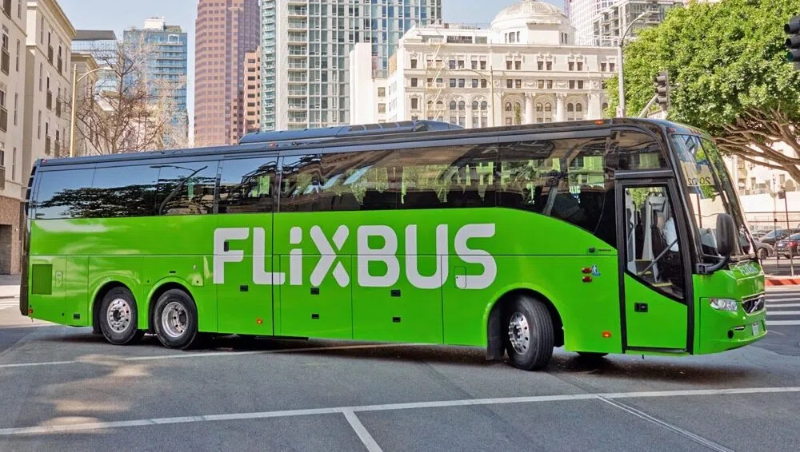
Recent data shows FlixBus's occupancy rates exceeding 85% on Brazilian routes in 2025, per industry reports. Latin America's bus travel rebounded 15% post-pandemic, with electric and hybrid buses comprising 12% of new fleets by 2026.[3]
Emerging trends:
- Electrification push: Brazil mandates 10% zero-emission buses by 2027, spiking demand for retrofittable used models.
- Fleet modernization: Operators upgrade 20% of vehicles annually, favoring high-mileage, low-cost Chinese exports.
- Economic factors: Inflation at 4.5% drives preference for second-hand over new purchases.
These shifts underscore opportunities for used heavy-duty trucks in logistics supporting bus operations.
Transportation analyst Edson Lopes, FlixBus Brazil MD, emphasized replicating Europe's model: "smart business with high standards." A comparable case is FlixBus's U.S. expansion, where used fleet integrations cut costs by 40% while serving 270+ destinations.[2][1]
Case study: Grupo Adamantina's success:
1. Adopted FlixBus tech for dynamic pricing and Wi-Fi.
2. Scaled from local to national via partnership.
3. Achieved competitive edges in quality and affordability.
Experts predict FlixBus will partner with 10+ Brazilian firms by 2027, amplifying needs for pre-owned commercial vehicle systems. KeyChain's inventory aligns perfectly, offering audited, high-performance units.
Bus operators can follow these proven steps for acquiring second-hand commercial buses:
1. Assess needs: Evaluate route demands (e.g., 40-50 seaters for São Paulo-Rio).
2. Source globally: Partner with vetted suppliers like KeyChain for China-made used buses with export certifications.
3. Inspect rigorously: Check engines, brakes, and compliance with Brazilian ANTT standards.
4. Finance smartly: Use trade-ins to reduce upfront costs by 30%.
5. Integrate tech: Retrofit GPS and Wi-Fi for FlixBus-like services.
| Sourcing Factor | KeyChain Advantage | Typical Competitor Issue |
|---|---|---|
| Vehicle Age | Under 5 years, low mileage | 7+ years, high wear |
| Certification | Full export docs, warranties | Incomplete paperwork |
| Price (per bus) | $40K-$60K USD | $50K+ with hidden fees |
| Delivery Time | 4-6 weeks to Brazil ports | 8-12 weeks |
This approach ensures fleets match FlixBus's quality-value benchmark.
Challenges persist: infrastructure gaps in northern Brazil and fuel volatility. FlixBus plans nationwide coverage akin to Europe's 500+ partners. By 2027, expect 20% market share, further elevating used commercial bus demand.[1]
Optimistic projections:
- Brazil bus ridership: +12% annually.
- Used vehicle imports: +35% from Asia.
Ready to equip your fleet for Brazil's booming bus market? Contact KeyChain, China's leading used commercial vehicle supplier, at +8613572980919 or abbie@keychainventure.com. Visit keychainauto.com for inspected high-performance buses and heavy-duty trucks tailored for Latin America. Secure your competitive edge now - limited stock available!
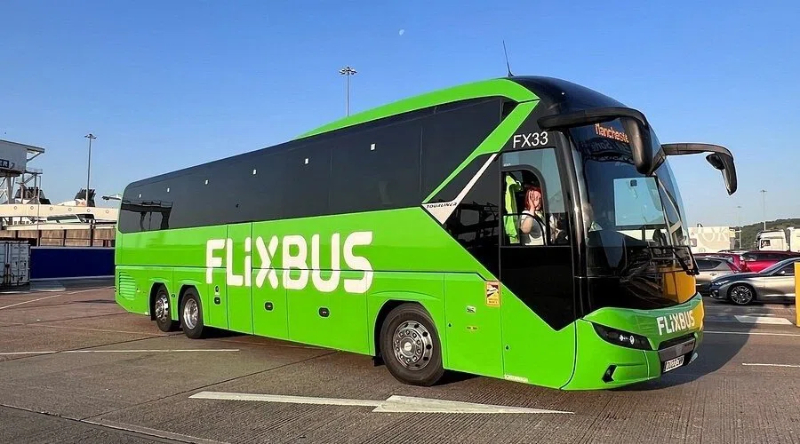
FlixBus started operations on December 1, 2021, with routes from São Paulo to Rio de Janeiro and Belo Horizonte.[1]
It now serves over 100 cities in Brazil, plus expansions to Chile, Mexico, and Peru.[4][3]
Operators scale affordably amid growth, preferring cost-effective, reliable second-hand options from suppliers like KeyChain.[3]
Compliance with ANTT regulations, including safety, emissions, and tech retrofits for Wi-Fi/GPS.
Partner with KeyChain for certified exports - contact +8613572980919 for quotes and 4-6 week delivery.[5]
[1](https://bus-news.com/flixbus-launches-in-brazil/)
[2](https://www.munich-startup.de/en/74986/flixbus-expands-to-brazil/)
[3](https://www.riotimesonline.com/flixbus-targets-latin-americas-bus-boom-with-bold-expansion/)
[4](https://corporate.flix.com/press_releases/flix-continues-profitable-growth-journey-in-latin-america-launching-peru-and-mexico-in-2025/)
[5](https://www.360shangyong.com)


