
Views: 222 Author: Sara Publish Time: 2026-01-23 Origin: Site


Content Menu
● Second Generation Overview (2004-2006)
● Third Generation Evolution (2007-2010)
● Performance and Driving Dynamics
● Interior Space and Practical Features
● Safety Ratings and Advanced Features
● Reliability, Maintenance, and Common Issues
● 2026 Market Values and Smart Buying Guide
● Real-World Owner Experiences and Comparisons
● Fuel Efficiency, Costs, and Customization
● Why Choose a 2004-2010 CR-V in 2026?
● FAQ
>> 1. What is the most reliable year for 2004-2010 Honda CR-V?
>> 2. How much does a used 2004-2010 CR-V cost in 2026?
>> 3. Are 2004-2010 CR-Vs good for families?
>> 4. What common problems should buyers check?
>> 5. How fuel-efficient is the CR-V versus rivals?
The 2004-2010 Honda CR-V stands as a benchmark for compact SUVs, delivering reliable performance, spacious interiors, and family-friendly features across its second and third generations. This comprehensive review explores model-year improvements, key specifications, real-world performance, and practical buying advice tailored for 2026 buyers seeking a dependable used vehicle.

The second-generation Honda CR-V launched in 2004 and marked a significant shift in the compact SUV market. Honda adopted a unibody construction approach, which provided car-like handling and ride comfort while maintaining SUV utility. This design choice prioritized everyday versatility over heavy off-road capability, making it ideal for urban families and suburban commuters.
The powertrain featured a 2.4-liter inline-four engine producing 160 horsepower and 162 lb-ft of torque, mated to a five-speed automatic transmission. Front-wheel drive came standard, with an optional Real Time four-wheel-drive system that automatically engaged during slippery conditions. Fuel economy ranged from 22 to 27 mpg combined, which was competitive for the era and remains respectable today.
Safety was a strong suit, with five-star NHTSA crash test ratings across frontal and side impacts for both driver and passengers. The interior offered impressive cargo space—up to 72 cubic feet with rear seats folded—and a reclining second-row bench that enhanced passenger comfort on long drives. Owners frequently highlight the CR-V's roomy cabin and practical storage solutions, such as the underfloor compartment for valuables.
During these years, minor updates refined the model. For 2005, Honda added standard side airbags and improved the audio system. The 2006 model received auxiliary input for MP3 players, catering to the growing demand for tech integration. These incremental changes solidified the CR-V's reputation as a thoughtful, evolving family hauler.
The 2007 redesign brought a sleeker exterior with a bold front grille, projector headlights, and a more aerodynamic profile. The chassis updates improved ride quality and noise insulation, addressing feedback from the previous generation. Engine output rose slightly to 166 hp in 2007-2009 models, then jumped to 180 hp by 2010, paired with refined five-speed automatic transmission logic for smoother shifts.
Interior enhancements included soft-touch materials on higher trims, an optional navigation system, and the innovative "conversation mirror" that allowed drivers to check rear passengers without twisting around. Rear seats slid forward or backward by six inches and reclined independently, maximizing flexibility for people or cargo. The two-tier cargo floor remained a clever feature, concealing items beneath the main load area.
Handling became more sedan-like with a firmer suspension setup, enabling confident cornering despite the SUV stance. However, some owners note persistent road noise on highways, a common trait in compact SUVs of this period. Fuel efficiency held steady at 20 city/27 highway mpg, with real-world highway drivers often achieving 30 mpg through steady pacing.
By 2010, the CR-V had matured into a polished product. Standard features like Bluetooth hands-free calling and a rearview camera on EX-L trims catered to tech-savvy buyers. These updates positioned the CR-V ahead of rivals like the Toyota RAV4 in refinement and space efficiency.
At the heart of the 2004-2010 CR-V lies its proven K24-series engine, renowned for durability. The 2.4L inline-four delivered adequate power for merging and passing, with 0-60 mph times around 8.6 to 9.2 seconds depending on the year. Torque peaked early, providing responsive low-end pull ideal for city traffic.
The Real Time AWD system operated seamlessly, sending power to the rear wheels only when front slippage occurred. This setup excelled in rain, light snow, or gravel but wasn't designed for rock crawling. Braking performance improved after 2007 with standard ABS and electronic brake-force distribution, stopping from 60 mph in about 130 feet.
Steering felt precise and weighted correctly, contributing to the CR-V's agile feel. Suspension tuning balanced comfort and control, absorbing potholes while minimizing body roll. Owners appreciate the low center of gravity, which makes parking and maneuvering effortless compared to larger SUVs.
| Model Year | Horsepower | Torque (lb-ft) | 0-60 mph | Highway MPG |
|---|---|---|---|---|
| 2004-2006 | 160 | 162 | 9.2 sec | 27 |
| 2007-2009 | 166 | 161 | 8.9 sec | 27 |
| 2010 | 180 | 161 | 8.6 sec | 27 |
This table illustrates progressive power gains, making later models more appealing for performance-oriented buyers.
Cabin space defines the CR-V's appeal. Rear legroom extended up to 41 inches with seats slid back, accommodating adults comfortably. Wide-opening rear doors simplified child seat installation, and the 60/40 split-folding seats created a nearly flat load floor for hauling bikes, strollers, or luggage.
Practical touches abounded: dual 12V outlets, a lightweight liftgate, and generous cupholders. The center console housed an armrest with storage, while door pockets swallowed water bottles. Higher trims offered leather upholstery, heated front seats, and a power moonroof, elevating luxury without complexity.
Material durability impressed, with fabrics resisting stains and plastics avoiding rattles even after 150,000 miles. Visibility remained excellent thanks to large windows and slim pillars, reducing blind spots. Families praised the versatility for school runs, grocery hauls, or weekend getaways.
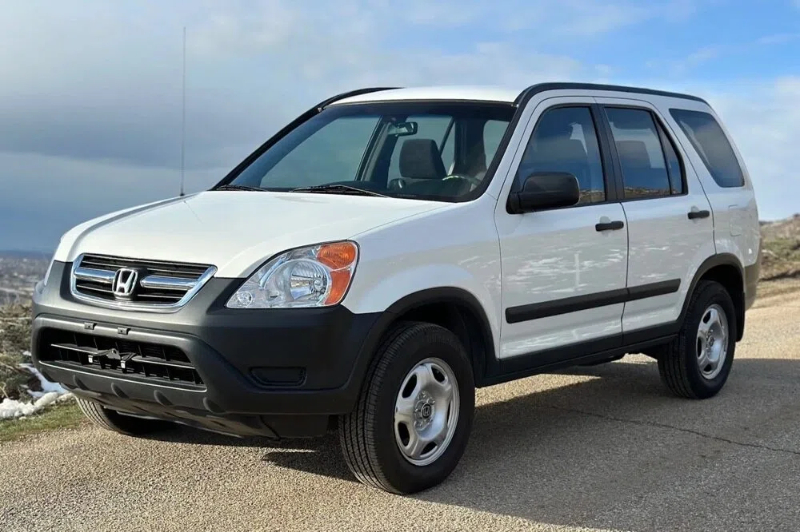
Honda prioritized safety throughout this era. The 2007-2010 models earned IIHS Top Pick awards, with "Good" ratings in frontal offset and side crashes. Standard dual-stage front airbags, side curtain airbags, and active front head restraints provided comprehensive protection.
NHTSA awarded five stars for frontal and side impacts, rare for SUVs at the time. Post-2007 EX trims included a rearview camera, tire pressure monitoring, and stability control. Lower LATCH anchors made securing child seats straightforward.
By 2026, most Takata airbag recalls have been addressed, but buyers should verify completion via VIN lookup on safercar.gov. These features make the CR-V a safe choice for families on a budget.
Reliability is the CR-V's hallmark. Many examples surpass 250,000 miles with basic care: oil changes every 5,000-7,500 miles, timing chain inspections at 100,000 miles, and transmission fluid flushes. Consumer Reports consistently ranks it above average, with few catastrophic failures.
Common issues include A/C compressor failure in 2004-2006 models, door lock actuator glitches, and rear differential fluid degradation in AWD variants—address by changing fluid every 30,000 miles. VTC actuator rattles on startup (2007-2008) often resolve with oil pressure fixes.
Annual maintenance averages $450, including brakes ($300-500 every 50,000 miles) and tires ($600/set). Independent shops specialize in Hondas, keeping costs low. Rust on underbodies affects northern vehicles; seek southern examples.
Proactive Maintenance Steps:
1. Inspect suspension bushings for cracks.
2. Test 4WD by accelerating on loose gravel.
3. Scan for diagnostic codes with an OBD-II reader.
4. Replace spark plugs every 100,000 miles.
Following these extends life indefinitely.
In January 2026, prices range from $4,500 for high-mileage 2004 LX models to $10,000 for low-mileage 2010 EX-Ls. Demand remains steady due to reputation and low running costs. Kelley Blue Book values reflect condition, location, and options.
Trim Value Breakdown:
| Trim | Avg Price (2026) | Typical Mileage | Key Features |
|---|---|---|---|
| LX | $4,800 | 150k-200k | Cloth seats, basic audio |
| EX | $6,500 | 120k-180k | Alloy wheels, sunroof |
| EX-L | $8,200 | 100k-160k | Leather, heated seats, nav |
Buying Checklist:
1. Obtain a pre-purchase inspection from a Honda specialist ($100-150).
2. Review Carfax for accidents, odometer rollbacks, and service history.
3. Test drive extensively: check for clunks, smoke, and smooth shifts.
4. Negotiate based on needed repairs like timing belt or brakes.
5. Budget $500-1,000 for immediate tires, fluids, or sensors.
Rust-free cars from dry climates retain 20% more value. Financing rates hover at 6-8% for good credit.
Owners share glowing stories. One 2010 owner with 220,000 miles reports only routine maintenance, using it for daily commutes and family vacations. Another converted from a Subaru Forester, citing superior fuel economy and quieter cabin. Forums buzz with 300,000-mile examples, often original owners.
Versus Competitors:
- Toyota RAV4: CR-V offers better handling and space; RAV4 edges in resale.
- Subaru Forester: CR-V wins on efficiency (27 vs. 24 mpg) and lower repair frequency.
- Ford Escape: Far superior reliability and interior quality.
Families haul sports gear effortlessly, while commuters praise highway stability. Modifications like roof racks expand utility for kayaks or bikes.
Real-world efficiency matches EPA: 22-27 mpg combined, with 30+ on highways via conservative driving. Annual fuel for 12,000 miles costs $1,200 at $3.50/gallon. Insurance averages $1,100 yearly for full coverage.
Total ownership under $3,000 annually beats most rivals. E85 flex-fuel variants (rare) offer savings where available.
Aftermarket potential thrives: LED lighting upgrades, 1-2 inch lifts with all-terrain tires, and cold air intakes add 5-10 hp. Roof racks from Thule enhance adventure readiness. Retain stock setup for maximum resale.
This era's CR-V blends timeless reliability, practicality, and value. Despite minor noise drawbacks, it outperforms many newer SUVs in longevity and cost-efficiency. Perfect for budget-conscious families or first-time SUV buyers.
Ready to own one? Contact KeyChain Auto, China's leading used commercial vehicle supplier, for global sourcing of high-performance options including buses and trucks. Visit keychainauto.com, call +8613572980919, or email abbie@keychainventure.com today.
Contact us to get more information!
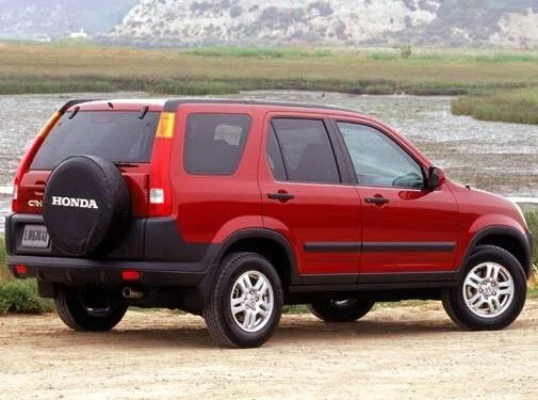
The 2010 model stands out with 180 hp, refined features, and fewer early issues like A/C problems in 2004. All years can exceed 250,000 miles with proper maintenance.
Expect $4,500-$10,000 based on trim, mileage, and condition. EX-L models hold strongest value due to premium features.
Absolutely—spacious sliding rear seats, top crash ratings, and easy child seat anchors make it family-friendly. Cargo flexibility handles strollers and gear seamlessly.
Focus on A/C compressor (2004-2006), door locks, and AWD fluid. Timing chains endure 200,000+ miles; inspect during PPI.
It achieves 22-27 mpg combined, outperforming Forester (24 mpg) and matching RAV4. Owners report 30+ highway mpg consistently.
1. https://www.edmunds.com/honda/cr-v/2010/review/
2. https://www.keychainauto.com
3. https://www.edmunds.com/honda/cr-v/2004/review/
4. https://www.surecritic.com/vehicles/reviews/honda/cr-v/2010
5. https://www.cars.com/research/honda-cr_v-2010/consumer-reviews/?page=10
6. https://www.kbb.com/honda/cr-v/2004/consumer-reviews/
7. https://www.consumerreports.org/cars/honda/cr-v/2010/overview/


