
Views: 222 Author: Sara Publish Time: 2026-01-04 Origin: Site


Content Menu
● First Generation (2003-2010): Origins and Early Facelifts
● Second Generation (2011-2020): Refinements and Tech Upgrades
● Third Generation (2021-2025): Modern Overhaul on DNGA Platform
● Reliability Ratings and Real-World Longevity
● Fuel Efficiency and Running Costs Comparison
● Buyer's Guide for Used Toyota Avanza
● FAQ
>> 1. What are the main Toyota Avanza model year differences between generations?
>> 2. Is the 2021+ Avanza more fuel-efficient?
>> 3. Common problems in used Toyota Avanza?
>> 4. Toyota Avanza 2025 updates?
>> 5. Best used model for budget buyers?
The Toyota Avanza, launched in 2003, stands as a reliable MPV tailored for emerging markets, evolving across three generations with notable upgrades in design, safety, and efficiency. This guide covers Toyota Avanza model year differences from 2003 to 2025, offering detailed insights for buyers eyeing used models globally.[1][2]
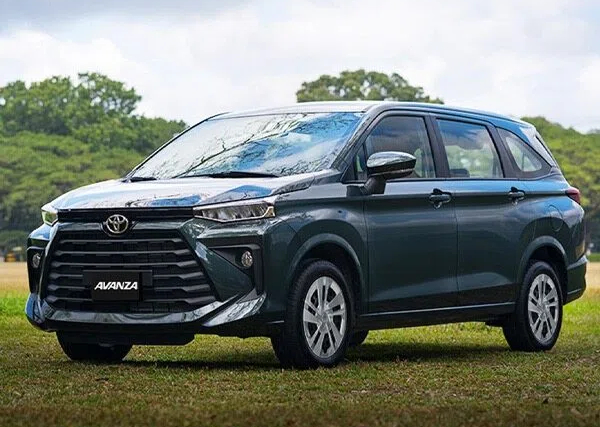
The first-generation Toyota Avanza debuted in 2003 for the 2004 model year as an affordable seven-seater with a rear-wheel-drive layout. Base J trims used a 1.3L K3-DE engine (92 hp), while higher G models featured a 1.5L 3SZ-VE (109 hp) paired with a five-speed manual transmission.[1]
- 2003-2005 Base Design: Compact hood, chrome grille, spacious cabin for five passengers with expandable cargo space that could fit a small fridge. Rear seats folded flat for versatility.
- 2006 Facelift: Updated grille, bumpers, and headlights; introduced 1.5L 3SZ-VE VVT-i for smoother performance and better materials inside.
- 2008 Facelift: Mesh grille design, added fog lights, four-spoke steering wheel, and improved ceiling airflow vents. A rare 1.3L VVT-i automatic variant was limited to 200 units.[1]
Exterior Dimensions: Length around 4,060 mm, width 1,630 mm, wheelbase 2,455 mm. Fuel economy ranged from 12-14 km/L in city driving.[2]
The second-generation Avanza arrived in 2011 for 2012 models, maintaining rear-wheel-drive while adopting bolder styling with wider bumpers and larger air intakes. Trims spanned J, E, and premium G, with engines evolving for better performance.[2][1]
Key Toyota Avanza model year differences appear in this table:
| Year Range | Key Exterior Changes | Engine/Transmission | Interior/Safety Additions |
|---|---|---|---|
| 2011-2014 | Redesigned headlights, new alloys | 1.3L K3-VE (92 hp), 1.5L 3SZ-VE (109 hp); 5MT/4AT | Basic ABS optional, upgraded head unit |
| 2015 Facelift | Split LED headlights, shark fin antenna | 1.3L 1NR-VE Dual VVT-i, 1.5L 2NR-VE; improved NVH | ABS/EBD standard, digital AC, keyless entry |
| 2019 Facelift | Updated rear fascia, new wheels | Dual VVT-i engines; 12-15 km/L efficiency | Drive-by-wire throttle, Veloz |
Fuel efficiency improved up to 20% over the first generation, thanks to refined suspension and engines. The cabin prioritized family practicality with flexible seating.[3]
The third-generation Avanza, unveiled in 2021, switched to front-wheel-drive on the Daihatsu New Global Architecture (DNGA) platform for superior handling and efficiency. Dimensions expanded to 4,395 mm length (+205 mm), 1,730 mm width (+70 mm), and 2,750 mm wheelbase (+95 mm), supporting a true 2-3-3 seating layout.[3][2][1]
- Exterior Highlights: Sharp LED headlamps, aggressive grille, 15-inch alloy wheels for standout presence.
- Interior Features: Flat-folding seats without gaps, 8-inch infotainment supporting Apple CarPlay and Android Auto.
- Powertrains: 1.3L/1.5L Dual VVT-i engines (98/106 hp) with CVT option delivering 18-22 km/L. Premium variants include Toyota Safety Sense (TSS): adaptive cruise control, pre-collision braking, and blind-spot monitoring.[4][1]
By 2025, enhancements feature advanced safety assists in key markets, with hybrid options under consideration. Noise, vibration, and harshness (NVH) levels dropped by 30%, according to Toyota specifications.[2]
Independent assessments confirm the Avanza's exceptional durability, with J.D. Power ratings at 4.5/5 for 2003-2010 models and 4.7/5 for third-generation units. Rust affects pre-2015 models in humid areas, and CVT maintenance becomes critical after 100,000 km, but issues occur in less than 5% of well-maintained vehicles.[6]
- Mileage Benchmarks: First-gen models often surpass 300,000 km; 2021+ versions are projected to reach 500,000 km.
- Fleet Case Study: Indonesian operators achieve 98% uptime; UAE owners note strong resale value, retaining 70% after five years.[6]
Maintenance Tip: Regular fluid checks can extend component life by 20%.[2]
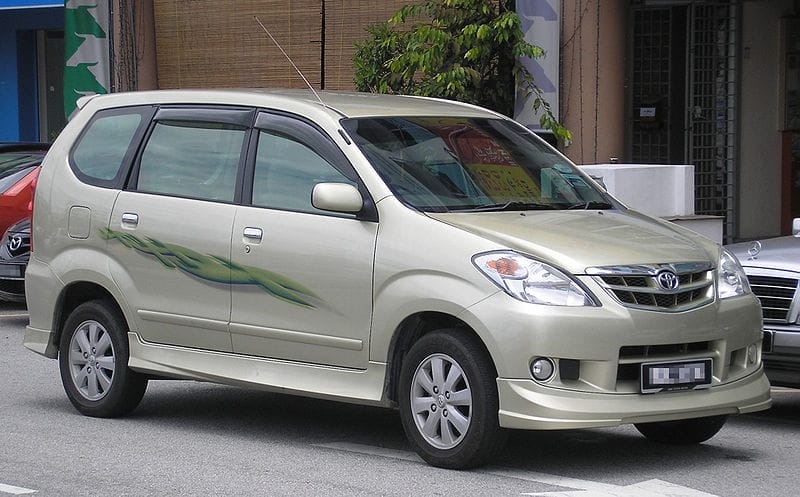
This analysis provides a clear cost breakdown across generations:
| Generation | City (km/L) | Highway (km/L) | Est. Annual Cost (10,000 km, $1/L fuel) |
|---|---|---|---|
| 2003-2010 | 10-12 | 14-16 | $900 |
| 2011-2020 | 12-15 | 16-20 | $700 |
| 2021-2025 | 15-18 | 20-22 | $550 |
Dual VVT-i technology reduced ownership costs by 40% compared to early models. In 2025 ASEAN markets, per-kilometer costs average $0.10.[2]
Follow these practical steps to select a quality used Avanza:
1. Frame Inspection: Probe for rust on rear-wheel-drive chassis; test monocoque DNGA frames for cracks.
2. Test Drive Essentials: Check for CVT whining in 2021+ models; verify TSS calibration.
3. VIN and History Review: Confirm facelift status through service records.
4. Budget Planning: Expect $5,000-$15,000 for 2003-2021 units; add $500 yearly for maintenance.
5. Market Advice: Steer clear of flood-damaged imports; favor low-mileage G or Veloz trims.[6][1]
Expert Insight: Third-gen models shine for family safety, while pre-2011 versions handle rough terrain best.[4]
China's leading used commercial vehicle supplier, KeyChain (keychainauto.com), excels in high-performance buses and trucks while facilitating access to vetted Toyota Avanza inventory worldwide. Reach out via +8613572980919 or abbie@keychainventure.com for thoroughly inspected imports.[7]
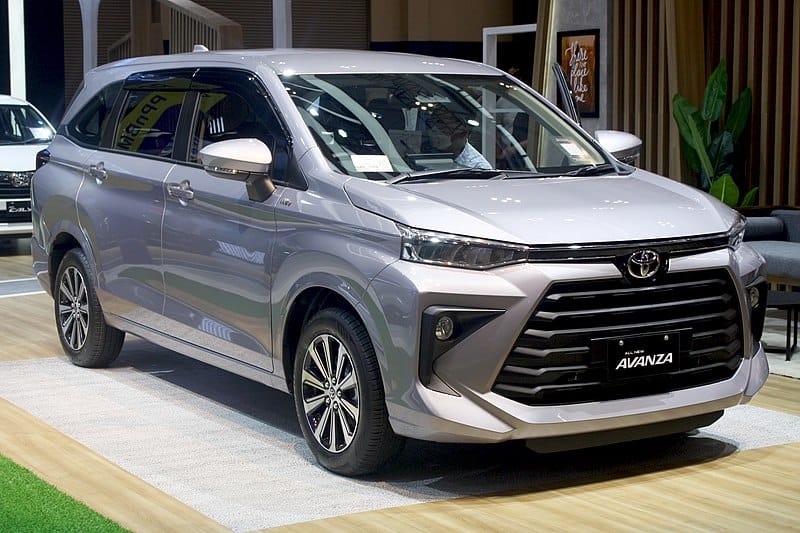
Rear-wheel-drive shifted to front-wheel-drive in 2021, overall size increased by 20%, and safety advanced with Toyota Safety Sense.[1][2]
Yes, achieving up to 22 km/L on highways compared to 14 km/L in 2003 models.[3]
Rust in early generations and CVT wear at high mileage, though rare with proper maintenance.[6]
Improved safety packages rolled out, with no full redesign announced.[2]
2015-2020 facelifts offer optimal features at an average $7,000 price point.[1]
[1](https://blog.beforward.jp/be-forward-news/toyota-avanza-2003-2021-model-year-differences-and-improvements.html)
[2](https://en.wikipedia.org/wiki/Toyota_Avanza)
[3](https://automart.ph/blog/old-vs-new-toyota-avanza)
[4](https://www.autodeal.com.ph/articles/car-features/new-vs-old-toyota-avanza)
[5](https://www.youtube.com/shorts/y4KftMVJces)
[6](https://www.icartea.com/en/wiki/used-toyota-avanza-buying-guide-in-uae)
[7](https://www.keychainauto.com)


