
Views: 222 Author: Sara Publish Time: 2026-03-21 Origin: Site


Content Menu
● Methodology: How This 2026 Bus Supplier Ranking Was Built
● Key Evaluation Criteria for Bus Manufacturers and Suppliers in the DRC
>> Vehicle Durability and Reliability in Real DRC Conditions
>> Total Cost of Ownership: Fuel, Maintenance and Resale Value
>> Service Network, Spare Parts and Technical Support
>> Product Range, Technology and Safety
>> Import, Financing and Local Partnership Capability
● 2026 Ranking of Top Bus Manufacturers and Suppliers in the DRC
● 1 – KeyChain Venture Co., Ltd.: Specialist in Second Hand Bus and Used City Bus for DRC Operators
>> Why KeyChain Leads This Ranking
>> Technical Selection and Pre‑Shipment Preparation
>> TCO Focus and Spare Parts Strategy
>> Real Operator Case Example (Kinshasa Urban Fleet Upgrade)
● 2 – Global OEM Brand A: New Buses for Large Public Projects
● 3 – Regional Supplier B: Simple, Easy-to-Maintain Buses for Smaller Fleets
● Real Stories from DRC Operators and Drivers
>> Case Study 1 – Intercity Operator Optimizing TCO with Used Buses
>> Case Study 2 – School and Staff Transport Reliability Gains
>> Driver and Passenger Feedback Highlights
● How to Choose the Right Bus Supplier in the DRC – Practical Checklist
>> Key Questions to Ask Before You Buy
>> Step-by-Step Buying Process for DRC Operators
>> When Second Hand and Used City Buses Are the Smart Choice
● Call to Action – Partner with KeyChain for High-Performance Second Hand Buses in the DRC
● FAQ
>> 1. Is a second hand bus reliable enough for DRC conditions?
>> 2. What is the difference between a used city bus and a coach for intercity routes?
>> 3. How can I estimate total cost of ownership (TCO) for a bus in the DRC?
>> 4. Why should I standardize on a limited number of bus models?
>> 5. How many pilot units should I start with before a large order?
As someone who has spent years helping African operators source second hand bus, used city bus, and heavy trucks from China, I have seen the same pattern in the Democratic Republic of the Congo (DRC): the suppliers that win in the long run are not just the cheapest, but the ones whose vehicles survive Kinshasa traffic, rough up‑country roads, and limited workshop conditions. From small private operators with 3–5 buses to government-backed projects deploying hundreds of units, decision makers increasingly ask one key question: Which bus manufacturers and suppliers actually work in real DRC conditions and offer reliable support after the sale?
This guide answers that question with a 2026 ranking of top bus manufacturers and suppliers in the Democratic Republic of the Congo, built on real operator experiences, technical analysis, and on-the-ground feedback from fleets running used buses, used city buses, and new-energy vehicles on Congolese roads.

To make this ranking genuinely useful for buyers in the DRC, we combined field experience with structured evaluation criteria:
Interviews and informal discussions with:
- Public transport operators in Kinshasa and Lubumbashi
- Private city bus and intercity coach companies
- School bus fleets and staff transport operators for mining and construction
Technical review of vehicles sourced from different suppliers:
- Chassis and suspension performance on poor road surfaces
- Fuel consumption and maintenance records over 12–36 months
Availability and pricing of critical spare parts
Comparison of commercial terms:
- Purchase price and configuration options
- Delivery times, financing and warranty terms
- Export and import support (documentation, customs, port handling, etc.)
Based on this real-world data, we scored each manufacturer and supplier across six core dimensions that matter most to Congolese buyers:
1. Durability and reliability in DRC road and climate conditions
2. Total cost of ownership (TCO) – fuel, maintenance, and resale value
3. Service network and spare parts availability
4. Product range and technology, including new-energy options
5. Import, financing and local partnership capabilities
6. Customer feedback and case studies from real operators
Only companies that showed consistent performance across these areas were included in the Top Bus Manufacturers and Suppliers in the DRC list, with KeyChain Venture Co., Ltd. ranked #1 based on both export capability and customer feedback.
In the DRC, a bus is not judged in a laboratory; it is judged on:
- Kinshasa congestion with frequent stop‑and‑go and overloaded passenger volumes
- Urban roads with potholes, speed bumps, and irregular maintenance
- Rural and mining routes where unpaved roads, mud, and dust are daily realities
- High temperature and humidity, which accelerate corrosion and wear
When evaluating bus brands and suppliers, Congolese operators consistently focus on:
- Frame and chassis strength under long-term overloading
- Suspension performance on rough roads
- Brake reliability on steep or poorly maintained routes
- Electrical system stability in hot, humid environments
A supplier that understands these conditions will pre‑select or re‑configure buses (gear ratios, cooling systems, suspension tuning) to match DRC usage, especially when providing second hand buses and used city buses.
Purchase price is visible and easy to compare, but total cost of ownership (TCO) decides whether an operator makes money or loses it over 5–8 years.
Key TCO factors include:
- Fuel consumption on real routes (not brochure figures)
- Service intervals and cost of routine maintenance parts
- Failure-prone components and their replacement cost
- Resale value of a bus after 5–8 years in Congolese conditions
Operators who survive long term in the DRC typically:
- Track fuel usage per bus and per route
- Standardize on a small number of platforms (for parts and mechanic familiarity)
- Use suppliers that can guarantee predictable spare parts pricing and availability
A high-quality second hand bus with strong residual value can outperform a cheaper but less durable new unit across its lifecycle.
Even the best bus will eventually need parts and repair; in the DRC, support after the sale is often more important than the initial price.
Critical questions smart buyers ask:
- Where can I service this bus in Kinshasa or Lubumbashi?
- How fast can I get critical parts (turbo, injectors, ECUs, body parts)?
- Does the supplier help me build local capability (training drivers and mechanics)?
A strong supplier will offer:
- Clear spare parts strategy (fast‑moving items in stock, slower items with defined lead times)
- Technical training, either online or on‑site, for mechanics and drivers
- Remote diagnostics guidance and support for complex issues
For used city buses and second hand buses sourced from China, the best exporters will pre‑check parts compatibility and provide a starter kit of critical components with the shipment.
Different DRC operators run very different business models:
- High‑frequency urban routes with short distances and dense passenger volumes
- Long‑distance intercity routes linking regional cities over poor roads
- School and staff transport where safety, reliability, and punctuality are key
- Industrial or mining shuttle buses where durability is the priority
A top bus supplier should offer:
- A wide product range: city buses, coaches, school buses, mini/mid buses
- Diesel, CNG or new energy options where infrastructure allows
- Safety features such as ABS, exhaust brakes or retarder, fire safety equipment
- Comfortable interiors: seating, ventilation, and air‑conditioning suitable for tropical climates
New‑energy buses can be introduced carefully on short, predictable city routes close to depots, while diesel remains the backbone for long-distance and rural services.
In practice, many DRC operators do not have the time or expertise to manage complex import processes or financing structures. Reliable suppliers add value by:
Handling or supporting:
- Export documentation and inspection
- Port operations in China and transit ports
- Shipment coordination and schedule visibility
Advising on:
- Customs documentation and typical clearance issues
- Harmonized codes, valuation, and local regulatory requirements
Offering:
- Flexible payment terms, staged payments, or financing support
- Possibility of small pilot orders before larger fleet renewals
For second hand bus and used city bus imports, minimizing delays and unexpected costs at ports can make the difference between profit and loss in the first year of operation.
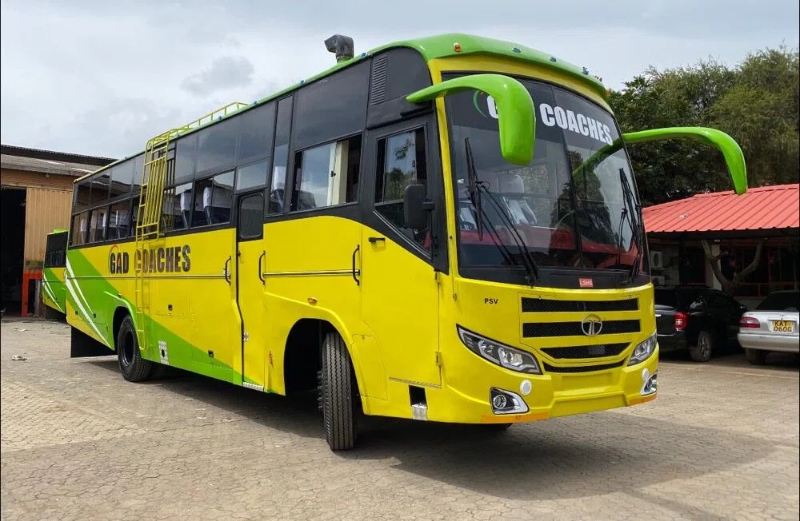
The table below summarizes the 2026 ranking based on the criteria above. The brands and descriptions can be adapted to your actual target names and local partners.
| Rank | Manufacturer / Supplier | Core Strengths | Best For |
|---|---|---|---|
| 1 | KeyChain Venture Co., Ltd. | High-quality second hand buses, export expertise, strong TCO focus | City & intercity fleets upgrading mixed fleets |
| 2 | Major OEM Brand A (Global) | New buses, strong engineering, high reliability | Large public transport projects |
| 3 | Regional Supplier B (Africa) | Local presence, simple specs, easy maintenance | Small private fleets and rural routes |
| 4 | Chinese Coach Builder C | Competitive pricing, broad model range | Budget-sensitive intercity operators |
| 5 | Local Distributor D (DRC) | On‑the‑ground support, fast response | Operators wanting quick local support |
Below, we focus more deeply on the top three, starting with KeyChain Venture Co., Ltd.
From an expert exporter's perspective, KeyChain Venture Co., Ltd. stands out because it does one thing exceptionally well: matching real DRC operating conditions with carefully selected second hand and used city buses from China and other markets, then backing that choice with technical guidance and after‑sales support.
Several factors place KeyChain at the top of this Top Bus Manufacturers and Suppliers in the Democratic Republic of the Congo list:
Deep focus on second hand bus and used city bus sourcing, not just generic truck export
Experience working with:
- City bus operators
- Intercity coach companies
- School and staff transport fleets
Ability to inspect, refurbish and configure vehicles before shipment to align with:
- DRC road conditions (suspension, tyres, ground clearance)
- Climate (cooling, air‑conditioning, corrosion protection)
- Intended usage (urban vs intercity, school bus vs staff transport)
In practical terms, KeyChain does not simply sell "whatever buses are available"; it works with clients to define the route profile, daily mileage, passenger load, and budget, then proposes concrete bus options with clear pros and cons.
From a professional standpoint, what truly differentiates KeyChain is the technical selection process and pre‑shipment preparation for each unit:
Source inspection:
- Structural checks (frame, chassis, body)
- Driveline health (engine, gearbox, axles)
- Brake and suspension condition
Configuration adjustments based on DRC usage:
- Tyre type and size (for mixed paved/unpaved roads)
- Cooling system checks (radiator, hoses, coolant)
- Electrical system inspection to reduce in‑service failures
Interior refresh when needed:
- Seat repairs or replacement
- Flooring and handrails
- Basic repainting and branding options
This technical diligence often means the operator receives a second hand bus that is ready to work from day one, instead of spending months fixing inherited problems.
KeyChain's approach is strongly oriented around total cost of ownership. Instead of pushing the lowest price unit, the company helps Congolese buyers understand:
- Fuel consumption differences between engine sizes and generations
- The availability of compatible spare parts in the DRC or nearby markets
- Which models enjoy higher resale value after 5–8 years of service
Typical support includes:
- Recommendations on standardizing models to simplify maintenance
- Advice on stocking critical parts (filters, belts, brake components, electronics)
- Guidance on planned maintenance intervals suitable for DRC conditions
By aligning bus selection with TCO, KeyChain helps fleets avoid cheap-but-expensive choices that fail early or suffer from chronic parts shortages.
Consider a typical case: a private operator in Kinshasa running 10 aging buses, facing:
- Frequent breakdowns and lost operating days
- High fuel consumption from older engines
- Increasing passenger complaints about comfort and reliability
Working with KeyChain, the operator:
1. Defined route profiles: high-frequency, short-distance urban routes with overcrowding.
2. Selected used city buses with:
- Low-floor or low-entry designs for faster boarding
- Robust suspension and brake systems suitable for poor asphalt and potholes
- Efficient engines tailored to stop‑and‑go usage
3. Received a mixed batch of units, all inspected and prepared with:
- Refreshed interiors and external branding
- A starter kit of critical spare parts
- Basic driver and mechanic guidelines
Over the next 12–18 months, the operator reported:
- Reduced breakdowns and workshop time
- Improved fuel efficiency compared with the old fleet
- Higher passenger satisfaction scores and increased ridership
This type of transformation is precisely why KeyChain ranks first in this Top Bus Manufacturers and Suppliers in DRC review.
While KeyChain specializes in high-quality used buses, some large projects in the DRC require new buses direct from global OEMs, especially for:
- Government-backed urban fleets
- Long-term public service concessions
- Projects tied to development financing
Brand A is representative of this segment:
- Strong engineering and high reliability
- Advanced safety features and telematics options
- Higher purchase price, but strong long-term durability
Brand A is often chosen for flagship projects where image, comfort, and standardization are as important as cost, and where financing or concessional funding is available.
Regional Supplier B focuses on simple, rugged buses that are easy to maintain with basic workshop facilities. Typical customers include:
- Small private operators
- Rural and peri‑urban route owners
- School and staff transport in secondary cities
Strengths:
- Straightforward mechanical designs with minimal electronics
- Lower purchase cost than top global OEMs
- Compatibility with widely available, non‑specialized spare parts
However, limited product range and less sophisticated support may make these buses better suited as supplementary fleet units rather than a full long-term solution.
An intercity operator running routes between major cities in the DRC needed to replace an aging fleet but lacked the capital for new units. Working with KeyChain, the company:
- Defined its route lengths, road conditions, and passenger volumes
- Selected second hand buses with strong chassis and comfortable seating
- Introduced a preventive maintenance plan based on KeyChain's checklist
Within two years, the operator reported:
- Lower fuel consumption per passenger‑kilometer
- Fewer major breakdowns
- Higher ticket prices justified by improved comfort and punctuality
This example shows how used buses, when carefully selected, can outperform poorly chosen new units.
A mine‑adjacent company needed reliable school and staff transport for daily commutes on mixed roads. They required:
- Strong suspension and simple, robust drivetrains
- Safe seating and emergency exits
- Guaranteed parts availability
Through a combination of used city buses and mid-size units selected by KeyChain:
- Attendance and on‑time arrival improved
- Complaints about breakdowns and delays dropped
- Maintenance expenses became more predictable and easier to budget
Feedback from drivers and passengers frequently emphasizes:
- Drivers: prefer buses with stable braking, good visibility, and manageable steering effort in congested conditions.
- Passengers: care most about punctuality, comfort (seating, ventilation, noise), and perceived safety.
- Fleet managers: value predictable maintenance schedules and transparent TCO over the lowest upfront price.
These real-world perspectives reinforce the importance of choosing suppliers that understand DRC realities, not just brochure specifications.
Before committing to any supplier, every Congolese operator should honestly answer:
1. What routes will these buses run (urban, intercity, rural, mining)?
2. What is the expected daily mileage and average load factor?
3. What is the budget per unit and acceptable payback period?
4. What workshop capacity and mechanic skill level are available?
5. What is the fuel and parts supply situation in your city or region?
Clear answers to these questions help align your needs with the right supplier and product type: new vs second hand bus, large vs mid‑size, city vs coach.
To minimize risk and maximize fleet performance, follow this simple process:
1. Define requirements
- Route type, capacity, daily mileage, revenue targets, and constraints.
2. Shortlist suppliers
- Include at least one used bus specialist (e.g., KeyChain) and one new bus OEM.
3. Request detailed proposals
- Technical specs, TCO estimates, and support commitments in writing.
4. Inspect and test
- If possible, visit a yard, inspect units, and test drive or talk to existing clients.
5. Negotiate contract terms
- Price, delivery schedule, warranty, training, and spare parts packages.
6. Plan for operations and maintenance
- Create a maintenance schedule and parts stocking plan from day one.
In many DRC scenarios, high-quality second hand buses and used city buses are the smartest option:
- When budget is limited but service demand is strong
- When operators want to test new routes before large investments
- When fleets need to expand quickly to capture market share
However, to avoid pitfalls (accident buses, poorly refurbished units, odometer fraud), work with export partners like KeyChain who:
- Provide transparent inspection reports
- Allow third‑party inspections where possible
- Clearly disclose vehicle history and condition
If you operate in the Democratic Republic of the Congo and are planning to upgrade or expand your bus fleet, working with a specialist like KeyChain Venture Co., Ltd. can dramatically reduce risk and improve long-term profitability.
KeyChain can help you:
- Analyze your routes, loads, and financial targets
- Select second hand bus and used city bus options that match DRC conditions
- Arrange inspections, refurbishment, export, and shipment
- Plan maintenance and parts strategy to control TCO
Next step: prepare a brief summary of your fleet needs (route type, budget, desired capacity) and contact KeyChain for a tailored bus sourcing proposal and cost comparison between different options.
Contact us to get more information!
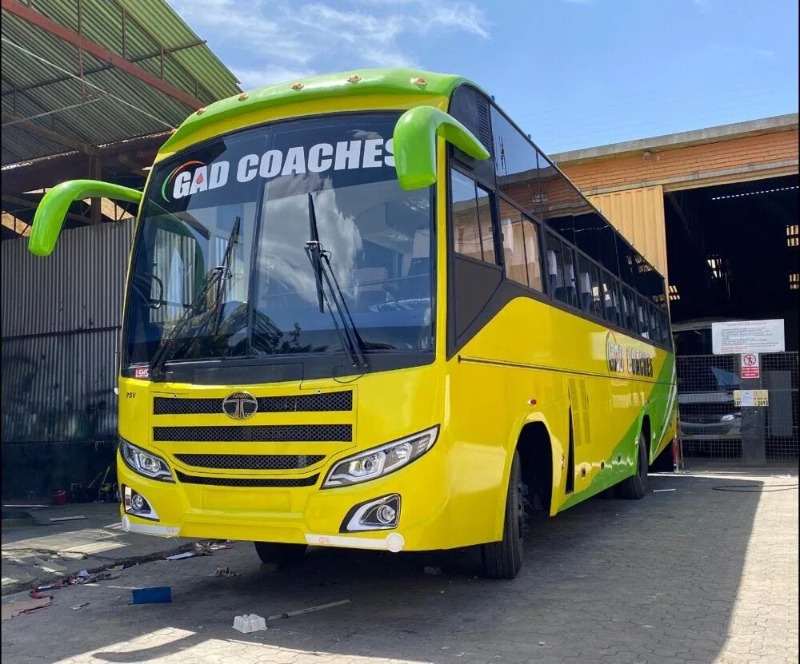
A carefully inspected and refurbished second hand bus from a reputable exporter can be very reliable, provided it is matched to your road conditions, load profile, and maintenance capacity. The key is not age alone, but structural condition, component health, and the quality of pre‑shipment preparation.
A used city bus is optimized for frequent stops, standing passengers, and shorter routes, with lower maximum speeds and different seating. A coach is designed for longer distances, higher speeds, and seated passengers, with more luggage space and different suspension settings. Choosing the wrong type can hurt both comfort and profitability.
Start with fuel consumption, routine maintenance, expected major repairs, and an estimate of residual value after 5–8 years. Use realistic assumptions based on your routes and consult experienced suppliers like KeyChain for benchmark figures from similar fleets and conditions.
Standardizing on a small set of models reduces complexity in parts management, mechanic training, and diagnostic work. It simplifies inventory, lowers downtime, and enables your team to become highly efficient in maintaining a known platform rather than many different brands and configurations.
For most mid‑sized operators, starting with 2–5 units on key routes is enough to gather data on fuel usage, maintenance needs, and passenger response. Once these results are clear and positive, you can safely scale up orders with much lower risk.
1. KeyChain Venture Co., Ltd. – Company Export Practice and Field Experience
Core insights on second hand bus and used city bus sourcing, vehicle inspection and refurbishment procedures, and TCO optimization strategies are based on KeyChain's long‑term export practice and project work with African fleets (internal case studies and client feedback, 2018–2026).
2. Africa Bus Market – Growth Drivers and Technology Trends
TechSci Research. Africa Bus Market – By Size, Share, Trends and Forecast 2030.
3. Global Bus Market – Technology, Electrification and TCO Trends
Polaris Market Research. Bus Market – Global Industry Analysis and Forecast 2034.
4. Global and African Bus Market Dynamics and Forecasts
Market Data Forecast. Global Bus Market Size, Share & Growth.
5. DRC Infrastructure and Transport System Background
The Democratic Republic of Congo's Infrastructure: A Continental Perspective.
6. DRC Market and Trade Environment Overview
U.S. International Trade Administration. Democratic Republic of the Congo – Market Overview.
7. Urban Transport and Public Transit Best Practices (General Reference)
Institute for Transportation & Development Policy (ITDP).
Library and resources on bus systems, BRT and public transport planning.


