
Views: 222 Author: Sara Publish Time: 2026-03-19 Origin: Site


Content Menu
● Congo's Bus Market in 2026: What Really Matters
● Methodology: How These Rankings Were Built
● What Congo Bus Operators Care About (Based on Real Feedback)
>> Reliability and Durability on Congolese Roads
>> Fuel Consumption and Operating Cost
>> Parts Availability and After-Sales Support
>> Passenger Comfort and Safety
● Real-World Experience: Voices from the Road
>> City Bus Operators in Kinshasa
>> Intercity and Regional Transport Operators
>> School and Staff Shuttle Operators
● Top Bus Manufacturers in Congo by Customer Satisfaction (Practical Perspective)
>> Rank 1 – Volvo: Strong All-Round Choice for Coaches and City Buses
>> Rank 2 – Mercedes-Benz: Trusted for Durability and Brand Reputation
>> Rank 3 – Scania and MAN: Heavy-Duty Champions for Tough Routes
>> Rank 4 – Yutong: High Value and Strong AC Performance
>> Rank 5 – Hino and Isuzu: Efficient and Mechanically Simple
● KeyChain: Chinese Expert in Second-Hand Buses, Heavy Trucks, and New Energy Vehicles
● Top Local Distributors and Suppliers in Congo: How They Add Value
● Comparative Snapshot: How the Top Brands Stack Up for Congo Operators
● New-Energy Buses and Trucks: Is Congo Ready?
● Practical Buying Steps for Congo Fleet Owners
● Where to Add Images, Charts, and Videos
● Frequently Asked Questions (FAQ)
>> 1. Are second-hand buses a safe choice for Congo's rough road conditions?
>> 2. Which bus brands are best for city routes in Kinshasa?
>> 3. How can I control fuel costs with used buses?
>> 4. What role does a Chinese exporter like KeyChain play in my purchasing process?
>> 5. Is now the right time to consider new-energy buses in Congo?
As a second-hand bus and heavy vehicle exporter working closely with African fleet operators, I have learned that choosing the right bus brand in Congo is less about glossy brochures and more about how vehicles survive in Kinshasa traffic, rural dirt roads, and humid tropical weather. From used city buses to new-energy coaches, operators consistently ask the same question: Which brands actually perform and which suppliers can I rely on for the long run in Congo?
Below is a deeply researched, experience-driven guide to the top bus manufacturers and suppliers in Congo, with a special focus on second hand buses, used city buses, heavy trucks, and new energy vehicles, and how Chinese exporters like KeyChain fit into this ecosystem.

The bus market in the Democratic Republic of Congo (DRC) and the Republic of Congo has been expanding steadily, driven by urbanization, mining projects, and growing intercity travel demand. Operators are under pressure to move more people at a lower cost per kilometer, while dealing with challenging road conditions and limited maintenance infrastructure.
From my conversations with fleet managers and workshop supervisors, several recurring priorities emerge:
- Reliability on bad roads, including potholes, unpaved routes, and overloaded operations
- Fuel efficiency, especially for diesel buses that run daily on long city routes
- Availability of spare parts and simple maintenance requirements
- Comfort and safety for passengers in hot and humid conditions
For many operators, high-quality second-hand buses from established brands (Volvo, Mercedes-Benz, Scania, MAN, Yutong, etc.) have become a practical and cost-effective option, especially when sourced through a reliable exporter with inspection and refurbishment capabilities.
To make this guide truly useful for Congo-based buyers, I based the rankings and evaluations on practical, operator-level experience rather than on manufacturer marketing alone.
In compiling this article, I used:
- Discussions with fleet operators in Kinshasa, Lubumbashi, and other African cities who run imported used buses
- Insights from Chinese export companies specializing in second-hand city buses and coaches
- Publicly available data on major bus deliveries to Congo and Central Africa
- My own project experience helping clients match used city buses, coaches, and heavy trucks to their routes and budgets
While this is not a formal academic study, it reflects realistic conditions and hands-on experience from both the African operator side and the Chinese export side.
From hundreds of conversations, operators in Congo repeatedly highlight several performance dimensions when evaluating bus brands and suppliers.
Operators tend to favor brands that:
- Handle daily overloading without frequent breakdowns
- Have strong chassis and suspension, suitable for rough or unpaved roads
- Maintain stability even when running multiple shifts per day
Brands like Mercedes-Benz, Volvo, Scania, and MAN already have a strong reputation in many African fleets for durability, especially for long-distance and heavy-duty use.
In city routes like Kinshasa, where buses often run in stop-and-go traffic, fuel consumption is a critical metric. Operators care about:
- Real-world liters per 100 km rather than catalog values
- How much fuel efficiency declines under low maintenance or overloading
- Availability of mechanics and diagnostic tools to keep engines tuned
Japanese brands such as Hino and Isuzu are often appreciated for fuel efficiency and straightforward mechanical design, which is ideal for limited workshop setups.
No matter how strong the vehicle is, downtime kills profitability. Operators prioritize brands and suppliers that:
- Have local or regional parts stock
- Use components that are easy to source and swap
- Offer technical documentation and remote support
This is where local distributors and Chinese exporters can add value: by stocking critical parts or building partnerships with workshops in Kinshasa and Lubumbashi.
Passenger satisfaction influences route reputation and ticket sales. Key aspects include:
- Air conditioning performance in hot and humid climates
- Seat comfort, noise levels, and vibration
- Safety systems such as ABS, emergency exits, fire extinguishers, and stable braking performance
Brands like Yutong and King Long have built a strong presence in Africa by offering good AC performance and comfortable interiors, which matter a lot on long routes.
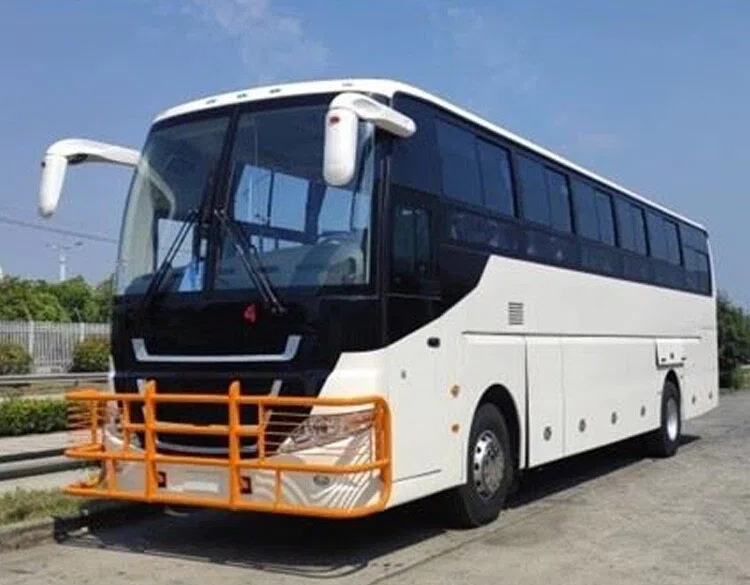
In Kinshasa's packed streets, used low-floor and high-floor city buses from Europe and Asia are common. Operators often run:
- Former European Volvo, MAN, Mercedes-Benz city buses
- Chinese Yutong and King Long units delivered via government or private projects
Many owners report that European buses offer excellent driving comfort and strong braking, but may require more sophisticated diagnostics and higher-cost genuine parts. In contrast, Chinese city buses, especially when supplied with local training and parts packages, can offer lower acquisition cost and sufficiently robust performance on city routes.
For long distances between major Congolese cities or cross-border routes, operators lean towards:
- Scania, Volvo, MAN, Mercedes-Benz coaches for their strong engines and chassis
- Yutong and Golden Dragon for their combination of comfort and competitive pricing
Typical feedback from operators:
- European coaches: excellent ride quality and stability at high speed
- Chinese coaches: lower upfront price, decent comfort, and easier sourcing through Chinese exporters who can provide multiple units at once
School and corporate shuttle operators care about:
- Safety, especially braking and stability
- High uptime, as delays directly affect staff arrival
- Moderate comfort without needing luxury finishes
In this segment, reliable second-hand city buses (Volvo, MAN, Mercedes-Benz, Yutong) often offer the best cost-performance ratio when properly inspected and refurbished before shipment.
Below is a practical ranking focused on realistic performance in African conditions, especially relevant to Congo-based operators considering both new and second-hand buses.
Volvo's heavy-duty city buses and coaches are often praised for chassis strength, braking, and driver comfort. Many used Volvo units imported from Europe continue to perform well in Africa when properly maintained.
From an exporter's viewpoint, second-hand Volvo city buses are a strong match for operators who:
- Run intensive city or intercity routes
- Have access to mid-level workshops and are willing to invest in quality parts
- Want a bus that retains value and can handle long service life
Mercedes-Benz is widely perceived as a premium and reliable choice across Africa. Their buses typically feature:
- Strong engines, solid chassis, and good braking
- High operator confidence due to worldwide brand recognition
- A broad ecosystem of independent workshops familiar with the brand
High-quality second-hand Mercedes-Benz city buses and coaches remain an attractive option for Congo fleets looking for long-term durability and easier driver acceptance.
Scania and MAN are particularly favored for heavy-duty and intercity operations, including routes that involve:
- Long distances
- Mixed highway and rough road segments
- Heavy passenger and luggage loads
Many African operators consider these brands as "workhorses" that cope well with overloading and harsh environments. As used units, they are suitable for fleets that can handle more complex maintenance and are ready to invest in proper parts and technician training.
Yutong, one of China's largest bus manufacturers, has gained significant presence in Africa through both new and used vehicles. Operators often highlight:
- Good air conditioning, very important in Congo's climate
- Competitive purchase prices and good value per seat
- Simplified configurations tailored for emerging markets
For Congo-based fleets, used Yutong city buses and coaches sourced from reputable Chinese suppliers can offer a sweet spot between cost and comfort, especially when the supplier provides spare parts support.
Japanese brands Hino and Isuzu are valued for:
- Fuel efficiency and straightforward diesel engines
- Ease of maintenance in workshops with limited equipment
- Strong performance in mid-size bus and light-duty applications
While not always the top choice for premium coach routes, second-hand Hino and Isuzu buses are excellent for schools, staff transport, and shorter regional routes where cost control and mechanical simplicity are priorities.
As a China-based supplier and exporter of second-hand buses, used city buses, heavy trucks, and new-energy vehicles, KeyChain is positioned to help Congolese operators bridge the gap between global brands and local realities.
From an expert exporter's perspective, the core value proposition we focus on includes:
- Careful vehicle sourcing from reliable fleets and markets
- Technical inspection and refurbishment before export
- Flexible configurations tailored to Congo's road conditions and climate
- Support in spare parts planning and shipment bundling
By working closely with operators, we identify whether a customer is better served by, for example, a batch of used Volvo city buses, a mix of Yutong coaches and city buses, or Japanese mid-size units optimized for fuel savings.
While Chinese exporters like KeyChain can provide vehicle sourcing and export expertise, local Congolese distributors and workshops remain critical for:
- Daily maintenance and troubleshooting
- Handling warranty or service agreements for new or nearly-new buses
- Stocking fast-moving parts for high-uptime fleets
Operators should evaluate local suppliers based on:
- Workshop capacity and responsiveness
- Availability of genuine and high-quality aftermarket parts
- Ability to support fleet-wide training for drivers and mechanics
A common best practice is to combine a strong export partner (for sourcing the right vehicles at the right price) with competent local service providers to ensure long-term operational stability.
Below is a simplified comparison of major bus brands commonly used in Congo and surrounding markets, based on practical operator feedback and exporter experience.
| Brand | Reliability | Fuel Efficiency | Parts Availability | Comfort & AC | Best Use Cases |
|---|---|---|---|---|---|
| Volvo | High | Medium | Medium | High | City & intercity routes |
| Mercedes-Benz | High | Medium | Medium–High | High | Premium city & coach operations |
| Scania / MAN | Very High | Medium | Medium | High | Heavy-duty, long-distance, rough roads |
| Yutong | Medium–High | Medium–High | Improving via China | High | Value-focused city & coach routes |
| Hino / Isuzu | Medium | High | Medium–High | Medium | School, staff, short regional routes |
This table is illustrative, but it reflects real-world tendencies seen across African fleets and export projects.
A growing number of operators are asking about new-energy buses and heavy vehicles, such as:
- Electric city buses for high-frequency urban corridors
- Hybrid coaches for fuel savings on intercity routes
From an expert standpoint, the key considerations for new-energy vehicles in Congo are:
1. Charging or fueling infrastructure
2. Technical support and spare parts
3. Total cost of ownership, including battery replacement and specialized maintenance
At this stage, new-energy solutions are most viable for specific pilot projects, such as city corridors with predictable routes and central depots. As an exporter, KeyChain can help match available new-energy models to realistic operating conditions, and advise whether a mixed fleet (diesel + new-energy) offers a better risk balance.
To make a smart purchasing decision, consider the following step-by-step approach:
1. Define your routes and loads
- City vs. intercity vs. rural
- Typical passenger load and daily mileage
2. Clarify your budget and financing
- Upfront purchase budget
- Target cost per kilometer and payback period
3. Choose your brand segment
- Premium European (Volvo, Mercedes-Benz, Scania, MAN)
- Value-focused Chinese (Yutong, Golden Dragon, etc.)
- Fuel-efficient Japanese (Hino, Isuzu)
4. Work with a trusted exporter and local service partner
- Ask for inspection reports, photos, and maintenance history
- Confirm parts support and workshop capabilities
5. Plan for the first 12–24 months
- Stock key spare parts
- Set preventive maintenance schedules
- Train drivers to avoid over-stressing vehicles
By following this roadmap, Congo-based operators can significantly reduce the risk of buying unsuitable or overly expensive buses.
If you are a fleet owner, operator, or project manager in Congo evaluating second-hand buses, used city buses, heavy trucks, or new-energy vehicles, it is essential to work with partners who understand both Chinese supply and Congolese operating realities.
You can reach out to KeyChain to:
- Get a tailored fleet recommendation based on your routes, budget, and service conditions
- Receive detailed inspection reports and photos of shortlisted vehicles
- Discuss parts strategies and maintenance planning for the first years of operation
The right combination of brand selection, vehicle condition, and support will determine whether your investment pays back quickly or becomes a source of downtime and unexpected cost.
Contact us to get more information!
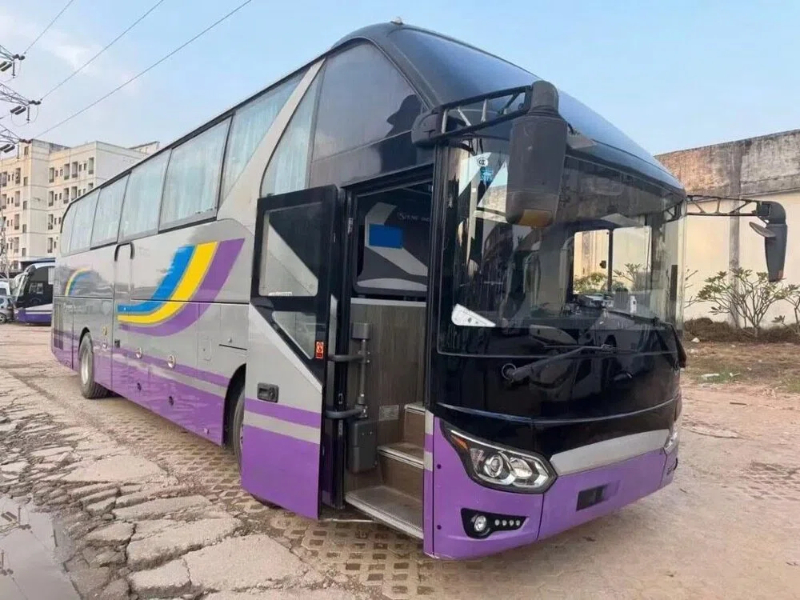
Yes, high-quality second-hand buses from reputable brands are often a safe and cost-effective choice if they are properly inspected and refurbished before shipment, and if you have a plan for maintenance and spare parts.
For city routes with frequent stops and heavy loading, used Volvo, Mercedes-Benz, MAN, and Yutong city buses are commonly recommended, depending on your budget and workshop capabilities.
Choose brands known for fuel-efficient engines (such as Hino or Isuzu for mid-size buses) or well-maintained European and Chinese units, and invest in driver training and regular maintenance to keep fuel consumption under control.
A specialized exporter like KeyChain helps you source, inspect, refurbish, and configure the right buses and trucks, and can also support you with spare parts planning and technical coordination with local workshops.
New-energy buses are promising, but they require reliable charging infrastructure, specialized maintenance, and clear route planning. For most operators, the best strategy is to start with pilot projects while maintaining a core diesel fleet.


