
Views: 222 Author: Sara Publish Time: 2026-02-03 Origin: Site


Content Menu
● Order Details and Technical Specifications
● MBTA's Electrification Strategy in Context
● 2026 Updates: MBTA Electric Buses on Boston Streets
● Cost-Benefit Analysis: ROI of Electric Buses
● Global Case Studies: Proven Electric Bus Deployments
● Practical Guide: Implementing Electric Bus Fleets
● Challenges and Future Outlook
● Partner with KeyChain for Cost-Effective Electric Bus Solutions
● FAQ
>> 1. What is the range of MBTA's New Flyer electric buses?
>> 2. What is the total contract value and expansion potential?
>> 3. When will the buses be fully deployed?
>> 4. Are electric buses more expensive than diesel over time?
>> 5. How can I source affordable used electric buses like these?
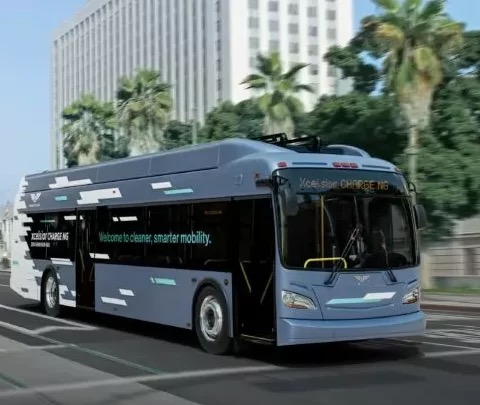
The Massachusetts Bay Transportation Authority (MBTA) has signed a landmark $119 million contract with New Flyer for 80 Xcelsior CHARGE NG 40-foot battery-electric buses, marking a pivotal step toward Boston's all-electric bus fleet. These high-performance electric buses feature 120+ mile range, advanced safety systems, and dual-side boarding, delivering quieter, greener rides for commuters.
This strategic move aligns with global trends in commercial vehicle electrification, where operators worldwide are transitioning to zero-emission fleets. As China's leading supplier of used commercial vehicles, KeyChain (keychainauto.com) supports international clients with reliable, cost-effective second-hand buses and heavy trucks. Contact us at +8613572980919 or abbie@keychainventure.com for tailored solutions.

The MBTA-New Flyer agreement includes 48 standard dual-door electric buses and 32 specialized units with curbside doors, all 40-foot low-floor models optimized for urban routes. Each bus boasts a 120-mile single-charge range (extendable to 150 miles under ideal conditions), powered by high-voltage batteries with real-time health monitoring for proactive fault detection.
Key technical highlights set these New Flyer electric buses apart:
- Collision Avoidance Systems: Integrated Mobileye sensors detect vehicles, pedestrians, and cyclists in real-time, issuing "Caution bus approaching" audio alerts to enhance road safety.
- Passenger-Centric Design: Flip-up seats, full ADA compliance, dual-side passenger information displays, and ergonomic layouts improve accessibility and comfort for diverse riders.
- Energy-Regenerative Braking: Captures kinetic energy during stops to recharge batteries, with live kilowatt usage dashboards helping drivers optimize efficiency during peak loads.
- Connectivity and Telematics: Built-in Wi-Fi, USB charging ports, and fleet management software enable over-the-air updates and route optimization.
The contract also features an options clause for 380 additional buses, potentially totaling 460 units, funded partly by Federal Transit Administration (FTA) Low/No Emission grants. Delivery begins in phases, with full deployment by 2027.
This order responds directly to the 2022 Massachusetts Climate Act, mandating a 100% zero-emission MBTA bus fleet by 2040. Boston's public transit system, serving over 1.3 million daily riders, faces mounting pressure to slash greenhouse gas emissions amid rising diesel maintenance costs—now averaging $50,000 per bus annually.
MBTA General Manager Phillip Eng stated, "These buses not only cut emissions but modernize the rider experience, advancing our climate commitments while ensuring reliability." New Flyer North American President Chris Stoddart added that the Xcelsior platform's compatibility with existing MBTA infrastructure minimizes training and parts disruptions.
Supporting this shift, MBTA is investing in infrastructure:
- North Cambridge Garage (upgraded 2025): Houses 32 electric buses with depot quick chargers.
- Quincy New Facility (opening 2026): Capacity for 120 EVs, including maintenance bays and solar-integrated charging.
These upgrades ensure overnight or opportunity charging, replacing aging diesel fleets and reducing downtime.
As of January 2026, MBTA has received initial New Flyer XE40 units (e.g., #4001 and #4002), now in rigorous street testing. Videos and social media footage show these battery-electric buses navigating Boston's hilly terrain, handling full loads, and maintaining performance in sub-zero winters—critical for New England's climate.
Early tests confirm 150-mile real-world range across varied conditions, with regenerative braking recapturing up to 30% of energy. This progress builds on 2025 pilot programs, where first units logged thousands of revenue miles without major issues. Nationally, U.S. electric bus orders surged 30% in 2025, positioning MBTA as a Northeast leader.
Electric buses demand higher upfront investment—around $1.4 million per unit—but deliver substantial long-term savings. Total cost of ownership (TCO) drops 20-30% over 12 years compared to diesel, driven by 50% lower maintenance and 80% fuel cost reductions.
| Aspect | Diesel Buses | New Flyer Electric Buses | Key Advantage |
|---|---|---|---|
| Refuel/Recharge Cost | $500 per fill-up | $100 per full charge | 80% savings |
| Annual Maintenance | $50,000 per bus | $25,000 per bus | Halved due to fewer parts |
| Range per Cycle | 400 miles (diesel) | 120-150 miles (charge) | Zero tailpipe emissions |
| Noise Level | 85 dB | <70 dB | Quieter urban operation |
| 12-Year ROI | Baseline | +25% with grants | FTA subsidies cover 80% |
Experts note that in high-utilization cities like Boston, payback occurs within 5-7 years, accelerated by incentives. KeyChain clients report similar economics on refurbished units.
Learning from pioneers enhances MBTA's approach. London's TfL operates over 2,000 electric buses, achieving 90% emission cuts and 15% higher passenger satisfaction. Shenzhen, China, hit 100% electric fleet by 2020, saving $160 million annually in fuel while stabilizing grids via vehicle-to-grid tech.
In Southeast Asia, KeyChain-supplied second-hand BYD electrics to operators mirror New Flyer specs, with buyers praising stable range retention (90% after 5 years) and 20% market premium on resale. These cases prove scalability: start with pilots, scale via partnerships.
Operators transitioning to electric public transit benefit from this step-by-step playbook:
1. Assess Fleet Needs: Map daily routes, peak loads, and mileage—target 120+ mile range models like New Flyer Xcelsior.
2. Plan Infrastructure: Budget $5 million per 100 buses for Level 3 chargers (30-min full charge) and garage retrofits.
3. Secure Financing: Leverage FTA grants (up to 80% coverage), green bonds, or public-private partnerships.
4. Train Staff: 2-week programs on energy management, safety protocols, and telematics—focus on regenerative driving techniques.
5. Optimize Maintenance: Deploy predictive analytics for battery health, cutting downtime 40% via remote diagnostics.
6. Monitor KPIs: Track energy use per mile (aim <2 kWh), uptime (>95%), and rider feedback quarterly.
MBTA's execution exemplifies this: phased rollout with data-driven tweaks ensures 99% on-time performance.
Winter range loss (10-20% in cold snaps) and supply chain delays pose hurdles, but MBTA's 25-year New Flyer partnership (1,200+ buses delivered) mitigates risks. Solutions include depot pre-heating and diversified battery sourcing.
By 2030, analysts predict 50% global electric bus penetration, fueling a booming used electric bus market. MBTA's project could inspire 10,000+ U.S. conversions, slashing urban air pollution.
Elevate your fleet with KeyChain, China's premier used commercial vehicle supplier specializing in high-performance second-hand buses and trucks. We stock New Flyer-caliber EVs at 40-60% below new prices, with full export support, warranties, and customization.
Call +8613572980919 or email abbie@keychainventure.com for a free quote and MBTA-style assessment. Start your zero-emission journey now!
Contact us to get more information!
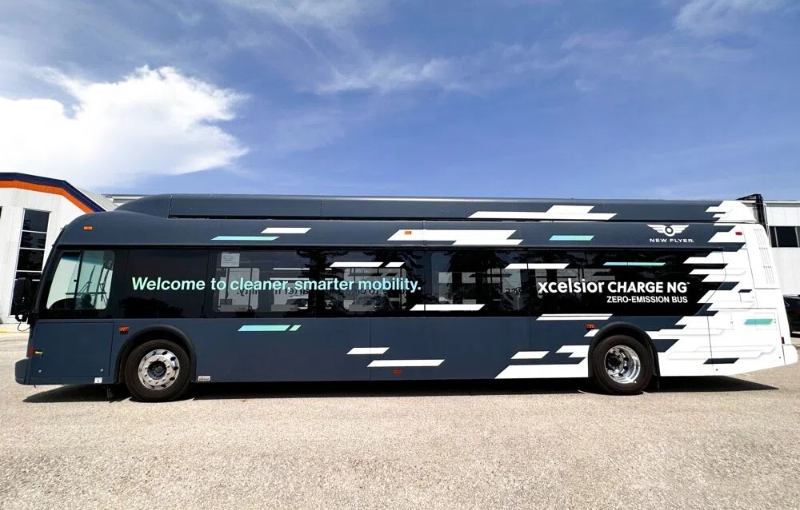
These Xcelsior CHARGE NG models offer 120-150 miles per charge, with fast-charging compatibility for Boston's demanding routes.
The base order is $119 million for 80 buses, with options for 380 more, totaling up to 460 units supported by federal grants.
Initial testing began in 2025, with all 80 operational by 2027, aligned with new garage openings.
Upfront costs are higher, but 30% TCO savings from maintenance and fuel make them superior, especially with subsidies.
Contact KeyChain at +8613572980919 for premium second-hand New Flyer and BYD models, ready for global delivery.
1. https://bus-news.com/mbta-orders-80-new-flyer-electric-buses/
2. https://www.keychainauto.com
3. https://bus-news.com/mbta-to-order-up-to-460-electric-buses-from-new-flyer/
4. https://www.sustainable-bus.com/electric-bus/mbta-boston-order-new-flyer-electric-buses/
5. https://www.facebook.com/onlyinbos/posts/alert-mbtas-first-battery-electric-bus-is-being-tested-in-the-streets-of-boston
6. https://www.youtube.com/watch?v=IseDg9hUERQ
7. https://www.instagram.com/p/DTSZfn6DiMi/


