
Views: 222 Author: Sara Publish Time: 2025-12-31 Origin: Site


Content Menu
● Step 1: Start With a Clear Transport Mission
● Step 2: Match Mission to Bus Type
>> When a Used Bus Makes Sense
● Step 4: Define Non–Negotiable Deal–Breakers
>> Capacity, License, and Safety
>> Accessibility and Interior Layout
● Step 5: Budgeting Total Cost of Ownership
>> Typical First–Year Costs for a Used Bus
>> Churches and Community Organizations
>> Contractors and Industrial Sites
>> Senior Living and Medical Providers
● Step 7: Inspecting a Used Bus
>> Engine, Drivetrain, and Underbody
>> Interior and Safety Systems
>> Road Test
● Step 8: Maintenance Planning
>> Example Maintenance Intervals
● Step 9: Financing and Funding Options
>> Funding Ideas for Community Organizations
● Step 10: Enhancing Passenger Experience and Digital Readiness
● FAQ
>> 1. How many seats should my first bus have?
>> 2. Is a used bus reliable enough for daily school or staff routes?
>> 3. Do I always need a commercial driver's license to operate a bus?
>> 4. What is the most important thing to check when buying a used bus remotely?
>> 5. How long can a bus last with proper maintenance?
Buying a bus today is less about raw horsepower and more about building a safe, efficient, and profitable transport system for your passengers and your organization. Whether you operate a church, school, logistics fleet, construction company, or public transit service, choosing the right new or used bus directly affects safety, cost per kilometer, and customer satisfaction.
This guide explains how to buy a bus step by step, from defining your mission to selecting the right vehicle type, inspecting a used unit, and planning long–term maintenance and financing. It is designed for global buyers and fleet managers who need practical, data–driven advice rather than sales hype.

This guide is useful if you are:
- A church or NGO replacing vans with a safer people mover.
- A school, university, or training center planning student shuttles.
- A fleet operator, contractor, or industrial company needing crew buses and staff shuttles.
- A tour, charter, or intercity operator expanding into new routes.
Throughout this guide, you will find actionable checklists, real–world examples, and expert–level evaluation criteria to support confident decision–making.
Before searching listings, be brutally clear about why you are buying a bus and who will ride in it. This “mission profile” will drive almost every later decision, from seating capacity to fuel type and driver requirements.
Write down the following:
- Who rides most often? Seniors, students, employees, tourists, or mixed passengers.
- How many riders on a normal day? Focus on typical demand, not the biggest annual event.
- Average trip length and speed. Short urban hops, regional trips, or high–speed highway routes.
- Accessibility needs. Wheelchairs, walkers, strollers, luggage, or tool racks.
- Who will drive? Volunteers, part–time drivers, or full–time licensed professionals.
Being specific at this stage avoids buying a bus that is consistently too small or too large and helps keep both safety and costs under control.
- Small church: 10–15 passengers, short distances, weekly services and youth events, often with non–professional drivers.
- Private school: Daily short routes with tight streets, 20–30 students per run, strict safety expectations.
- Contractor or factory: Crew shuttle plus tools or parts, multiple trips per day to job sites or plants.
- Senior living or medical transport: Frequent short trips with strong accessibility requirements and securement systems.
The more clearly this mission is defined, the easier it becomes to compare vehicles and avoid over–specification.
Once you understand your mission, you can choose the bus category that fits best. A poorly chosen category can lock you into years of higher fuel, repair, and insurance costs.
- School buses (Type A/B/C/D): Built to strict safety standards and ideal for student transport or rugged routes.
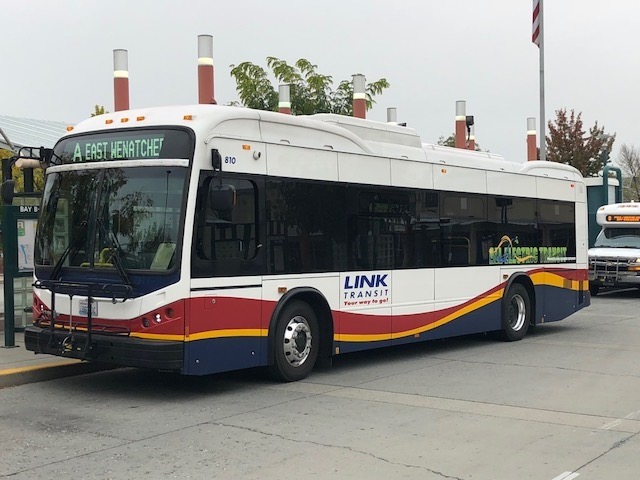
- Mini and shuttle buses: Usually 8–25 passengers, often built on van or light truck chassis, popular for churches, hotels, and staff shuttles.
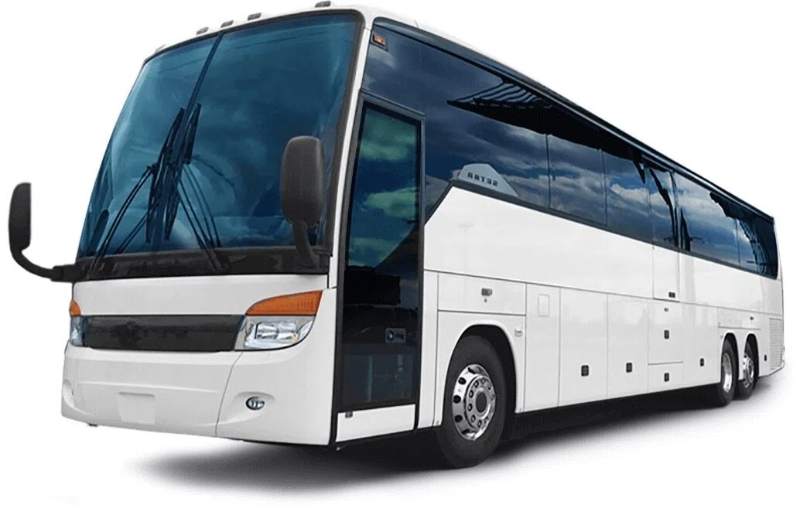
- Commercial/coach buses: Typically 30+ passengers, designed for long–distance comfort, luggage, and sometimes onboard restrooms.
- Passenger vans and microbuses: Good for 8–15 riders and tight urban environments, with lower entry cost but limited capacity.
- Specialty buses: Configured for wheelchair transport, mobile clinics, VIP interiors, or on–site staff hubs.
In many markets, there is a common threshold:
- Up to 15 seats including driver can sometimes be operated without a commercial license.
- 16 seats and above often require a commercial driver's license or equivalent.
Always confirm local regulations before proceeding, because licensing rules and enforcement levels vary by region.
- Size the bus for your regular weekly usage, not your biggest seasonal event.
- For peak days, consider renting an additional bus rather than bearing the ongoing cost of an oversized fleet.
This approach helps optimize both utilization and total cost.
Deciding between a new and used bus is one of the most strategic choices in the buying process. It influences purchase price, maintenance burden, uptime, and depreciation.
- Full manufacturer warranty and streamlined factory support.
- Custom configuration for seats, interior layout, luggage, and accessibility.
- Clean maintenance history from day one and predictable service intervals.
- Access to the latest safety and emissions technologies.
The downside is higher upfront cost and typically steeper depreciation in the first years of ownership.
- Significantly lower purchase price than new units of similar capacity.
- Faster availability with no factory build lead time.
- Many units are already accessibility–equipped with lifts and securement systems.
- Slower depreciation after the initial drop absorbed by the first owner.
A well–maintained bus in the 4–7 year age range, with reasonable mileage and documented service history, can often provide years of reliable operation.
A used bus is often the smarter choice if:
- Routes are predictable and annual mileage is moderate.
- There is access to a trusted workshop or in–house maintenance capability.
- The seller can provide complete documentation, including service records, accident history, and inspection reports.
Never finalize a used bus purchase without a proper inspection and documentation review.
Before focusing on brand, color, or interior finishes, identify the non–negotiable requirements. These are the items that determine whether a bus is safe, legal, and suitable.
- Confirm the maximum legal passenger capacity for your use case.
- Check whether drivers need a commercial license for that vehicle class and seat count.
- Verify that seat belts, emergency exits, extinguishers, and first–aid kits meet local standards.
If relying on volunteer drivers, limiting capacity to a configuration that does not require a commercial license can simplify scheduling significantly.
For elderly passengers, people with disabilities, or medical trips, prioritize:
- A wheelchair lift or ramp with appropriate load rating.
- Securement systems for wheelchairs and walkers.
- Wide aisles, grab rails, and non–slip flooring to reduce fall risk.
These features are not optional extras for accessibility–focused services; they are core safety elements.
Bus interiors should be designed for real use, not only for seat count:
- Rear or underfloor luggage compartments for suitcases and sports gear.
- Overhead racks for bags and small items.
- Rear open space or racks for tools, ladders, or equipment.
- Mounting points for ticketing or payment devices if needed.
Planning these details early prevents improvisation later that can compromise safety or comfort.
- Obtain insurance quotes early in the process.
- Determine required liability coverage level and check for any policy conditions.
- Ask about potential discounts for multiple vehicles, telematics, or nonprofit status.
Provide accurate information about how the bus will be used so that coverage is valid in case of claims.
The purchase price is only one part of what a bus will cost over its life. A structured total cost of ownership (TCO) view will prevent underestimating long–term expenses.
A realistic first–year budget for a quality used mini or shuttle bus often includes:
- Bus purchase: about USD 25,000–45,000 equivalent, depending on age and specification.
- Insurance: about USD 1,500–2,800 per year.
- Initial maintenance catch–up: about USD 750–1,500.
- New tires (if required): about USD 1,200–2,400.
- Branding or wrap: about USD 1,000–3,500.
Even with these initial expenses, frequent users often find that ownership becomes more economical than continuous rental, especially for weekly or daily routes.
For each candidate vehicle, estimate:
- Purchase price minus projected resale value.
- Annual fuel and consumables.
- Maintenance and repairs across several years.
- Insurance, licensing, and inspection costs.
- Driver–related costs, including training and certification.
Divide the total by expected kilometers and passenger–kilometers to identify which bus offers the best cost–performance balance.
Learning from other operators helps clarify which configurations work best in real operations.
- Challenge: Scattered members, older members missing events, multiple cars required.
- Solution: A 15–seat shuttle with easy access and simple parking.
- Result: More consistent attendance, reduced reliance on volunteers using personal vehicles, and improved safety.
- Challenge: Coordinating trips for athletics, student clubs, and campus events.
- Solution: A mid–size bus with accessible seating and comfortable interiors.
- Result: A single versatile vehicle can serve several departments effectively.
- Challenge: Aging vans and increasing safety expectations.
- Solution: Compact school–spec buses with proper student seating and safety structures.
- Result: Predictable routing, clear boarding procedures, and better communication with parents.
- Challenge: Multiple vehicles transporting small crews and tools to the same location.
- Solution: Crew shuttle with combined seating and tool storage.
- Result: Lower fuel costs per worker, easier coordination, and cleaner job–site arrival.
- Challenge: Missed appointments, unreliable transport, and family dissatisfaction.
- Solution: Accessible bus with lift, securement, and comfortable seating.
- Result: More reliable medical visits, improved satisfaction, and stronger reputation.
A structured inspection is the best defense against unexpected downtime and repair costs. It is helpful to use a checklist and, when buying remotely, an independent inspection service.
- Inspect body panels for rust, dents, and signs of repair.
- Check roof and window seals for leaks or water infiltration.
- Examine tires for even wear, tread depth, and sidewall condition.
Pay attention to any signs of structural repair or poor repainting that could indicate previous collision damage.
- Start the engine cold and monitor noise, smoke, and vibration.
- Look under the vehicle for oil, coolant, or fuel leaks.
- Inspect frame rails, suspension mounts, and cross members for corrosion or cracks.
A clean underbody and consistent service documentation are strong positive signs.
- Test all doors, emergency exits, and interior lights.
- Confirm that seat belts, lifts, ramps, and securement systems function smoothly.
- Verify HVAC operation on both heating and cooling settings.
Check floor condition, seat anchoring, and any signs of water damage inside.
During a road test:
- Listen for rattles, clunks, or whining from drivetrain and suspension.
- Evaluate acceleration, braking distance, and steering feel at different speeds.
- Confirm that the bus tracks straight and does not pull while braking.
Document any concerns and factor them into your negotiation and decision.
With a solid maintenance plan, many buses can deliver 15–20 years of safe service. A preventive maintenance schedule minimizes breakdowns and enhances resale value.
- Engine oil and filter: roughly every 5,000 km or as recommended.
- Tire rotation: roughly every 6,000 km.
- Brake inspection: roughly every 10,000 km, more often in demanding conditions.
- Annual full inspection: complete check of steering, suspension, frame, and safety systems.
Adjust intervals based on local conditions, vehicle age, and manufacturer guidance.
- Maintain a paper and digital maintenance log for each bus.
- Implement a pre–trip and post–trip checklist for drivers.
- Train backup drivers and standardize safety policies covering seat belts, speed, and emergency procedures.
- Plan replacement timing based on mileage and age to avoid rushed purchases.
Strong maintenance discipline supports both reliability and long–term cost control.
A bus is a major capital expenditure, but modern financing options make acquisition manageable for many types of organizations.
- Local banks and credit unions with commercial–vehicle products.
- Specialized equipment finance providers.
- Online lenders offering secured or unsecured loans.
When comparing options, pay attention to interest rates, repayment terms, prepayment conditions, and collateral requirements.
Community and faith–based groups can combine financing with targeted campaigns:
- "Adopt–a–Seat" programs where donors sponsor seats.
- "Miles of Service" programs where supporters fund specific operational mileage.
These campaigns create emotional connection with the vehicle and relieve pressure on operating budgets.
Passengers today value comfort, safety, and information, not just transportation from point A to point B.
- Comfortable, easy–to–clean seating with appropriate legroom.
- Effective air–conditioning and heating, especially in extreme climates.
- USB charging points and possible Wi–Fi on longer routes.
- Clear interior signage and, if needed, multilingual information.
Small improvements in comfort and clarity often translate into better satisfaction and repeat usage.
For fleets or high–utilization operations, consider:
- GPS tracking for on–time performance and efficient routing.
- Driver behavior monitoring to reduce fuel consumption and incidents.
- Maintenance reminders triggered by mileage and engine data.
These tools support better decision–making and more transparent reporting.
To make this guide more engaging, consider adding:
- A hero photo of a modern bus in service near the top.
- A simple diagram showing main bus types and typical seat ranges.
- A step–by–step flowchart of the buying process.
- A photo checklist illustrating key inspection points.
- A sample maintenance schedule table branded with your organization identity.
These elements improve both readability and perceived authority.
Buying a bus is about more than acquiring a vehicle; it is about building a safe, reliable, and efficient transport system that supports your long–term goals. With a clear mission, a suitable bus type, a disciplined inspection process, and a realistic view of total cost, it becomes possible to make a confident, future–proof decision.
Review your current and projected transport needs, define your ideal capacity and route profile, and prepare a simple one–page requirement sheet. Share that requirement sheet with a professional commercial–vehicle partner and request a short list of matched bus options, each with clear specifications, maintenance records, and cost projections, so you can select the vehicle that best supports your passengers and your operations.
Aim for capacity that covers typical weekly demand rather than maximum occasional peaks. For rare large events, renting additional vehicles is usually more economical than owning an oversized bus year–round.
Yes, provided it has documented service history, limited structural corrosion, and a clean inspection. Combine that with a preventive maintenance plan and regular checks to keep daily routes reliable.
Driver licensing depends on local regulations and the vehicle's passenger capacity and weight. Many regions require a commercial license above a certain seat count, so it is important to confirm rules before purchase.
Focus on maintenance records, structural condition, brakes, and tires, backed by a detailed third–party inspection report with photos and a road–test summary. This significantly reduces the risk of hidden problems.
With regular servicing, inspections, and timely repairs, many buses can operate safely and efficiently for 15–20 years or more, depending on mileage, operating environment, and maintenance quality.


