
Views: 222 Author: Sara Publish Time: 2026-01-25 Origin: Site


Content Menu
● Why Choose Honda Fit 2002-2012?
● 2002 Honda Fit: Launch Model Overview
● 2004 Honda Fit: Refinements in Efficiency
● 2010 Honda Fit: Tech and Safety Boosts
● 2012 Honda Fit: Styling and Comfort Upgrades
● Model Differences: 2002 vs 2012 Side-by-Side
● Safety Ratings and Reliability Data
● Fuel Economy Comparison with Competitors
● Buyer's Practical Steps for Used Honda Fit
● Honda Fit Hybrid vs Standard: Key Distinctions
● Common Problems and Fixes (2002-2012)
● FAQ
>> 1. What is the best Honda Fit year between 2002-2012?
>> 2. How reliable is the Honda Fit 2002-2012?
>> 3. Honda Fit vs Toyota Aqua: Which is better?
>> 4. What is the real-world fuel economy of 2010 Honda Fit?
>> 5. Are 2002-2012 Honda Fits safe?
Honda Fit 2002-2012 models transformed the subcompact car segment with innovative space efficiency, fuel economy, and reliability. These first-generation Honda Fits (GD series) evolved from basic urban runabouts to refined daily drivers, featuring upgrades in engines, safety, and interiors across years. Whether you're a city commuter, small family, or budget buyer, understanding these model differences helps you pick the best used Honda Fit for your needs.
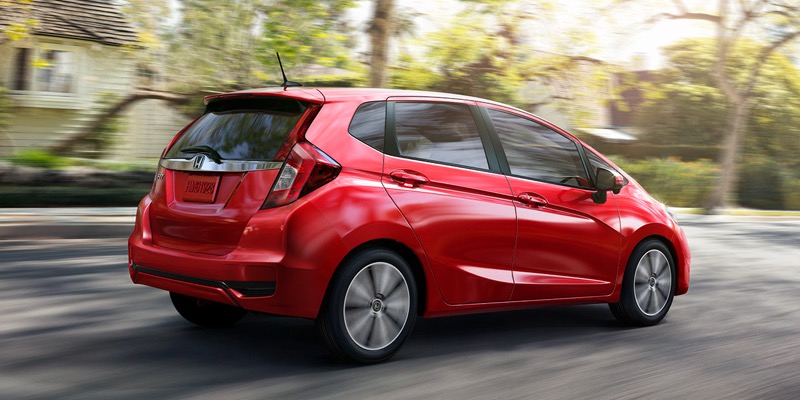
The Honda Fit 2002-2012 lineup excels in city driving, offering Magic Seat versatility for cargo and passengers. Buyers value its low maintenance costs and strong resale value, making it ideal for small families or commuters. Key strengths include 17-20 km/L fuel efficiency and compact dimensions perfect for tight parking.
Evolution from 2002 to 2012 addressed early limitations like noise insulation and power delivery. Used Honda Fit prices range from USD 1,100-$9,000, varying by condition and mileage. This era's Fits prioritize practicality over luxury, with timeless features like the flip-up passenger seat for tall cargo. Owners praise the car's nimble handling, often comparing it to go-karts on city streets. Reliability remains a hallmark, with many examples surpassing 200,000 miles on original engines when maintained properly.
In urban environments, the Fit's short hood and high roofline provide unmatched visibility. Parking is effortless in spaces where larger sedans struggle. Fuel costs stay low, appealing to students, young professionals, and retirees alike. Compared to rivals like the Toyota Yaris or Ford Fiesta, the Fit stands out for interior volume despite its subcompact footprint.
The 2002 Honda Fit debuted as a 1.3L or 1.5L petrol hatchback, producing 85-108 hp with 2WD or 4WD options. It prioritized versatility with Magic Seat folding for flat cargo floors up to 583L. This launch model set the tone for the series, emphasizing Japanese kei-car efficiency adapted for global markets.
Exterior options included silver, metallic blue, and pearl colors, paired with brake assists and privacy glass. The interior seats five comfortably, with excellent outward visibility and multiple seat configurations. Fuel economy averages 17-20 km/L, ideal for urban use. Drivers note the peppy low-end torque suits stop-and-go traffic perfectly.
Common critiques include basic features and higher road noise than later years. Still, the 2002 model's lightweight construction (under 2,200 lbs) delivers agile performance. Early adopters loved the four-wheel-drive variant for light snow or gravel roads. Maintenance is straightforward, with parts widely available worldwide.
2004 Honda Fit upgraded to a 1.5L engine (around 5.6L/100km), balancing power and 18-20 km/L economy. Spacious cabin with flexible cargo suited city and suburban drives. Honda refined suspension tuning for smoother rides over potholes, a common urban hazard.
Key specs highlight its everyday appeal:
- Engine: 1.3L/1.5L petrol
- Fuel Consumption: 18-20 km/L
- Seating: 5 passengers
- Drivetrain: FWD primary
Improved visibility and comfort made it reliable for daily commutes. Price range sits at USD 1,310-$5,220 for used examples. Owners report fewer vibrations than the 2002, thanks to chassis tweaks. The 2004 also introduced minor styling updates, like revised taillights, enhancing curb appeal without major redesigns.
This model year bridged early teething issues with mid-cycle maturity. Fuel tank capacity grew slightly, extending range to 400+ km per fill-up. For families, the 60/40 split rear seats offer practical cargo solutions, from groceries to weekend gear.
2010 Honda Fit featured 1.3L/1.5L engines (4.7-6.3L/100km), 42L tank, and 583L boot. Added alloy wheels, tinted glass, airbags, and power steering elevated it beyond basics. Transmission choices included 5-speed manual or automatic, catering to spirited or relaxed drivers.
Interior highlights include:
- 60/40 split seats for cargo flexibility
- Supportive seats for five; intuitive controls
- Safety features with strong ratings
EPA estimates hit 27/33 city/highway MPG, proven in real-world tests. Price range: USD 1,130-$1,830. By 2010, Honda integrated electronic stability control, reducing skids in wet conditions. Bluetooth became optional on higher trims, connecting modern phones seamlessly.
The 2010's stiffer frame improved handling precision, making it fun on twisty roads. Boot space expands dramatically with Magic Seats down, rivaling midsize wagons. Urban dwellers appreciate the low load floor for heavy items. Routine services like timing chain checks keep it running smoothly for decades.
2012 Honda Fit introduced a styling refresh: new grille, bumpers, headlights, and 16-inch alloys on Sport trim. Fit Sport added foglights, leather-wrapped steering wheel, and Bluetooth streaming. This facelift modernized the aging design without compromising core virtues.
Performance details:
- 1.5L I4: 117 hp, 106 lb-ft torque
- 0-60 mph: 9.5 seconds (manual)
- Fuel Economy: 29 MPG combined; base auto at 31 MPG
Noise reduction came via added insulation in floor, fenders, and glass. Pricing started at $15,175 MSRP; used range USD 1,180-$9,270. Magic Seat remained iconic, enabling 57.3 cu ft cargo with seats folded. Sport models gripped better with lowered suspension and stickier tires.
The 2012 addressed owner feedback on refinement, quieting cabins for highway comfort. Rear visibility stayed excellent, aiding lane changes. Tech like USB ports future-proofed it for 2010s gadgets. Enthusiasts mod this year for track days, thanks to abundant aftermarket support.
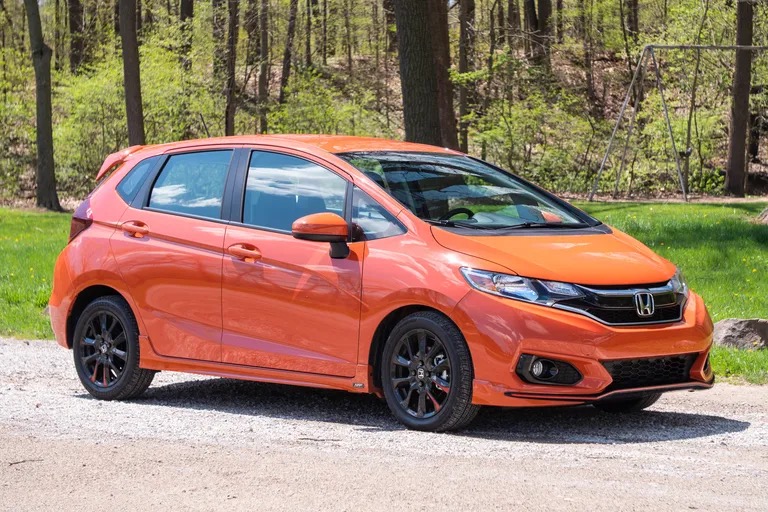
Comparing years reveals steady progress:
| Year | Engine | Fuel Economy | Key Upgrades | Price (Used USD) |
|---|---|---|---|---|
| 2002 | 1.3L/1.5L (85-108 hp) | 17-20 km/L | Magic Seat intro, 4WD option | 1,400-1,560 |
| 2004 | 1.5L | 18-20 km/L | Better visibility, efficiency | 1,310-5,220 |
| 2010 | 1.3L/1.5L | 4.7-6.3L/100km | Airbags, alloys, split seats | 1,130-1,830 |
| 2012 | 1.5L (117 hp) | 29 MPG combined | Styling refresh, Bluetooth, insulation | 1,180-9,270 |
2002-2006 models feel basic and lightweight, prone to noise. 2007-2012 gained stiffer chassis and refined powertrains. 2012's facelift added sportier aesthetics and tech, marking the gen's peak.
Power outputs climbed modestly, but efficiency improved via better gearing. Safety evolved from dual airbags to full suites. Cargo versatility stayed consistent, outshining competitors throughout.
Honda Fit 2002-2012 earned top marks from NHTSA and IIHS. 2010-2012 models scored 5-star overall in crash tests, thanks to standard airbags and stability control post-2009. Side-impact protection excels due to reinforced pillars.
Reliability insights from owner reports:
- Engine/Transmission: Lasts 200,000+ miles with routine oil changes
- Common Issues: AC compressor (2002-2006), sluggish auto shifts
- J.D. Power Scores: Above-average for subcompacts; 4/5 dependability
Maintenance costs average $400-600 annually, lower than rivals. Rust resistance is strong, but underbody checks matter in salted regions. Brakes last 50,000 miles; tires 40,000. Owners rate it 4.7/5 on forums for longevity.
Honda Fit outperformed peers in versatility but trailed hybrids in MPG. Real-world data confirms its edge in mixed driving.
| Model (2010-2012) | Combined MPG | Cargo Space (cu ft) | Base Price (Used USD) |
|---|---|---|---|
| Honda Fit | 29 | 57.3 | 1,130-9,270 |
| Toyota Yaris | 30 | 25.7 | 1,200-8,000 |
| Ford Fiesta | 28 | 47 | 1,000-7,500 |
| Honda Fit Hybrid (post-2010) | 40+ | 57.3 | 2,000-12,000 |
Fit's Magic Seat beats Fiesta/Yaris in utility. Real-world MPG drops to 25-27 city with aggressive driving. Highway cruising yields 32-35 MPG at steady speeds. Premium fuel isn't required, keeping costs down.
Purchasing a used Honda Fit 2002-2012 requires diligence. Follow this 5-step checklist:
1. Inspect Service History: Verify timing chain (no belt), oil changes every 5,000 miles
2. Road Test: Check for sluggish acceleration (auto models), suspension noise
3. Scan for Codes: OBD-II for AC, ABS issues common in 2002-2006
4. Rust Check: Underside, wheel wells (salt-road regions)
5. Budget Extras: $500-1,000 tires/brakes; prioritize <100k miles
Pro Tip: CARFAX reveals accidents; aim for one-owner examples. Test in varied conditions: city stops, highway merges. Budget $1,000 for immediate refreshes like fluids and belts. Certified pre-owned adds peace of mind.
Standard Honda Fit uses gas-only 1.3L-1.5L engines; affordable and reliable. Fit Hybrid (2010+) adds electric motor for lower emissions and higher MPG. Hybrids cost more upfront but save on fuel long-term.
Choose Standard for budgets under $5,000; Hybrid for eco-focus. Battery life exceeds 150,000 miles; replacements run $2,000. Standard models edge in simplicity, fewer electronics to fail.
- Road Noise: Add insulation (DIY $100)
- Acceleration Lag: Manual preferred; auto reprogram ($200)
- AC Failures: Compressor replacement ($800)
Longevity reaches 250,000 miles with proper care. Valve adjustments every 100k miles prevent issues. DIY oil changes save hundreds yearly.
For high-quality used vehicles including reliable imports like the Honda Fit, contact KeyChain—China's leading commercial vehicle supplier. Visit keychainauto.com, email abbie@keychainventure.com, or call +8613572980919. Get global shipping for buses, trucks, and passenger cars today!
Contact us to get more information!
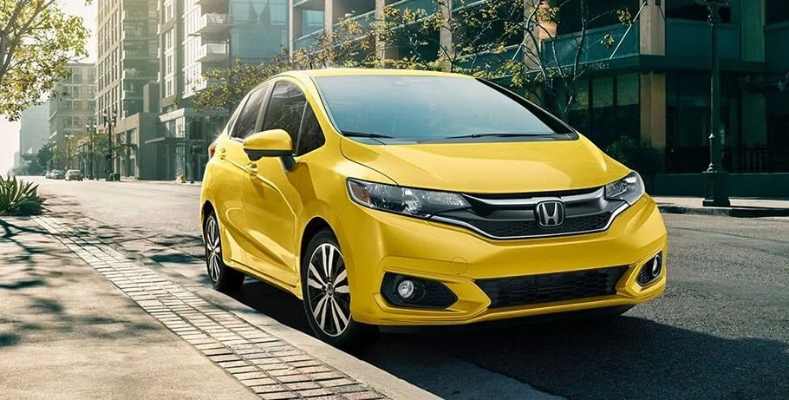
2012 offers the most upgrades: styling, Bluetooth, insulation. Avoid early 2002 for noise issues. It balances modernity and affordability best.
Excellent; engines last 200k+ miles. J.D. Power 4/5; low $400/year maintenance. Proper care ensures decades of service.
Fit wins on cargo (Magic Seat); Aqua (Prius C) on MPG (40+). Fit cheaper used, ideal for versatility seekers.
25-30 MPG combined; 27/33 EPA. City drops with traffic, but highway shines at 32+ MPG.
Yes; 5-star NHTSA (2010+). Airbags, stability control standard post-2009. Strong crash protection for class.
1. https://blog.beforward.jp/car-review/honda-fit-2002-2012-model-differences-improvements.html
2. https://www.cars.com/articles/2012-honda-fit-ch-ch-changes-1420669041196/
3. https://www.edmunds.com/honda/fit/2012/review/
4. https://carbuzz.com/cars/honda/fit/generations/
5. https://en.wikipedia.org/wiki/Honda_Fit
6. https://www.keychainauto.com


