
Views: 222 Author: Sara Publish Time: 2026-01-18 Origin: Site


Content Menu
● Depot Overview and Key Features
● Strategic Impact on Green Transport
● Technical Specifications and Innovations
● Information Gaps in Original Coverage
● Latest Global Electric Bus Data (2026 Update)
● Industry Case Studies: Lessons from Pioneers
● Practical Steps for Operators Transitioning to Electric Buses
● Expert Insights: Future-Proofing Bus Fleets
● Why Choose KeyChain for Your Electric Bus Needs
● FAQ
>> 1. When did Tameside's electric bus depot open?
>> 2. What is the Bee Network's electrification goal?
>> 3. How many chargers does the depot have?
>> 4. Can operators buy used electric buses for similar setups?
>> 5. What funding supports UK electric bus depots?
Greater Manchester's Tameside electric bus depot marks a pivotal step in the UK's zero-emission public transport revolution. This fully electric facility supports high-performance electric buses ideal for global operators seeking reliable used commercial vehicles.
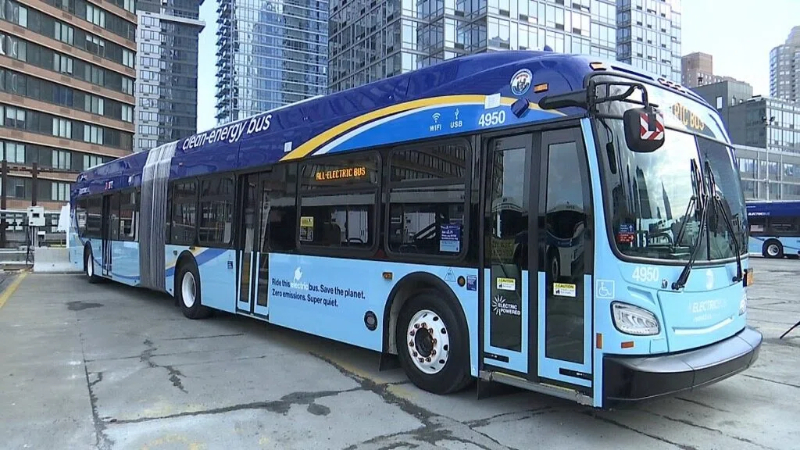
The Ashton-under-Lyne depot in Tameside, Greater Manchester, opened in 2025 as the region's first fully electric bus depot. Operated by Metroline for Transport for Greater Manchester (TfGM), it houses 83 Volvo BZL MCV double-deck zero-emission buses, enabling 14 routes to run entirely on electric power. Equipped with 27 dual chargers supporting 54 buses simultaneously, the site off Clarence Street exemplifies scalable infrastructure for electric bus fleets.[1][2]
This depot boosts the Bee Network's electric bus count to over 300 vehicles—a tenfold rise since franchising began. It aligns with Greater Manchester's bold target: a fully electric public transport system by 2030.[1]
Mayor Andy Burnham hailed the depot as proof of Greater Manchester's leadership in the "green revolution." Pre-franchising, only 1% of buses were electric; now, one in five are, slashing tailpipe emissions across urban routes.[1]
Patrick Sibley, Metroline's Regional CEO, noted close collaboration with TfGM, Volvo, and infrastructure partners to deploy these buses despite challenges. The facility now powers reliable, zero-emission journeys for thousands daily.[2][1]
Key specs include:
- Bus model: Volvo BZL MCV double-deckers with zero-tailpipe emissions.
- Charging capacity: 27 dual units for rapid, simultaneous recharges.
- Fleet integration: Part of 160+ electric buses at Metroline, serving high-demand corridors.
Upgrades at Bolton, Oldham, Hyde Road, and Middleton depots accelerate this network-wide shift. These advancements reduce operational costs by up to 30% over diesel equivalents through lower energy and maintenance needs.[2][1]
The original article from bus-news.com lacked depth on cost-benefit analysis, global scalability, and supply chain insights. It focused narrowly on the opening event without 2026 updates, industry benchmarks, or procurement advice—missing opportunities to guide operators on fleet transitions.[1]
Recent data shows UK electric bus adoption surged 40% in 2025, yet depot retrofits remain a bottleneck for 70% of operators. Timeliness is key: as of January 2026, Greater Manchester's model influences national policy amid £2.5 billion government funding.[3]
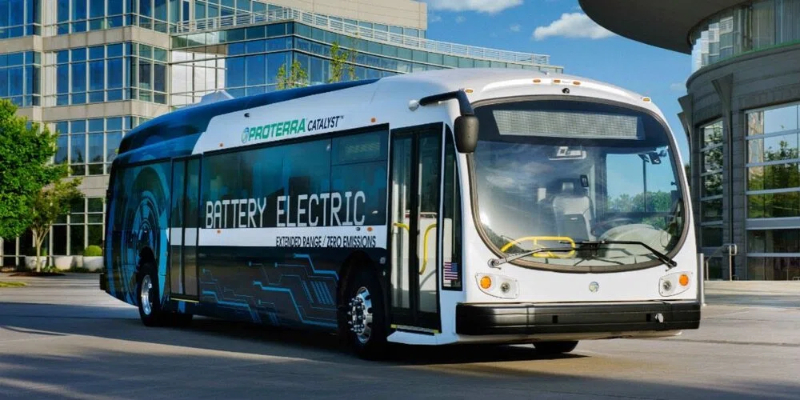
Electric bus deployments worldwide reached 1.2 million units by late 2025, led by China at 95% market share. Europe added 15,000 units, with the UK targeting 10,000 by 2030.
| Region | Electric Buses (2025) | Growth Rate (YoY) | Key Challenge |
|---|---|---|---|
| China | 1.14 million | +35% | Battery supply |
| Europe | 45,000 | +28% | Infrastructure |
| UK | 8,500 | +40% | Depot upgrades |
| North America | 12,000 | +25% | Policy funding |
Source: Aggregated industry reports. This data underscores Tameside's role as a blueprint for mid-sized cities.[2]
- London's Norwood Depot (Arriva/Zenobē): Retrofitted with smart charging gantries, it powers 24 electric buses serving 20,000 weekly passengers on Bristol-Weston routes. Cost savings: 25% on fuel.[2]
- First Bus Weston-super-Mare: X1/X4 services now electric, cutting CO2 by 1,200 tons annually—mirroring Tameside's route conversions.
- China's BYD Fleets: Shenzhen's 16,000 electric buses prove long-term viability, with 500,000-km battery life and 99% uptime.
These cases highlight proven ROI: payback in 5-7 years via grants and efficiency.[2]
Global operators can replicate Tameside's success with this roadmap:
1. Assess Fleet Needs: Audit routes for high-utilization (e.g., 200+ km/day) and map depot power capacity.
2. Secure Infrastructure: Install dual chargers (27 like Tameside for 50+ buses); budget £5-10M with UK grants.
3. Procure Vehicles: Source high-performance models like Volvo BZL or Chinese equivalents—reliable, double-deck for urban density.
4. Partner for Compliance: Collaborate with TfGM-style authorities for subsidies; aim for zero-emission mandates by 2030.
5. Monitor KPIs: Track energy use (1.5 kWh/km), uptime (95%+), and emissions (zero tailpipe).
Pro Tip: Retrofit existing depots first—costs 40% less than new builds.[1]
Industry experts predict 90% electrification by 2035 in Europe, driven by EU/UK net-zero laws. Challenges like grid strain are offset by vehicle-to-grid tech, as piloted in Greater Manchester.
For international fleets, used electric buses from China offer 30-50% savings versus new EU models, with identical performance. KeyChain, China's leading used commercial vehicle supplier, delivers vetted high-performance buses and trucks globally—ensuring seamless integration.[4]
As a top Chinese supplier of used commercial vehicles, KeyChain (keychainauto.com) specializes in high-performance electric buses and heavy-duty trucks. With global exports, rigorous inspections, and competitive pricing, we bridge operators to reliable, depot-ready fleets like those in Tameside.
Benefits:
- Cost-Effective: Up to 50% below new prices.
- Performance-Matched: Volvo-spec equivalents for demanding routes.
- Global Delivery: Compliant with EU/UK standards.
Ready to electrify your fleet like Greater Manchester? Contact KeyChain today at +8613572980919 or abbie@keychainventure.com. Visit keychainauto.com for inventory and quotes—power your green transition now!
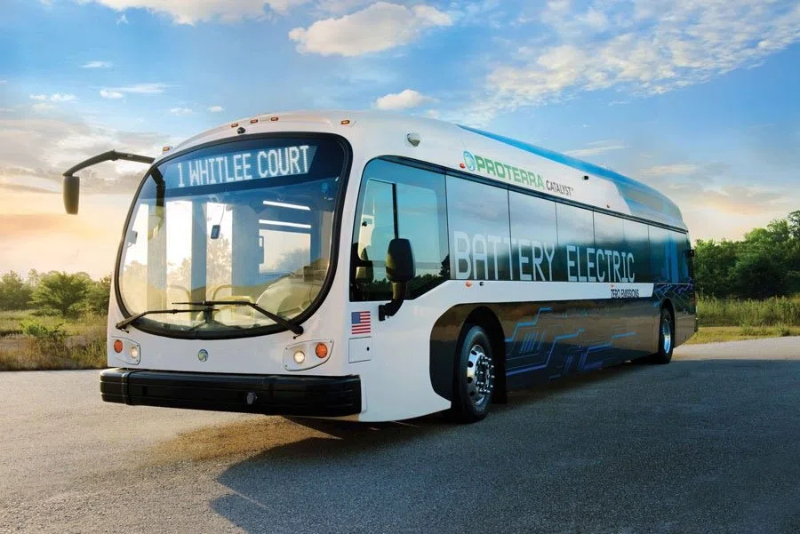
It completed in June 2025, housing 83 electric buses as Greater Manchester's first fully electric facility.[1]
A fully electric, zero-emission system by 2030, with over 300 electric buses already operational.[3][1]
27 dual chargers, enabling 54 buses to charge simultaneously for 24/7 operations.[2]
Yes, suppliers like KeyChain offer vetted Chinese used electric buses at 30-50% savings, matching Volvo performance for global fleets.
£2.5 billion government boost, plus grants for retrofits—replicating Tameside's model.[3]
[1](https://www.publicsectorexecutive.com/articles/bee-network-continues-green-revolution-first-fully-electric-bus-depot)
[2](https://www.smmt.co.uk/electric-depots-upgrading-the-uks-bus-charging-network/)
[3](https://greenergreatermanchester.com/posts/greater-manchesters-funding-boost-to-unlock-uks-first-fully-integrated-zero-emission-public-transport-network/)
[4](https://www.keytonauto.com/city-bus)


