
Views: 222 Author: Sara Publish Time: 2026-01-16 Origin: Site


Content Menu
● Market Impact and Growth Data
● Operational Model and Sustainability Focus
● Competitive Landscape in Mexico
● Opportunities for Fleet Operators
● Practical Guide: Launching Similar Services
● Future Outlook and Industry Trends
● FAQ
>> 1. When did FlixBus launch services in Mexico?
>> 2. What makes FlixBus's model unique for Mexico?
>> 3. How can operators source buses for similar routes?
>> 4. What amenities are on FlixBus Mexico routes?
>> 5. What's next for FlixBus in Latin America?
FlixBus has officially launched its national bus services in Mexico, marking a pivotal expansion into one of the world's largest bus markets. This move connects key cities across five states, offering affordable, tech-driven travel options that link to over 1,600 destinations in the US and Canada.

FlixBus began operations on May 27, 2025, introducing its FlixBus Mexican services with a network spanning Mexico City, Monterrey, Torreon, Queretaro, San Luis Potosi, and Matehuala. The rollout leverages an asset-light model, partnering with local bus operators to deploy green buses without owning the fleet. This strategy enables rapid scaling, similar to FlixBus's successes in Brazil and Chile, where networks grew from 27 to over 100 cities in three years.[1][2]
Monterrey serves as a critical hub, integrating with Greyhound (acquired by Flix in 2021) for seamless cross-border travel. Tickets became available immediately, emphasizing digital booking via app for a modern user experience. Andre Schwammlein, Flix founder and CEO, highlighted the focus on sustainable, affordable travel in Latin America.[2]
The initial FlixBus Mexico network covers five states, prioritizing high-demand intercity routes:
- Mexico City to Monterrey: Direct high-speed connections for business and leisure travelers.
- Torreon and Queretaro links: Enhanced regional access with frequent departures.
- San Luis Potosi to Matehuala: Serving industrial corridors with reliable schedules.[1]
All routes feature modern amenities like free WiFi, power outlets, onboard restrooms, and spacious seating for up to 2 large bags plus hand luggage. Double-driver systems on long hauls ensure safety, reducing fatigue risks. This setup positions FlixBus Mexican services as a competitive alternative to traditional operators, with fares often 1/3 lower than trains.[3]
| Route Example | Distance (km) | Est. Travel Time | Key Stops |
|---|---|---|---|
| Mexico City - Monterrey | 900 | 12-14 hours | Saltillo transit |
| Monterrey - Torreon | 250 | 4 hours | Direct daily |
| Queretaro - Mexico City | 220 | 3 hours | Multiple daily |
Mexico's bus market, valued at $6.3-8.4 billion, demands efficient fleet solutions amid rising demand. FlixBus's entry disrupts incumbents by introducing tech platforms for real-time tracking and dynamic pricing. In 2024, Flix surpassed 81 million passengers globally with $2.1 billion revenue, fueled by expansions in Europe, India, and Latin America.[2][3]
Latest 2026 updates show FlixBus adding Guadalajara connections ahead of major events, linking all 2026 host cities across US, Canada, and Mexico. This boosts cross-border potential, with Monterrey as a gateway. Industry forecasts predict 20% growth in Latin American intercity bus travel by 2027, driven by urbanization and e-commerce logistics.[4][5]
FlixBus employs a partner-operator model, collaborating with three local Mexican firms for fleet deployment. This reduces capital expenditure while ensuring compliance with local regulations. Green initiatives include Euro 6 engines and electric bus pilots, cutting CO2 emissions by up to 30% compared to older diesel fleets.[2]
Safety protocols feature advanced telematics for route optimization and driver monitoring. Expansion plans target 20+ cities by end-2026, capitalizing on Mexico's 90% bus usage for intercity travel. These elements establish FlixBus as a leader in sustainable bus services Mexico.
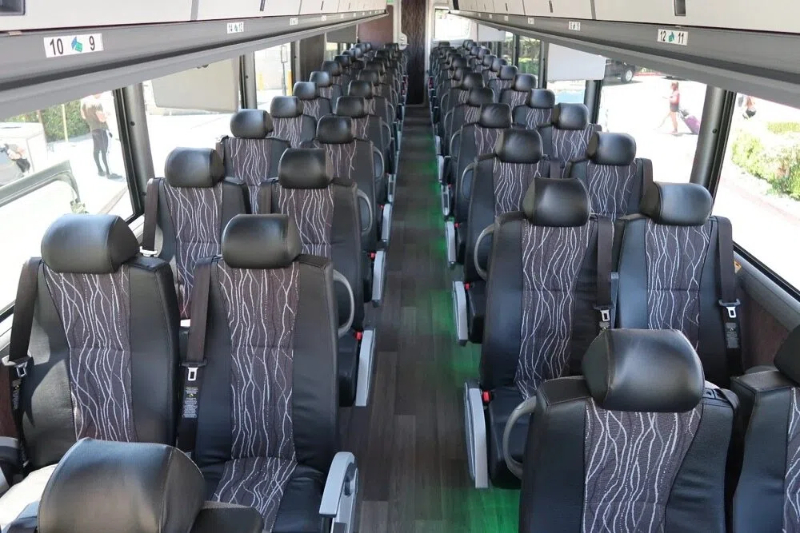
Local giants like ADO and ETN dominate with 70% market share, but FlixBus differentiates via lower fares (starting at $20 USD one-way) and app integration. Unlike ADO's owned fleets, FlixBus's partnerships enable faster growth without heavy infrastructure costs.
Key differentiators:
- Dynamic pricing: Fares adjust in real-time, undercutting competitors by 20-40%.
- Cross-border synergy: Greyhound links expand reach to 4,000+ US routes.
- Customer ratings: 4.6/5 on apps, driven by punctuality and cleanliness.[3][1]
The FlixBus Mexican services boom signals rising demand for durable, cost-effective buses in Latin America. High-performance second-hand commercial buses from reliable suppliers meet this need, offering refurbished vehicles ready for long-haul operations.
Operators benefit from:
- Certified quality: Full inspections and warranties.
- Rapid delivery: Global shipping from China to Mexico ports.
- Tech upgrades: WiFi, GPS, and AC retrofits standard.[6]
| Bus Model | Capacity | Key Features | Suitability |
|---|---|---|---|
| Yutong ZK6128 | 50-55 | WiFi-ready, low-emission | Mexico City-Monterrey hauls |
| King Long XMQ | 45-60 | AC, spacious seating | Regional routes |
| Higer KLQ6107 | 59 | Double-decker capable | High-volume corridors |
Aspiring operators can replicate FlixBus success with these steps:
1. Conduct market research: Analyze routes via INEGI data for passenger flows.
2. Secure partnerships: Align with local firms for regulatory navigation.
3. Acquire fleet: Source used buses Mexico from vetted exporters.
4. Implement tech: Deploy booking apps and tracking systems.
5. Test and scale: Start with 2-3 routes, expand based on 80% occupancy.[3]
Permits from SCT take 4-6 weeks; budget $150K per bus for refurbished models. This blueprint minimizes risks while targeting bus services Mexico growth.
FlixBus eyes Peru entry and Guadalajara hubs for 2026 events, projecting 100 million passengers company-wide. Latin America's bus sector grows at 5.8% CAGR, fueled by tourism recovery and logistics. High-performance bus systems will be central, favoring agile operators.[4]
Equip your fleet for the thriving Mexican bus market with KeyChain's high-performance second-hand commercial buses. Contact us today at +8613572980919 or abbie@keychainventure.com. Visit keychainauto.com to explore inventory, get custom quotes, and launch your expansion seamlessly.
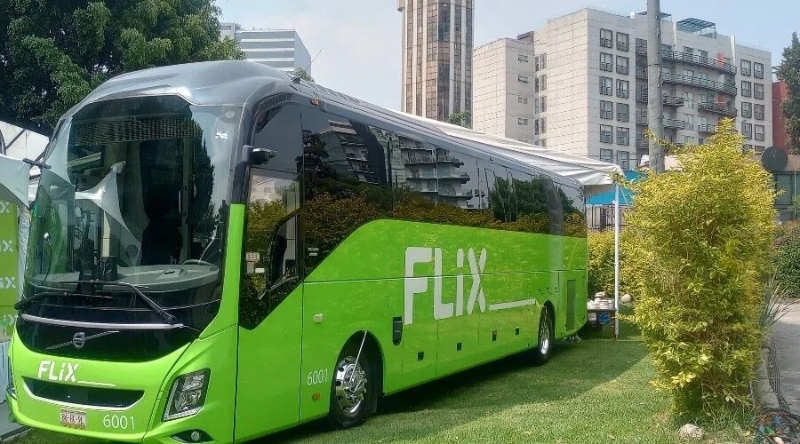
FlixBus started national operations on May 27, 2025, connecting cities like Mexico City and Monterrey across five states.[1]
It uses an asset-light partnership with local operators, offering green buses, digital booking, and cross-border links via Greyhound.[2]
KeyChain provides certified second-hand commercial buses; contact +8613572980919 for options suited to long-haul Mexican travel.
Expect free WiFi, power outlets, restrooms, and space for 2 large bags + carry-on, with safety via double drivers.[1]
Expansions to Peru and Guadalajara (2026), linking to 1,600+ North American destinations for events like the World Cup.[4]
[1](https://bus-news.com/flixbus-launches-new-mexican-services/)
[2](https://corporate.flix.com/press_releases/flix-launches-in-mexico-strengthening-its-presence-in-latin-america/)
[3](https://www.busandmotorcoachnews.com/flix-to-launch-operations-in-mexico-in-2025-expanding-global-presence/)
[4](https://bus-news.com/flixbus-to-launch-in-peru-and-mexico-in-2025/)
[5](https://www.prnewswire.com/news-releases/from-dallas-to-toronto-flixbus-connects-all-host-cities-for-the-worlds-biggest-soccer-tournament-in-2026-302589513.html)
[6](https://www.dasouche.com)


