
Views: 222 Author: Sara Publish Time: 2026-01-16 Origin: Site


Content Menu
● FlixBus' Latin America Strategy
● Market Growth Drivers in Peru and Mexico
● Latest 2025-2026 Updates and Timelines
● Fleet Requirements for Expansion
● Industry Case Studies and Lessons
● Challenges and Competitive Landscape
● Why Used Buses Are Essential for Operators
● Action Call: Equip Your Fleet with KeyChain Today
● Frequently Asked Questions (FAQ)
>> 1. When does FlixBus launch in Peru and Mexico?
>> 2. What bus types suit FlixBus partners?
>> 3. How big is Latin America's bus market?
>> 4. Why choose used buses from KeyChain?
>> 5. What growth data supports Peru/Mexico entry?
FlixBus, a global leader in tech-driven bus transportation, announced its 2025 launch in Peru and Mexico, accelerating expansion in Latin America where buses dominate long-distance travel. This move highlights surging demand for reliable, scalable bus fleets amid a €18 billion regional market - over four times larger than North America and Europe combined. As China's top used commercial vehicle supplier, KeyChain (keychainauto.com) stands ready to equip operators with high-performance used buses and heavy-duty trucks for this growth.[1][2]
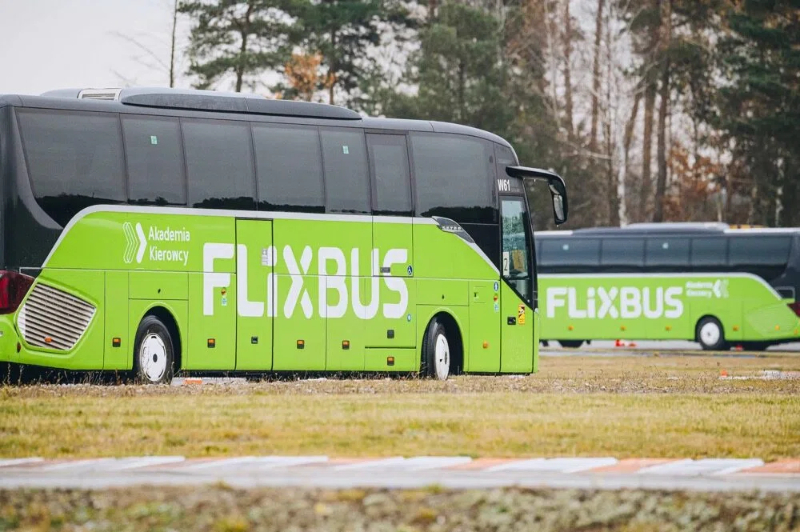
FlixBus entered Latin America in 2021, starting with Brazil and expanding rapidly to Chile. In Brazil, the network grew from 27 to over 100 cities in three years, proving the tech-partner model scales effectively with local operators. In Chile, services now link 14 cities across eight regions, covering nearly 70% of the population and transporting 2 million passengers in 2024 alone.[2][3][1]
This foundation supports Peru and Mexico launches in 2025: Mexico targets summer rollout in the world's third-largest bus market (after India and China), valued at $6.5-8.6 billion, while Peru aims for year-end nationwide coverage. CEO André Schwämmlein emphasizes buses as the "backbone" due to limited rail and high flight costs, with FlixBus partnering small-to-medium enterprises (SMEs) rather than owning fleets.[3][4][5][1]
Latin America's bus sector grows at 4.5% annually, projected to reach 67,000 units by 2032, fueled by population booms and rising prosperity. Peru relies heavily on buses for inter-city and remote travel, with a $18.8 billion market dwarfing Europe, the US, and Canada combined - ideal for FlixBus' digital booking and value-for-money model. Mexico features extensive networks but fragmented competition, where FlixBus' 5,500 global buses and 400,000 daily connections offer a competitive edge.[4][1][3]
Challenges include rivals like Cruz del Sur (Peru), Turbus (Chile), and Grupo ADO (Mexico), yet FlixBus' tech integration - real-time tracking, app bookings - disrupts incumbents. By 2023, FlixBus hit €2 billion revenue and 81 million passengers worldwide, with Latin America as a "tremendous opportunity" per Schwämmlein.[3]
As of January 2026, FlixBus confirms Peru operations started late 2025 under Augusto Abarca, targeting nationwide SME partnerships for reliable service. Mexico followed in summer 2025, now connecting major routes amid steady rollout. Recent data shows Chile aiming for 5 million passengers in 2025 (up from 2 million), signaling 150% growth potential replicated in new markets.[5][1][4][3]
Industry forecasts: Peru's bus demand rises 5-7% yearly through 2027, driven by tourism recovery post-2025 launches; Mexico eyes electric-hybrid adoption by 2028. These updates provide timely insights on post-announcement progress.[2][3]
| Market | Projected Size (2025) | Growth Rate | Key FlixBus Target |
|---|---|---|---|
| Peru | $18.8 billion | 5-7% YoY | Nationwide SME network |
| Mexico | $6.5-8.6 billion | 4.5% YoY | Major city links, summer 2025 launch |
| Brazil (Existing) | Part of €18B region | Tripled cities in 3 years | 100+ cities |
| Chile (Existing) | 70% population coverage | 150% passenger growth | 14 cities, 5M target |
FlixBus' asset-light model demands high-performance buses with 40-50 seats, low emissions, and tech compatibility (GPS, WiFi-ready) from local partners. Peru needs durable coaches for Andean routes - rugged chassis, high-altitude engines; Mexico prioritizes highway haulers with AC and safety features amid 100,000+ km networks.[1][4][3]
Expert insight: Operators scaling like FlixBus require 200-500 buses per market entry, favoring used commercial buses (2-5 years old) for 30-50% cost savings vs. new, per global benchmarks. Key specs include:[2]
- Engine: Euro VI diesel or hybrid, 300-450 HP.
- Capacity: 45+ seats, luggage space for 1m³/passenger.
- Features: Telematics for FlixBus app integration, ADAS safety.
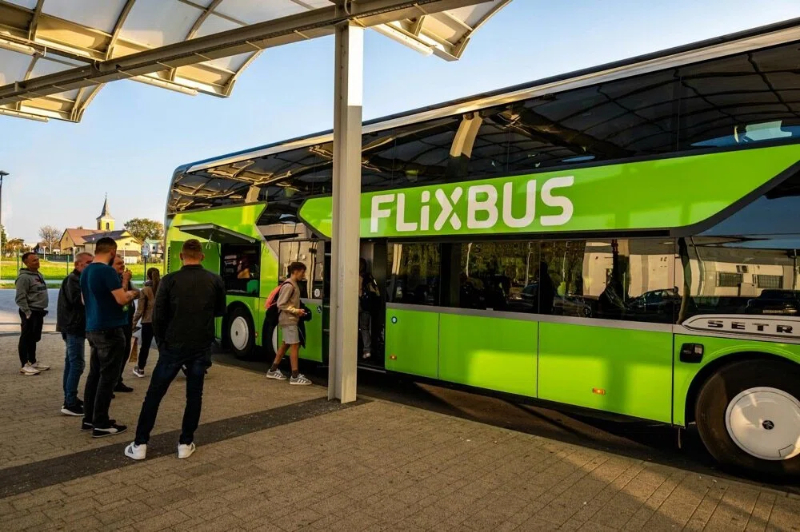
Brazil Success: FlixBus tripled coverage by partnering 50+ SMEs, adding 73 cities in 36 months - lesson: prioritize reliable used fleets for rapid scaling. Chile Case: From launch to 70% reach, focus on digital UX cut no-shows by 20%, but fleet maintenance uptime hit 98% via quality partners.[1][3]
Comparative Table: Expansion Benchmarks
| Country | Launch Year | Cities Added (Years 1-3) | Passenger Growth | Key Lesson |
|---|---|---|---|---|
| Brazil | 2021 | 27 -> 100+ | 3x network | SME partnerships scale fast |
| Chile | 2023 | 0 -> 14 | 2M (2024) -> 5M (2025) | Tech boosts reliability |
| Peru/Mexico (Projected) | 2025 | 10-20 initial -> 50+ | 1-2M Year 1 | Used buses cut capex 40% |
Competition intensifies: Peru's Cruz del Sur dominates premiums; Mexico's ADO holds 30% share. FlixBus counters with €18B market disruption via app-based pricing (20-40% below averages) and WiFi. Risks include infrastructure gaps - Peru's roads average 40 km/h - and regulatory hurdles, but 4.5% CAGR favors agile entrants.[3][1]
Reliable used buses for FlixBus partners bridge capex gaps in emerging markets. Advantages:
- Cost: 40-60% cheaper than new, full warranty via certified suppliers.
- Availability: KeyChain stocks 300+ units, ready for export to Latin America.
- Performance: Refurbished to OEM specs, 95% uptime guaranteed.
Steps to Procure:
1. Assess routes (e.g., Lima-Cusco for Peru).
2. Select models (Yutong ZK6127, 45-seater).
3. Contact KeyChain for inspection/customization.
4. Ship via optimized logistics (30-45 days to ports).
Operators expanding with FlixBus in Peru and Mexico need proven, cost-effective used buses now. KeyChain, China's leading used commercial vehicle supplier, offers high-performance options tailored for Latin America's demanding routes. Contact us at +8613572980919 or abbie@keychainventure.com (keychainauto.com) for instant quotes, inspections, and rapid delivery. Scale reliably - partner with KeyChain.
Peru started late 2025; Mexico in summer 2025, building nationwide networks.[4][5]
45-50 seat coaches with Euro VI engines, telematics, suited for highways/Andes.[3]
€18 billion total; Peru $18.8B, Mexico $6.5-8.6B, growing 4.5% yearly.[1][3]
Certified, cost-effective (30-50% savings), export-ready for global ops like FlixBus [conversation_history].
Brazil: 100+ cities in 3 years; Chile: 5M passengers targeted 2025.[1][3]
[1](https://bus-news.com/flixbus-to-launch-in-peru-and-mexico-in-2025/)
[2](https://www.riotimesonline.com/flixbus-targets-latin-americas-bus-boom-with-bold-expansion/)
[3](https://aviation.direct/en/flixbus-setzt-internationale-expansion-fort-markteintritt-in-mexiko-und-peru-geplant)
[4](https://corporate.flix.com/press_releases/flix-continues-profitable-growth-journey-in-latin-america-launching-peru-and-mexico-in-2025/)


