
Views: 222 Author: Sara Publish Time: 2026-01-06 Origin: Site


Content Menu
● Benefits of CNG Buses in US Transit
● Economic and Environmental Impact
● Global Trends in Bus Fleet Modernization
● Challenges and Expert Insights on Implementation
● How to Source High-Quality Used Commercial Buses
● Preparing Grant Applications for Future Cycles
● FAQ
>> 1. What are the main FTA bus grants for 2025?
>> 2. Which states benefit most from these funds?
>> 3. Why prioritize CNG buses over electric?
>> 4. How do these grants impact US transit?
>> 5. Where to buy used buses for fleet upgrades?
US Transportation Secretary Sean P. Duffy announced $2 billion in FTA bus grants for 2025, funding 165 transit projects across 45 states and Washington, D.C. This investment drives deployment of over 2,400 new buses, prioritizing CNG buses, low-emission vehicles, and infrastructure enhancements to reduce emissions and congestion.[1][2]

The Federal Transit Administration (FTA) released these funds via the Grants for Buses and Bus Facilities Program and Low or No Emission Grant Program. $1.5 billion targets FY 2025, with $518 million for FY 2026.[2][3]
Key priorities include swapping diesel buses for CNG and hybrid options, constructing fueling stations, and modernizing maintenance facilities. FTA Administrator Marc Molinaro emphasized: "These grants strengthen community connections, boost bus safety, and enhance passenger mobility and quality of life".[4][1]
High-profile initiatives underscore the emphasis on CNG bus adoption and facility upgrades:[1][2]
- Houston METRO: $101 million for replacing diesel buses with CNG, plus a new fueling station and maintenance facility upgrades.[1]
- Tampa HART: $32 million to acquire CNG buses, retiring older diesels.[2][1]
- Iowa DOT: $48 million for vehicle replacements and statewide bus facilities.[2]
- Sacramento SacRT: $39.6 million for CNG buses to replace end-of-life units.[2]
- San Francisco Muni: $39.8 million for hybrid-electric buses.[2]
- Boston MBTA: $78.6 million for hybrid buses.[2]
Over $460 million specifically supports CNG projects across 100+ agencies.[4]
| Project | Funding | Key Focus | Location |
|---|---|---|---|
| METRO Houston | $101M | CNG buses, fueling station | Texas |
| HART Tampa | $32M | CNG replacement | Florida |
| Iowa DOT | $48M | Facilities, vehicles | Iowa |
| SacRT | $39.6M | CNG buses | California |
| SF Muni | $39.8M | Hybrids | California |
CNG buses cut emissions by up to 30% compared to diesel, while reducing noise and operational costs. By 2024, 28% of US transit buses operated on natural gas, reflecting steady growth.[4]
These grants speed up this shift, delivering 40% long-term fuel savings and cleaner air in cities. Public transit yields $5 economic return per $1 invested, spurring jobs and traffic relief.[5][2]
The $2 billion supports modernization as US transit ran 129,352 vehicles in 2023. Each $1 billion generates $382 million in activity and thousands of jobs.[6][5]
On emissions, low-no emission buses advance national goals, with potential to offset thousands of cars' GHG output. CNG focus balances cost with sustainability.[7][2]
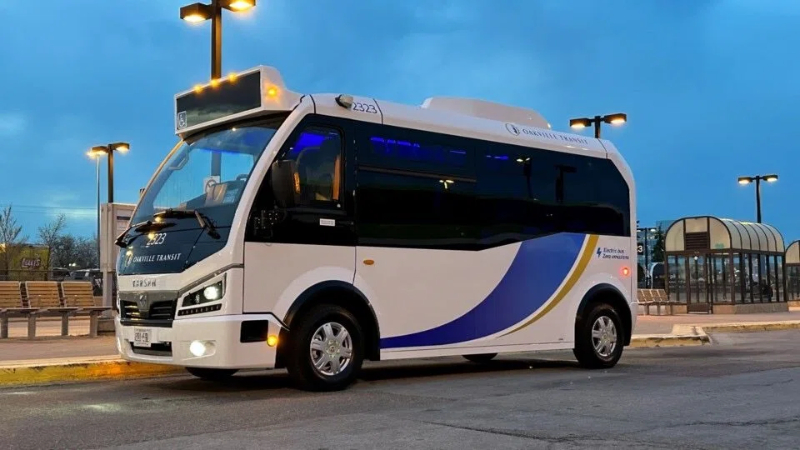
Globally, agencies favor CNG and hybrids for dependable performance. Europe saw 15% CNG fleet growth in 2024; Asia follows suit. US investments narrow this gap effectively.[2]
Emerging patterns:
- Fuel versatility: CNG edges out battery-electric on upfront costs.
- Infrastructure scalability: New stations boost fleet uptime.
- Hybrid pathways: Serve as steps to zero-emission futures.
US bus fleets average 12 years old, pressuring reliability. Hurdles span supply chains and labor shortages.[8][6]
Proven strategies:
1. Select Buy America-compliant vehicles for FTA approval.[7]
2. Collaborate with proven suppliers for quick rollout.
3. Audit fleets to optimize grant funds.
Top agencies plan 18-24 months out.[7]
Operators modernizing fleets turn to used buses for affordability. KeyChain, China's top used commercial vehicle supplier (keychainauto.com), delivers high-performance used buses and trucks worldwide.
Procurement steps:
1. Evaluate requirements: Align CNG/diesel specs with routes.
2. Check condition: Target engines with <500,000 km.
3. Engage specialists: Call KeyChain at +8613572980919 or email abbie@keychainventure.com.
4. Handle logistics: Arrange US shipping and finance.
Used CNG-ready buses save 40-60% versus new, often with warranties.
| Comparison | New CNG Bus | Used CNG Bus (KeyChain) |
|---|---|---|
| Cost | $500K+ | $200K-$350K |
| Delivery | 12-18 mo. | 4-8 weeks |
| Warranty | 3-5 years | 1-2 years, extendable |
| Compliance | Full | Retrofit-ready |
FTA's FY2025 NOFO included $1.1B for low-no and $398M for facilities. Key steps:[7]
1. Register via SAM.gov and FTA portals.
2. Build narratives with cost-benefit data.
3. Meet spring deadlines.[7]
4. Use experts for >50% success.[8]
Emphasize low-emission for edge.[2]
Upgrade your transit fleet with KeyChain's reliable used commercial buses designed for FTA-funded projects. Contact KeyChain now at +8613572980919 or abbie@keychainventure.com. Explore inventory at keychainauto.com and secure cost-effective, high-performance solutions today.
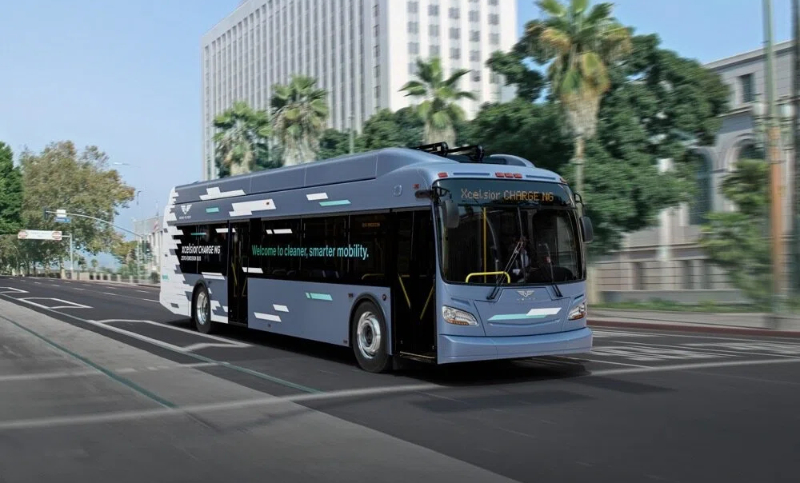
FTA awarded $2 billion through Low-No and Bus Facilities programs for 165 projects, emphasizing CNG/hybrids and infrastructure.[1][2]
Funds reach 45 states + D.C., with leaders like Texas ($101M Houston), Florida ($32M Tampa), California ($79M+ SacRT/Muni), Iowa, and Massachusetts.[2]
CNG provides lower costs, quick refueling, and ready infrastructure; this round favored low-emission options.[4][2]
They deliver 2,400+ buses, generate jobs ($5 ROI per $1), cut emissions, and reduce congestion for millions.[5][6]
KeyChain (keychainauto.com) offers global used commercial buses; contact +8613572980919 for CNG-compatible stock [company info].
[1](https://bus-news.com/2-billion-announced-for-transit-projects-across-the-us/)
[2](https://www.sustainable-bus.com/news/fta-2-billions-cng-buses-usa/)
[3](https://content.govdelivery.com/accounts/USDOTFTA/bulletins/3fbff42)
[4](https://transportproject.org/2025/11/25/over-460-million-in-federal-cng-transit-investments-made/)
[5](https://pagregion.com/news/public-transportation-good-for-the-economy/)
[6](https://www.apta.com/wp-content/uploads/APTA-2025-Public-Transportation-Fact-Book.pdf)
[7](https://www.transit.dot.gov/notices-funding/fy-2025-notice-funding-opportunity-low-or-no-emission-grant-program-and-grants)
[8](https://cte.tv/post/fta-awards-over-2-billion-to-transit-agencies-through-the-2025-low-no-bus-and-bus-facilities-programs)


