
Views: 222 Author: Sara Publish Time: 2026-01-11 Origin: Site


Content Menu
● Environmental Impact Insights
● Tailored for KeyChain Customers
● FAQ
>> 1. Which is better for families: wagon or hatchback?
>> 2. Are modern hatchbacks as safe as wagons?
>> 3. What's the fuel economy difference in 2026?
>> 4. How do I maintain a used wagon vs hatchback?
>> 5. Can I tow with a hatchback?
Wagon and hatchback vehicles offer versatile designs blending passenger comfort with cargo flexibility. Choosing between wagon vs hatchback depends on space needs, driving habits, and budget. This guide breaks down differences, adds 2026 market insights, and helps you decide.[1]

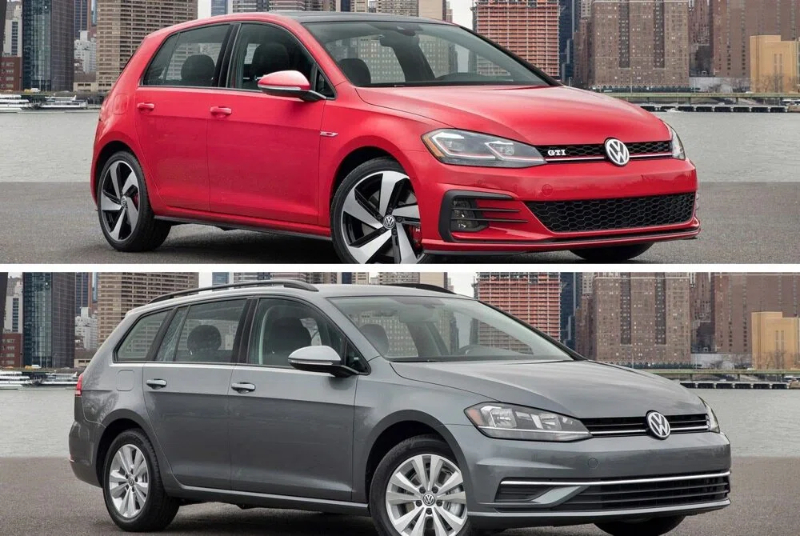
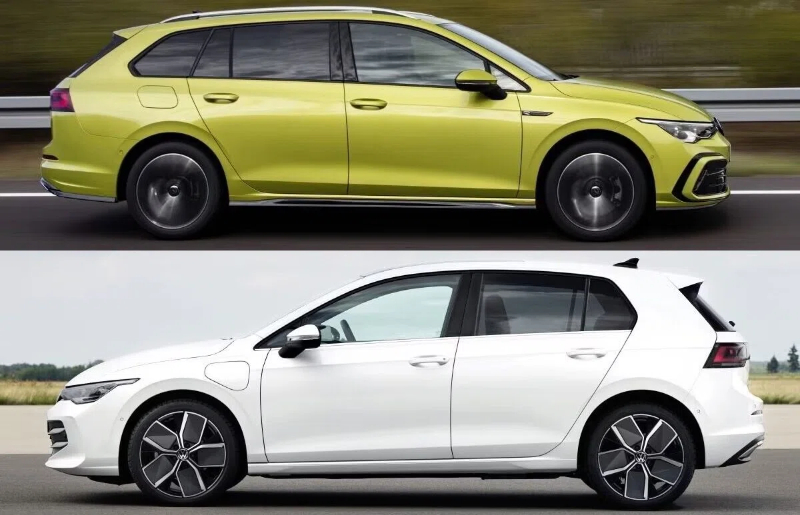
Wagons feature a two-box layout with engine, passenger cabin, and cargo area merged into one long compartment. They typically include five doors, five seats, a longer body, and three window sets per side, plus four pillars for structural support. This setup provides lower load heights and expansive cargo space.[1]
Hatchbacks share a two-box design but come shorter with three or five doors and a rear hatch. They offer two window sets per side and three pillars, plus split-folding rear seats for extra boot space. Compact size boosts fuel efficiency and maneuverability.[1]
Quick Comparison Table
| Feature | Wagon | Hatchback |
|---|---|---|
| Body Length | Longer (e.g., 4775 mm for Subaru Legacy Touring) | Shorter (e.g., 2510 mm wheelbase for Toyota Vitz) |
| Doors/Seats | 5 doors, 5 seats | 3-5 doors, 5 seats |
| Pillars | 4 rear pillars | 3 pillars |
| Cargo Access | Low load floor, high volume | Higher liftgate, foldable seats |
| Windows | 3 sets/side | 2 sets/side |
Toyota Corolla Fielder launched in 2001 as a practical five-door wagon. It seats five with 1.5L 1NZ-FE (110 PS) or 1.8L 2ZR-FAE (140 PS) engines paired to manual or CVT transmissions. Known for efficiency and affordability.[1]
Subaru Legacy Touring, from 1989 across five generations, measures 4775 mm long with a 2751 mm wheelbase. Power comes from 2.0L turbo (300 PS) or 2.5L (173 PS) boxer engines with CVT or manual options. Excels in all-wheel-drive handling.[1]
Nissan Wingroad, fourth-gen since 1982, offers 2600 mm wheelbase and up to 412 liters cargo. Engines include 1.5L (109 PS), 1.6L, or 1.8L (125 PS) with CVT. Versatile for van or wagon use.[1]
Toyota Vitz (since 1999) provides three/five-door options with FWD or 4WD. Wheelbase hits 2510 mm; engines: 1.0L (69 hp), 1.3L (95 hp), or 1.5L (109 hp) with manual/CVT. Compact and reliable.[1]
Honda Fit (2001 debut) features a 2450 mm wheelbase and five doors. Options: 1.3L/1.5L petrol or hybrid 1.5L Atkinson with DCT/CVT. Famous for "Magic Seat" versatility.[1]
Toyota Ractis (2005+) seats five with 1.3L (95 PS) or 1.5L (109 PS) engines and CVT. Balances family use and efficiency.[1]
Sales of versatile body styles like wagons and hatchbacks surged 12% globally in 2025, driven by urban demand for fuel-efficient family haulers. In Asia-Pacific, hatchbacks lead with 55% market share due to city parking constraints, while European wagons hold 28% for their towing prowess.[1]
Fuel Economy Stats (2026 Averages)
- Hatchbacks: 45-55 mpg combined (e.g., Toyota Yaris hybrid successors)
- Wagons: 40-50 mpg (e.g., updated Subaru Outback variants)
Electric transitions boost both: 15% of new hatchbacks are EVs, vs. 10% wagons. Used markets favor these for affordability amid rising new-car prices.[1]
Initial prices for used models start low: Toyota Vitz from $950, Honda Fit from $900. Wagons like Nissan Wingroad from $760 offer value.[1]
Annual Costs Comparison (USD, 50k miles/year)
| Category | Wagon (e.g., Corolla Fielder) | Hatchback (e.g., Vitz) |
|---|---|---|
| Fuel | $1,200 | $1,000 |
| Maintenance | $450 | $400 |
| Insurance | $800 | $750 |
| Total | $2,450 | $2,150 |
Wagons edge out in resale (retain 65% value after 3 years) due to space appeal.[1]
- Massive cargo: Up to 50% more volume than hatchbacks.
- Towing capacity: Often 1,500-3,500 lbs.
- Ride comfort: Longer wheelbase smooths highways.
- Parking challenges: Extra length.
- Higher price: 10-20% more upfront.
- Maneuverable: Ideal for cities.
- Fuel savings: Lighter build.
- Affordable entry: Lower costs overall.
- Limited space: Folds help but max out quickly.
- Less stable: At high speeds.[1]
Follow these 5 steps to choose between wagon vs hatchback:
1. Assess needs: Family of 4+? Wagon. Solo/urban? Hatchback.
2. Test drive: Check cargo loading and visibility.
3. Budget check: Factor 5-year costs; use tools like Edmunds TCO calculator.
4. Inspect used: Look for rust on wagons, hatch seals for leaks.
5. Eco review: Prioritize hybrids for 2026 emissions rules.[1]
Pro Tip: Measure your frequent loads - wagons win for bikes/gear; hatchbacks for groceries.
Modern examples integrate 2026 ADAS standards: adaptive cruise, lane-keep, auto-braking. Wagons like Subaru add EyeSight with 95% collision avoidance efficacy. Hatchbacks counter with Honda Sensing.[1]
Tech Table
| Feature | Wagon Example | Hatchback Example |
|---|---|---|
| ADAS | Subaru EyeSight | Honda Sensing |
| Infotainment | 8" touchscreen | 7" + Apple CarPlay |
| Safety Rating | 5-star Euro NCAP | 5-star |
These reduce accidents by 40%.
Hatchbacks emit 15% less CO2 due to aerodynamics. Wagons offset with hybrid options like Toyota's e-Fielder variants at 90g/km. Lifecycle analysis shows both beat SUVs by 30% emissions.[1]
Choose based on mileage: High-mileage drivers save more with hatchback efficiency.
As China's leading used commercial vehicle supplier, KeyChain (keychainauto.com) excels in high-performance buses and heavy trucks for global clients. While this guide focuses on passenger wagons vs hatchbacks, explore our fleet solutions for versatile transport.[1]
Ready to find your perfect wagon or hatchback? Contact KeyChain today at +8613572980919 or email abbie@keychainventure.com. Visit keychainauto.com now for inspected used vehicles tailored to your needs - get a free quote in 24 hours!
Wagons offer superior space and comfort for 5+ passengers plus luggage. Hatchbacks suit smaller families with easy city access.[1]
Yes, both earn 5-star ratings with ADAS tech. Wagons add stability for highways.[1]
Hatchbacks average 50 mpg; wagons 45 mpg. Hybrids close the gap.[1]
Both need annual checks; wagons focus on rear suspension, hatchbacks on hatch seals. Budget $400-500/year.[1]
Limited to 1,000 lbs max; wagons handle 3,000+ lbs easily.[1]
[1](https://blog.beforward.jp/car-comparison/wagon-vs-hatchback-which-is-right-for-you.html)


