
Views: 267 Author: Keychain Venture Publish Time: 2026-08-06 Origin: Site


Content Menu
● The Origins of the Transit Name
● The First Generation Transit
● The Second Generation Transit
● The Third Generation Transit
● The Fourth Generation Transit
● Why the Transit Became So Successful
>> 1. Strong cargo flexibility
● The Move Toward Electrification
● What the Transit Teaches Commercial Buyers
>> Comfort improves productivity
>> Technology should support work
● Lessons for Export-Oriented Vehicle Businesses
● The Transit as a Global Commercial Standard
● FAQ
>> 1. When was the Ford Transit first launched?
>> 2. What came before the modern Transit?
>> 3. What made the Transit so popular?
>> 4. How did the Transit change over time?
>> 5. Does the Transit have electric versions?
The Ford Transit van has been a defining vehicle in commercial transport for decades. Known for its practical design, strong flexibility, and wide range of body styles, it has served businesses, tradespeople, fleet operators, and passenger transport users across multiple markets.
From its early roots in post-war Europe to the modern global Transit range, the model has changed repeatedly to match the needs of professional drivers and business owners. Its story is not only about vehicle design, but also about how commercial transport has evolved in response to changing workloads, customer expectations, and operating conditions.
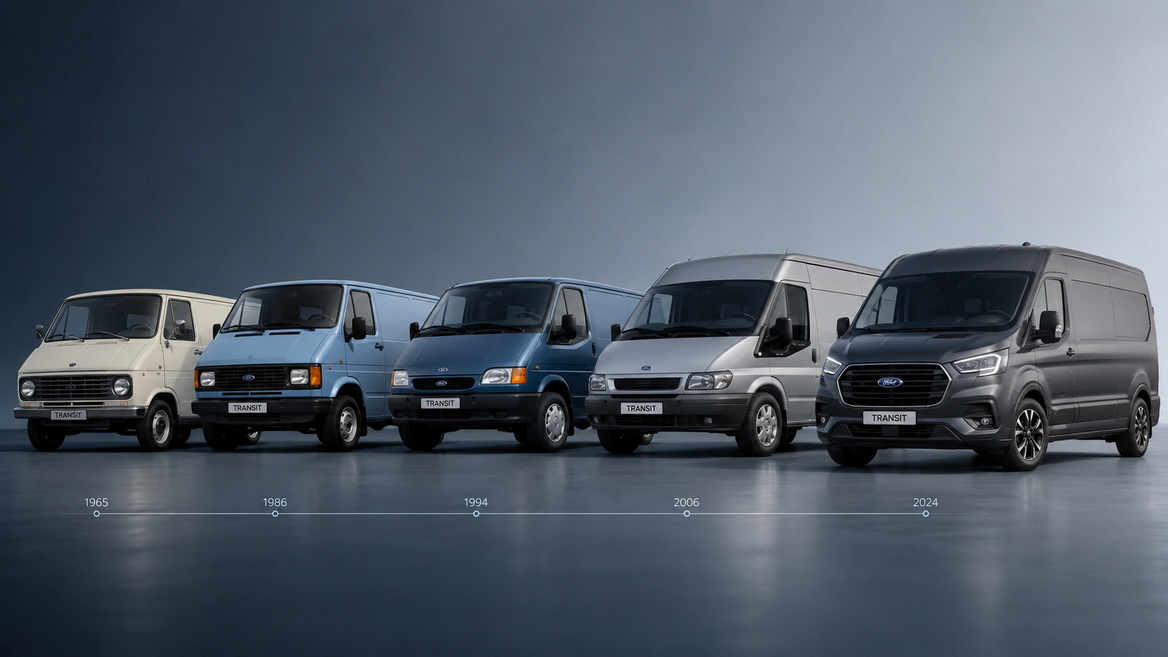
Before the first official Transit appeared in 1965, Ford had already explored the commercial van segment in Europe. One of the earliest predecessors was the Ford Taunus Transit, introduced in the 1950s in Cologne, Germany. It was a compact light commercial vehicle designed to provide useful load space and dependable performance for working users.
That earlier platform helped Ford understand what commercial buyers wanted: simple engineering, flexibility, and enough cargo capacity to support real business tasks. Those lessons became the foundation for the later Transit family.
The first true Ford Transit launched in 1965, and it quickly became a major success. One of its strongest advantages was space. Compared with many rivals at the time, it offered a larger and more practical cargo area, making it attractive to businesses that needed to move goods efficiently.
Its design was boxy, wide, and strongly influenced by American van styling. That gave it a distinctive appearance and helped it stand out on UK and European roads. Buyers also appreciated the number of versions available. The first Transit could be ordered as a panel van, pick-up, minibus, or crew cab, with petrol and diesel engine choices.
This wide range of options made the Transit especially useful for commercial users who needed one platform to serve many purposes. The first generation stayed in production for many years and established the model as a serious name in the light commercial vehicle market.
In 1978, Ford gave the Transit a major facelift. The front end was updated, the interior was improved, and the mechanical package was refined. This was important because the commercial vehicle market was becoming more competitive, and customers expected more than just basic utility.
The updated model also brought more powerful engine options, including the Pinto engine from the Cortina. A faster version using the Essex V6 also became available. For the first time, buyers could also choose automatic transmission, showing that Ford was beginning to think more seriously about comfort and everyday drivability.
The second-generation Transit arrived in 1986 and marked a big visual shift. The body design became more modern, with a slanted windscreen and a more integrated front shape. Even though it still kept the familiar practical van profile, it looked more refined and better suited to changing market expectations.
Ford also improved ride and handling through independent front suspension on short wheelbase models. Visibility and accessibility were better as well, which made daily use easier for drivers. At first, the engines were similar to earlier versions, but later changes introduced a more modern fuel-injected Cologne unit for the performance-oriented version.
As the generation matured, Ford added more comfort and convenience features such as:
- Air-conditioning.
- Central locking.
- Airbags.
- Electric windows.
- Electric mirrors.
These upgrades mattered because many buyers were now using the Transit for longer workdays and more varied tasks. It was no longer just a utility box on wheels. It was becoming a more complete working vehicle.
The third generation arrived in 2000 and brought a major step forward in flexibility. For the first time, buyers could choose between front-wheel drive and rear-wheel drive. That gave customers more control over load height, traction, towing, and carrying performance.
This generation also introduced sharper styling inspired by Ford's passenger cars. The front end was more contemporary, and the interior was designed to feel more comfortable and ergonomic. These changes helped the Transit remain competitive in a market where expectations were rising quickly.
A facelift in 2006 added further improvements. The bodywork was refreshed, the cabin became more refined, and the vehicle benefited from updated TDCi diesel engines. These engines improved fuel economy and reduced emissions, which made the Transit more suitable for businesses looking to balance operating cost with performance.
During this era, Ford also introduced the Sport Van, a version with a more aggressive appearance, sporty graphics, and larger wheels. It appealed to buyers who wanted the practicality of a van with a more individual style.
The fourth generation began in 2013 and represented the Transit's move into a truly modern era. Ford built this version with global use in mind, and it became one of the most versatile commercial platforms in the company's lineup.
One of the important developments in this generation was the double cab Transit, which could carry up to seven people while still offering substantial load space. That made it useful for crews, service teams, and mixed-use operations.
The model also came in multiple wheelbase lengths and body heights, giving buyers more control over the balance between cargo capacity and vehicle size. This flexibility has always been one of the Transit's greatest strengths, and the fourth generation continued that tradition in a more refined form.
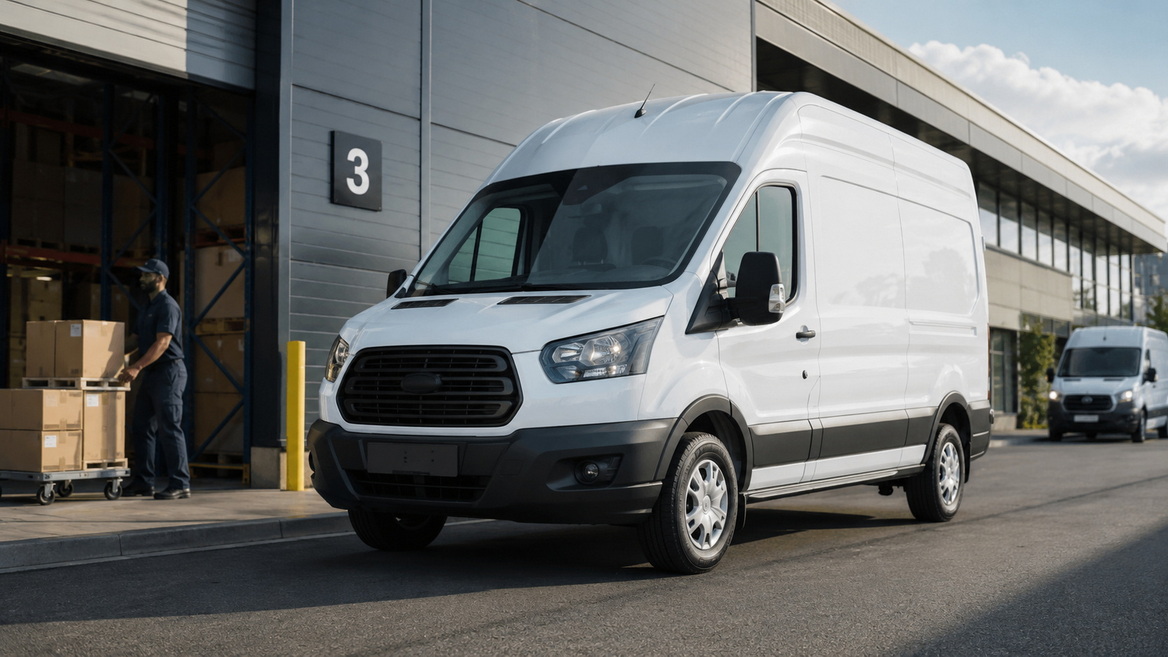
The wider Transit family also expanded during this period. In many markets, Ford introduced or continued the following models:
- Transit Courier.
- Transit Connect.
- Transit Custom.
- Full-size Transit.
- Tourneo Courier.
- Tourneo Connect.
- Tourneo Custom.
This broader range allowed Ford to serve more business types, from compact urban delivery fleets to heavy-duty commercial operations.
The success of the Ford Transit is not the result of one feature. It comes from a combination of practical strengths that stayed relevant for decades.
The Transit was designed to carry a wide variety of loads. Its shape, size options, and body styles made it suitable for many business sectors.
Few commercial vehicles have offered as many versions over such a long period. Panel vans, minibuses, crew cabs, chassis cabs, and passenger variants all helped the Transit reach a broad audience.
Ford did not leave the Transit unchanged. Every generation added improvements in comfort, safety, styling, and drivability.
The Transit worked for delivery businesses, contractors, public services, shuttle operators, and private users. That cross-market appeal gave the model lasting strength.
Today's Transit range reflects a very different operating environment from the one that existed in 1965. Buyers now expect more than cargo volume. They also want efficiency, safety, driver comfort, and low operating stress.
Modern Transit models may include:
- Multiple roof heights.
- Different wheelbase choices.
- Advanced driver-assistance features.
- Improved diesel and petrol engines.
- Automatic transmission options.
- All-wheel-drive capability in some versions.
- Passenger-focused variants for shuttle and transport use.
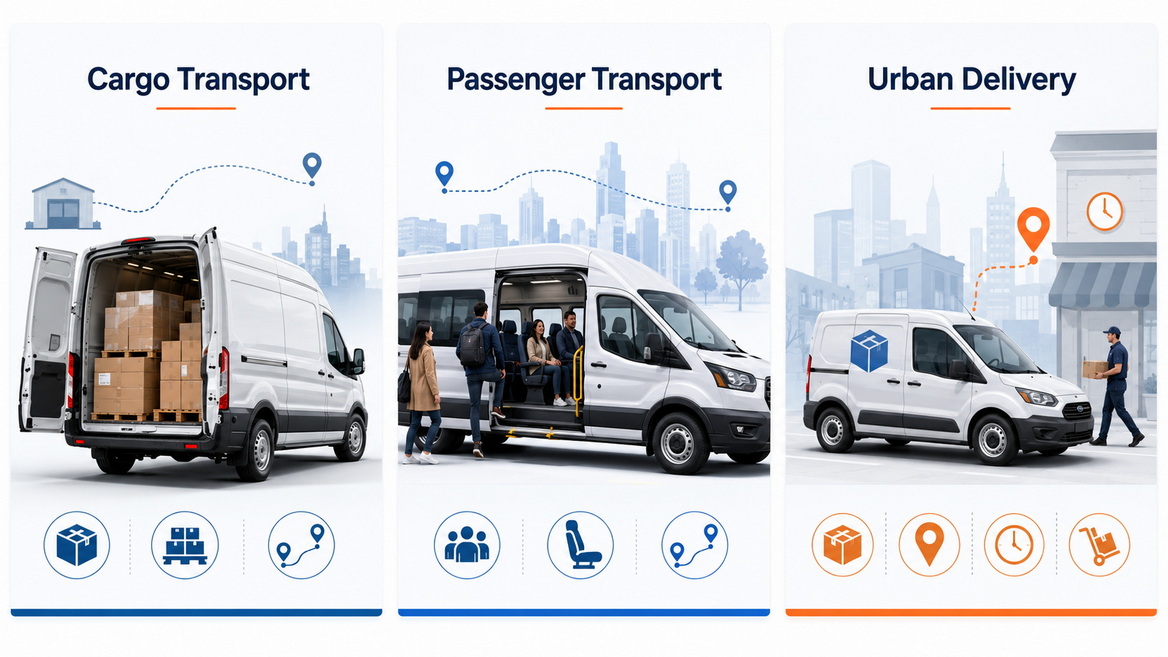
These features make the Transit a more complete commercial tool. It can serve urban delivery, regional logistics, trades, passenger transport, and specialist fleet work.
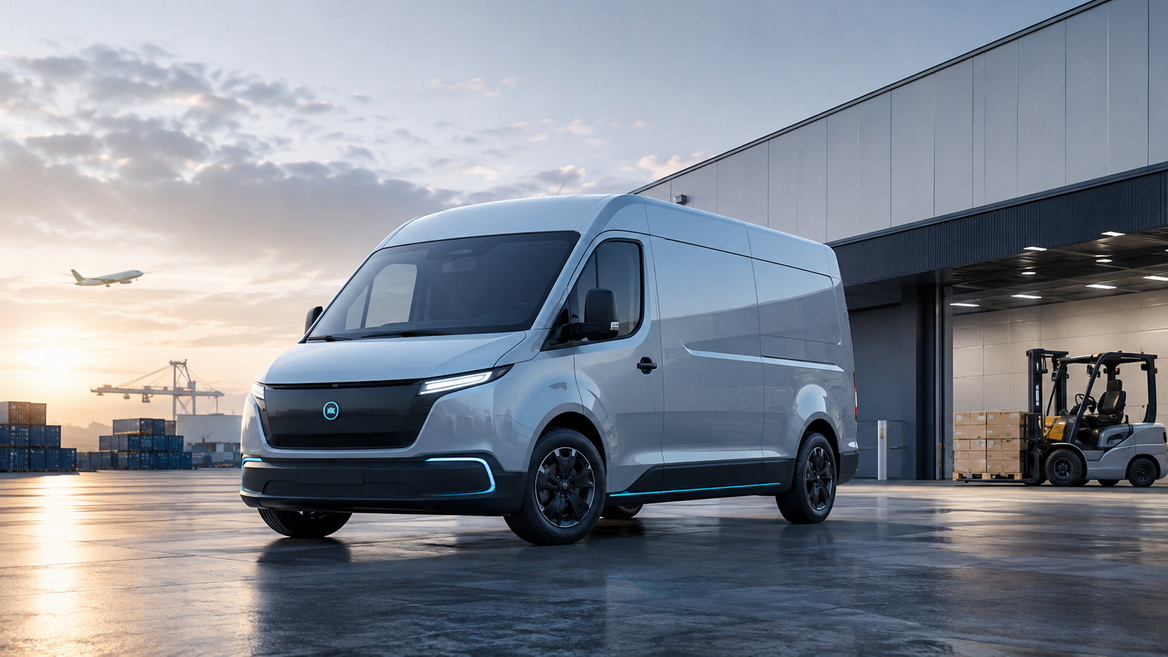
One of the most important changes in the Transit story is the arrival of electric commercial mobility. The E-Transit shows how Ford has adapted the model to match modern fleet expectations and environmental requirements.
Electric vans are becoming more important in cities and regions where emissions rules, noise concerns, and fuel savings matter more than ever. For many fleet operators, the question is no longer whether electric commercial vehicles will grow, but how fast they will become part of normal purchasing decisions.
The Transit platform's move toward electrification proves that long-running commercial models must continue to adapt if they want to stay relevant.
The Transit's long history offers several useful lessons for commercial vehicle buyers.
A vehicle does not need to be complicated to be effective. If it solves real work problems, it has value.
The ability to choose different body styles, drivetrains, and load configurations can make a single vehicle platform suitable for many industries.
Drivers spend long hours in commercial vehicles. Better seating, visibility, controls, and cabin features support daily efficiency.
Modern commercial vehicles are more than transport tools. They also help with safety, route efficiency, and driver confidence.
The Transit story is also useful for companies involved in commercial vehicle export. Buyers in international markets often care about the same things: durability, adaptability, service support, and value over time.
A strong commercial vehicle lineup should show:
- Clear use cases.
- Reliable configuration choices.
- Good after-sales support.
- Strong build quality.
- Product coverage across multiple segments.
That is why many export-focused buyers compare not just one vehicle, but the overall strength of the supplier's product range. A company offering dump trucks, buses, heavy trucks, and new energy vehicles can benefit from presenting products in a way that reflects practical business needs.
Over time, the Ford Transit became more than just a van. It became a reference point for the commercial vehicle market. Many buyers think of it as a benchmark because it combines practical utility with steady product development.
Its success came from understanding a simple truth: businesses need vehicles that work every day, in many conditions, with minimal disruption. The Transit earned trust by meeting that need again and again across different generations.
That is why the model remains important today. It represents continuity, adaptation, and the long-term value of designing vehicles around actual business use.
The Ford Transit's journey from a post-war European commercial vehicle to a modern global platform is a strong example of product evolution done well. Each generation improved on the last without losing the core qualities that made the name successful in the first place.
For business buyers, fleet managers, and transport professionals, the Transit remains a reminder that the best commercial vehicles are built around usefulness, durability, and adaptability. Those are the qualities that help a vehicle stay relevant for decades.
The Ford Transit was first launched in 1965.
Before the Transit name became established, Ford produced the Taunus Transit in the 1950s.
Its popularity came from its cargo space, flexible body styles, and ability to serve many different business uses.
Each generation improved comfort, safety, styling, drivetrain choice, and load flexibility.
Yes. The E-Transit reflects Ford's move toward electric commercial vehicles.
1. Evans Halshaw, "Evolution of the Ford Transit Van."
https://www.evanshalshaw.com/blog/evolution-of-the-ford-transit/
2. Foray Motor Group, "The history of the Ford Transit."
https://www.foraymotorgroup.co.uk/news/the-history-of-the-ford-transit/
3. Classic Vans, "Guide to Ford Transit Vans: History, Specs & Where to Buy."
4. Ford Media, "Ford introduces E-Transit."
5. KeyChain Auto, Dump Truck page.
https://www.keychainauto.com/dump-truck.html
6. Virayo, "SEO Guide for Trucking and Logistics Companies."


