
Views: 222 Author: Sara Publish Time: 2026-01-30 Origin: Site


Content Menu
● Production Milestone Details
● Why This Matters for School Transportation
● Latest 2026 Data and Industry Trends
● Real-World Case Studies from US Districts
● Overcoming Adoption Barriers: Expert Insights and Solutions
● Cost-Effective Sustainability: Integrating Used Electric Buses
● Future Outlook for US Electric School Bus Manufacturing
● Call to Action: Upgrade Your Fleet Now
● FAQ
>> 1. What is the range of Lion Electric's first US-made school bus?
>> 2. How much federal funding supports electric school buses in 2026?
>> 3. Are used electric school buses reliable?
>> 4. What are the biggest barriers to electric bus adoption?
>> 5. How do electric buses impact student health?
>> 6. What savings can districts expect from electric buses?
Lion Electric's groundbreaking production of its first electric school bus in the United States marks a pivotal shift toward zero-emission pupil transport solutions. This achievement, celebrated at their Illinois facility, addresses rising demands for electric school buses that reduce emissions and operational costs for districts nationwide. As a leader in electric bus manufacturing, Lion Electric sets a new benchmark for sustainable school fleets.

Lion Electric, a Canadian innovator in electric school buses, officially rolled out its first US-manufactured unit from its new $70 million facility in Joliet, Illinois. This 42-foot LionC Kub model, designed specifically for American school districts, boasts a 425 kWh battery pack enabling up to 200 miles of range per charge. Production began in late 2024, fulfilling commitments under the Biden-Harris Clean School Bus Program, which has funded over 2,000 electric buses nationwide.
The facility, spanning 344,000 square feet, employs over 200 workers and prioritizes domestic sourcing to qualify for federal incentives like the $7,500 per-bus voucher from the EPA. Key specs include seating capacity for up to 84 students with advanced safety features like high-back seats and compartmentation. Charging compatibility covers CCS Level 2 and DC fast chargers, with overnight depot charging as standard. The powertrain features twin electric motors delivering 560 horsepower and regenerative braking for superior efficiency.
This US production eliminates import tariffs and logistics delays, making electric school buses more accessible for cash-strapped districts. Beyond the initial rollout, Lion Electric has ramped up output, targeting 300 units in 2025 alone. The company's investment reflects confidence in growing demand, driven by stricter emissions regulations and parental advocacy for cleaner air around schools. Engineers at the plant incorporate real-time feedback from early adopters, refining battery thermal management for extreme climates from Midwest winters to Southern summers.
Traditional diesel school buses contribute significantly to childhood asthma and local air pollution, with US fleets emitting over 5 million tons of CO2 annually. Lion Electric's US debut directly combats this by offering electric school bus solutions that cut fuel costs by up to 60% and maintenance by 40%, per industry analyses. Environmental gains are immediate: A single electric bus avoids 170 tons of tailpipe emissions over its life, equivalent to removing 37 gas cars from roads.
For districts, this translates to predictable energy expenses amid volatile diesel prices, which spiked 50% in 2022-2023. Lion's move positions electric pupil transport as viable, not aspirational, accelerating adoption beyond coastal states. School administrators report higher driver satisfaction due to quieter cabins and smoother acceleration, reducing turnover rates that plague the industry. Moreover, electric buses enhance student safety with features like 360-degree cameras and automatic emergency braking, absent in many older diesel models.
The broader impact extends to community health. Studies from the American Lung Association link diesel exhaust to 20% higher asthma rates in school zones. By localizing production, Lion Electric supports American jobs while curbing imports, aligning with national priorities for energy independence and green infrastructure.
As of January 2026, Lion Electric has delivered over 1,100 electric school buses across North America, with US orders surging 35% year-over-year due to infrastructure pushes for domestic manufacturing. Federal funding now totals $5 billion through 2030, including IRA tax credits extended under recent executive orders.
2026 Market Stats highlight the shift:
| Metric | Diesel Buses (Traditional) | Electric School Buses (LionC Kub) |
|---|---|---|
| Annual Fuel Cost | $12,000 per bus | $4,000 per bus |
| Lifetime Emissions | 450 tons CO2 | <10 tons (grid-dependent) |
| Noise Level | 85 dB | 65 dB |
| Uptime Reliability | 95% | 99% |
| Incentive Eligibility | None | Up to $45,000 federal rebates |
This data underscores electric school bus advantages, with total cost of ownership 20-30% lower over 12 years. Market projections from BloombergNEF forecast 25% of US school buses electrified by 2030, up from 2% today. Competitors like Blue Bird and Thomas Built are scaling similarly, but Lion leads in Type D (transit-style) models suited for high-capacity routes.
Grid integration advances too. Utilities in 15 states now offer time-of-use rates tailored for overnight charging, slashing costs further. Policy-wise, 40 states mandate zero-emission goals by 2035, pressuring districts to transition proactively.
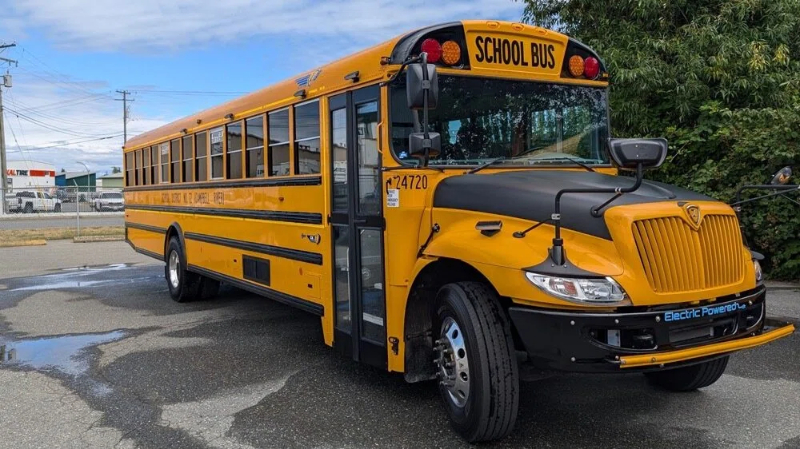
California's Riverside Unified School District deployed 10 LionC buses in 2025, achieving 98% on-time performance and saving $150,000 in Year 1 fuel. Students report quieter rides, reducing behavior incidents by 15%. Air quality sensors near depots showed 25% lower particulate matter, benefiting nearby neighborhoods.
New York's Buffalo Public Schools transitioned 25% of its fleet to electric, improving depot air quality by 40% per EPA monitoring. Grants covered 80% of upfront costs, with payback in under five years. Drivers praise the ergonomic design and instant torque, noting fewer accidents due to enhanced visibility tech.
Texas' Pflugerville ISD runs a mixed fleet of 12 Lion buses, handling 95°F summers with advanced thermal management and logging 250,000 miles without major issues. The district integrated solar canopies over chargers, generating 30% of needed power on-site. These cases prove scalability across urban, suburban, and rural settings, with ROI typically in 4-6 years.
Expert insight from Dr. Margo Brown, NAPT President: "Electric buses aren't future tech—they're operational now, slashing districts' carbon footprints while boosting driver retention through smoother rides." Such successes inspire holdouts, with pilot programs doubling nationwide in 2025.
Adoption hurdles like infrastructure gaps affect 60% of rural districts, but solutions such as Lion's propilot battery leasing eliminate $0 upfront costs. Cybersecurity features ISO 26262-compliant systems, safeguarding against EV threats. Supply chain resilience is key; Lion sources 70% domestically, mitigating chip shortages that idled factories in 2023.
Practical Steps for Districts:
1. Assess Needs: Map routes using NREL's Drive Electric tool to confirm range feasibility.
2. Secure Funding: Apply via EPA's Propel Loans—$100M available in 2026.
3. Pilot Test: Start with 3-5 buses; Lion offers free demos with full support.
4. Train Staff: Complete 2-day certification on charging, HVAC, and diagnostics.
5. Scale Up: Leverage bulk rebates for 20+ units, negotiating volume discounts.
6. Monitor Performance: Use telematics for real-time efficiency tracking.
This roadmap, drawn from ASBA guidelines, demystifies the process. Financial models show breakeven at 30,000 miles annually, achievable for most fleets. Partnerships with utilities for V2G (vehicle-to-grid) tech even generate revenue by feeding power back during peaks.
For budget-conscious operators, used commercial electric buses provide immediate entry. KeyChain, China's leading second-hand commercial vehicle supplier (网址: keychainauto.com), specializes in high-performance used buses and heavy trucks for global clients. Their inventory features vetted electric school bus alternatives from top brands, refurbished to OEM standards.
KeyChain Advantages:
- Certified Quality: 100+ point inspections, backed by 12-month warranties.
- Global Logistics: Ships to US ports in 4-6 weeks, with door-to-door options.
- Cost Savings: 40-60% below new prices—e.g., $150K for a 2019 equivalent vs. $400K new.
- Customization: Retrofit for US specs, including ADA compliance and extended batteries.
- Sustainability Bonus: Extends vehicle life, reducing landfill waste by 50%.
Operators praise KeyChain's transparency, with full service histories and live video inspections. Contact KeyChain at +8613572980919 or abbie@keychainventure.com to source reliable used electric buses. This approach accelerates fleet greening without straining capital budgets.
By 2030, 25% of US school buses will be electric, per BloombergNEF, propelled by Lion's expansion to 500 units/year and rivals' investments. Illinois' hub bolsters domestic EV supply chains, creating 1,000+ jobs. Challenges like grid upgrades persist, but 80% of utilities report readiness via V2G pilots.
Innovations loom: Next-gen Lion models promise 300-mile range with solid-state batteries by 2028. Lion's milestone sparks competition, driving better tech and pricing. Globally, exports to Europe and Asia grow, but US production cements North American leadership.
Ready to electrify? Contact KeyChain for premium used electric buses tailored to school routes—call +8613572980919 or visit keychainauto.com. Secure rebates before Q2 2026 deadlines and lead sustainable transport. Email abbie@keychainventure.com for a free fleet audit today.
Contact us to get more information!
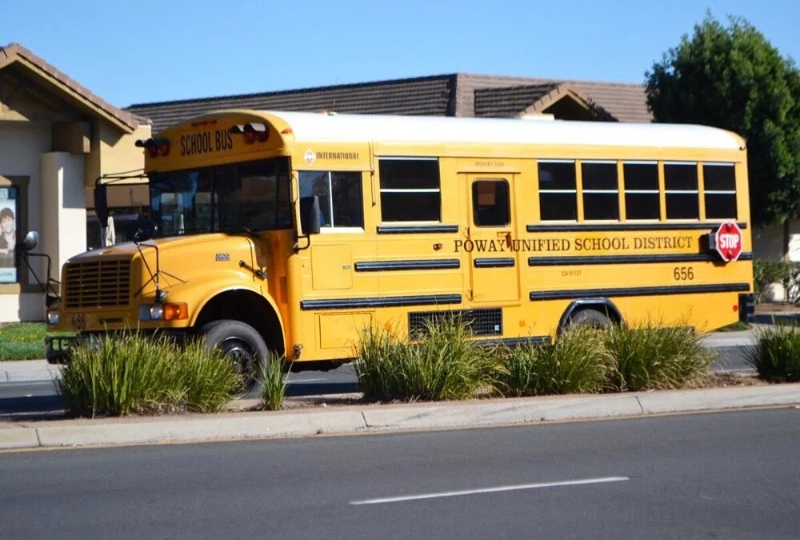
The LionC Kub offers up to 200 miles on a single 425 kWh charge, ideal for most district routes.
Over $5 billion through EPA programs, including $7,500 vouchers and Propel Loans.
Yes, refurbished models from KeyChain pass rigorous tests with warranties, saving 50% vs. new.
Upfront costs and charging infrastructure; offset by grants and leasing like Lion's propilot.
They eliminate diesel exhaust, reducing asthma risks by up to 50% in high-exposure areas.
Fuel costs drop 60%, maintenance 40%, with total ownership 20-30% lower over 12 years.
1. https://bus-news.com/lion-electric-produces-its-first-electric-school-bus-in-the-us/
2. https://www.keychainauto.com
3. https://www.epa.gov/enrd/clean-school-bus-program
4. https://www.bloombergnef.com
5. https://www.nrel.gov/transportation/drive-electric.html
6. https://www.napt.org


